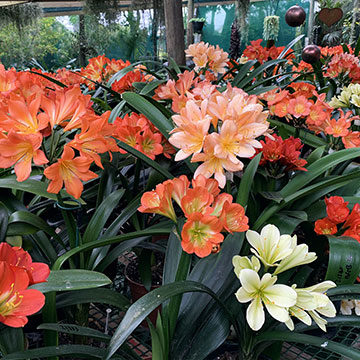
Clivia robusta – The Swamp Clivia of Pondoland
Clivia robusta, commonly known as the Swamp Clivia, is the largest and most vigorous of the recognised Clivia species. It was identified as a distinct species through DNA analysis of plants grown from seed by Dr Keith Hammett, using seed collected in Pondoland by Graham Duncan of the former National Botanical Institute (now SANBI).
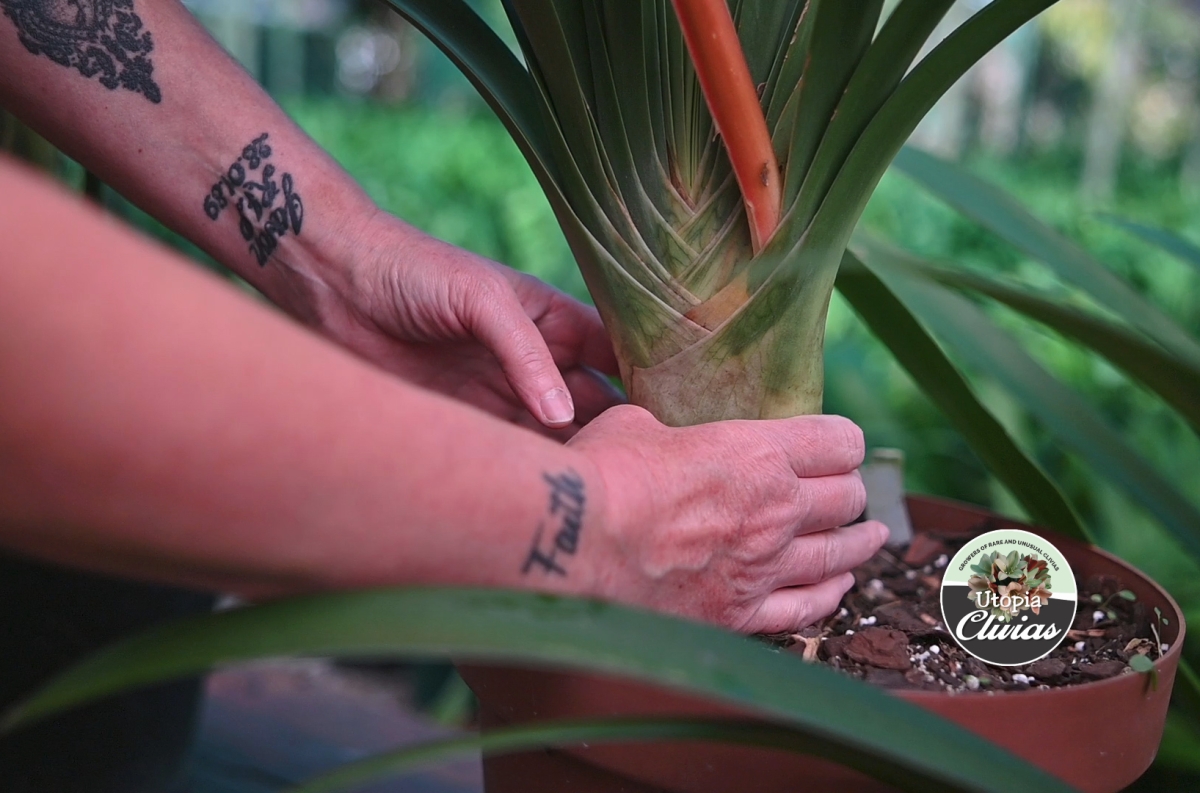
The species name robusta reflects its strong growth habit, with mature plants capable of reaching up to 1.8 metres in height, making it the most imposing member of the genus.
Botanical Description
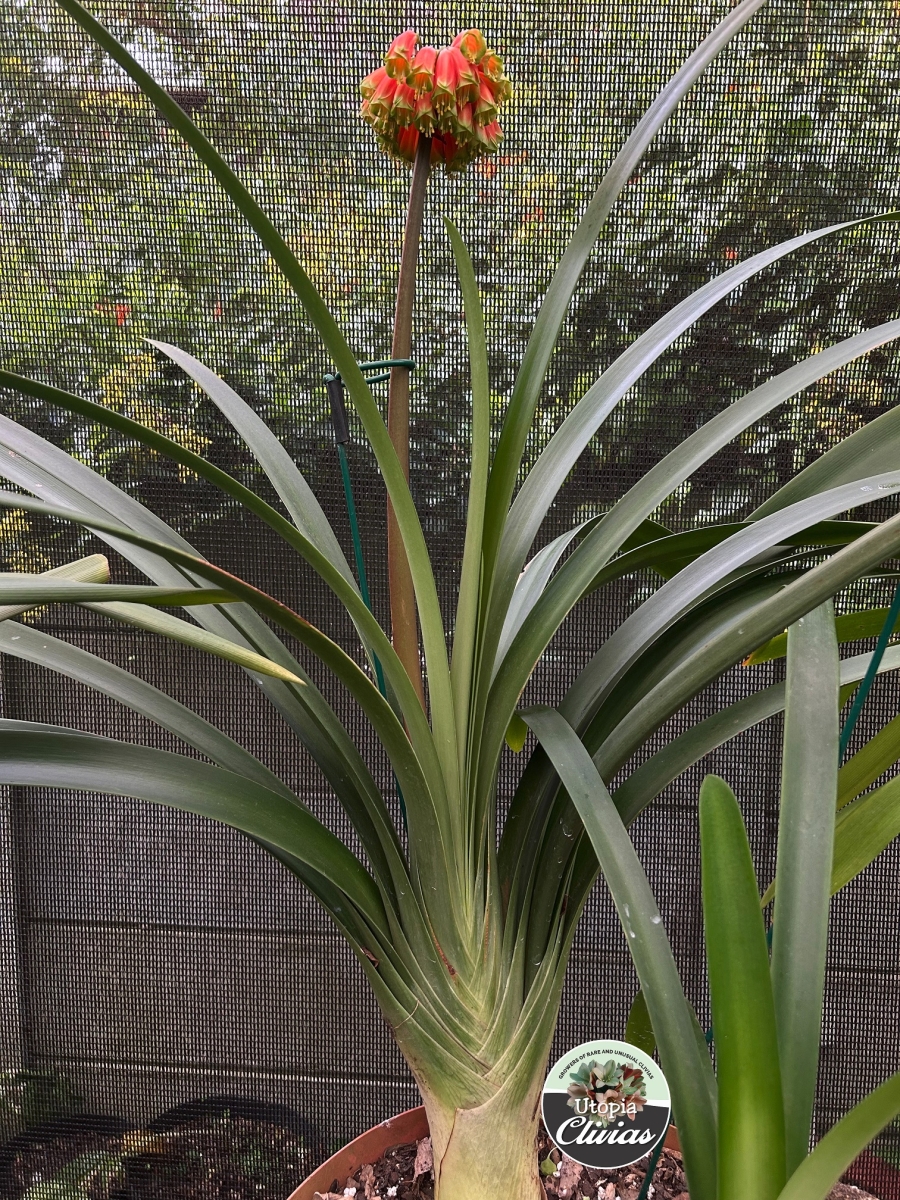
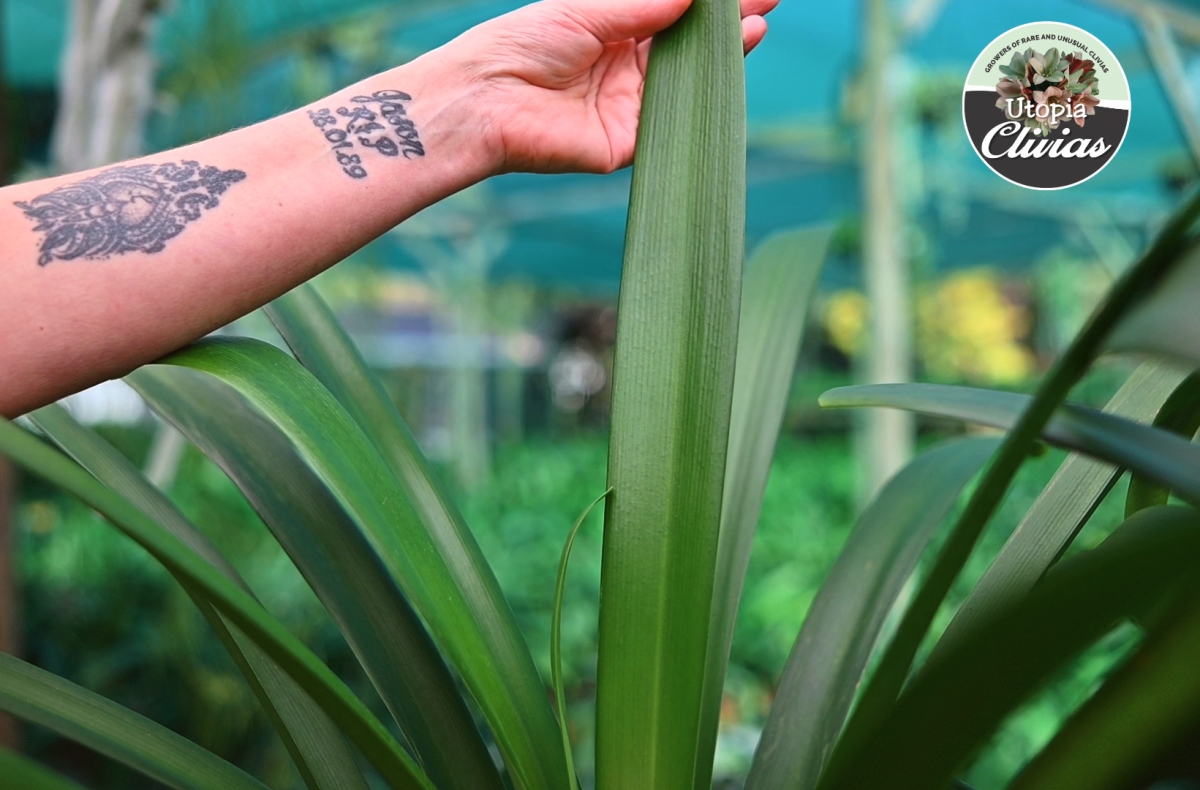
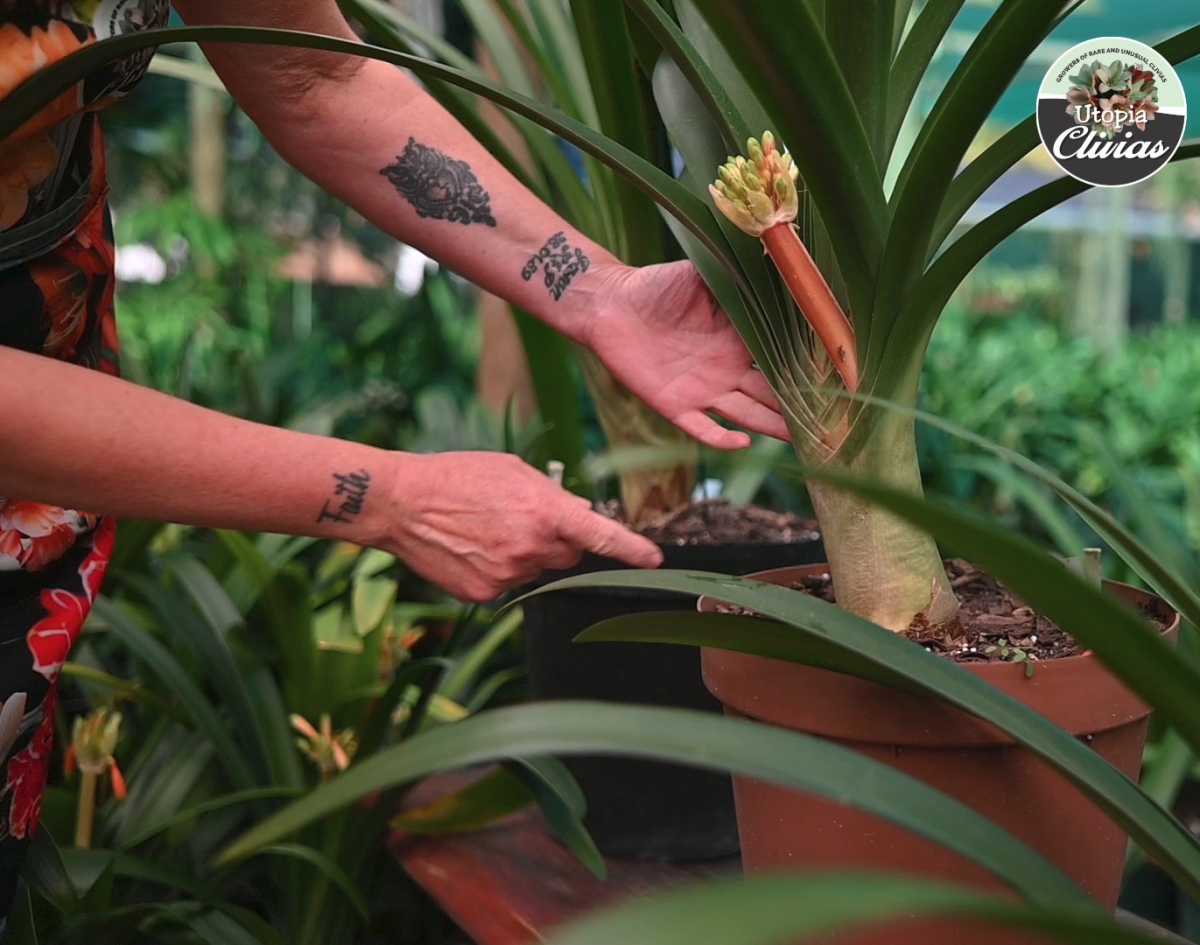
Clivia robusta is generally a large, upright-growing species, although plants growing in slightly drier habitats may appear shorter and stockier with broader leaves.
Vegetative characteristics:
Height: up to 1.8 metres
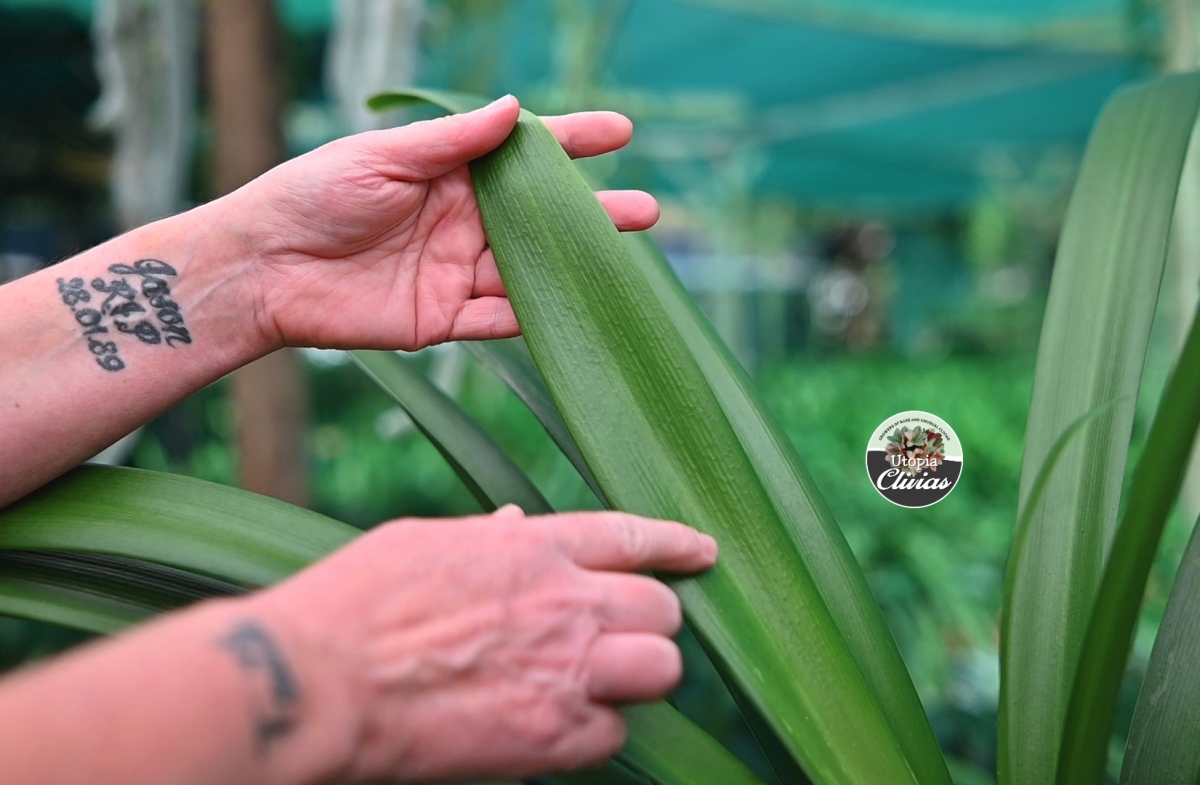
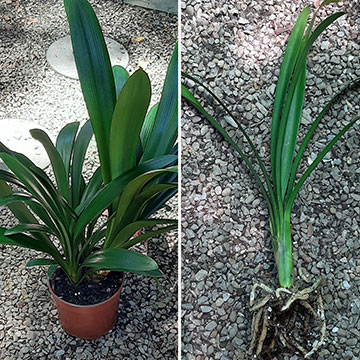
Leaves: strap-shaped, arching
Leaf width: 30–90 mm
Leaf length: up to 1.2 metres
Leaf texture: firm, light to mid-green
The overall growth habit is bold and architectural, particularly in high-moisture environments.
Flowers
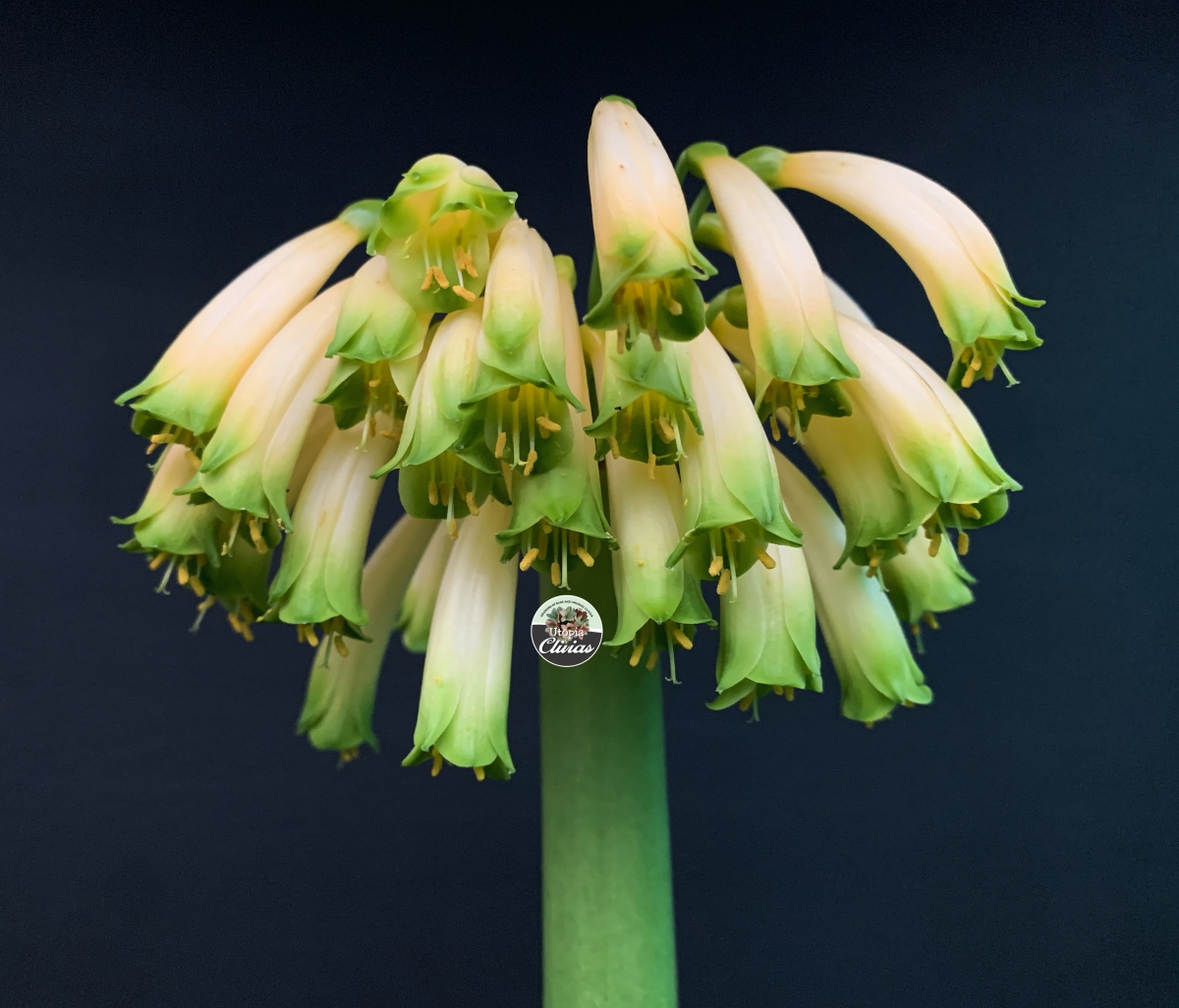
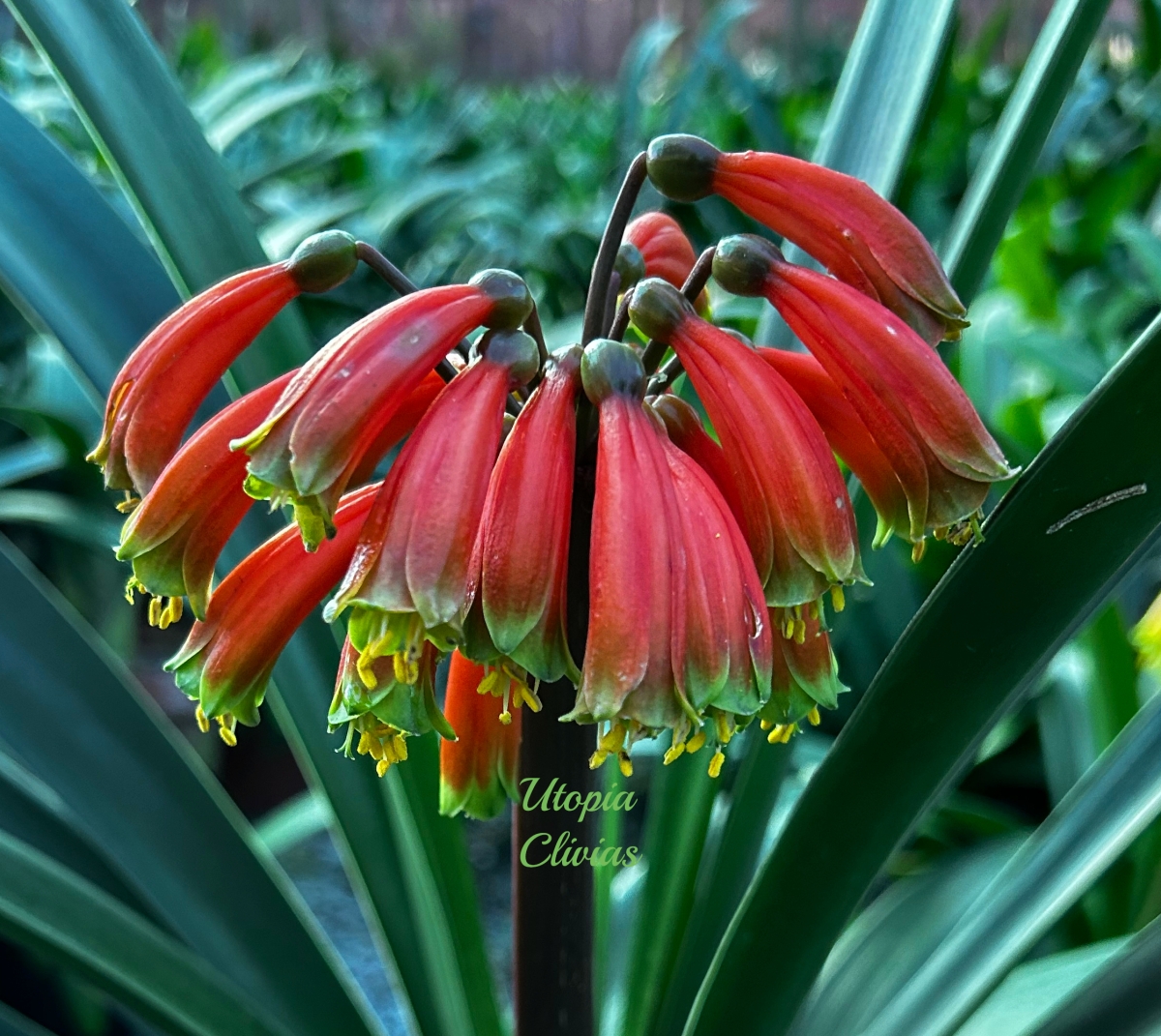
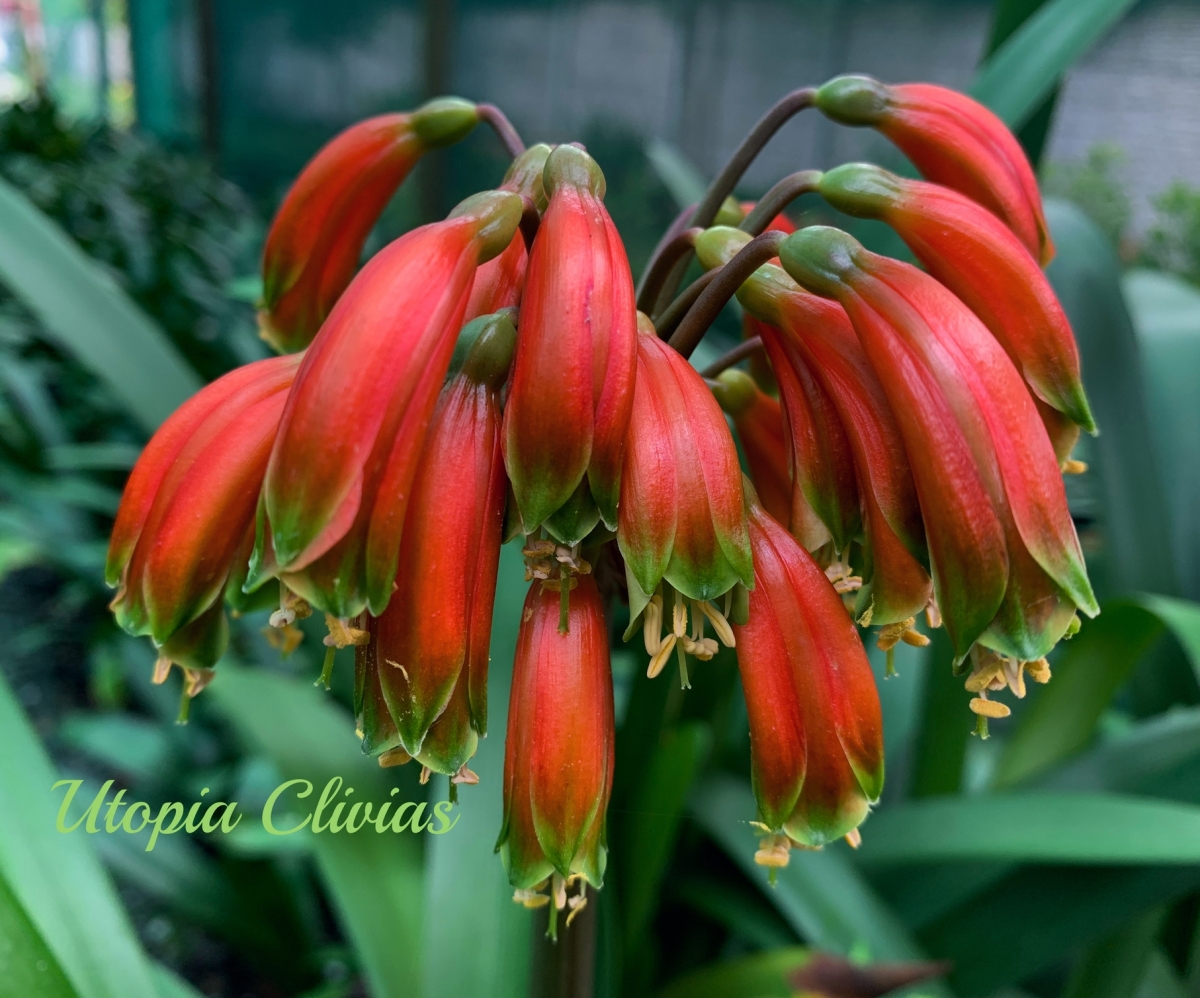
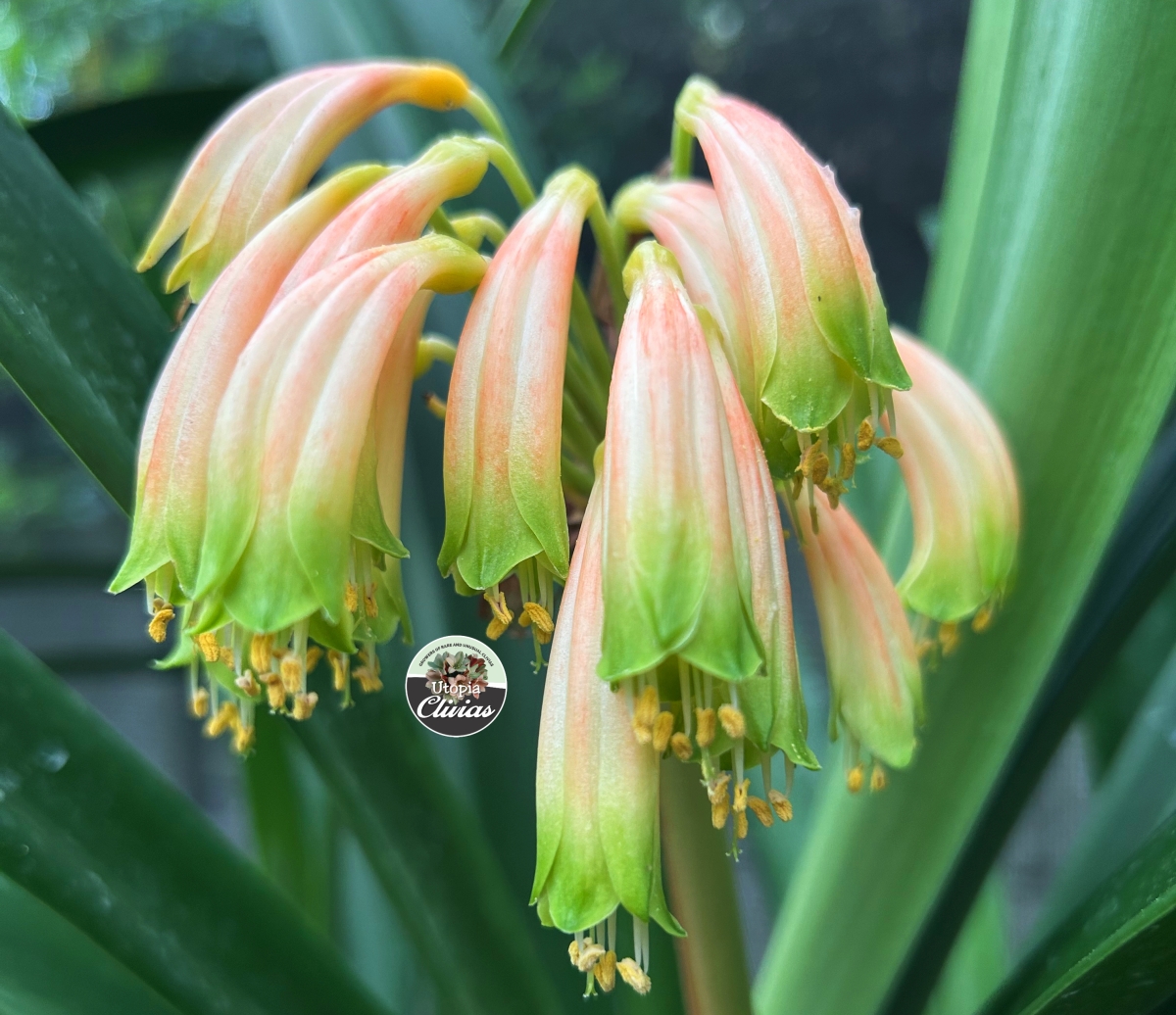
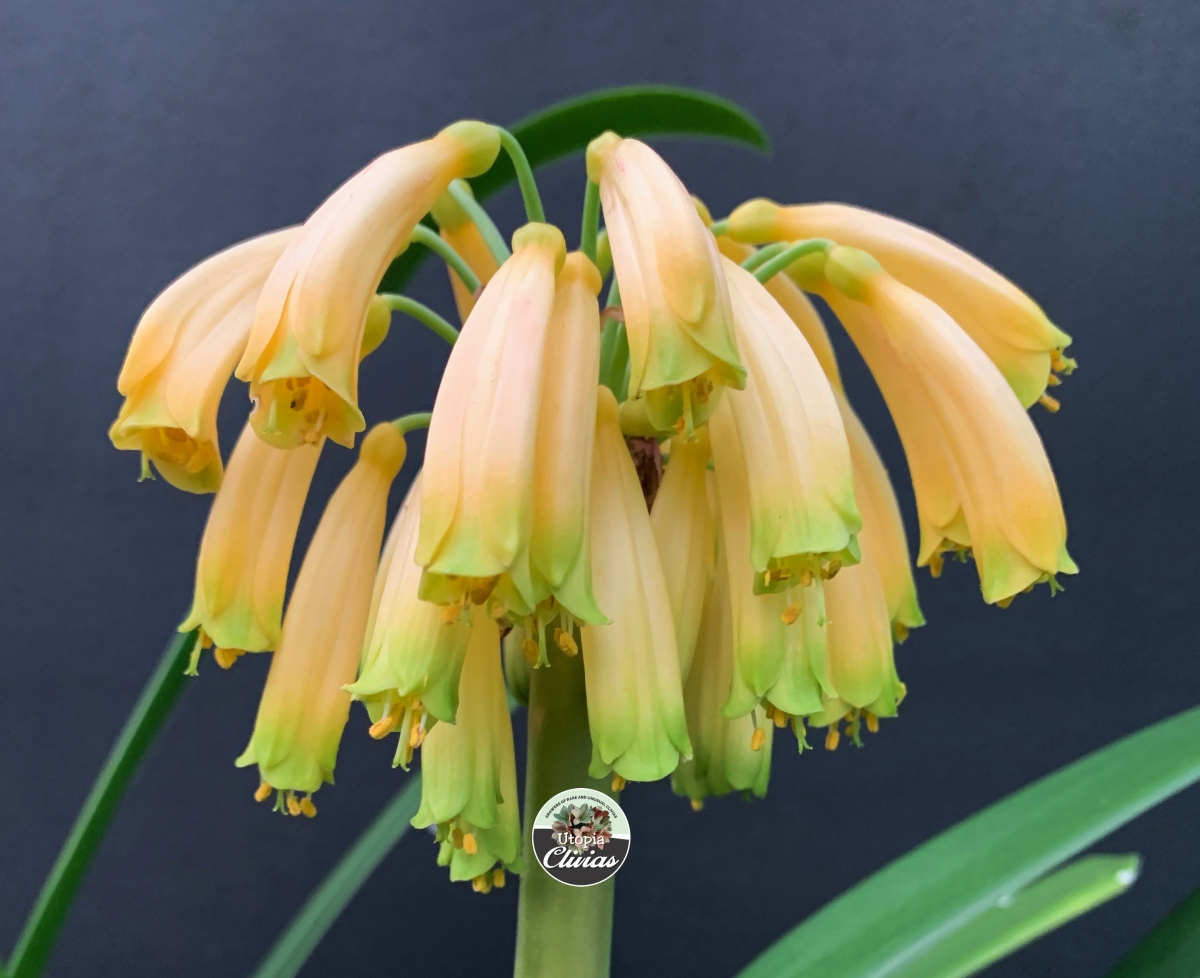
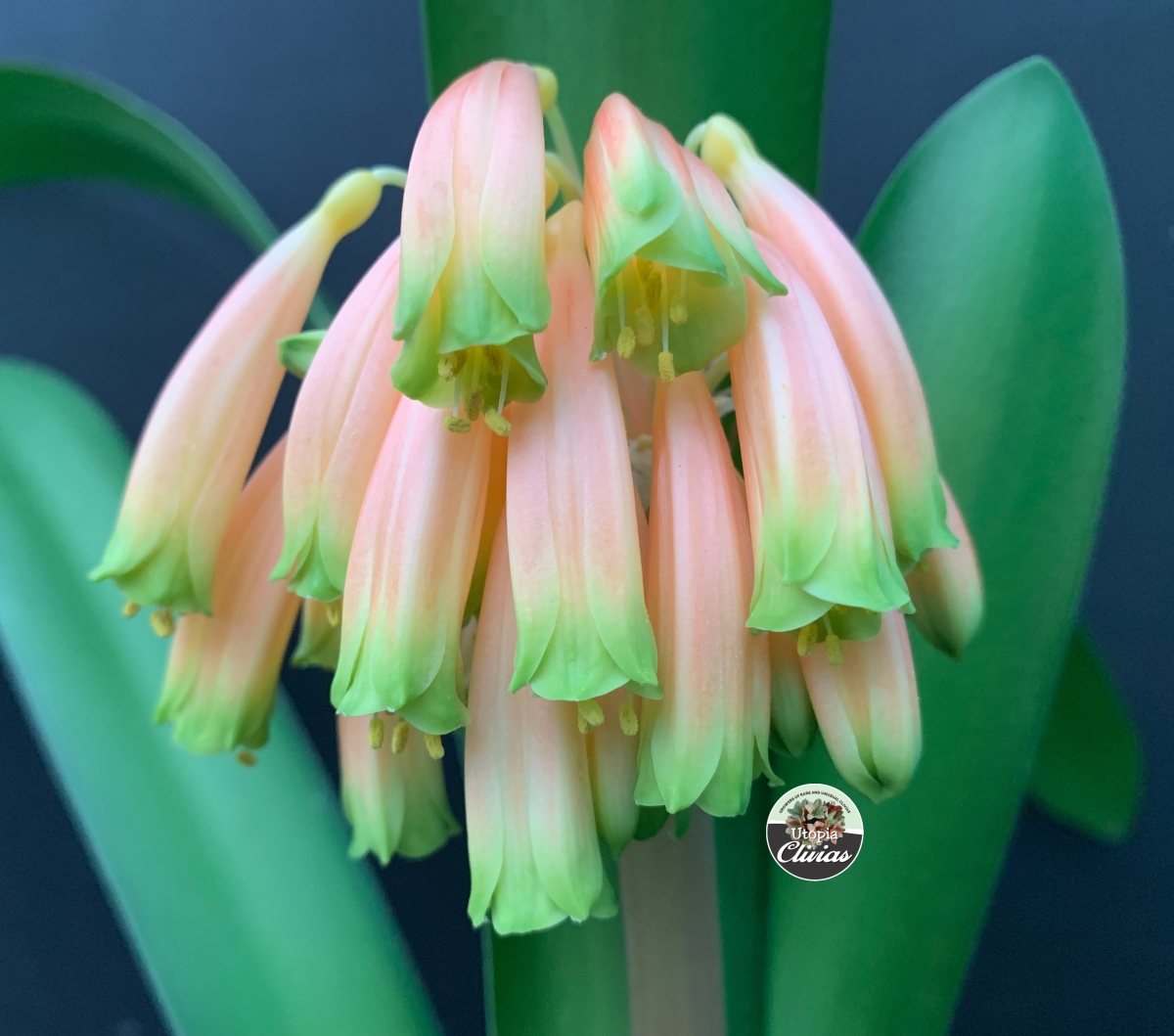
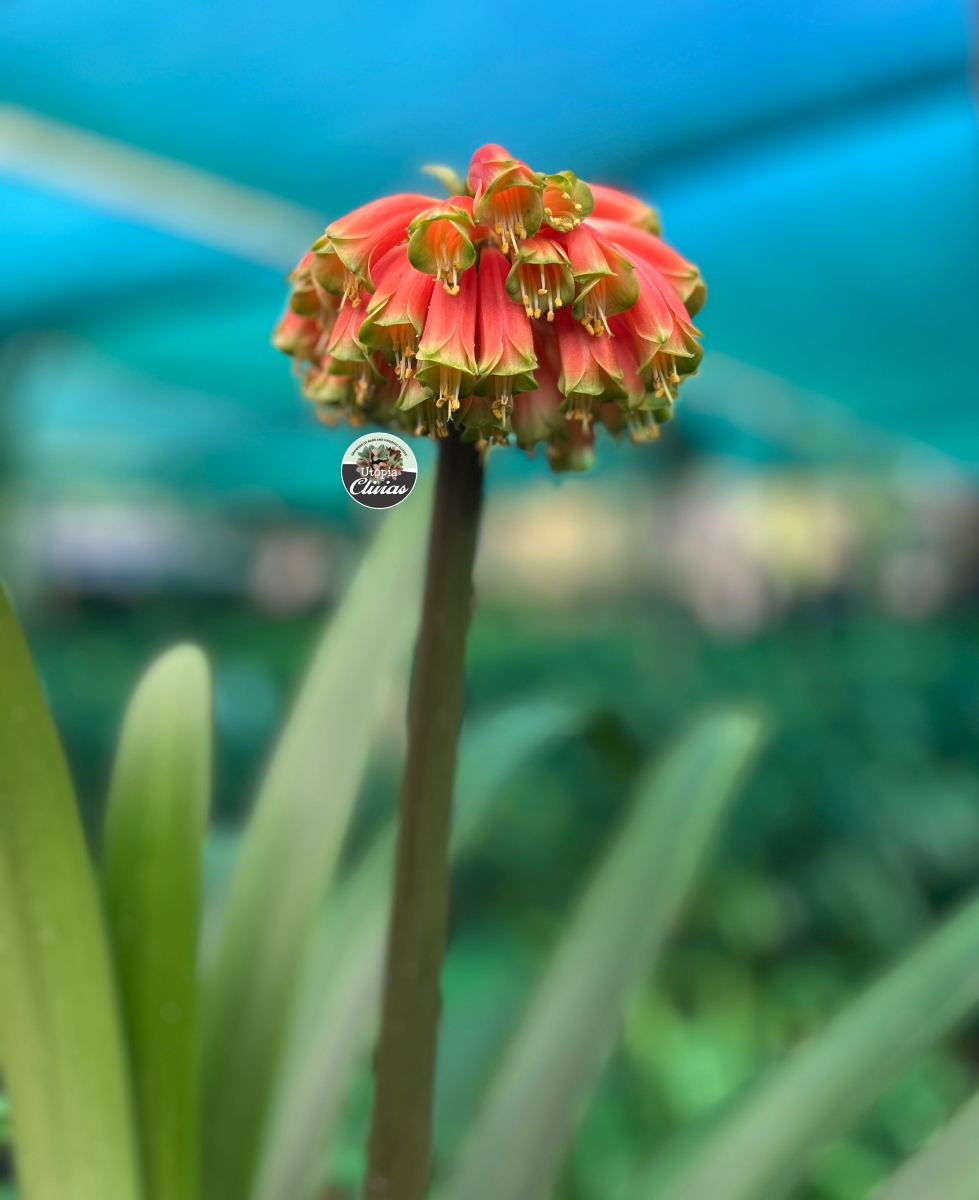
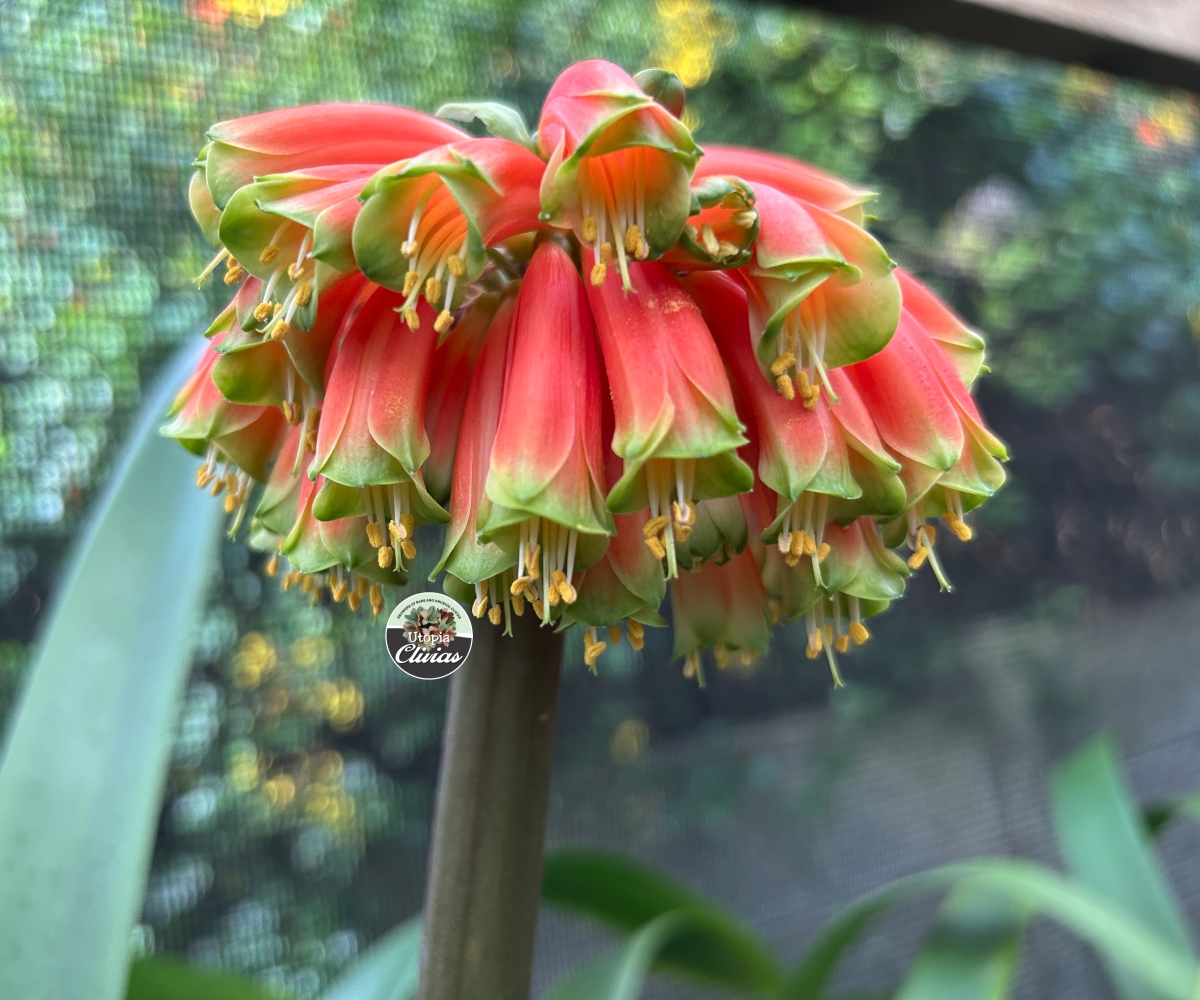
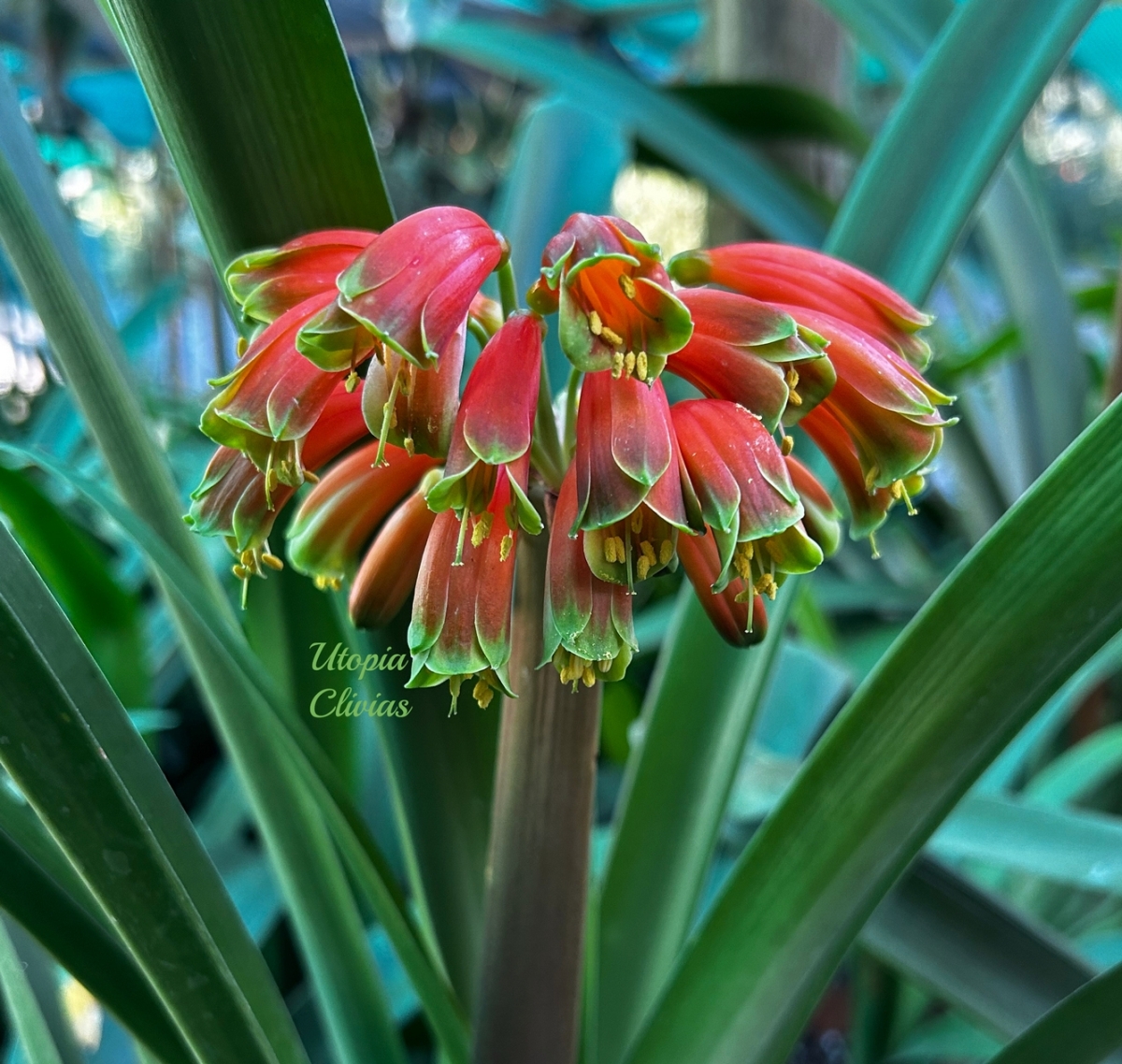
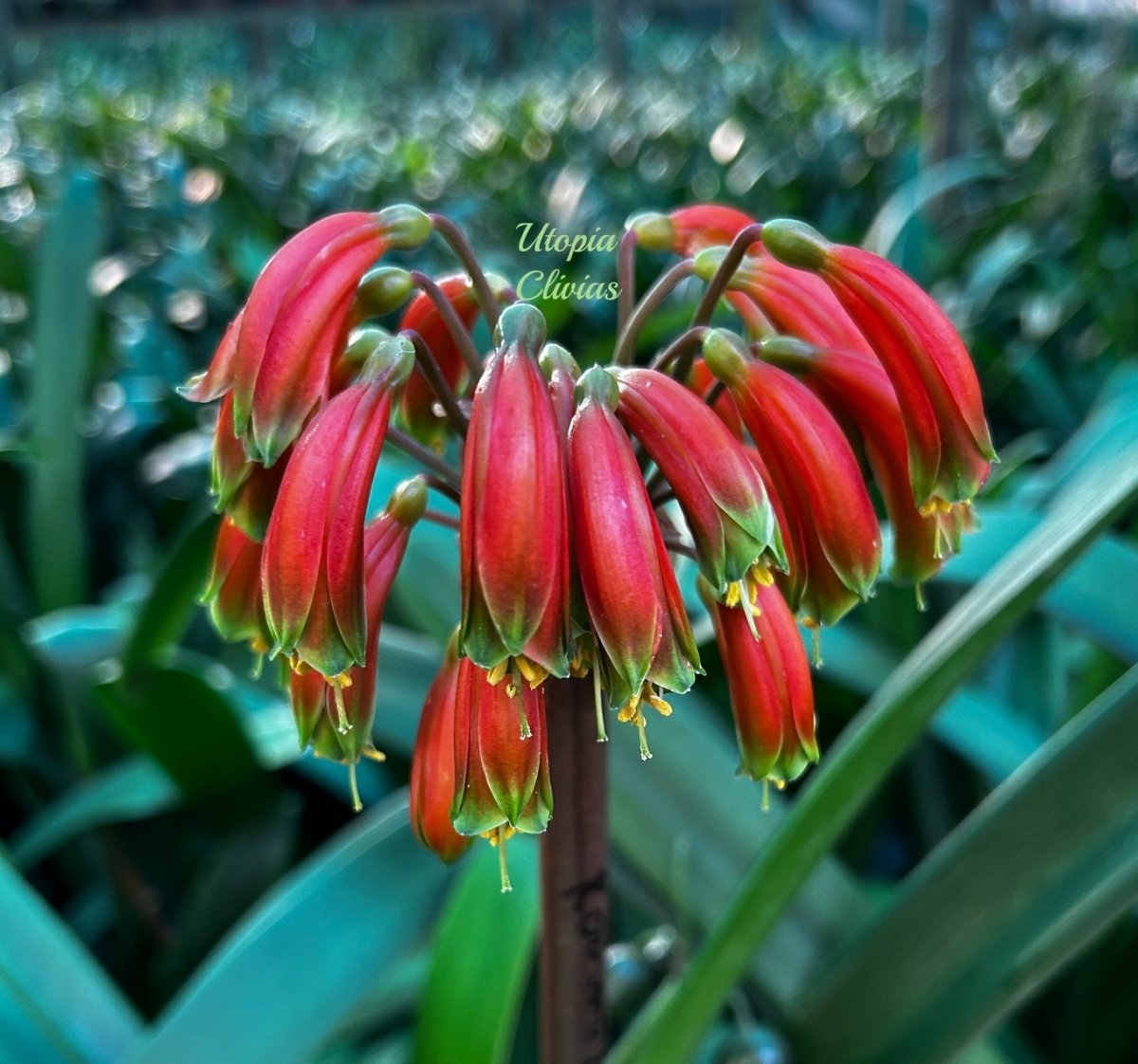
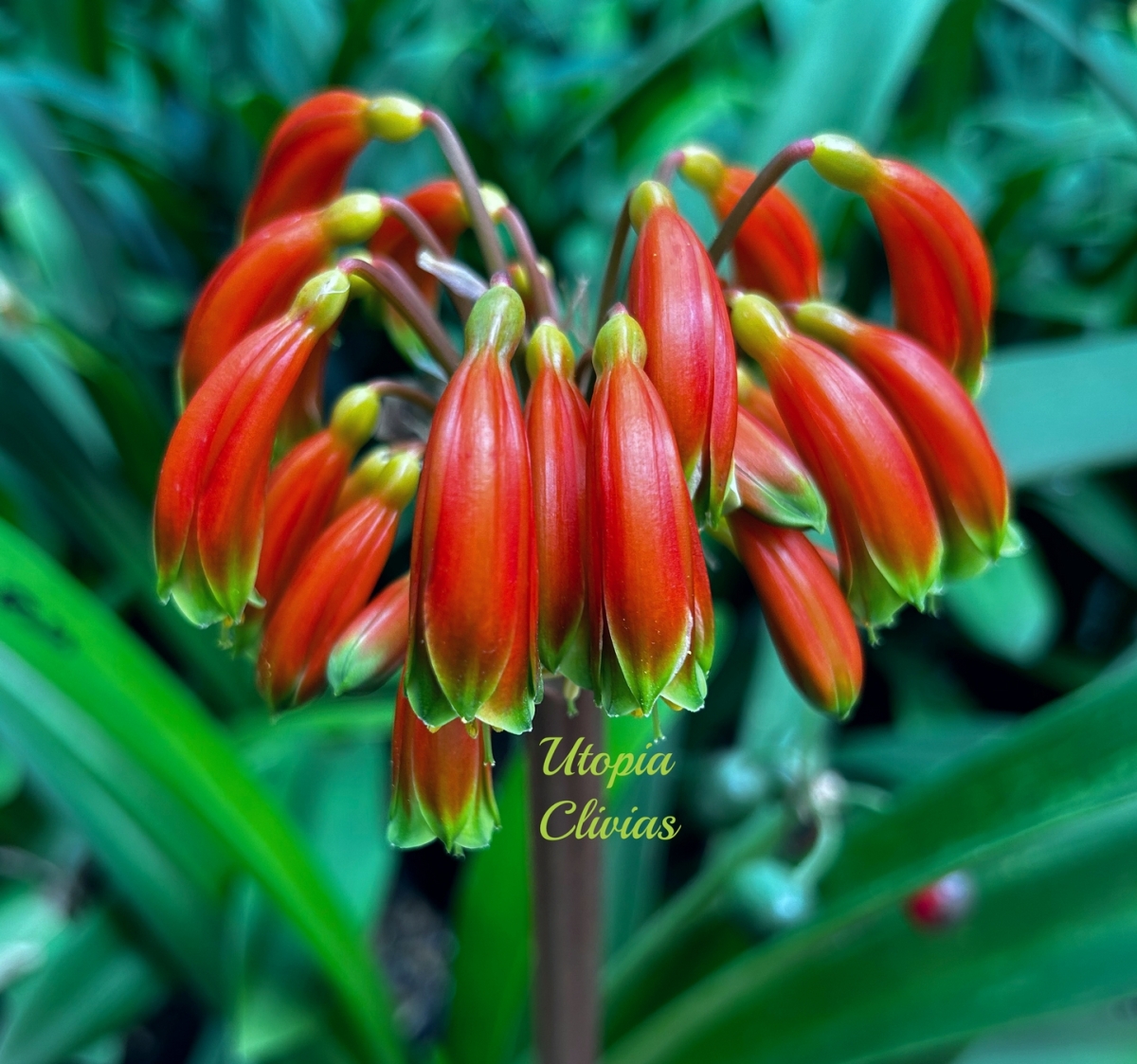
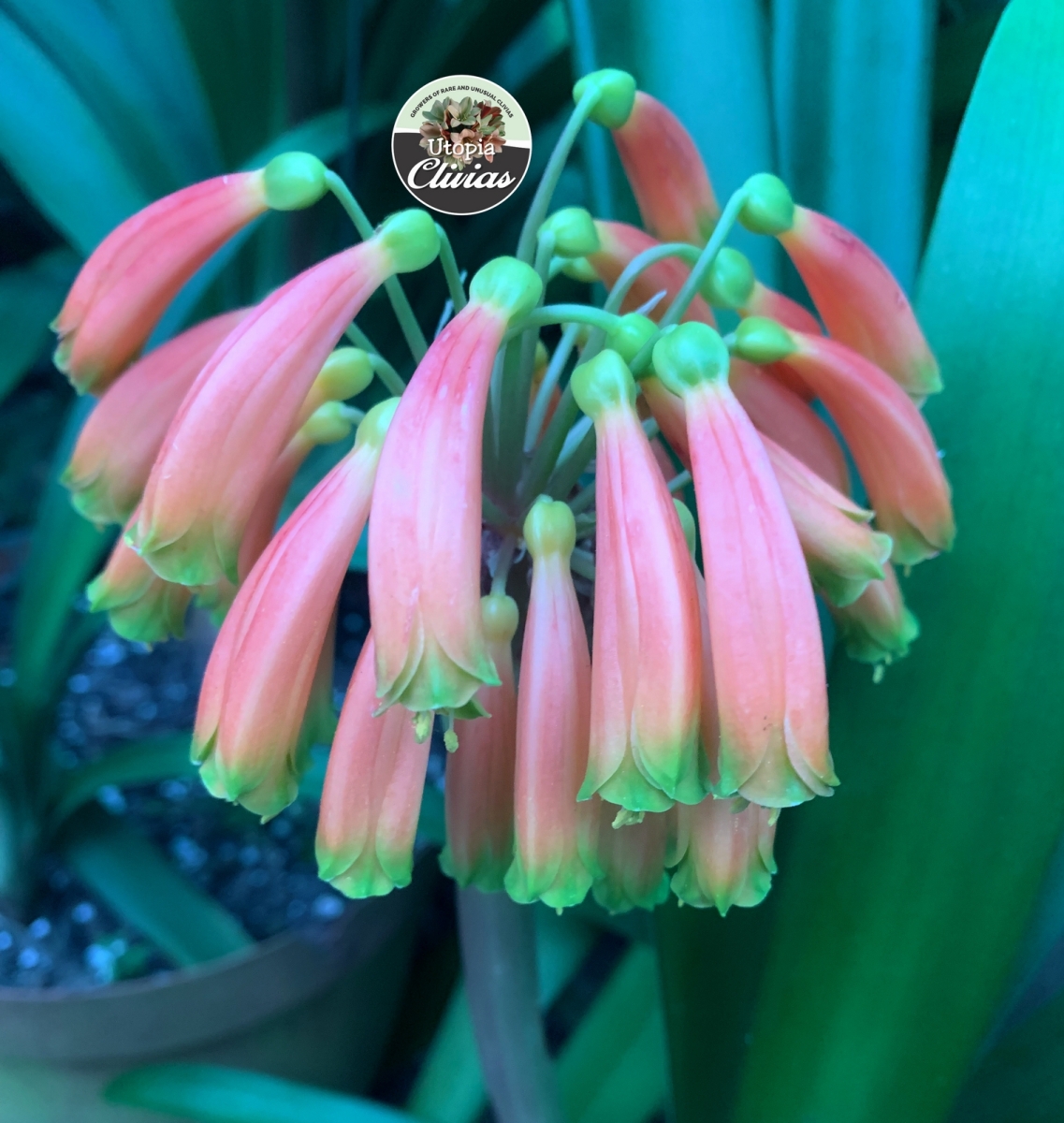
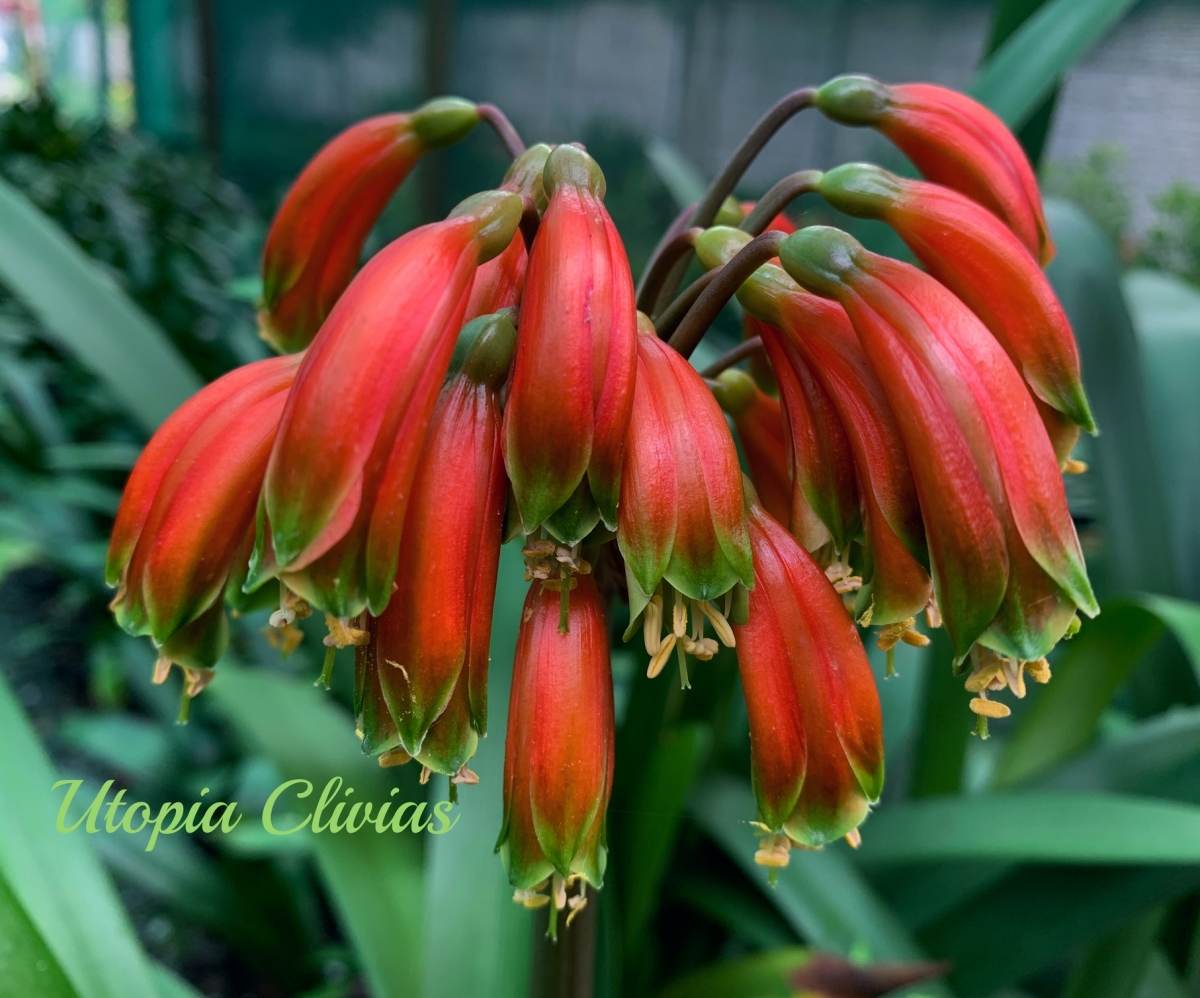
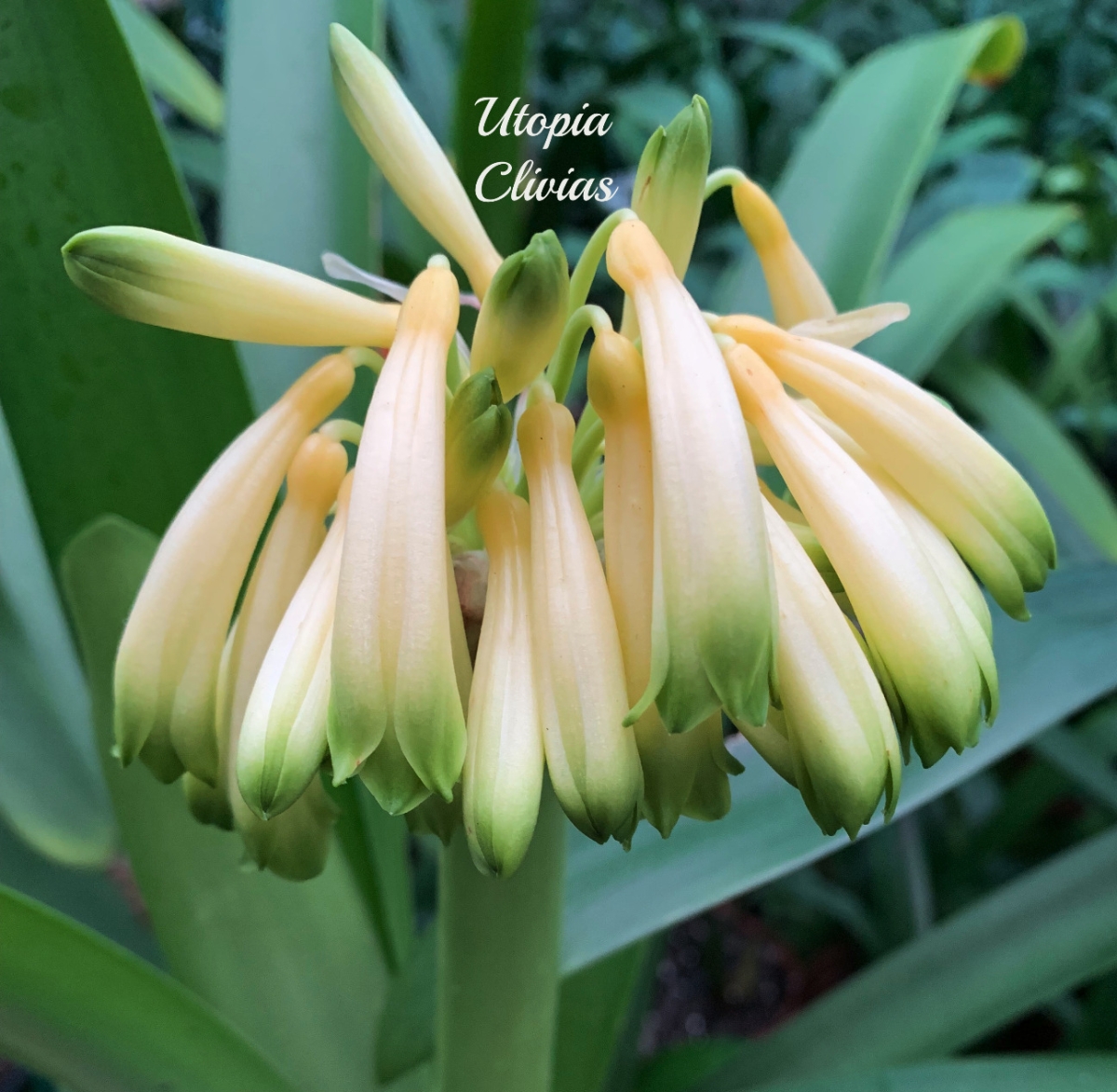
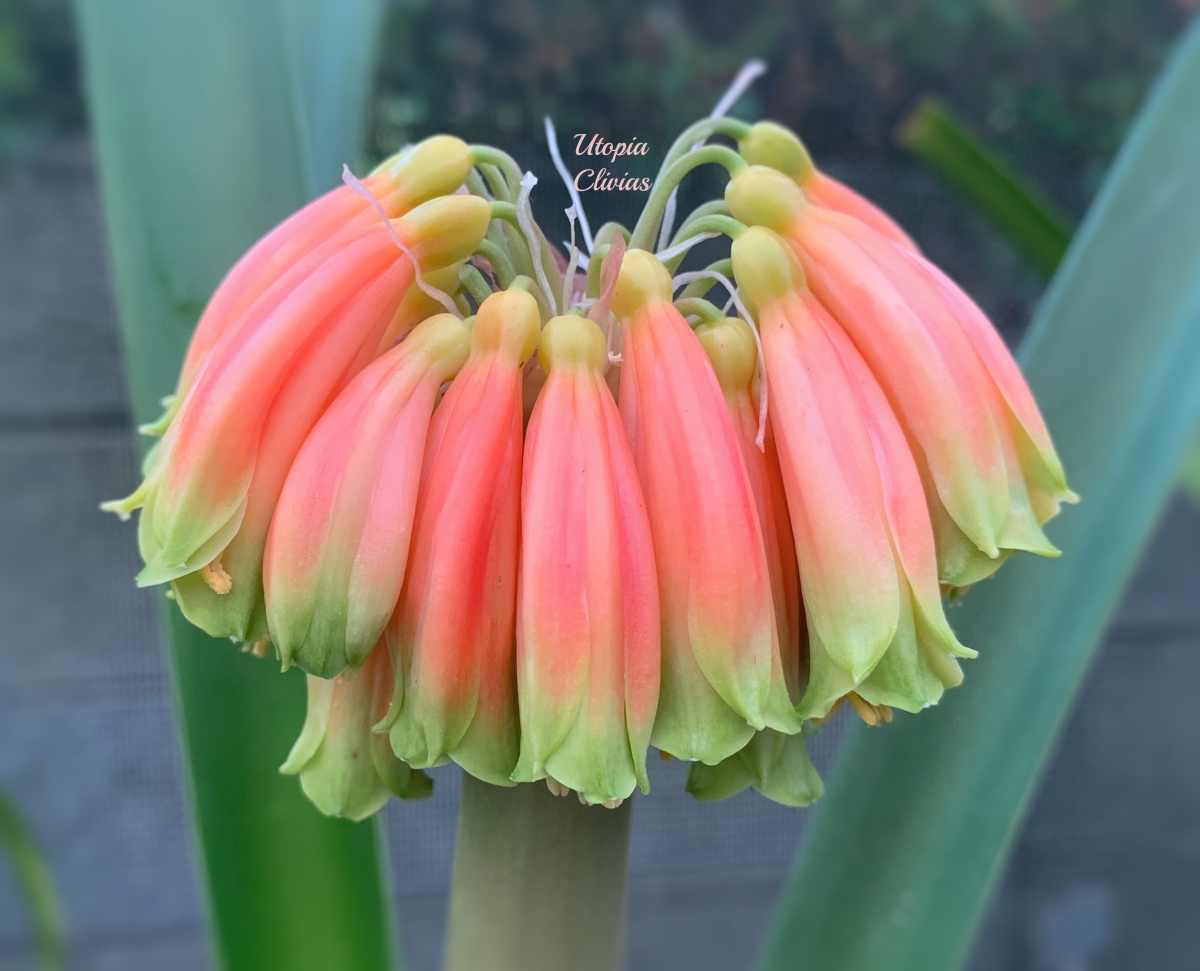
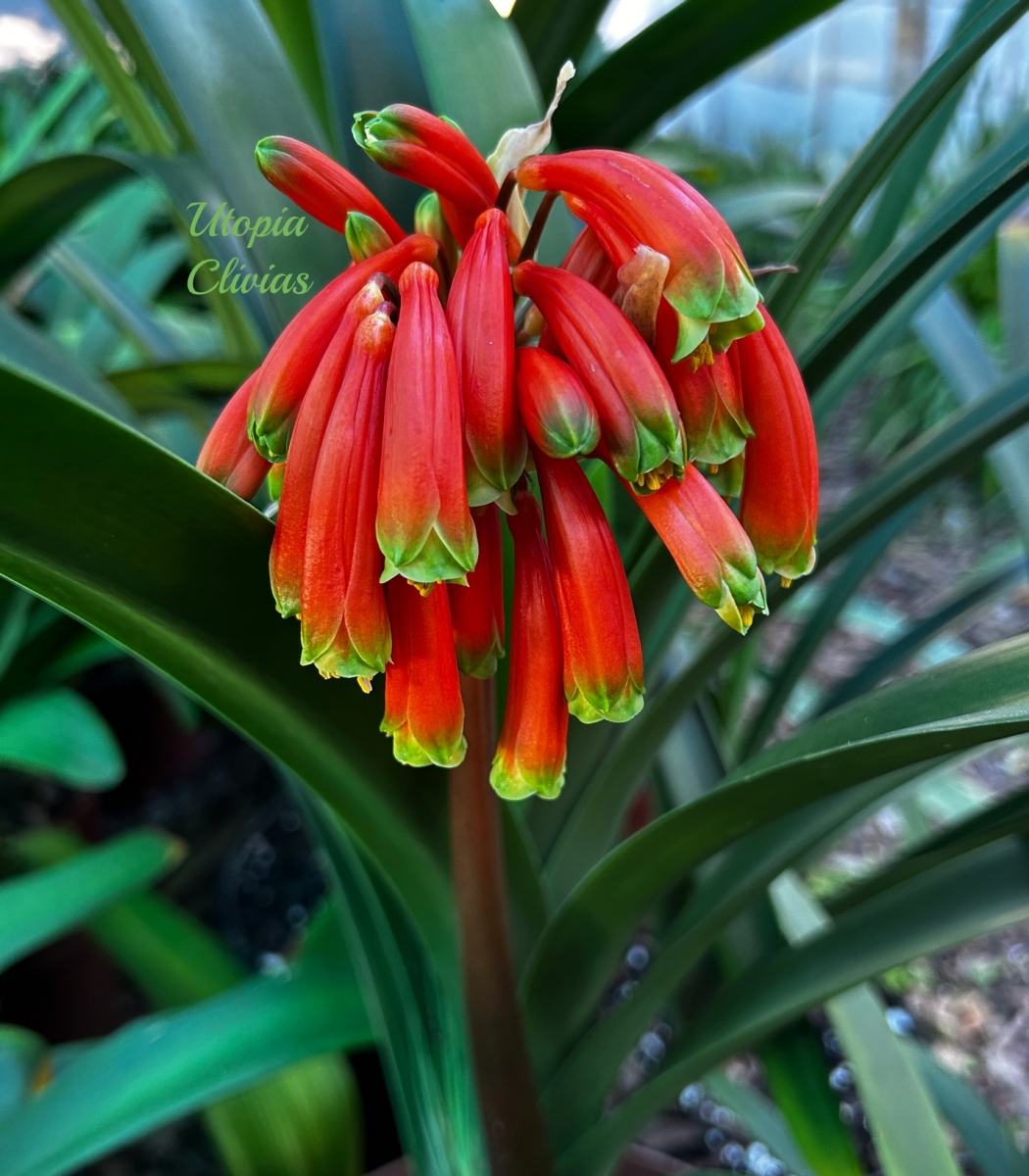
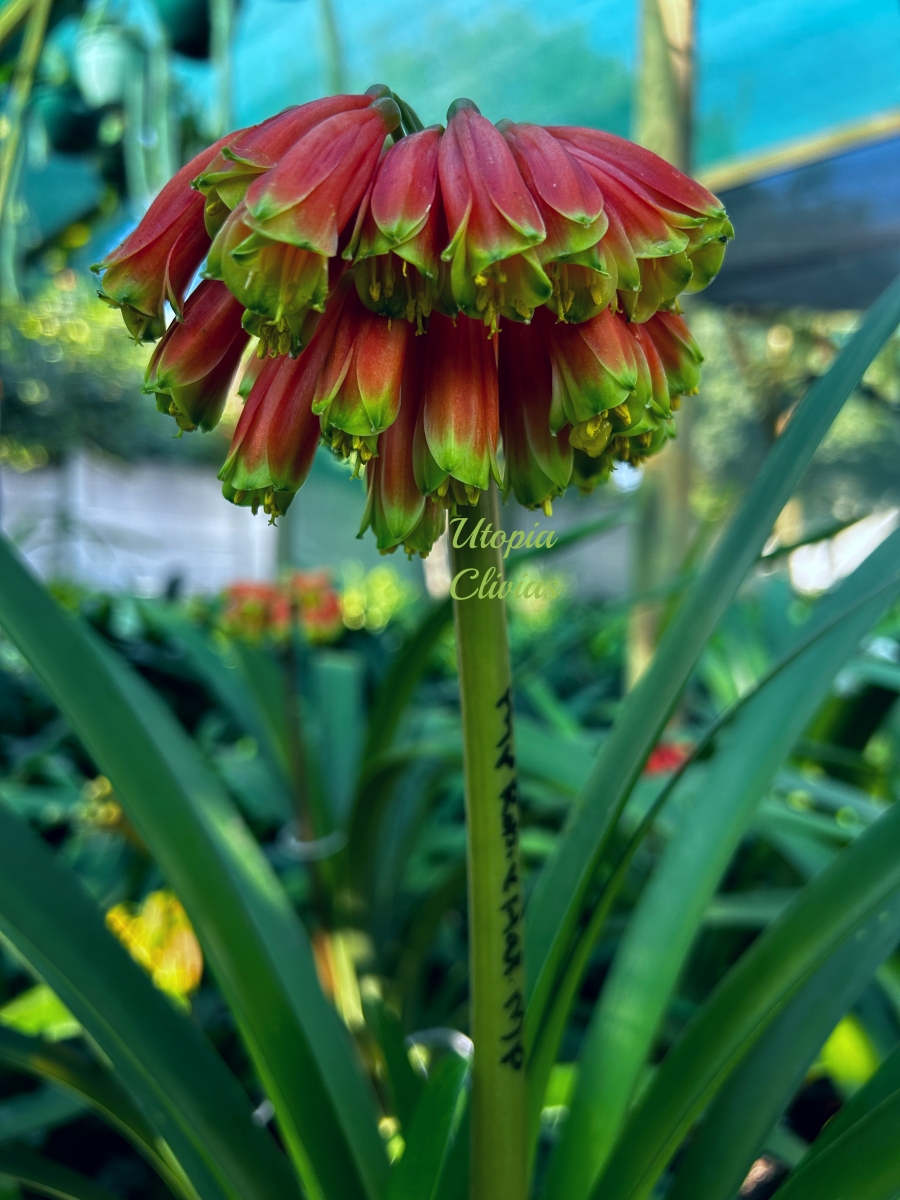
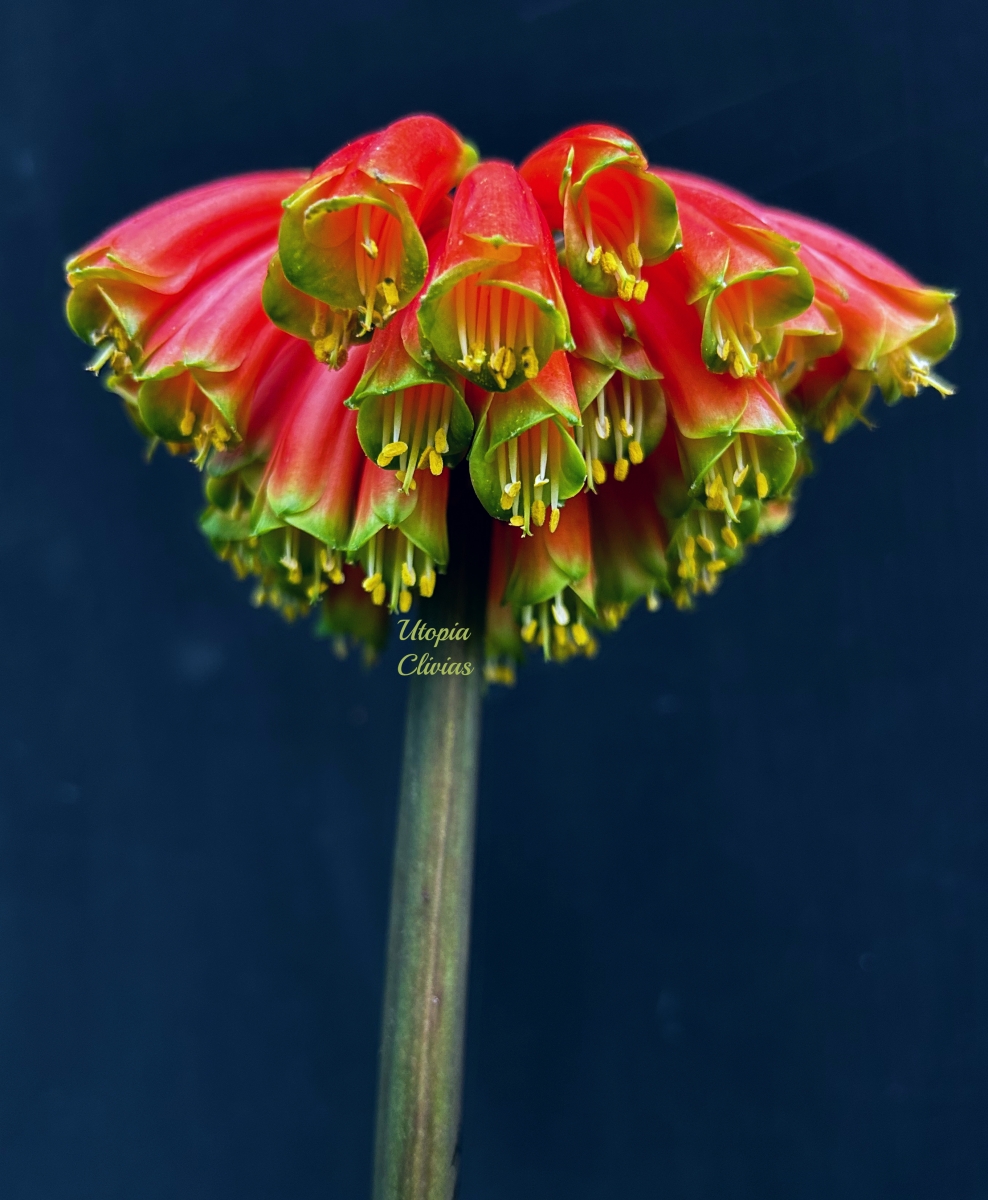
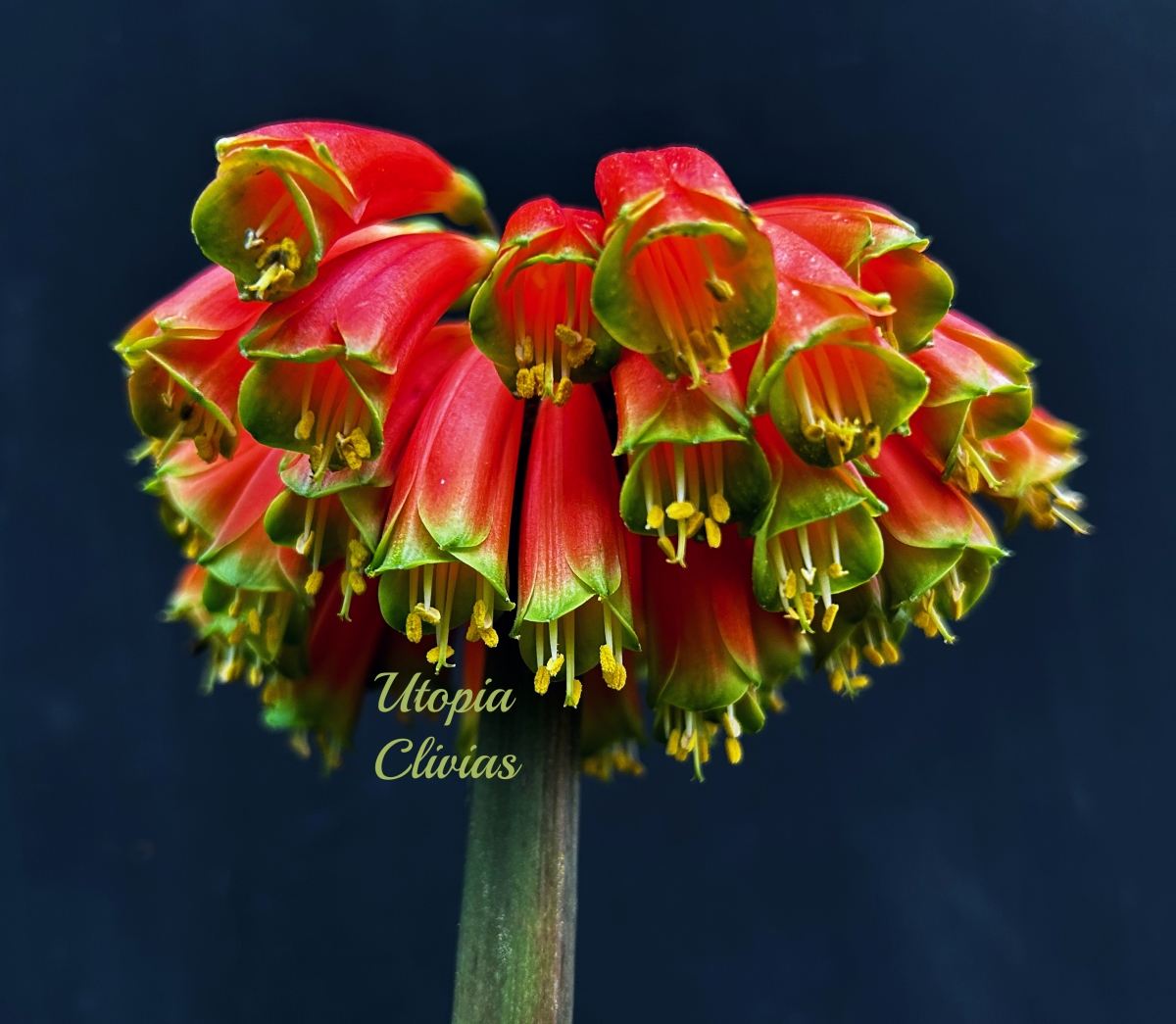
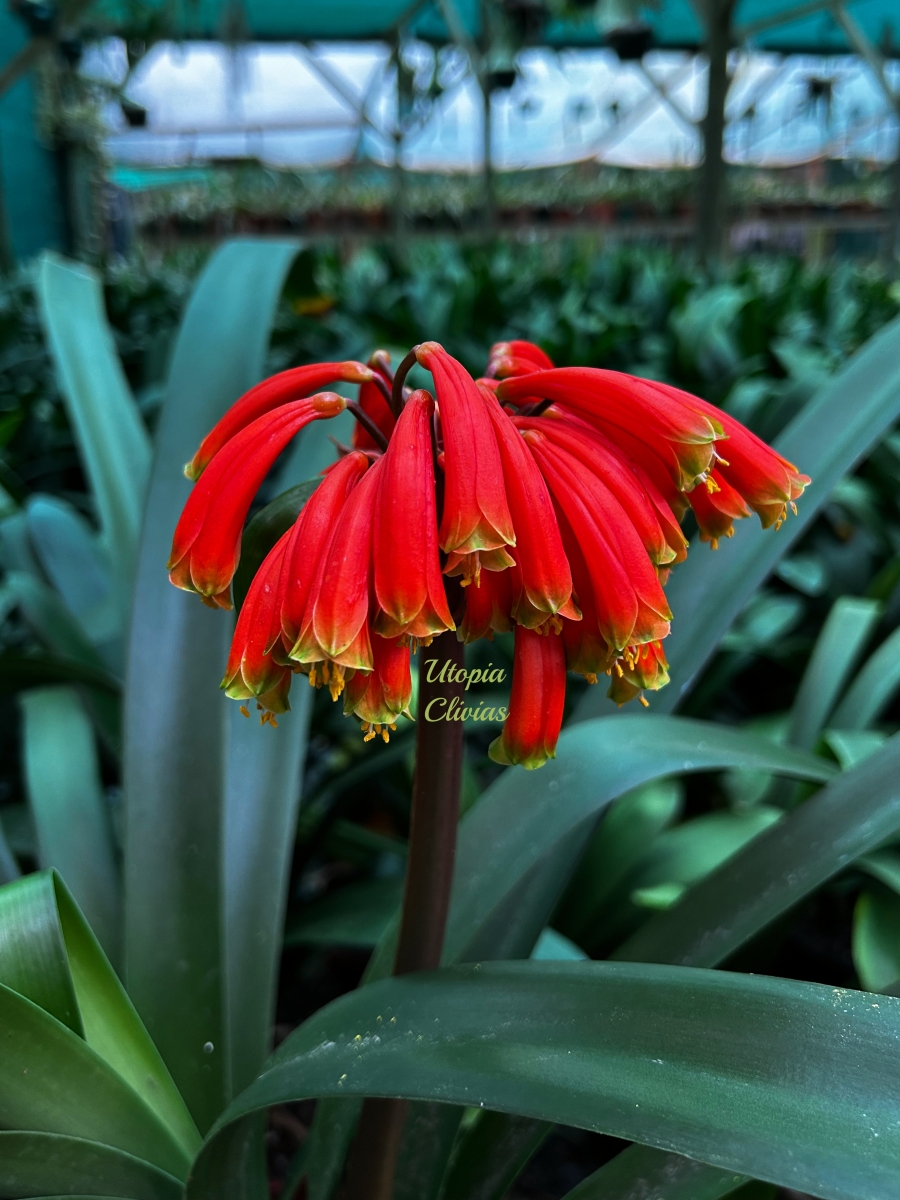
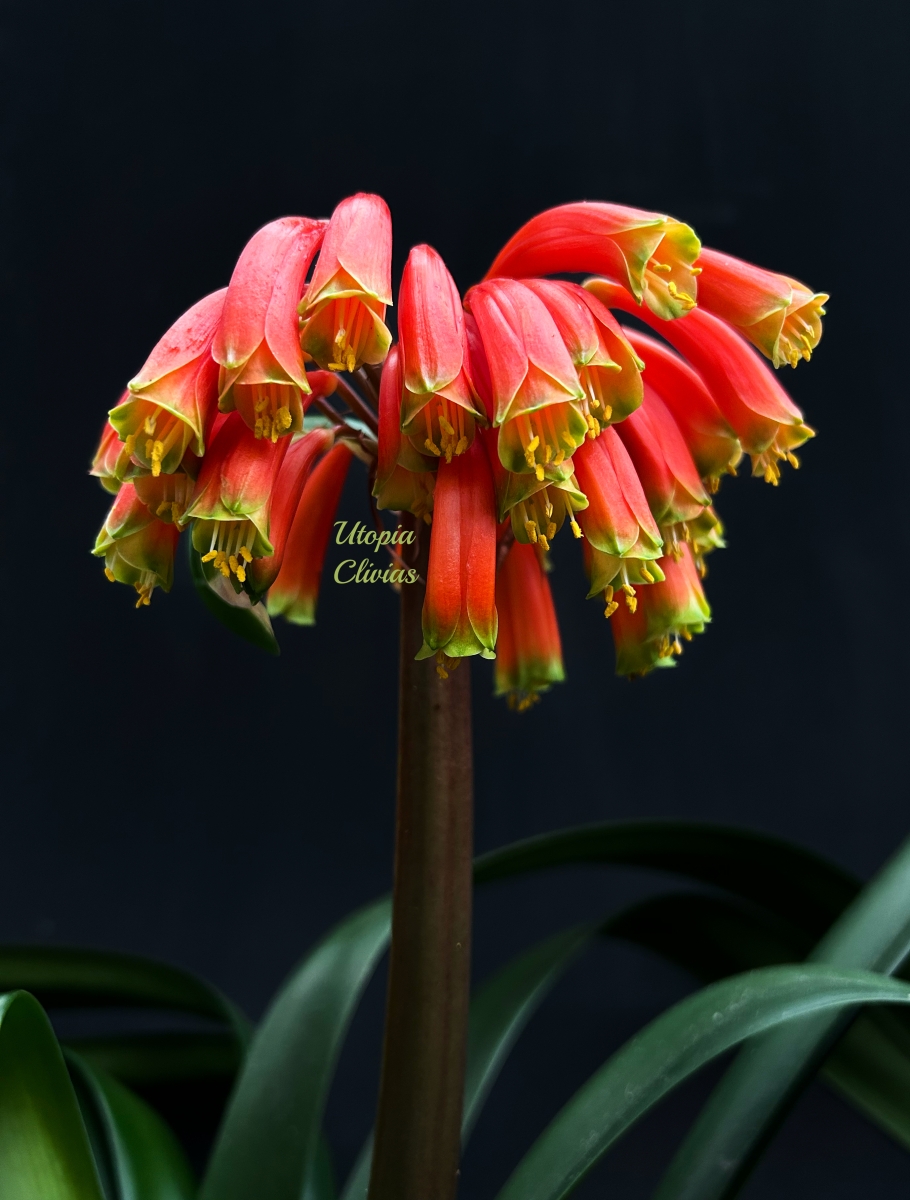
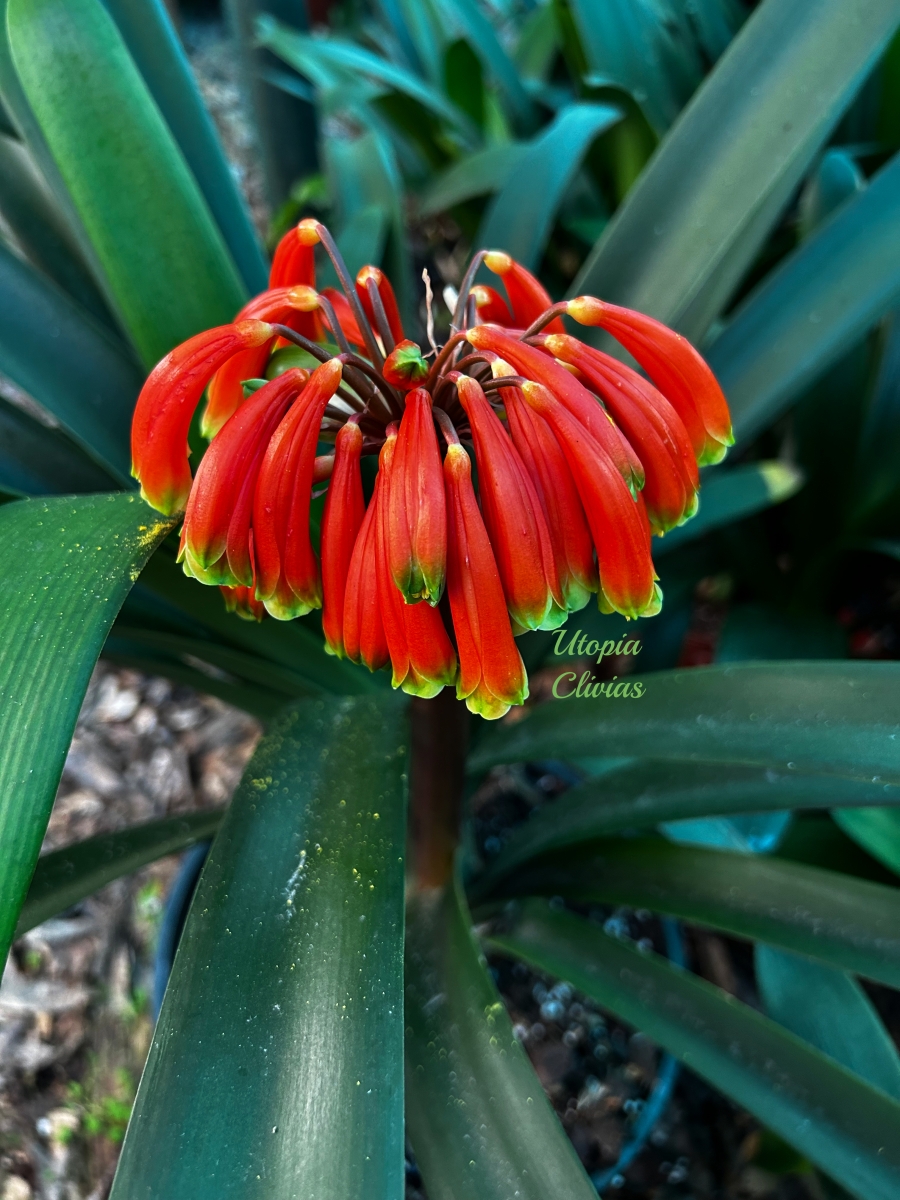
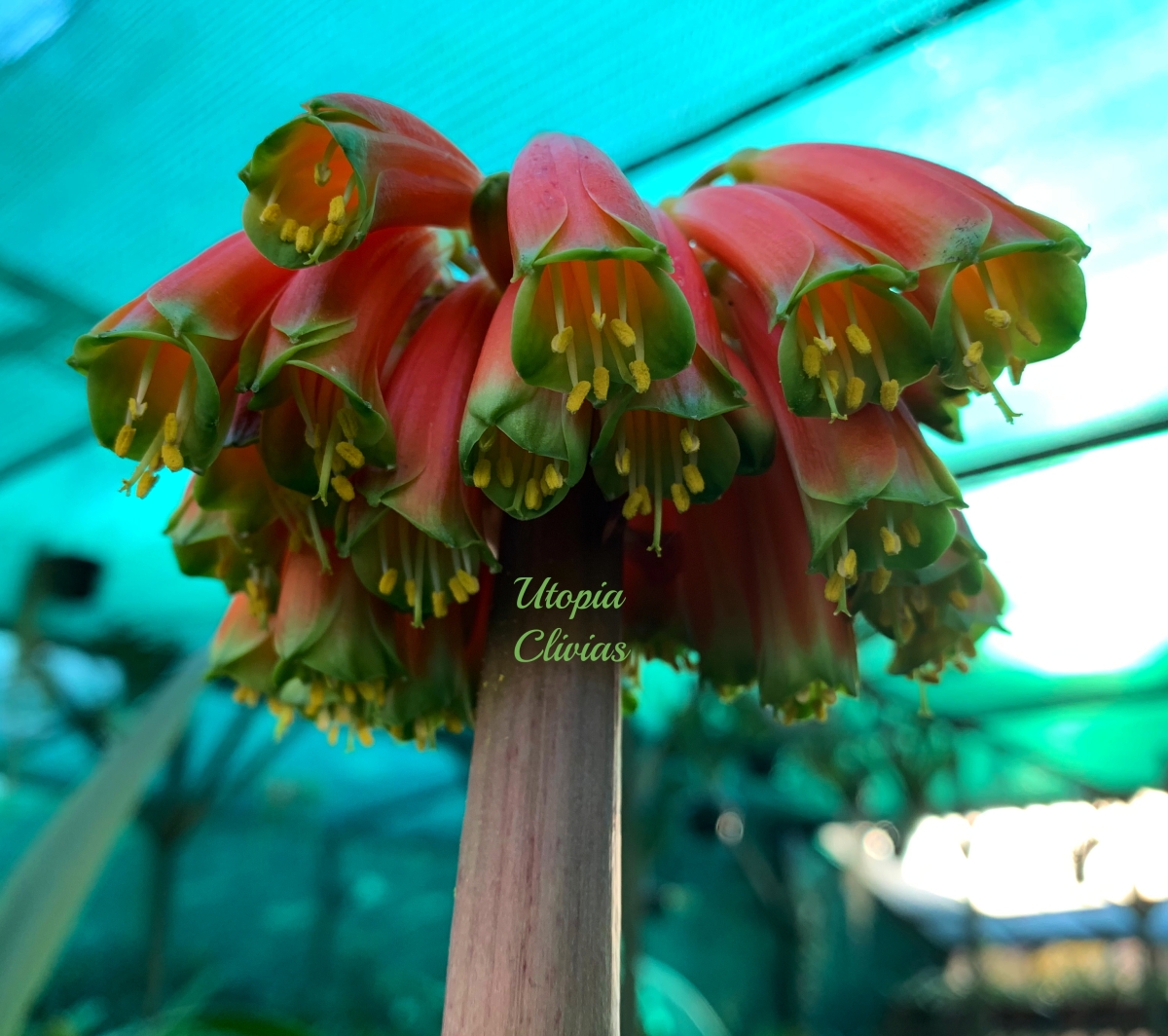
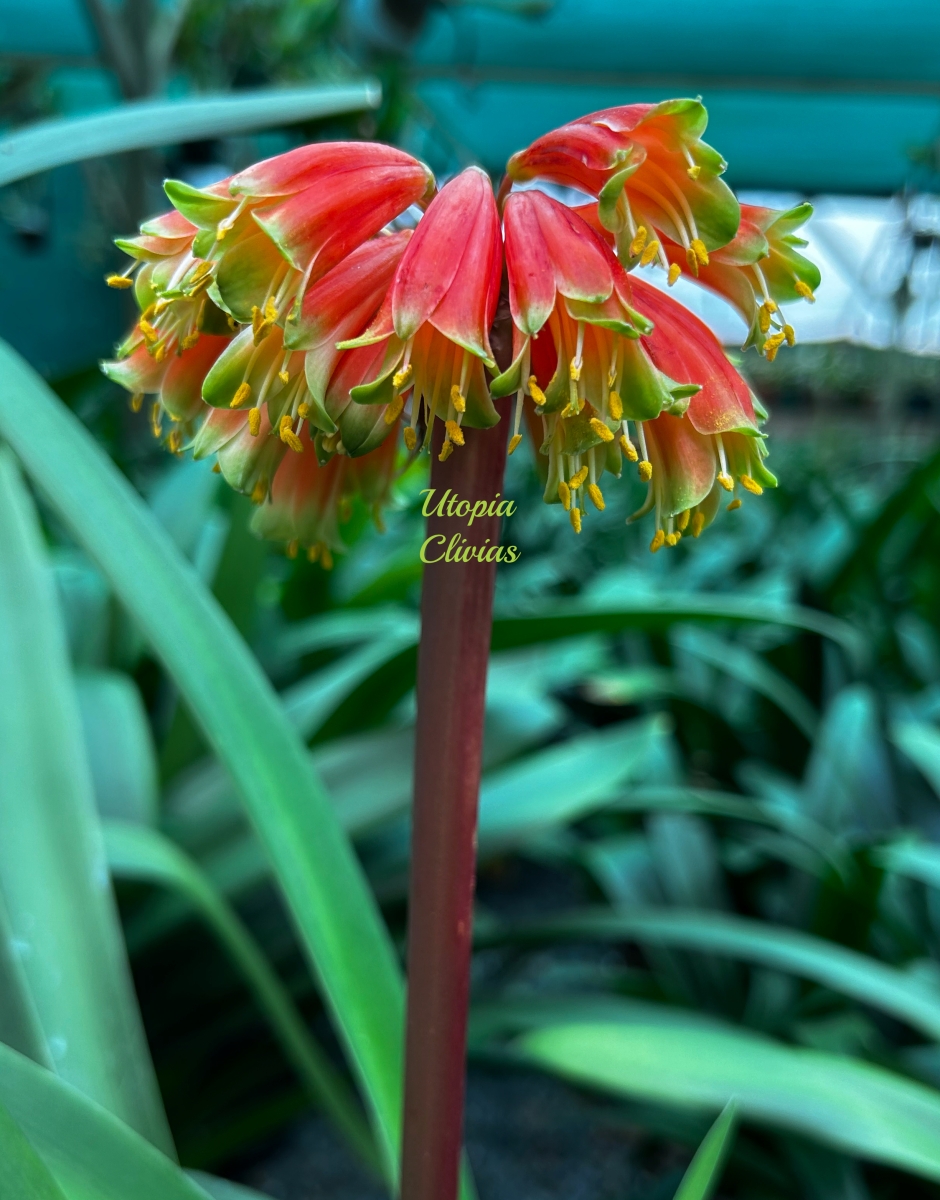
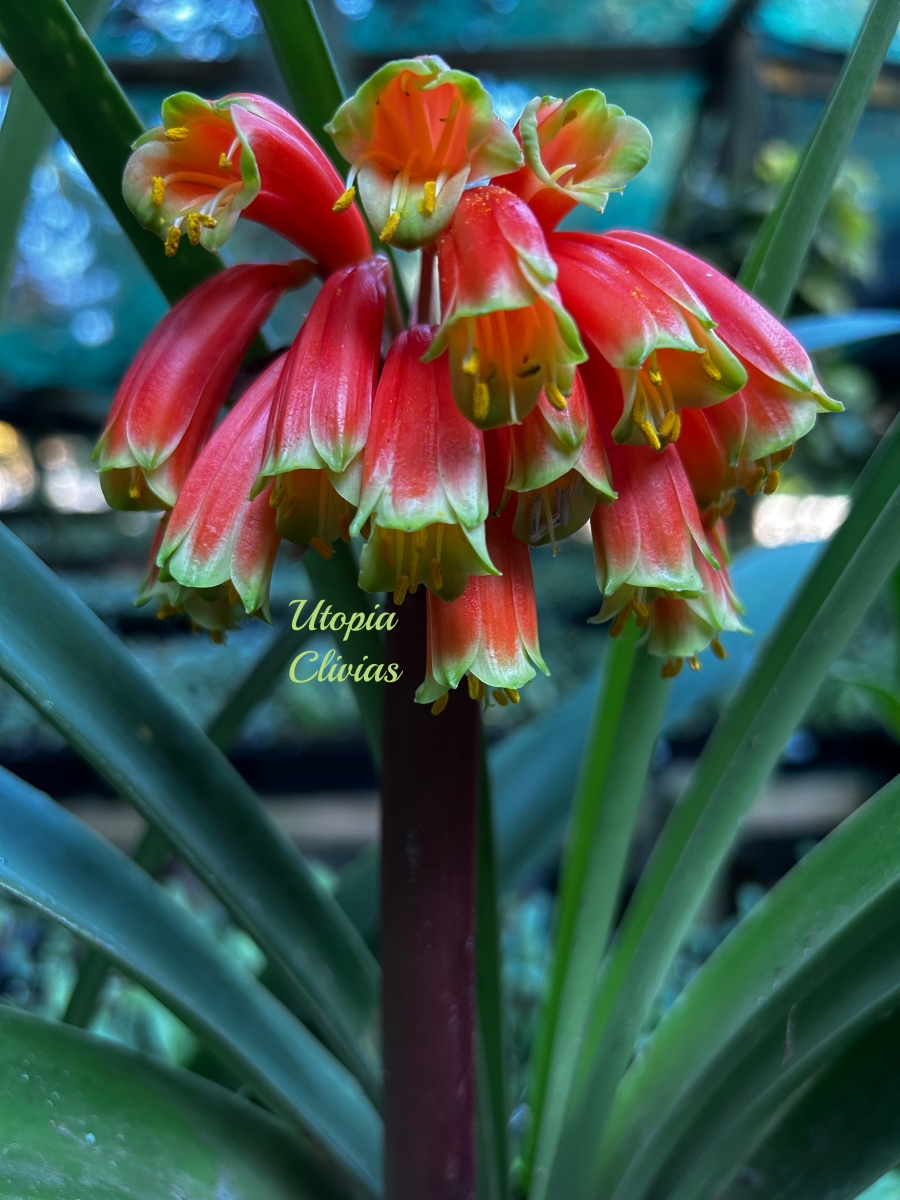
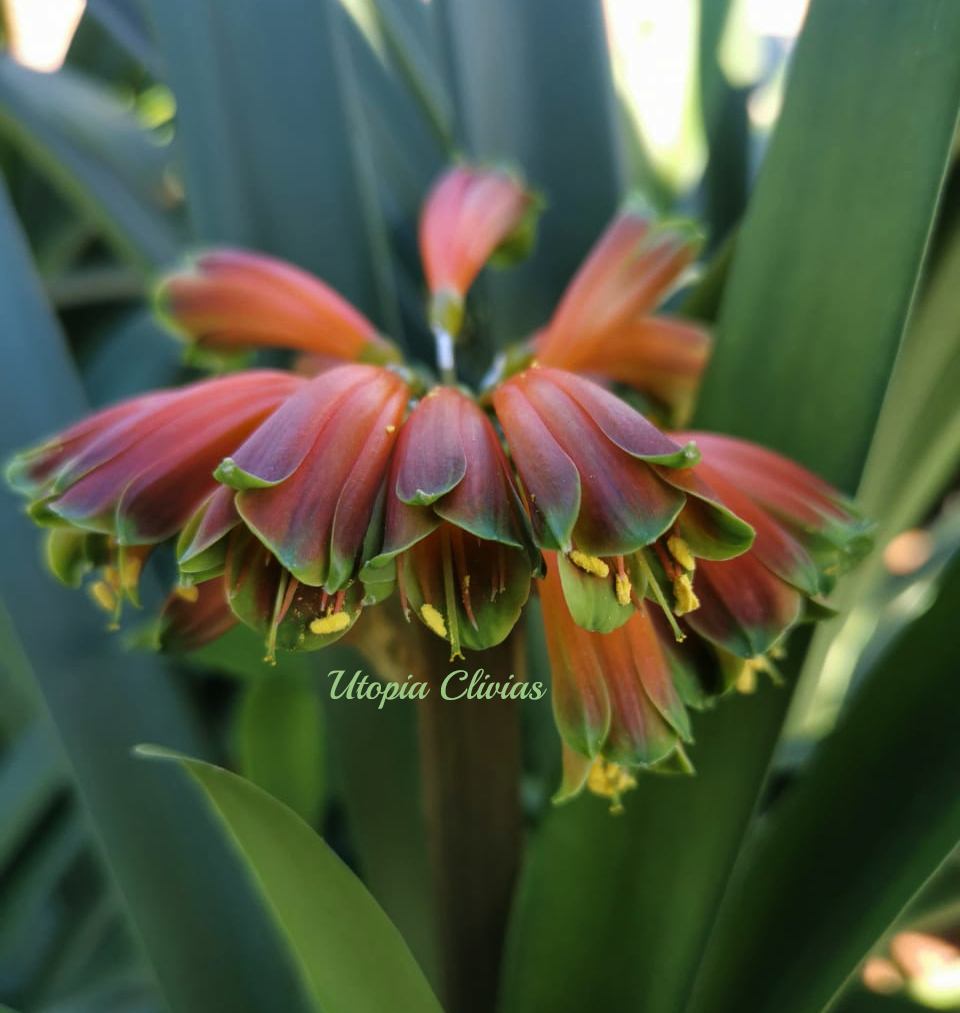
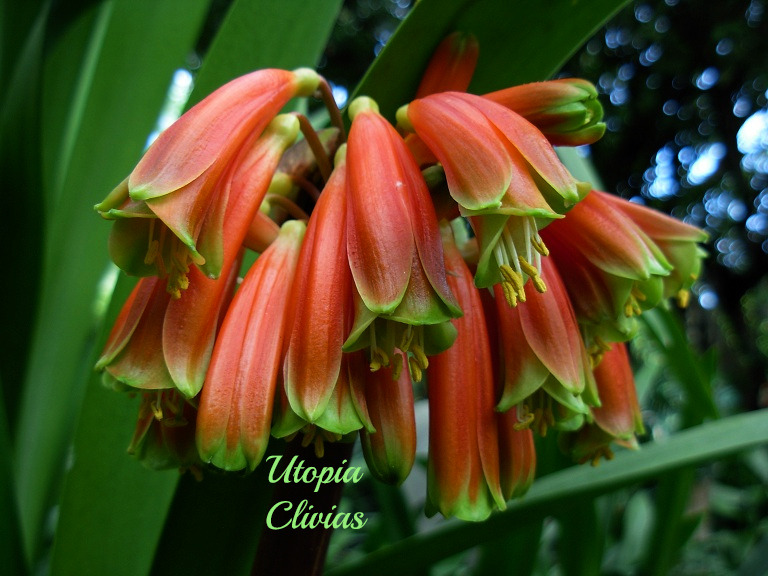
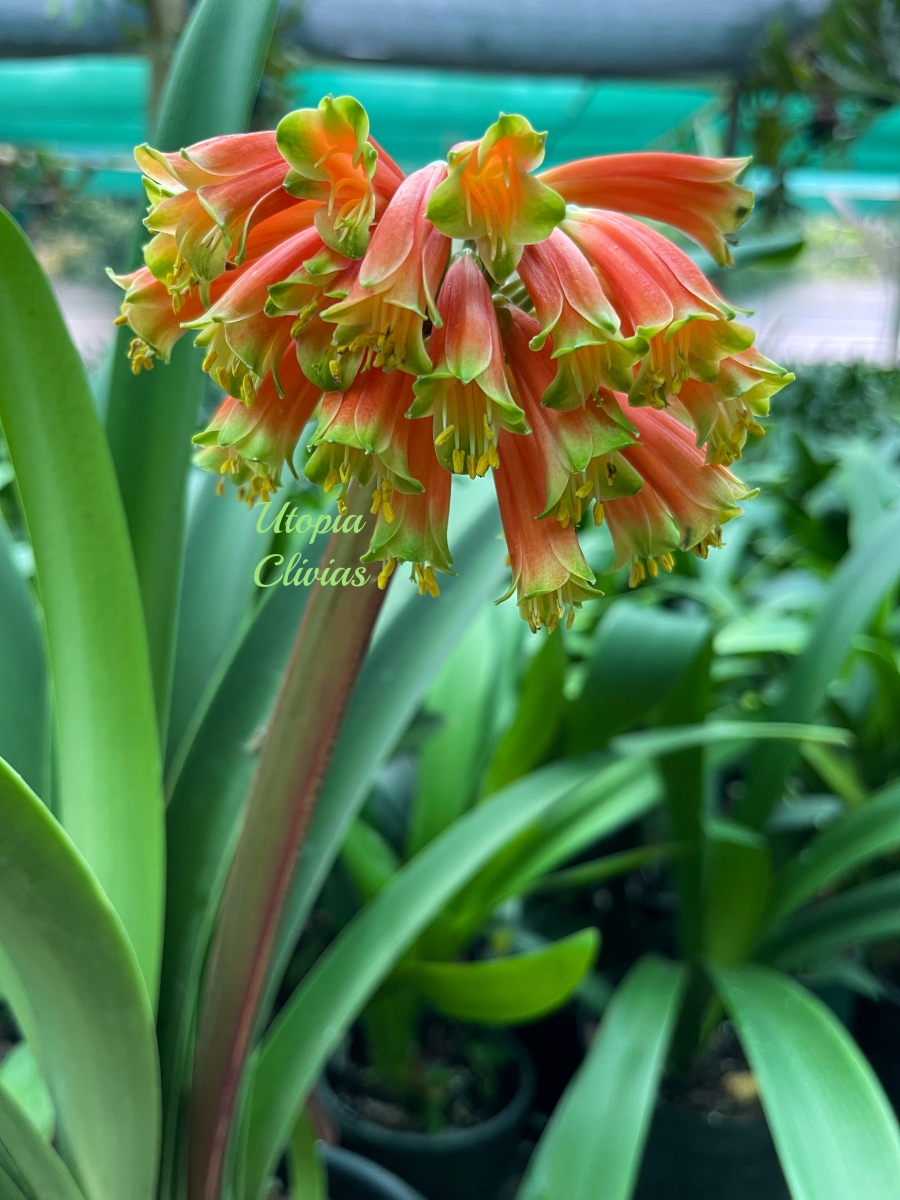
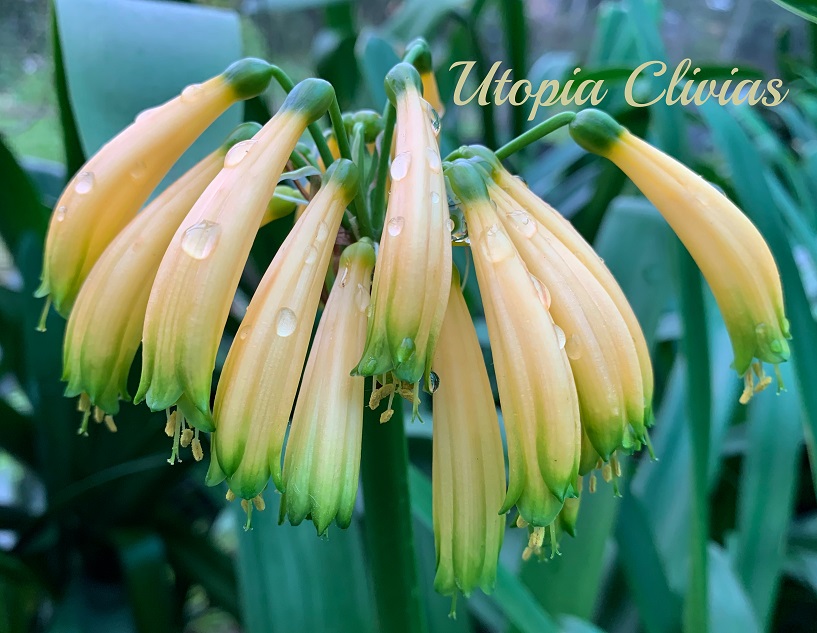
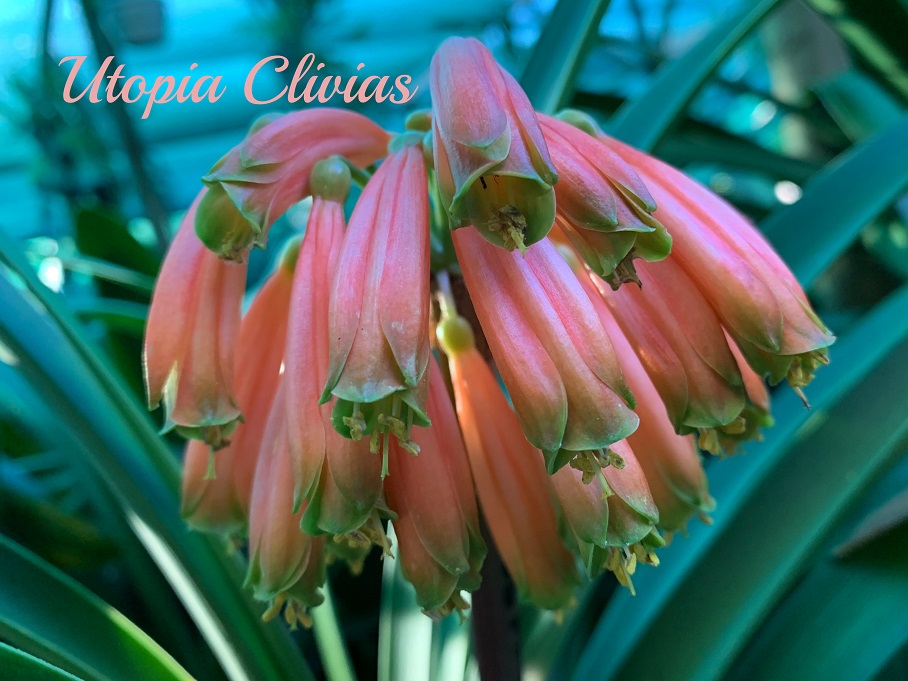
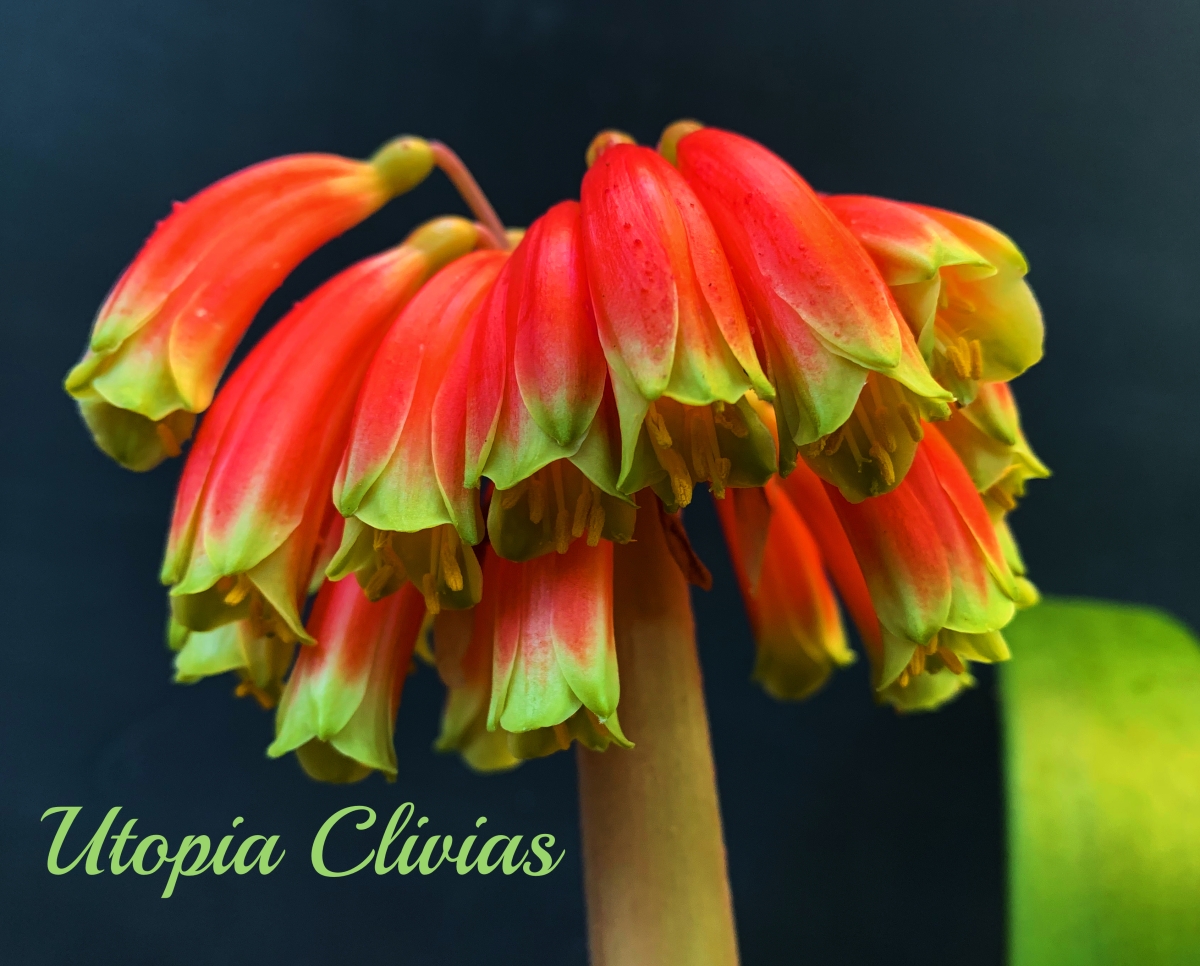
Clivia robusta produces pendulous, tubular flowers from April to July, flowering through autumn and early winter.
Flower characteristics include:
Orientation: pendulous
Shape: short and broad to long and narrow
Tips: typically green
Colours ranging from:
Yellow
Pale orange
Deep orange
Scarlet red
The species sets seed readily, and in natural colonies seedlings are often found carpeting the forest floor beneath mature plants.
Natural Habitat and Distribution
Clivia robusta occurs predominantly in Pondoland, forming part of the Maputaland–Pondoland biodiversity hotspot. Additional populations occur:
In the Southport area of KwaZulu-Natal
In parts of the Eastern Cape near Port St Johns
It grows primarily in:
Swamp forests
Along streams and seepage areas
Deep leaf mould beneath dense forest canopy
Occasionally in rocky sites removed from direct water sources
The pristine swamp forest colonies of southern KwaZulu-Natal are particularly remarkable, producing spectacular floral displays during the flowering season.
Flowering and Fruiting
Flowering occurs from April through July.
The berries require approximately 12–15 months to ripen, with each fruit typically containing one or two large seeds. The species reproduces freely in suitable habitat conditions.
Growers’ & Breeders’ Notes
Clivia robusta and Its Interspecific Potential
Clivia robusta is highly valued in breeding programmes due to:
Its vigorous growth habit
Strong vegetative structure
Pendulous flower form
Reliable seed production
Adaptation to high-moisture environments
In interspecific hybridisation, C. robusta contributes size, substance, and resilience. When crossed with other pendulous species such as Clivia gardenii or Clivia caulescens, it can enhance plant stature and improve tolerance to humid conditions.
Its confirmed genetic distinctiveness makes it an important species for maintaining diversity within modern Clivia breeding lines.
Conservation and Cultivation
As a species occurring within relatively restricted coastal and swamp forest habitats, Clivia robusta holds significant conservation value. Protection of natural populations is essential, particularly in Pondoland and southern KwaZulu-Natal where intact colonies still exist.
Responsibly propagated, seed-grown plants reduce pressure on wild populations while preserving this genetically distinct species in cultivation.
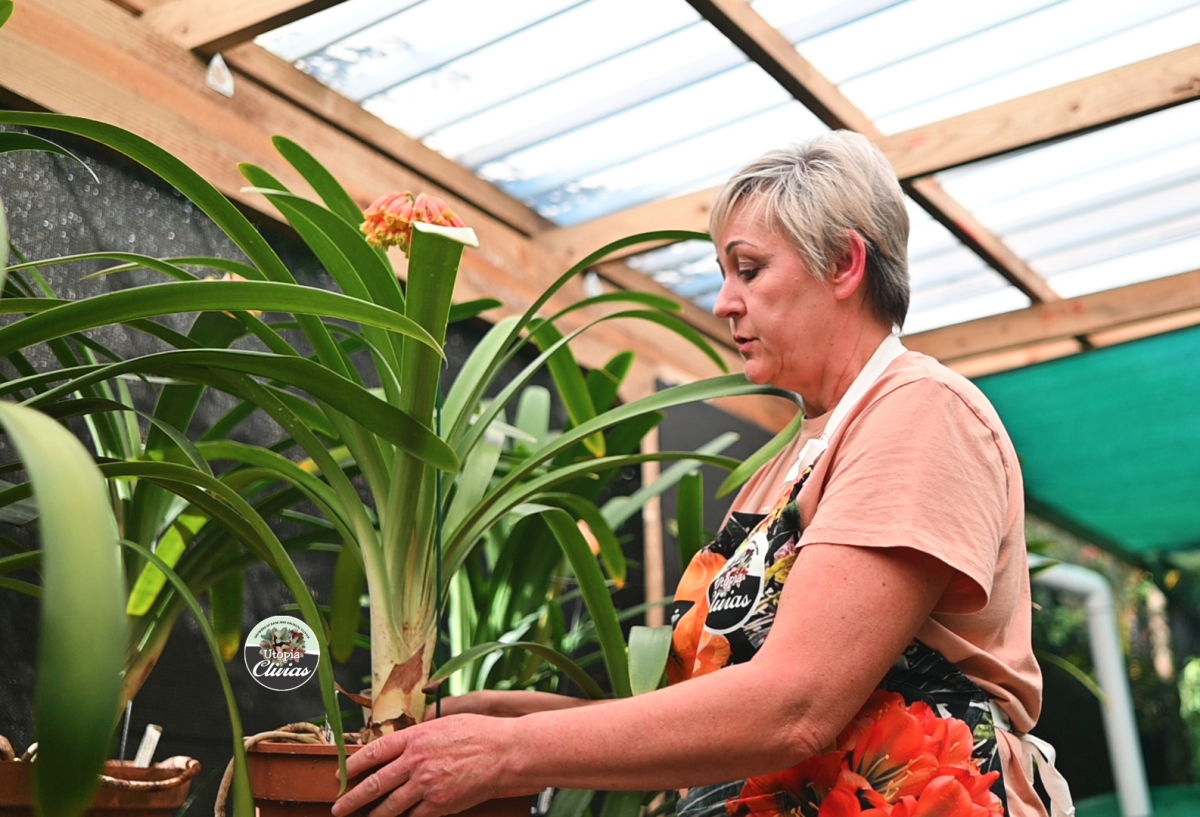
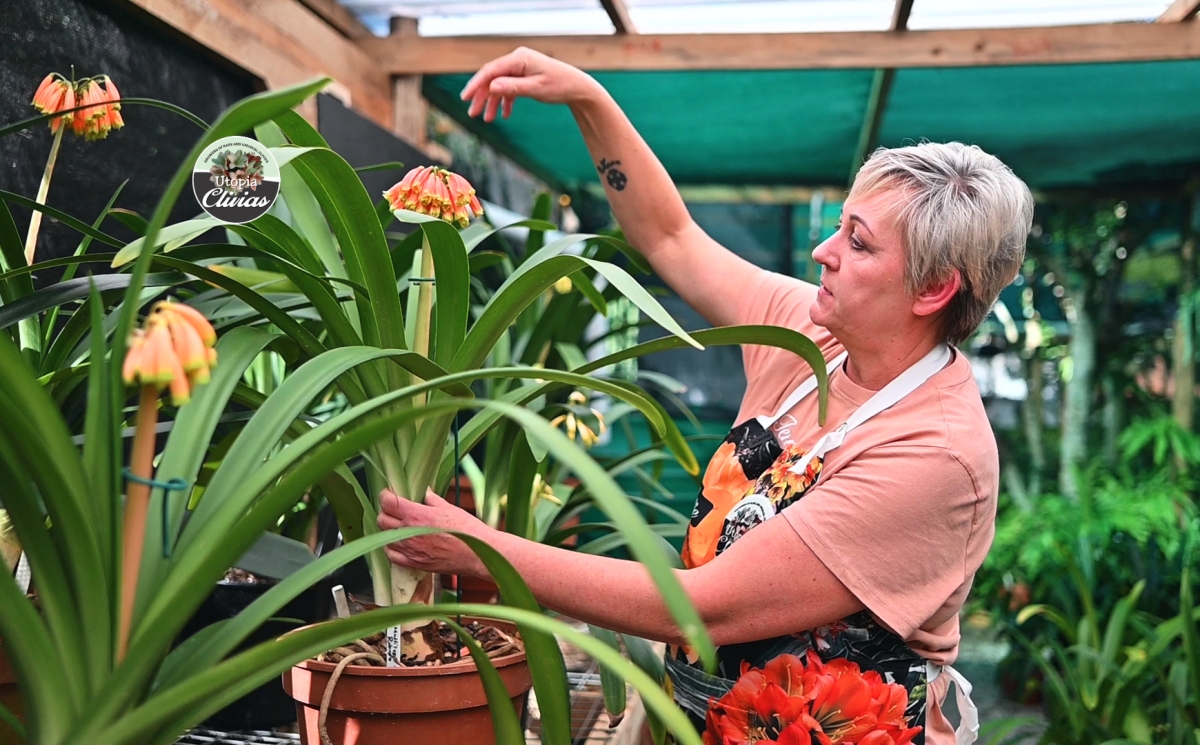
At Utopia Clivias, Clivia robusta is valued for its impressive stature, pendulous flowers, and breeding potential, particularly in the development of large-growing hybrids suited to moist, shaded garden conditions.