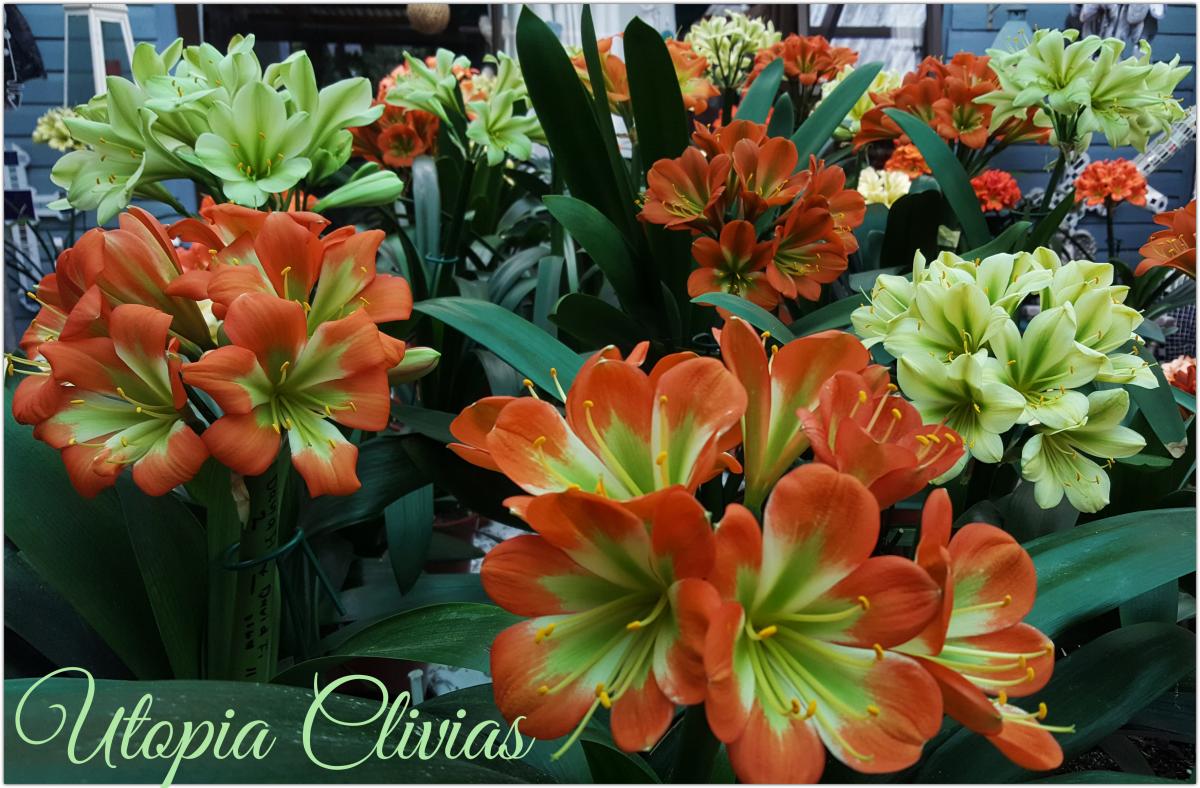
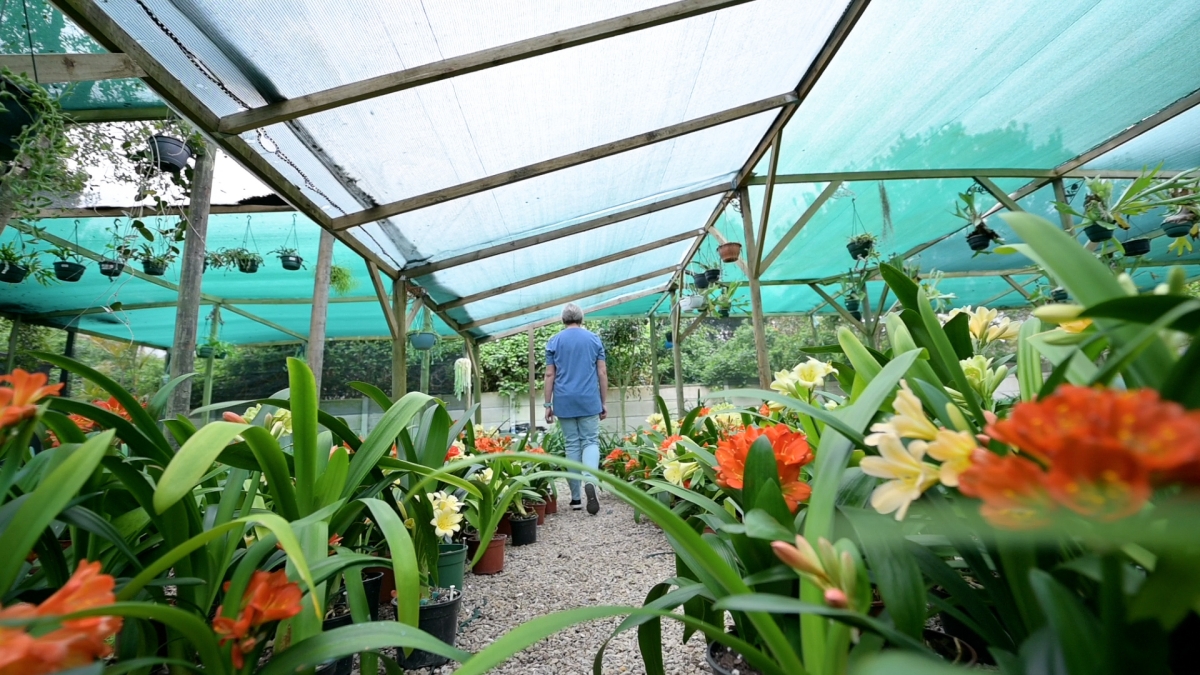
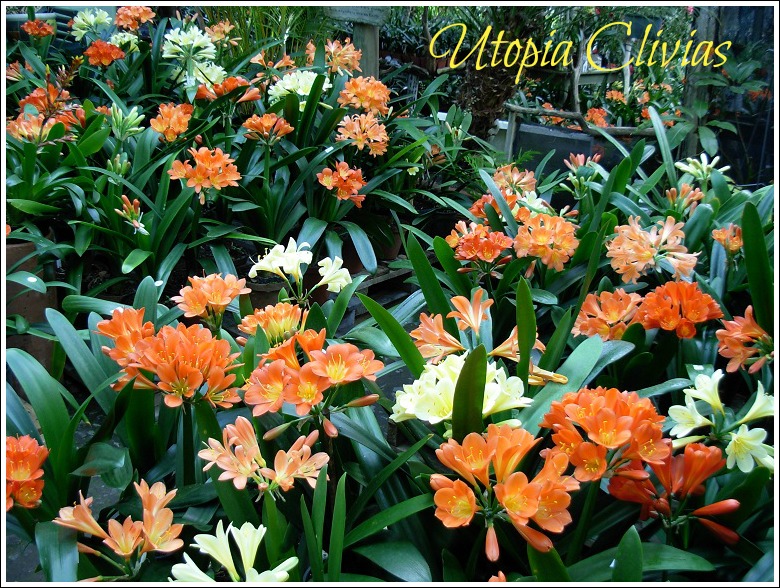
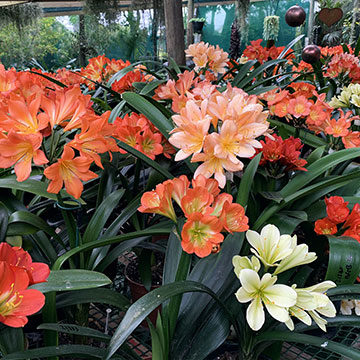
Clivias are among South Africa’s most treasured indigenous plants, celebrated worldwide for their bold, trumpet-shaped blooms and lush evergreen foliage. Belonging to the Amaryllidaceae family, the genus Clivia includes just six species, all naturally found only in South Africa and eSwatini. Despite their limited native range, Clivias have gained immense popularity globally, thanks to their wide variety of flower colours, unique hybrids, and ornamental charm.
These slow-growing, long-lived plants may take several years to bloom from seed—but the wait is worth it. With their show-stopping floral displays, long-lasting blooms, and adaptability, Clivias have become highly sought-after collector’s items.
Ideal Growing Conditions
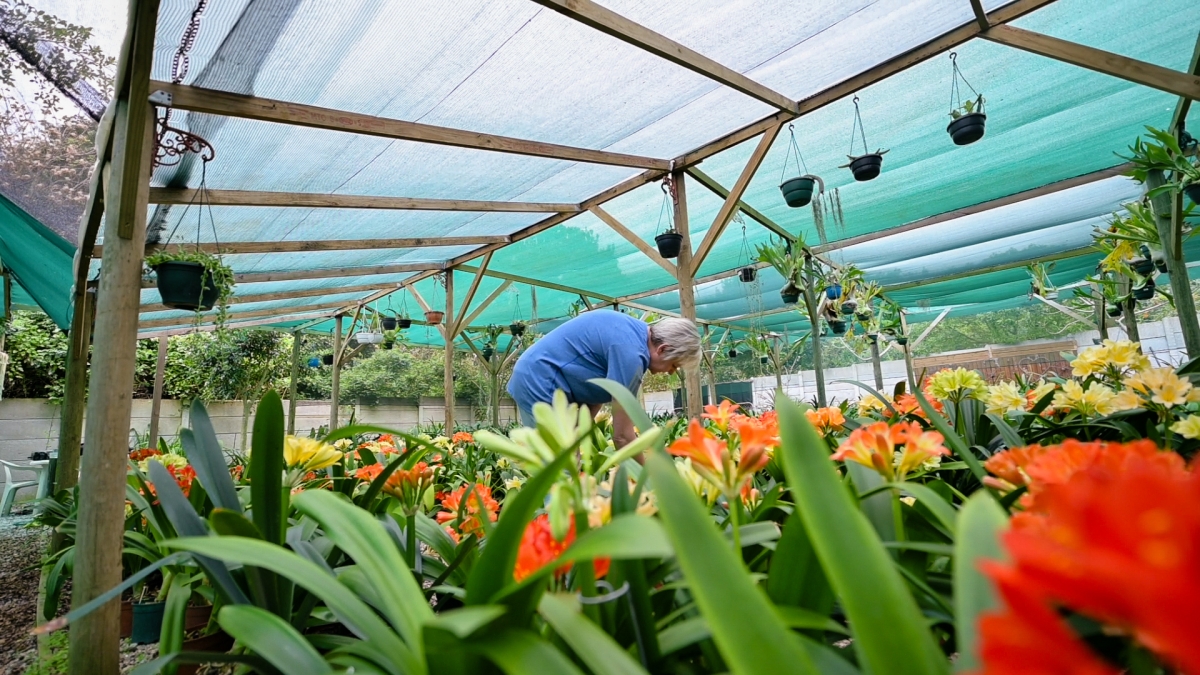
Clivias thrive in shady, frost-sheltered spots, making them perfect under evergreen trees, alongside other shade-loving plants, or in shaded garden beds. They are also excellent in containers, allowing easy repositioning. Avoid planting in hot afternoon sun, which can scorch the leaves.
For containers, ensure excellent drainage. Line the bottom with coarse materials like stone chips or broken terracotta before adding your soil mix. A suitable mix includes equal parts quality compost, coarse river sand, and fine pine bark. Local garden centres or nursery staff can help source these materials.
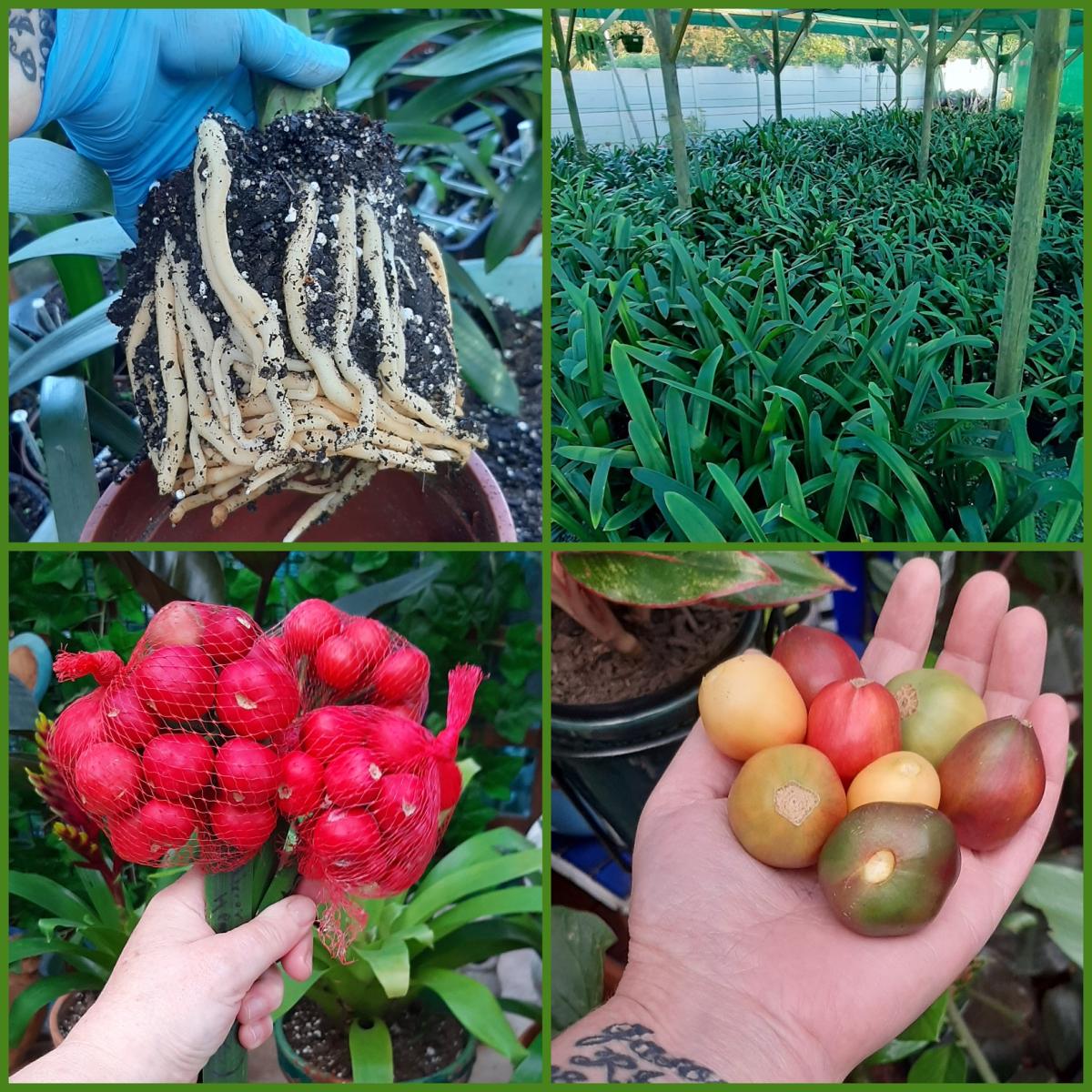
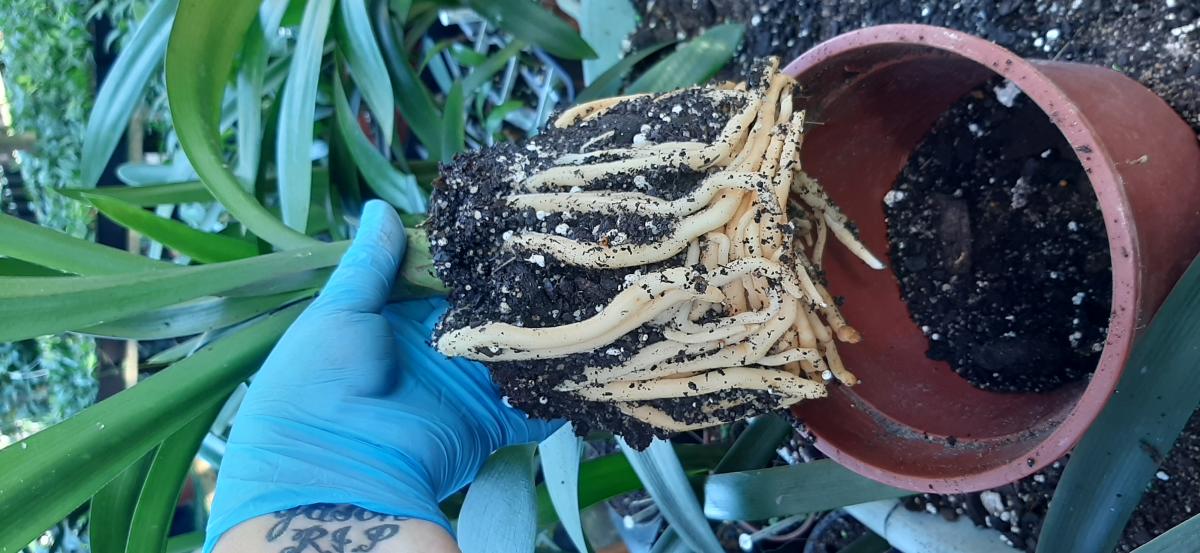
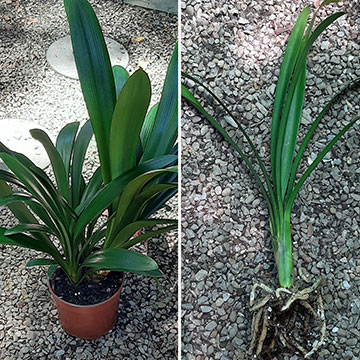
Clivias often flower best when slightly root-bound. Proper spacing in garden beds—about 50–60 cm apart—allows air circulation and strong growth.
Planting Your Clivias
Soil: Use well-draining soil rich in organic matter, topped with mulch to retain moisture.
Planting: Mix in Clivia mix and bonemeal when planting. For poor-draining soils, add river sand to improve aeration.
Containers: Combine equal parts potting soil and Clivia mix, with gravel at the base. Keep a mulch layer on top to mimic natural forest-floor conditions.
Feeding and Fertilising
Feed before and after flowering with a 3:1:5 fertiliser to encourage abundant blooms.
A monthly feed in spring and summer with an organic, slow-release fertiliser keeps plants healthy.
Use a liquid seaweed supplement when buds begin forming for an extra bloom boost.
Avoid feeding during winter, when the plant is semi-dormant.
Watering and Drought Tolerance
Clivias are surprisingly drought-tolerant once established—but overwatering can cause root rot. Always allow the soil to dry slightly between waterings, and water more frequently in hot weather, ensuring the soil stays moist but not soggy.
Flowering and Maintenance Tips
Cut flower stalks after blooming if you’re not collecting seed—this conserves plant energy.
Watch for amaryllis caterpillars and other pests; use a biological insecticide when needed.
Divide every 3–5 years, after flowering. Keep divisions in clumps of 3–5 rhizomes to encourage flowering the next season.
Container vs Garden Planting
Whether you have a single Clivia in bloom or a shady garden bed, these plants reward you year after year. Mass planting in shady areas creates a stunning display, while container plants allow flexibility in placement and care.
Summary
Clivias are low-maintenance, long-lived plants that bring beauty, colour, and structure to your garden or indoor spaces. With the right planting, feeding, watering, and pest control, your Clivias will thrive and produce magnificent blooms for decades, creating a lasting legacy of floral elegance.