The Beauty of Pink and Pastel Clivias
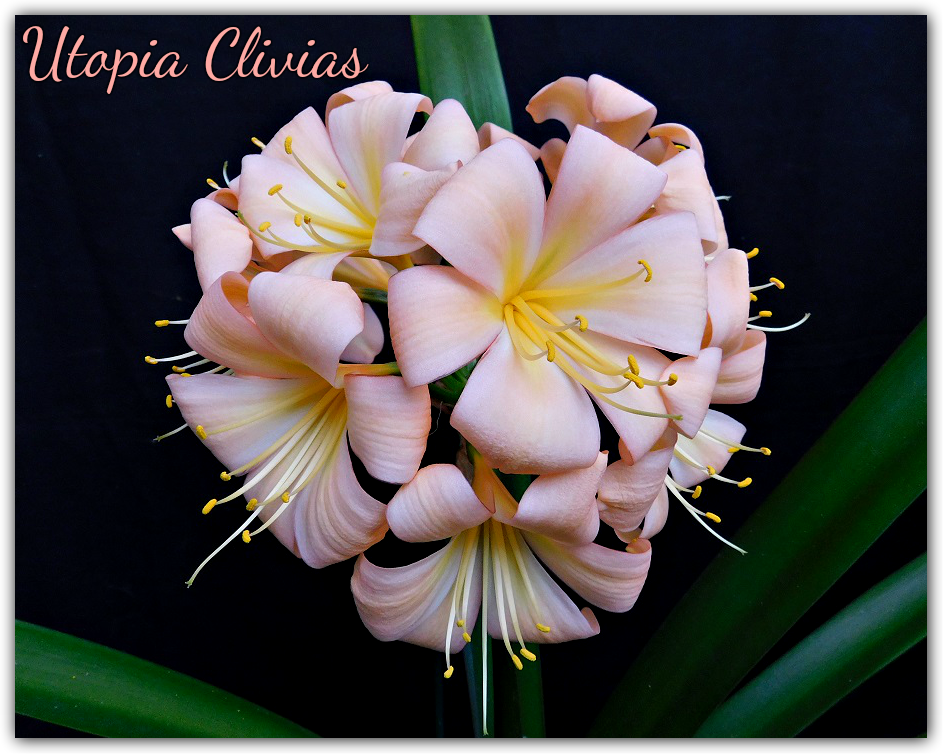
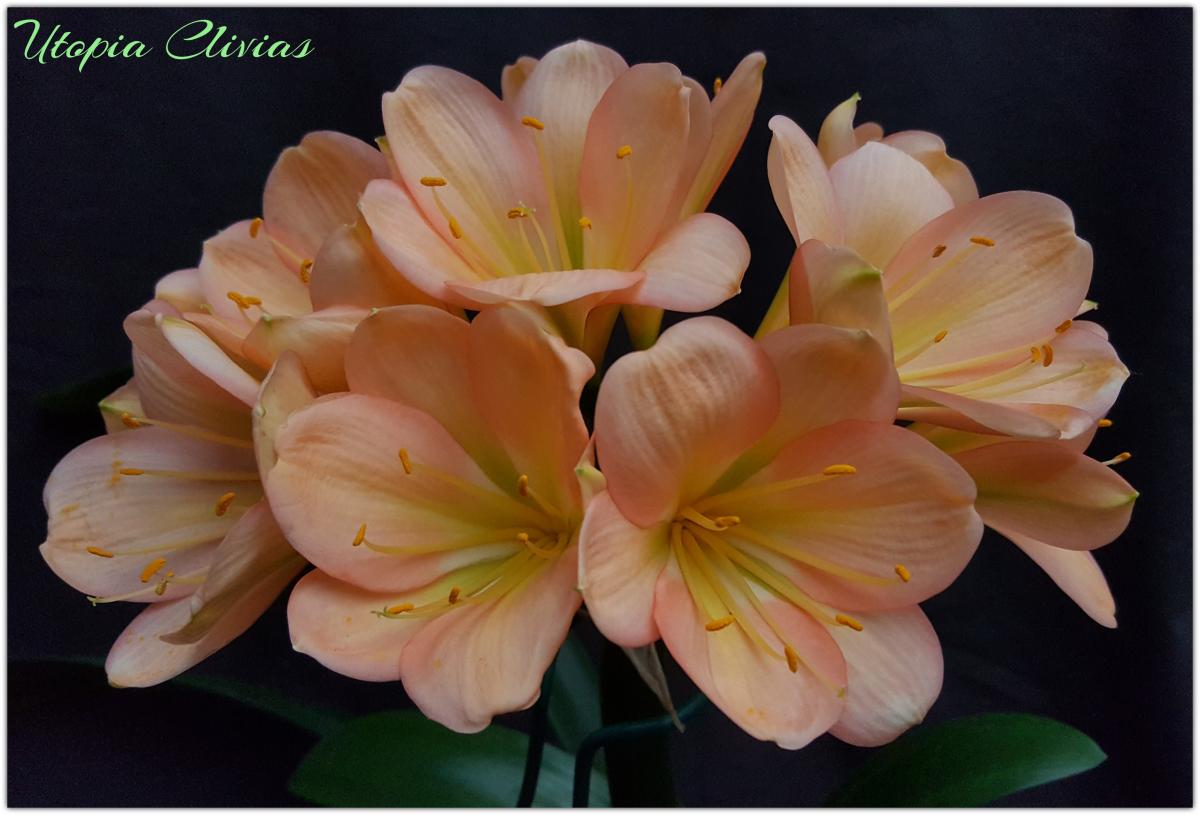
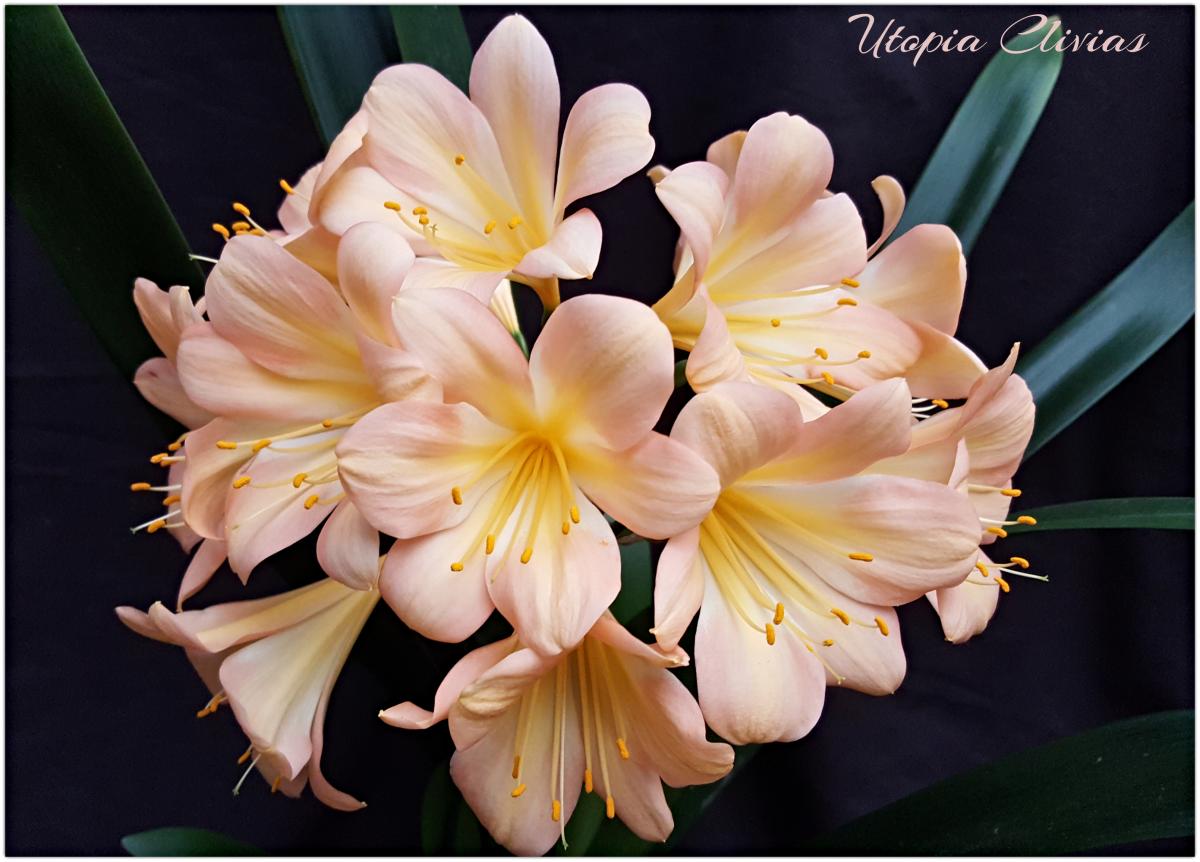
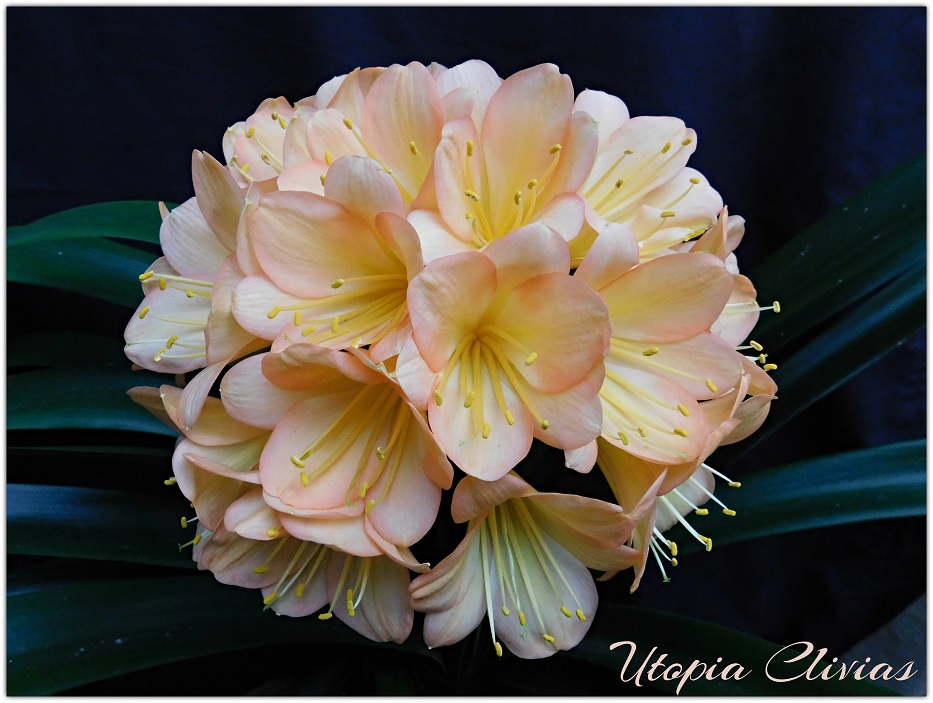
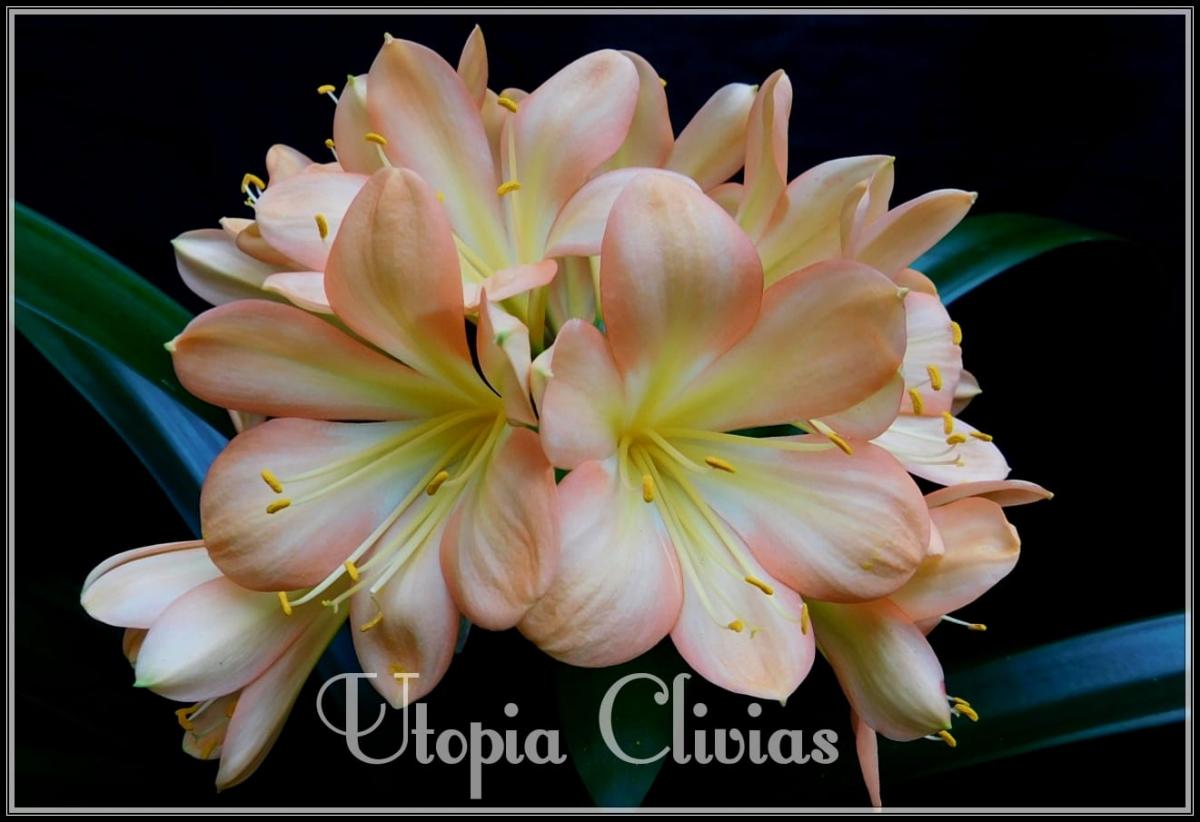
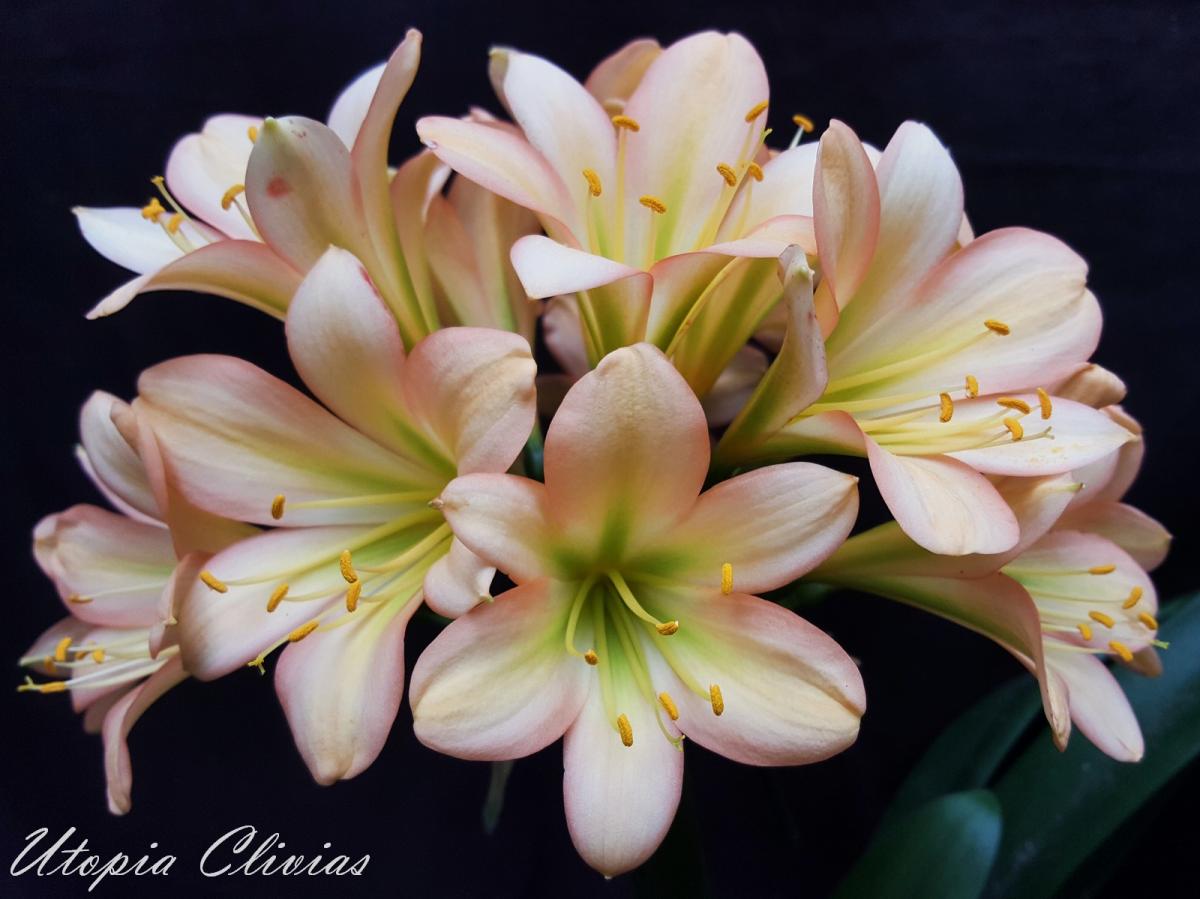
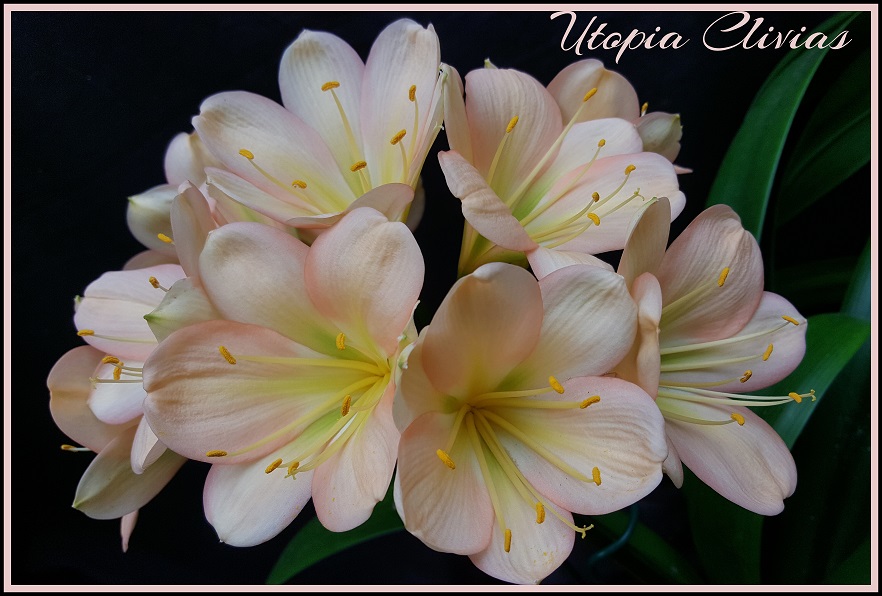
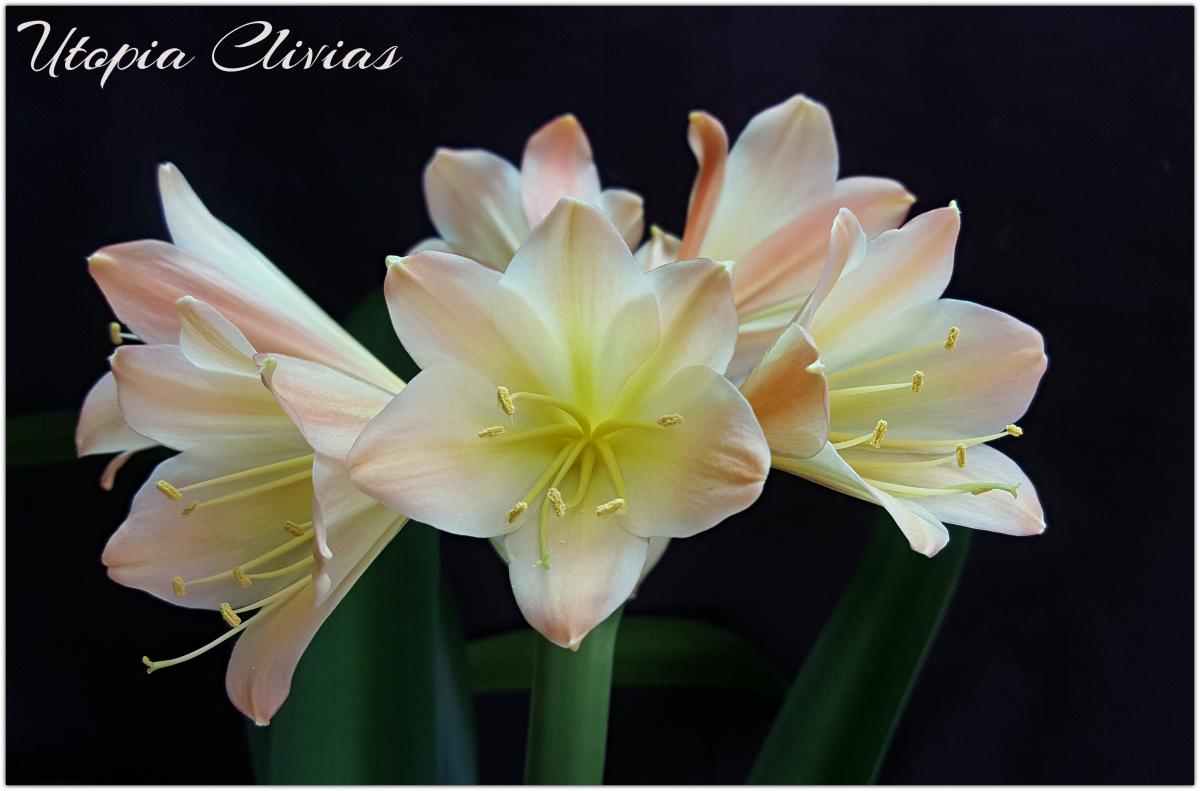
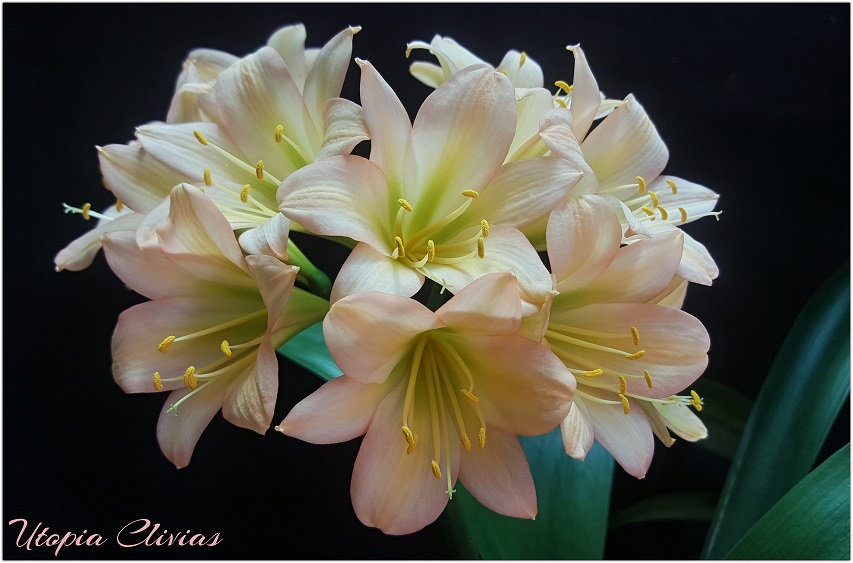
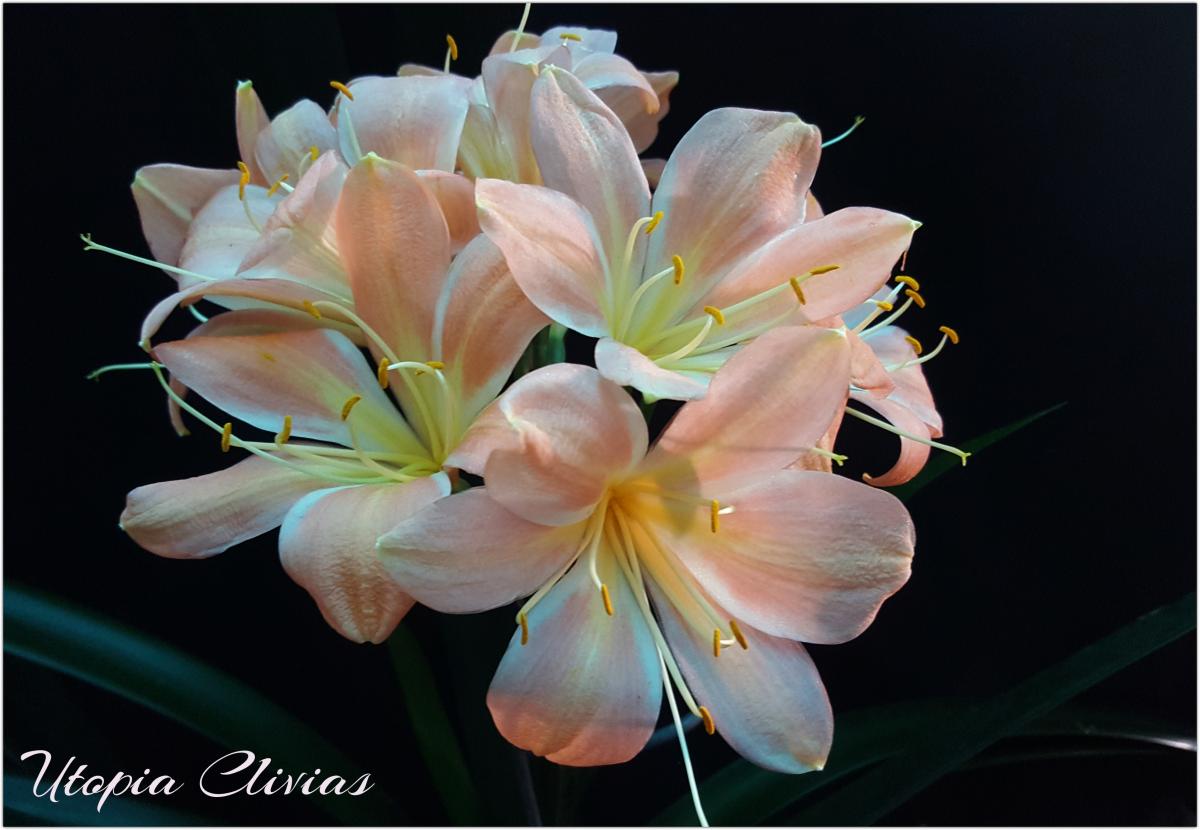
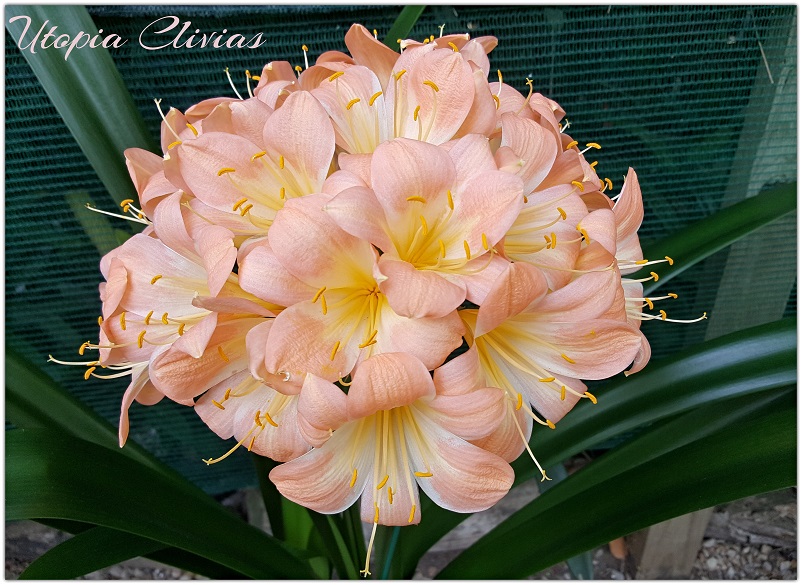
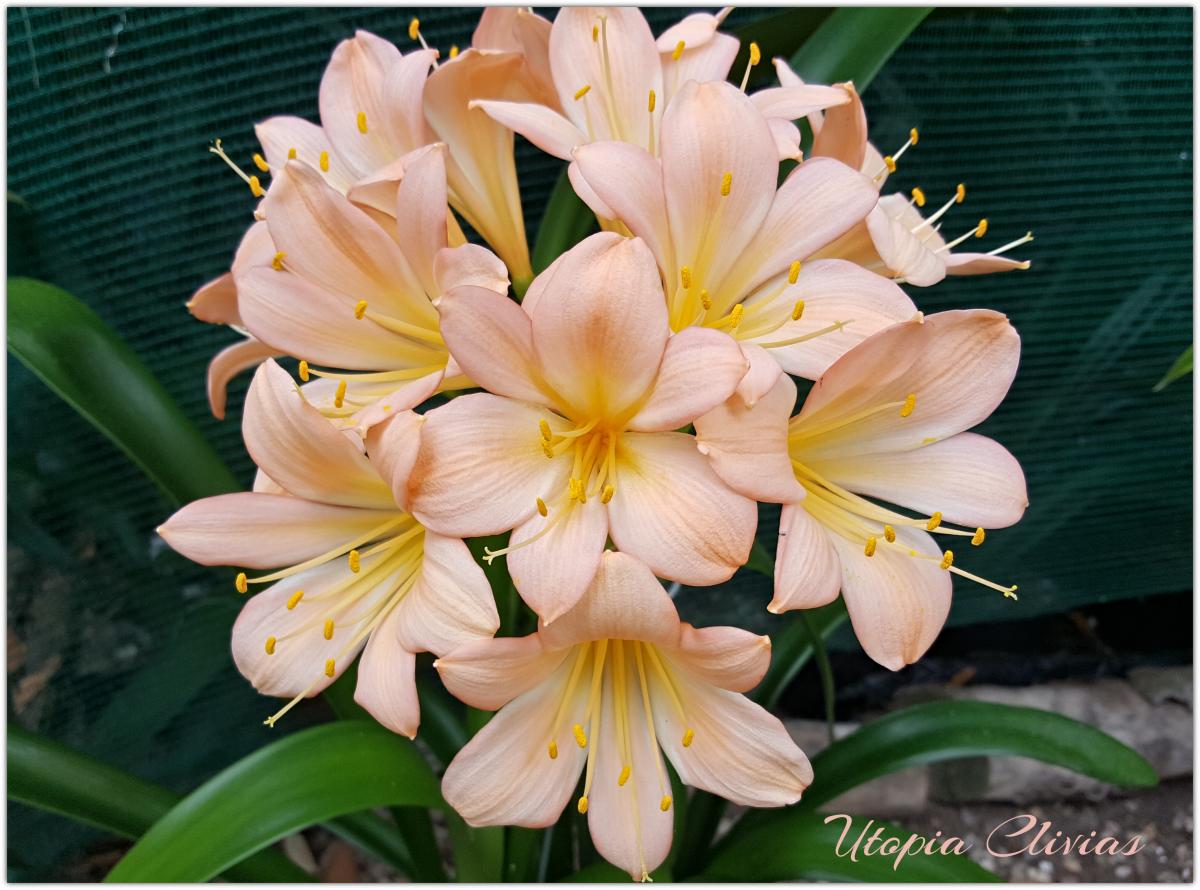
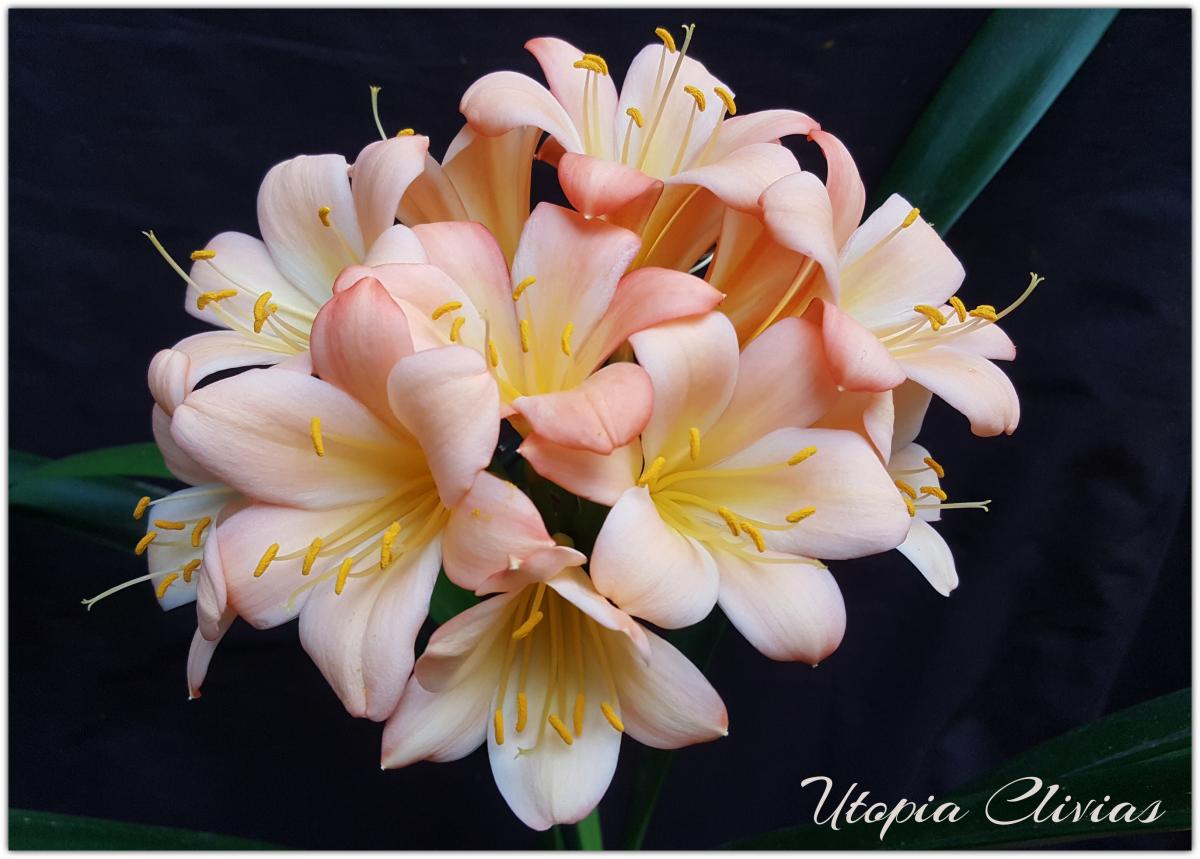
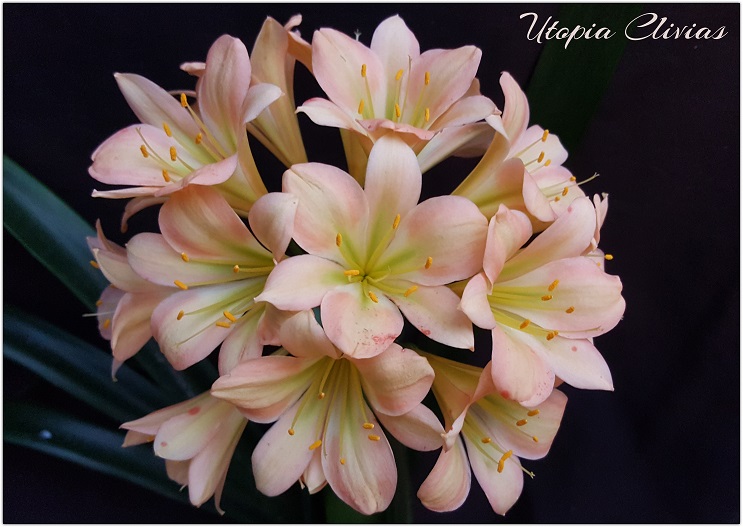
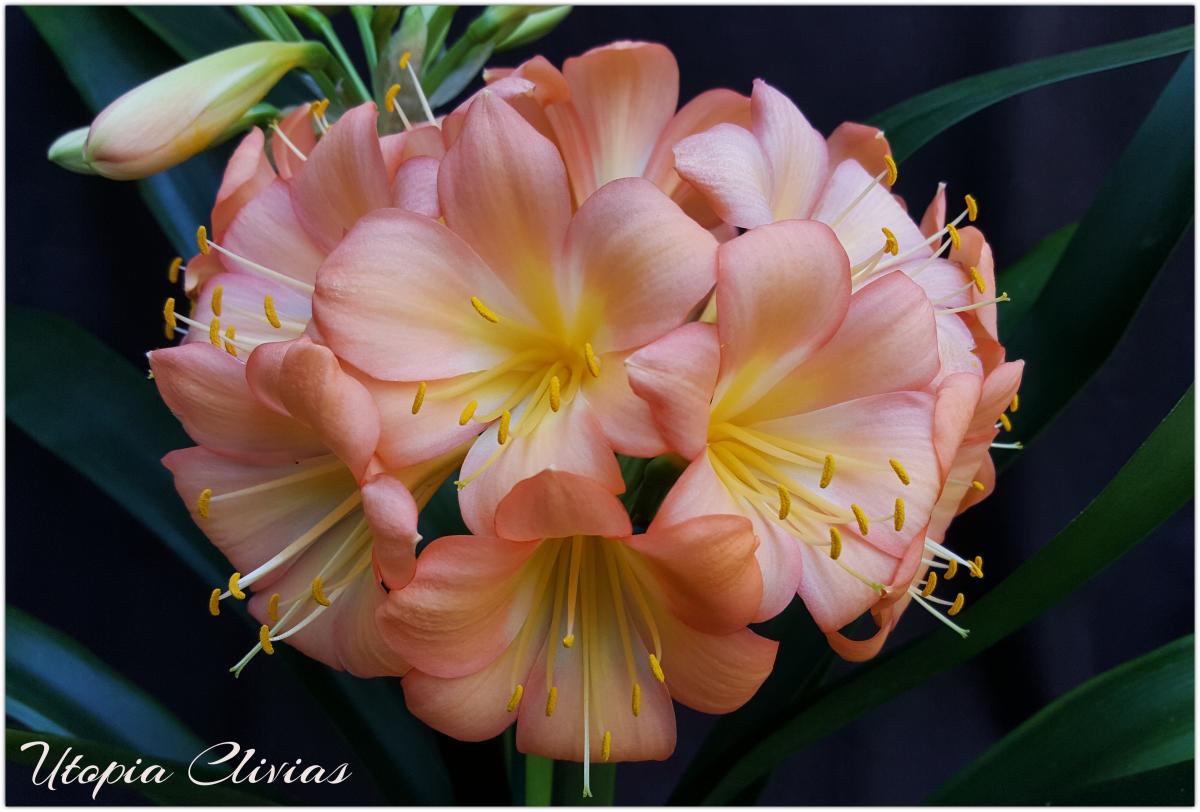
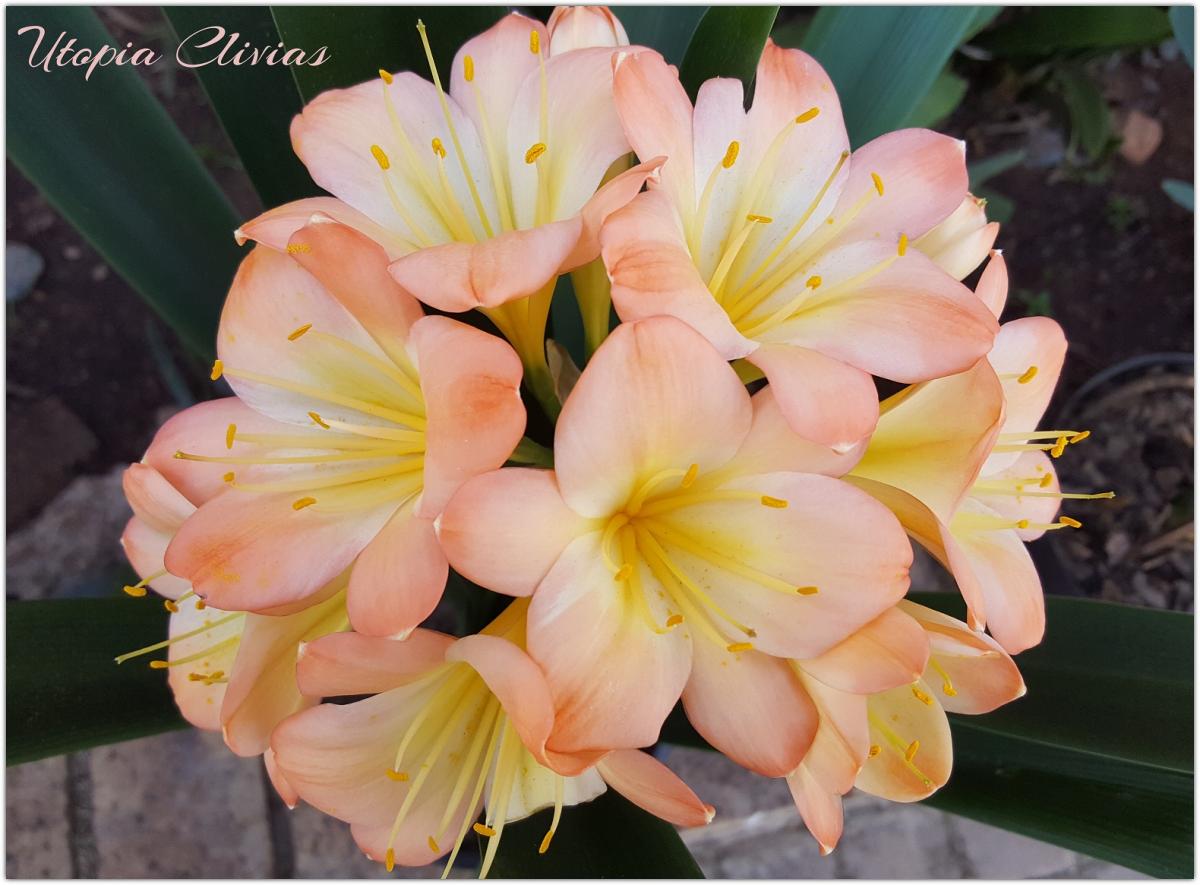
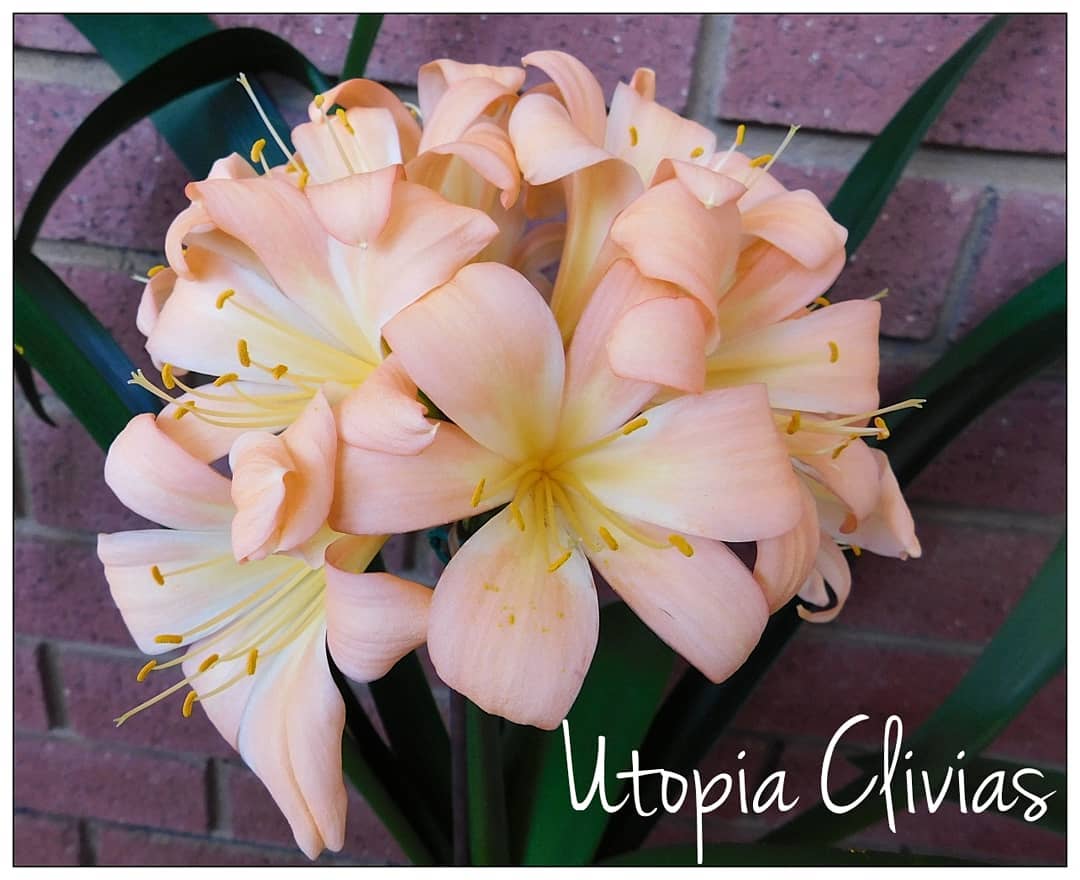
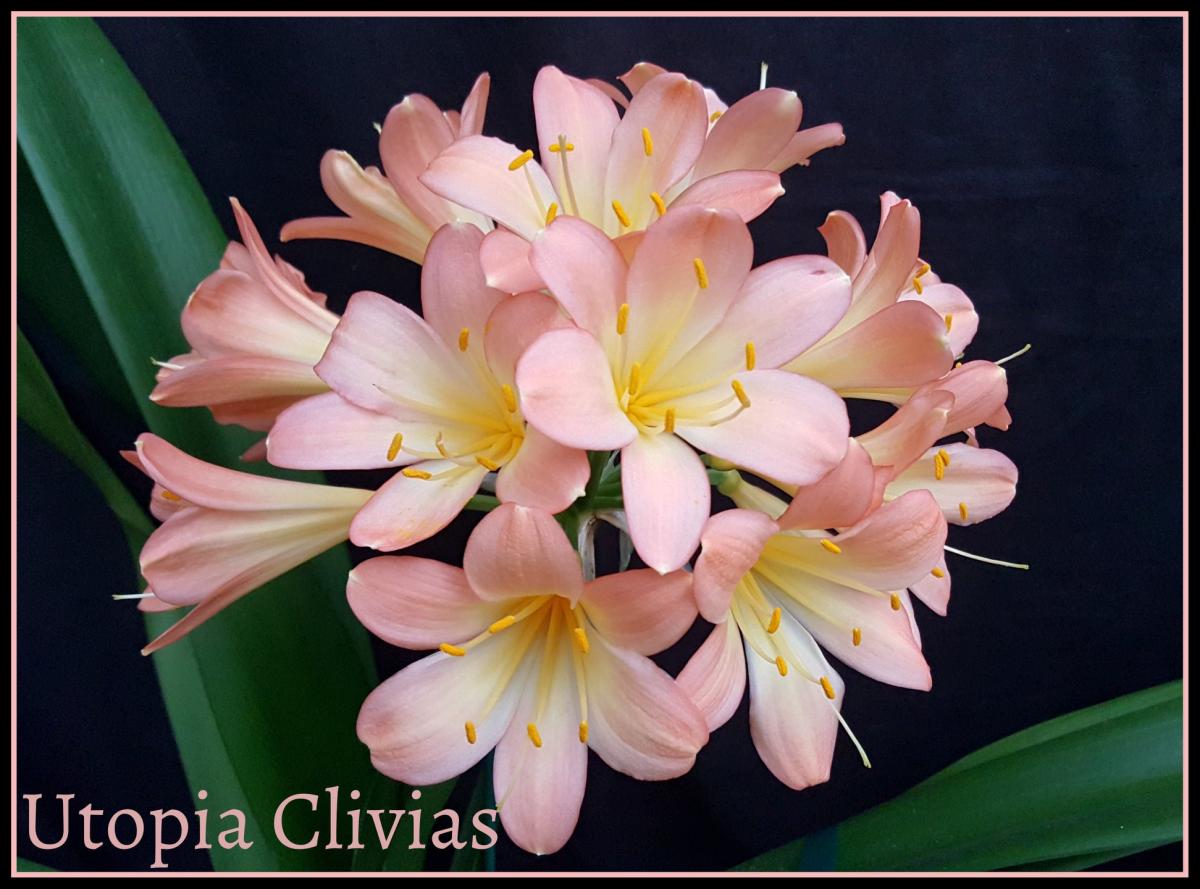
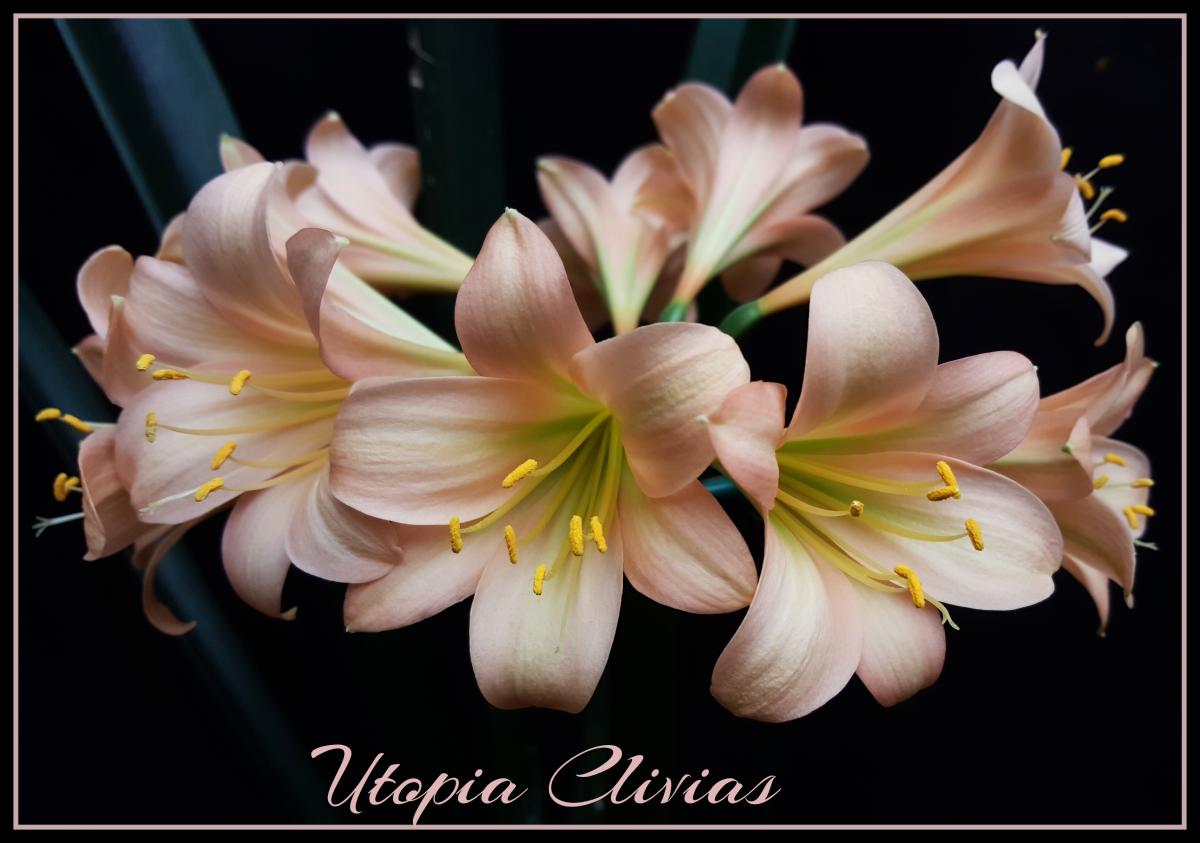
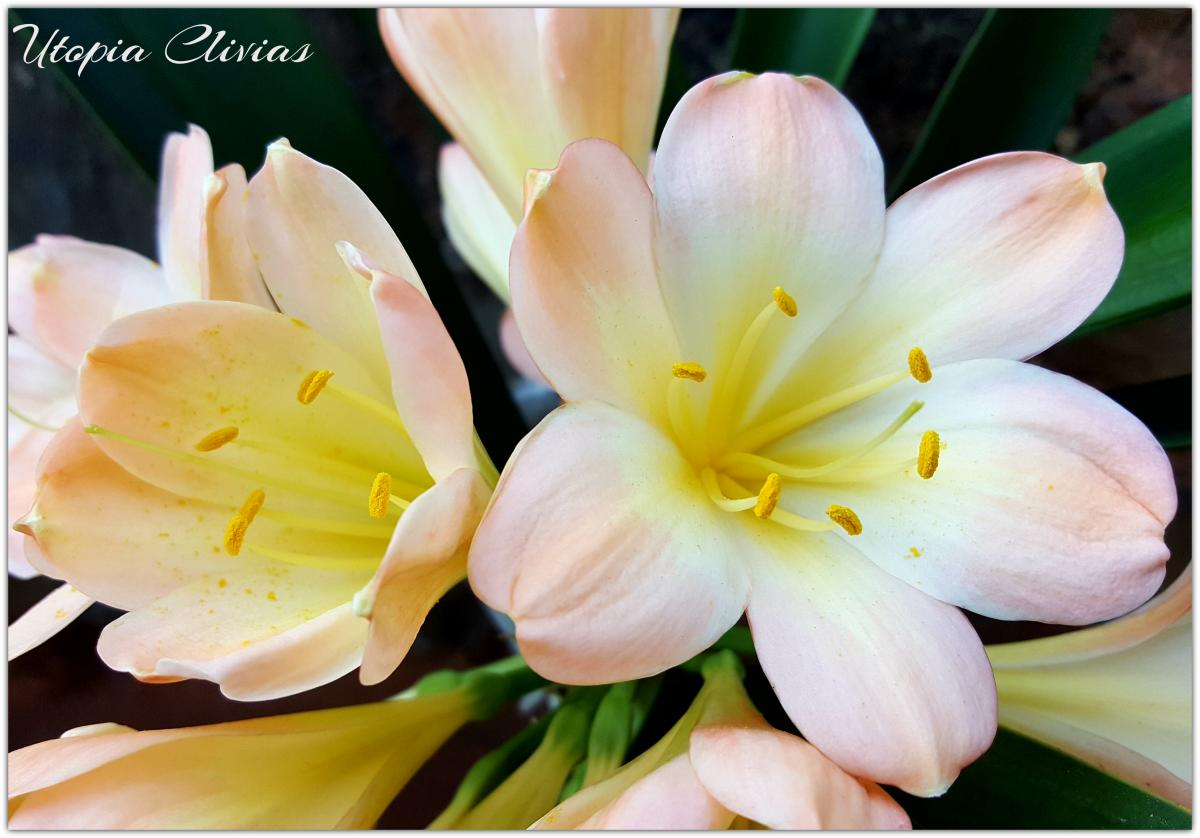
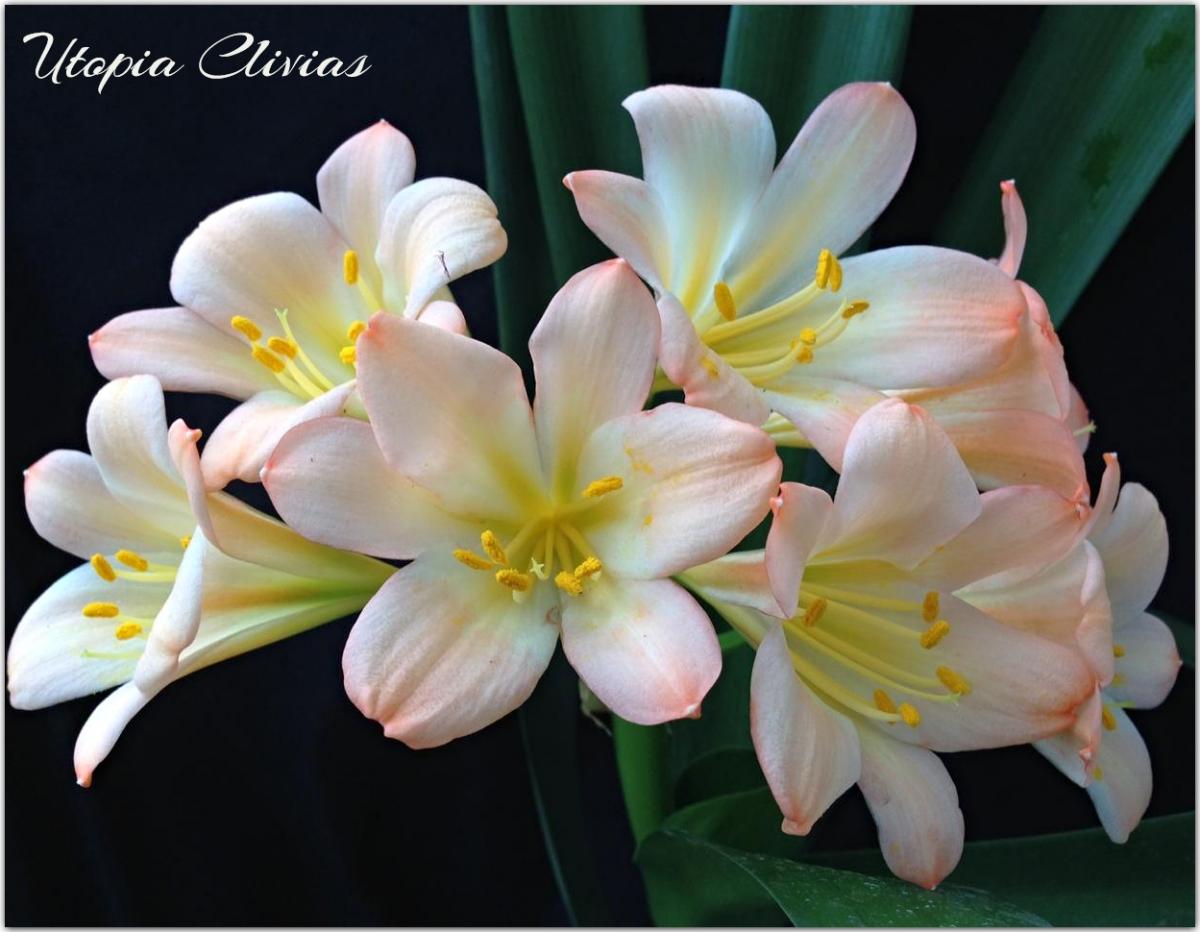
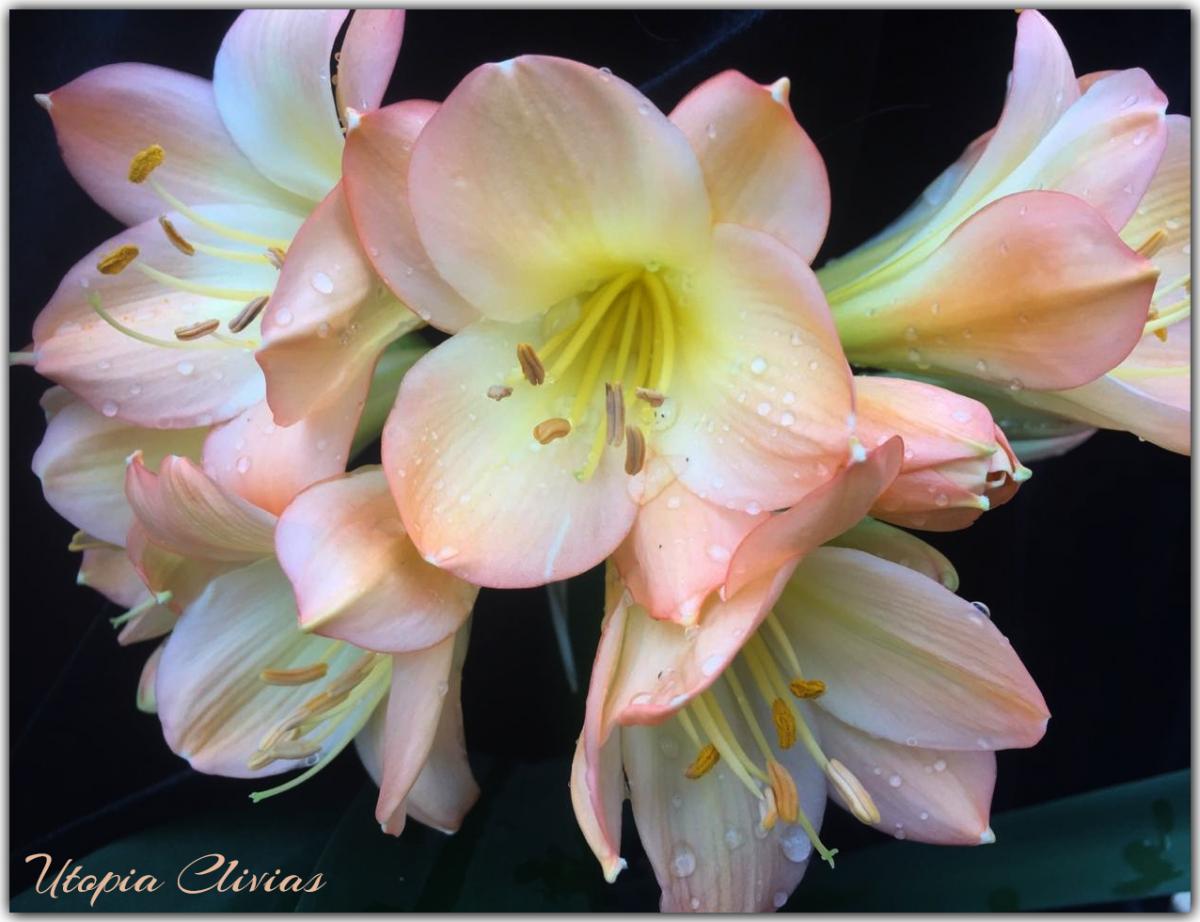
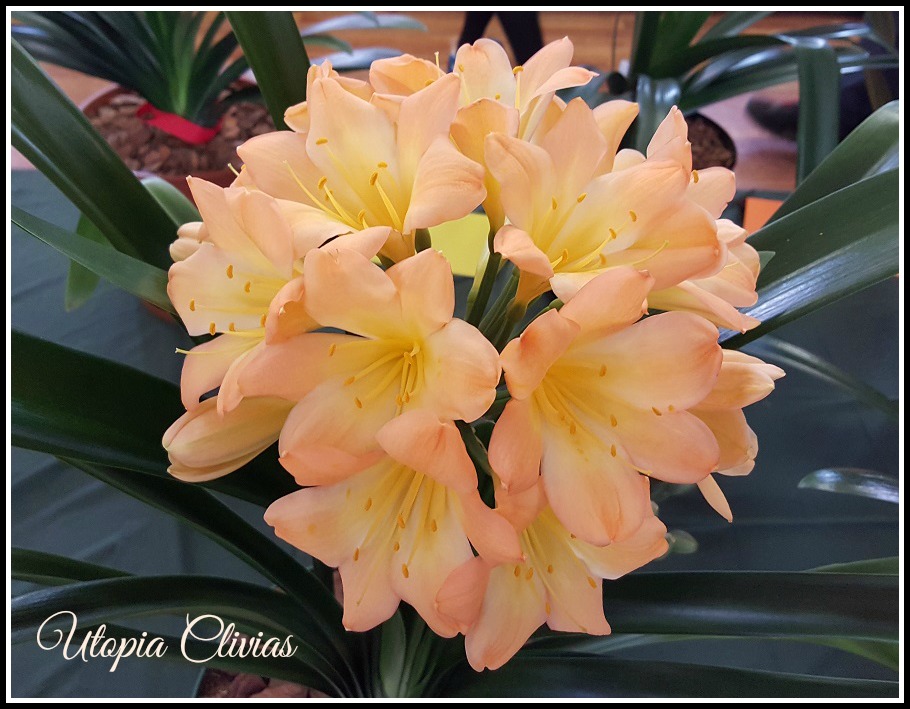
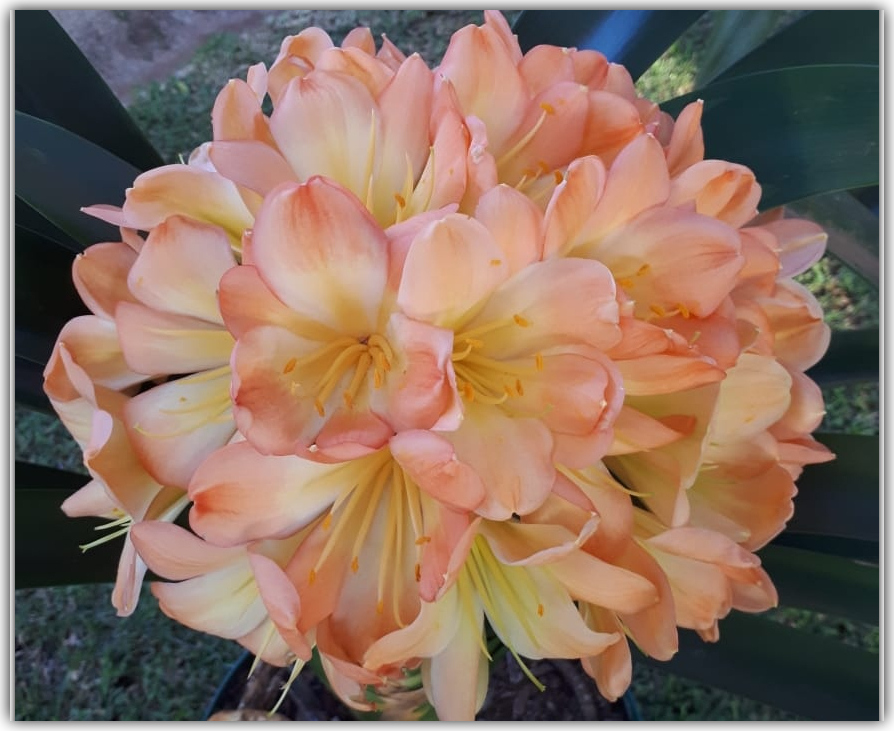
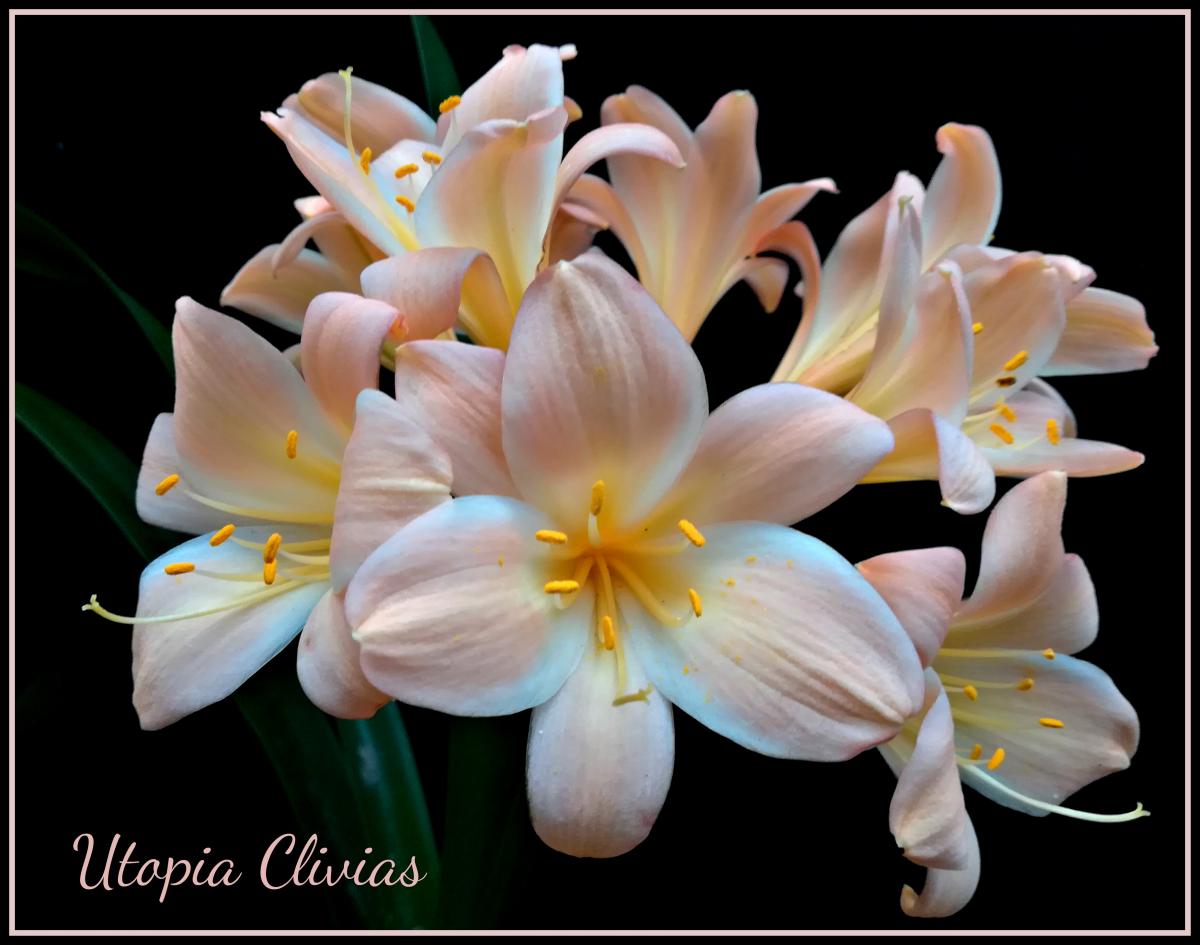
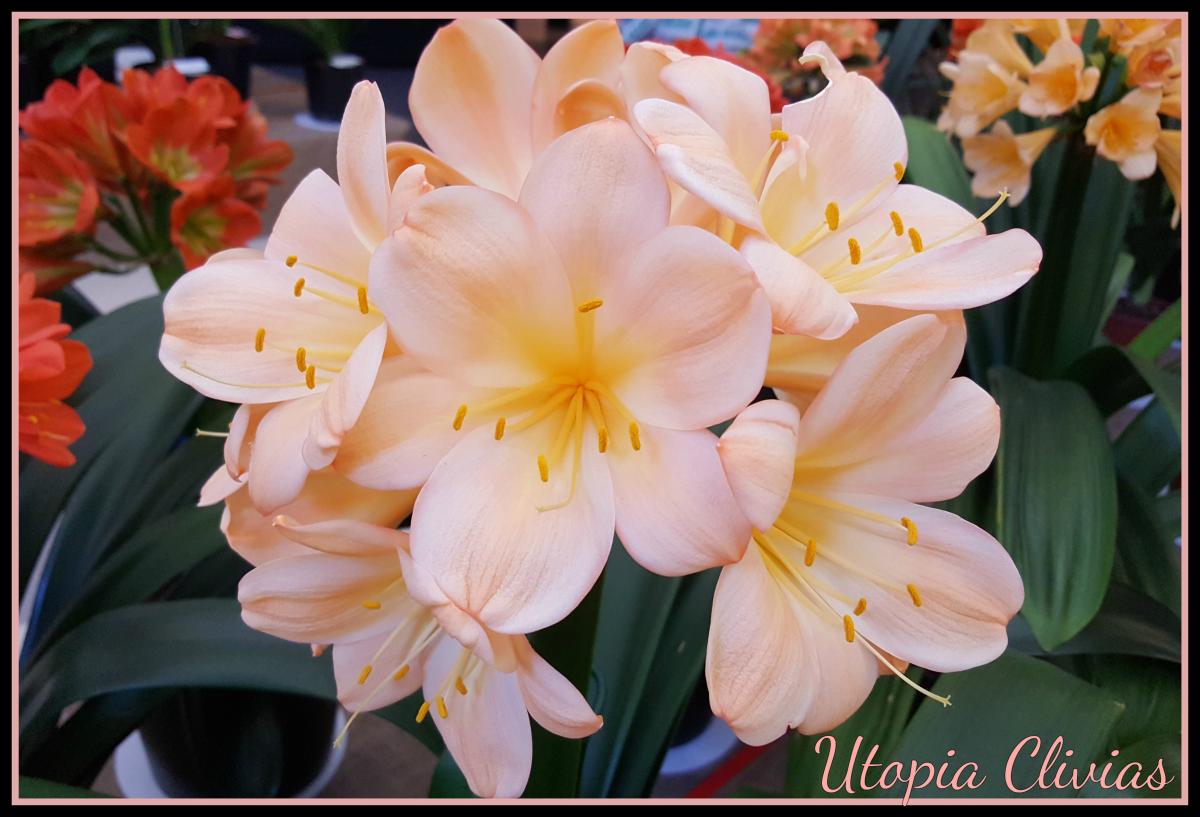
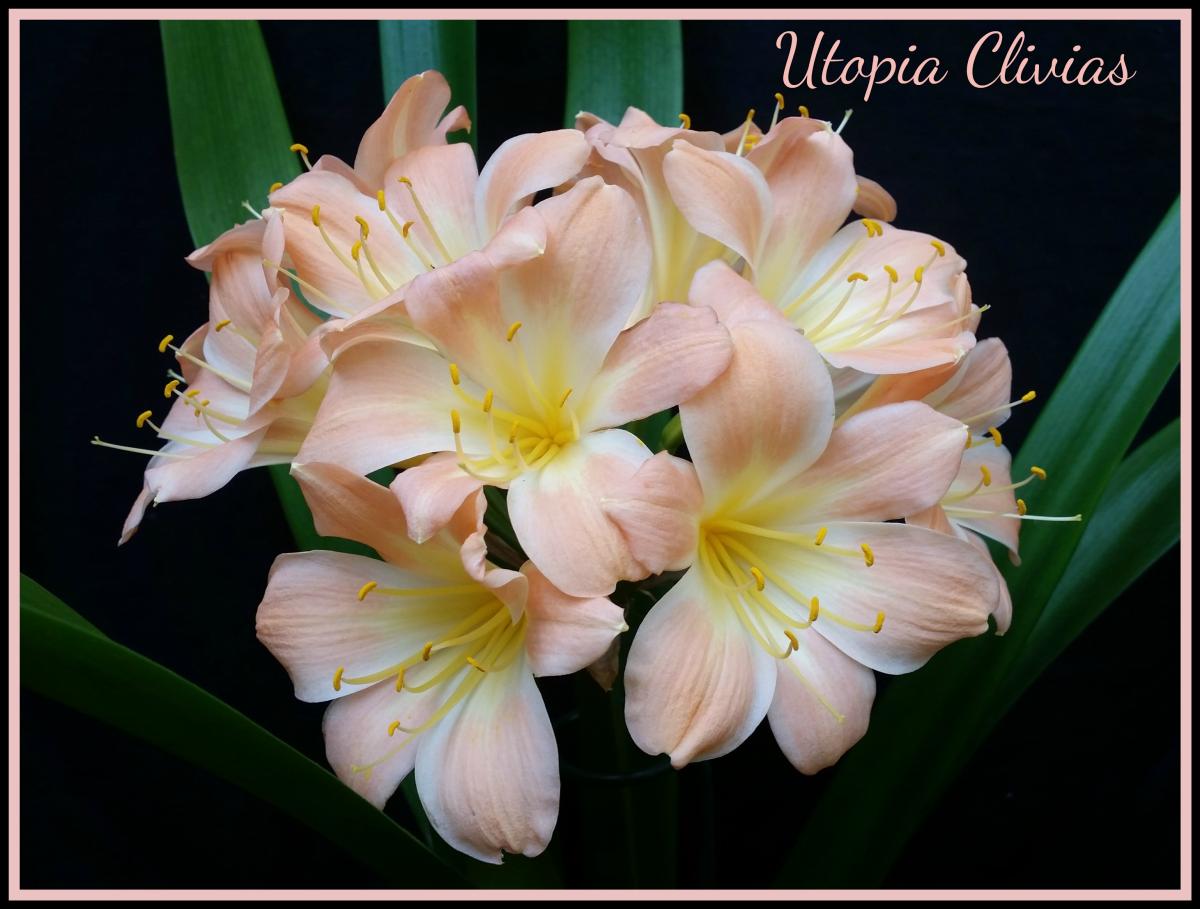
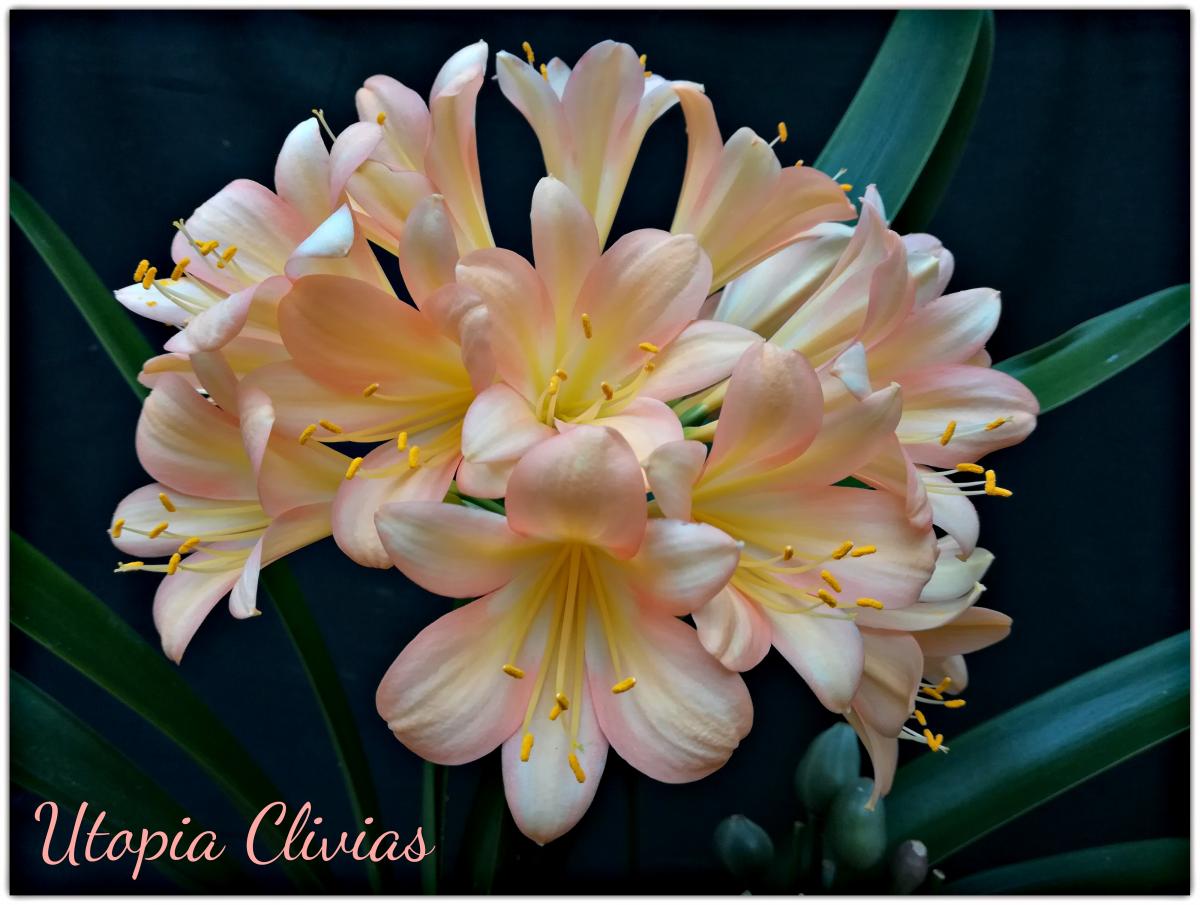
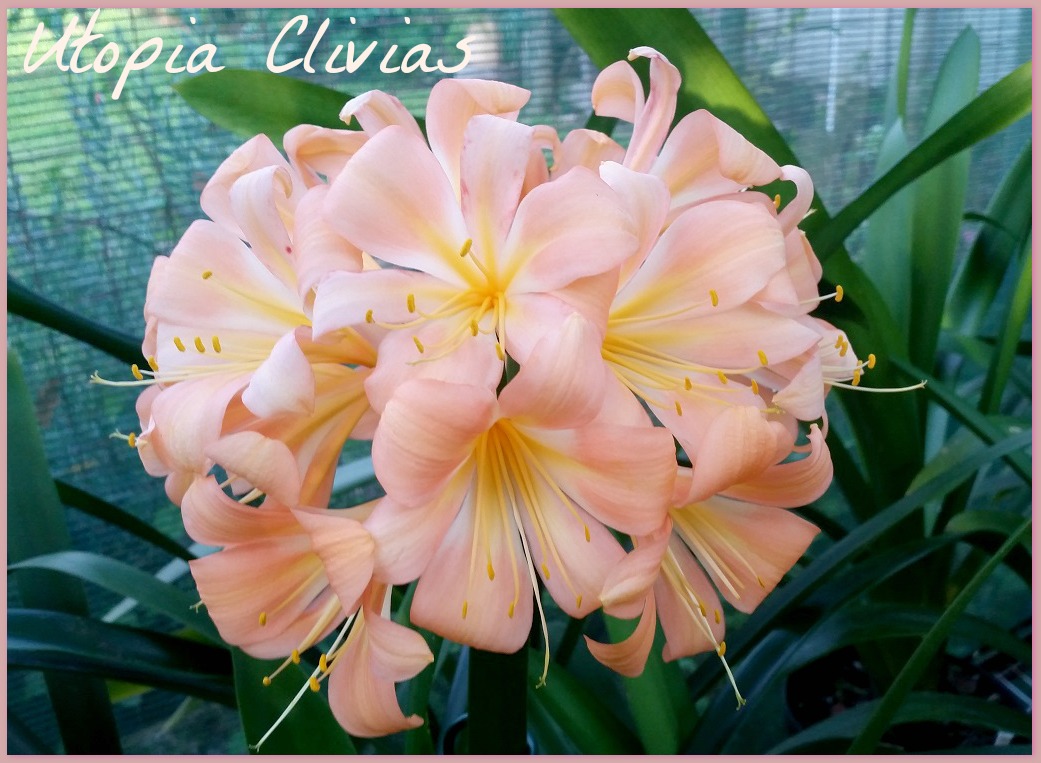
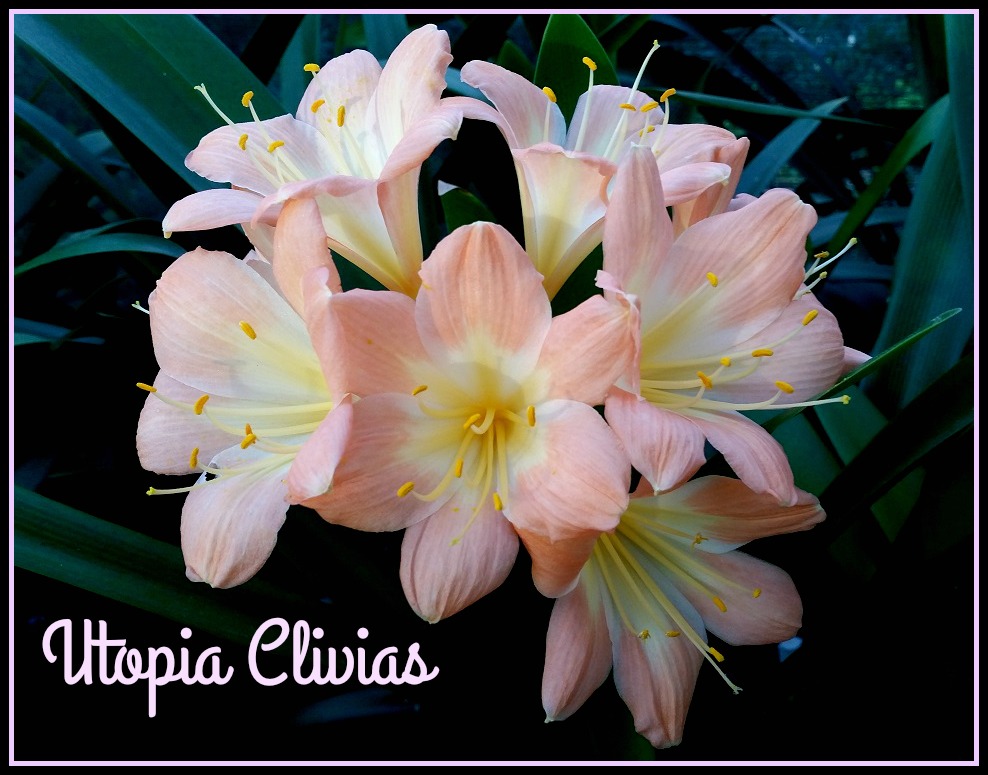
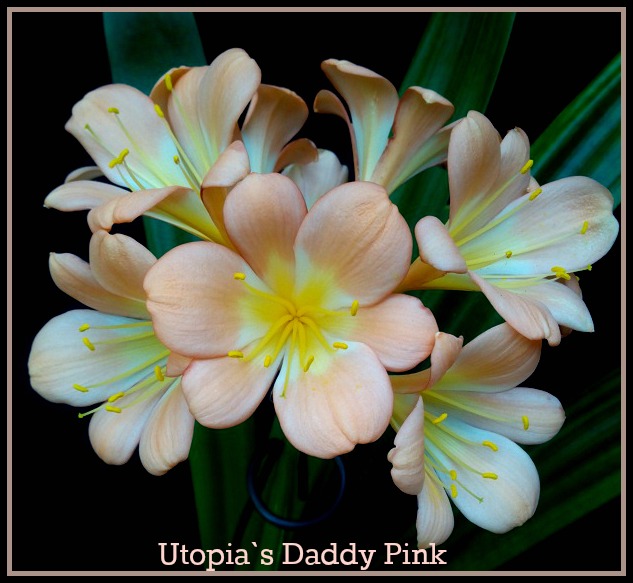
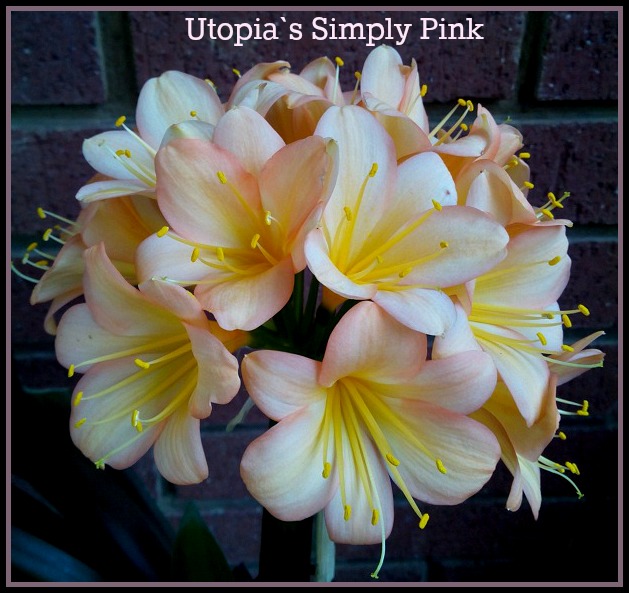
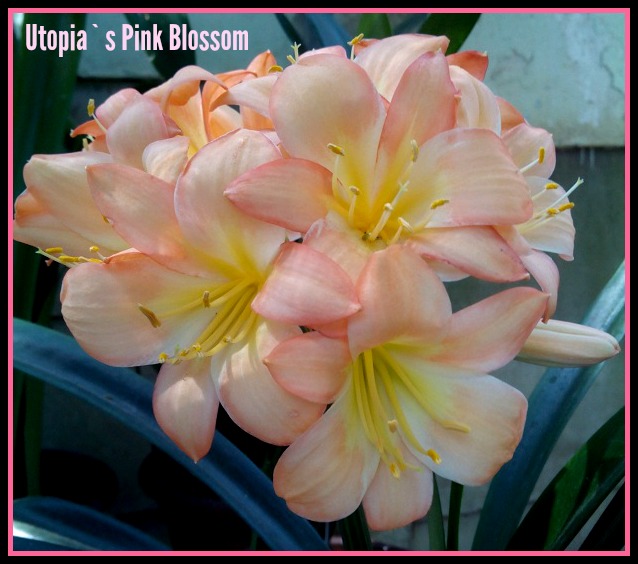
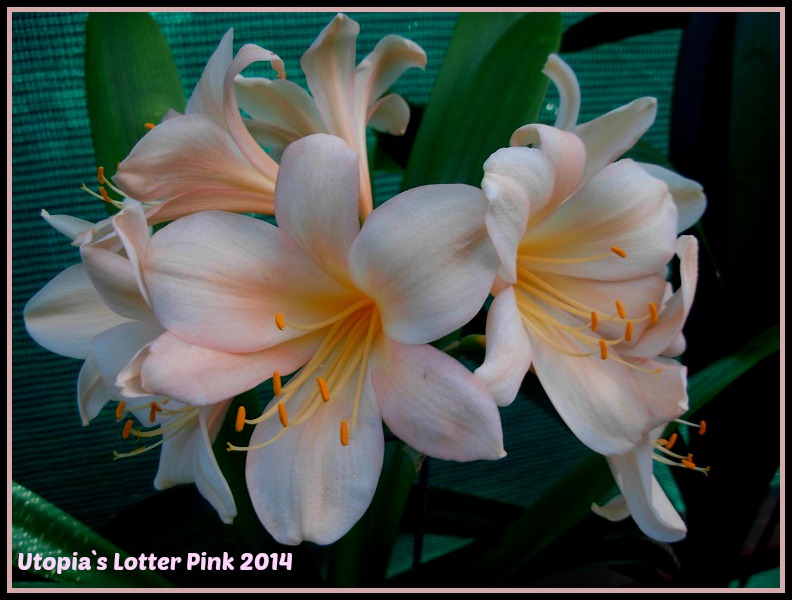
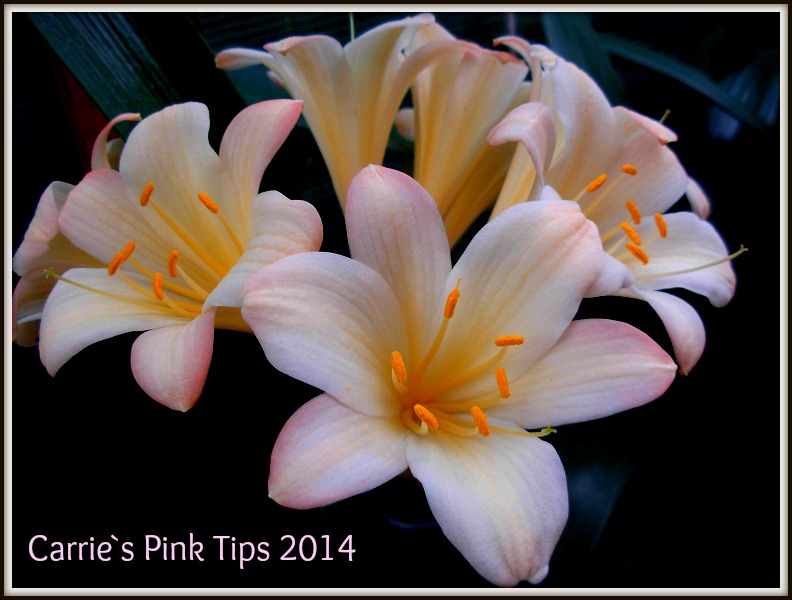
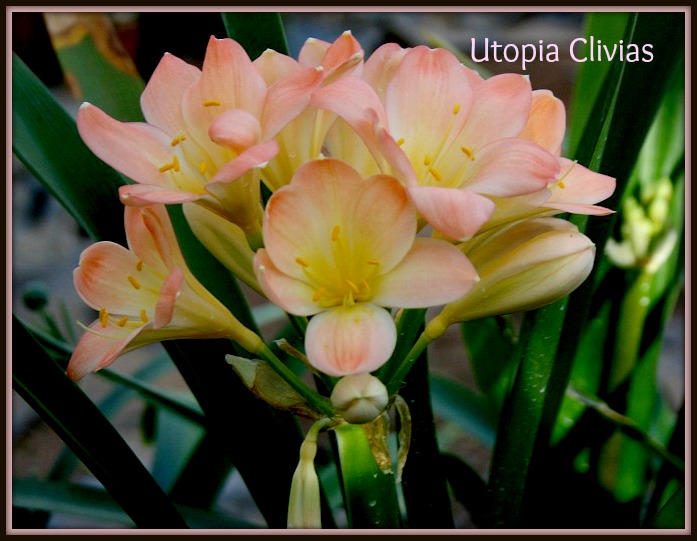
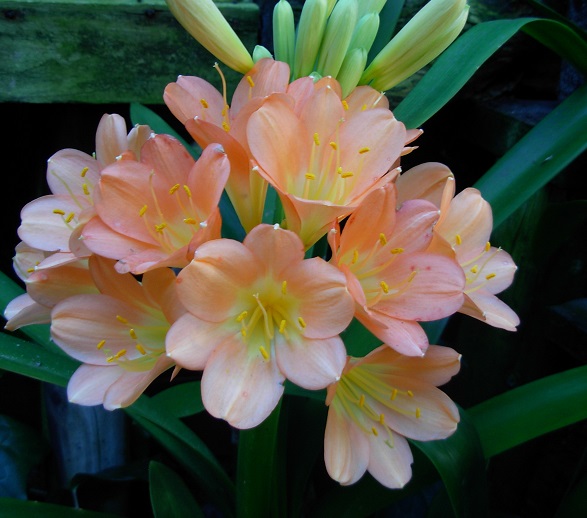
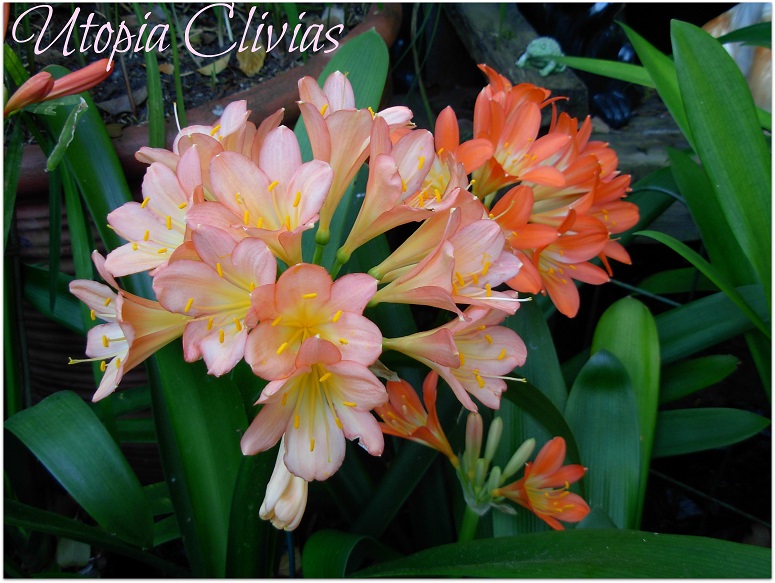
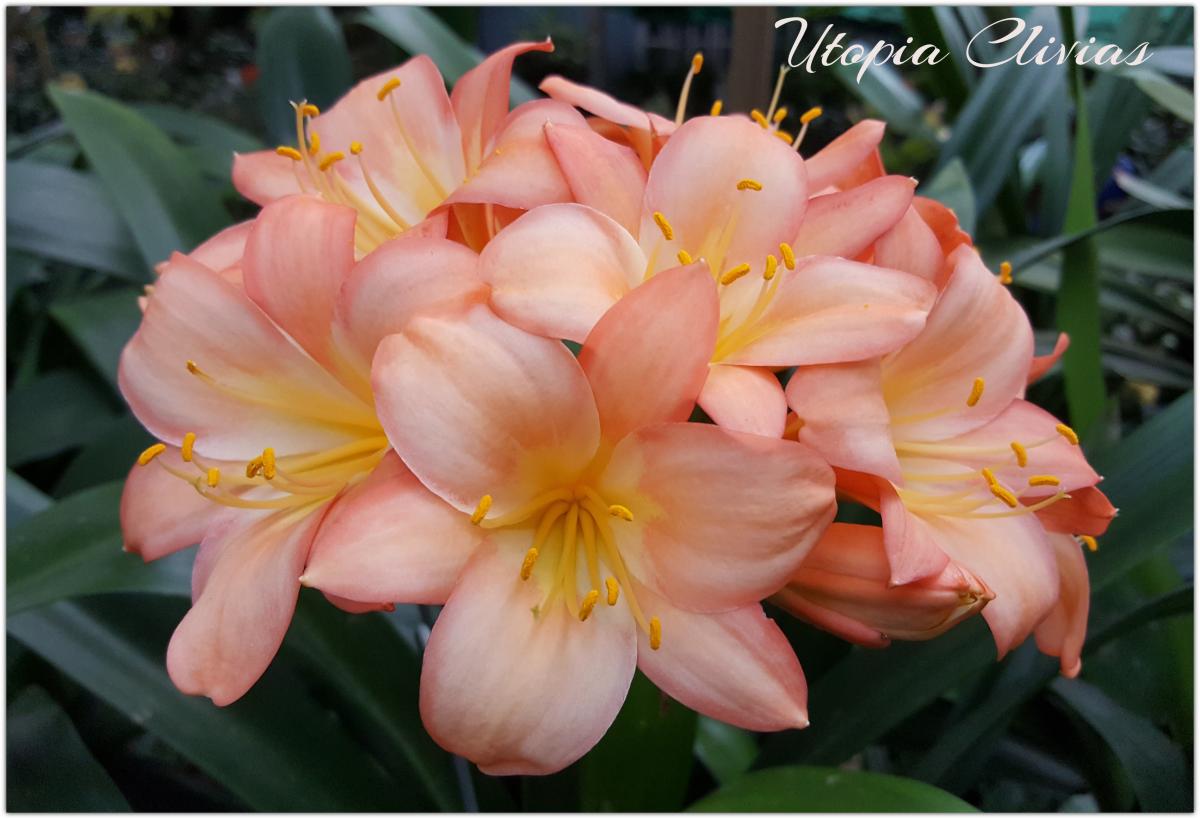
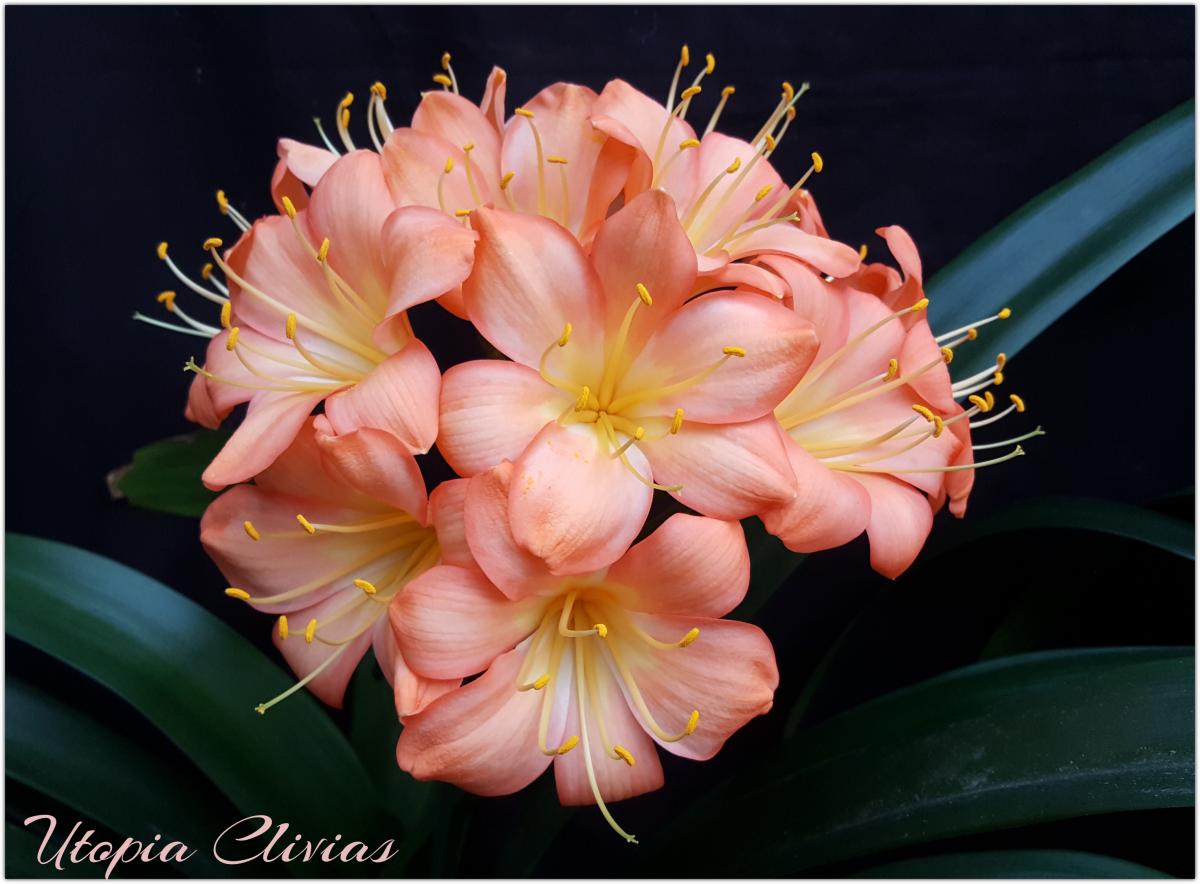
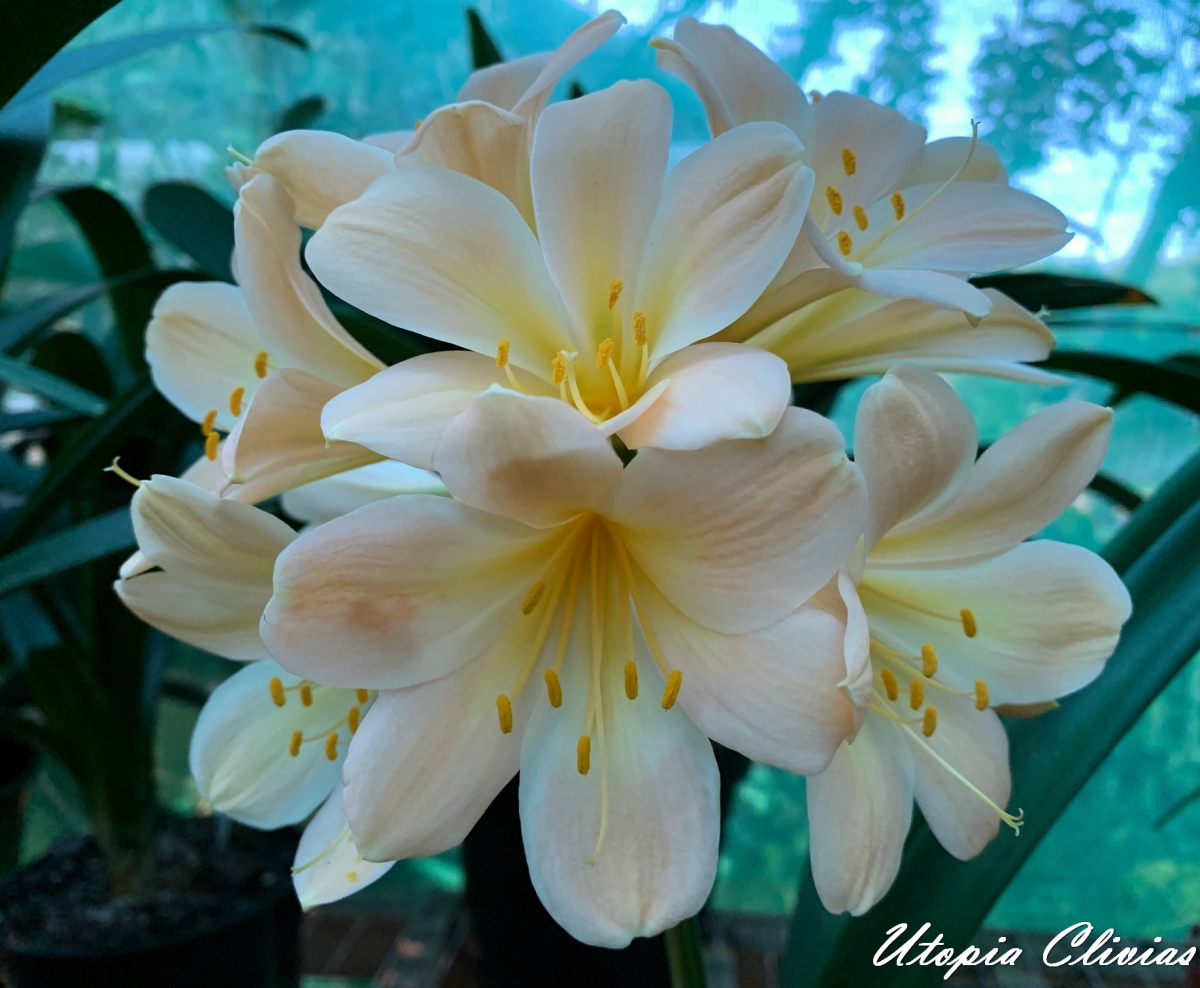
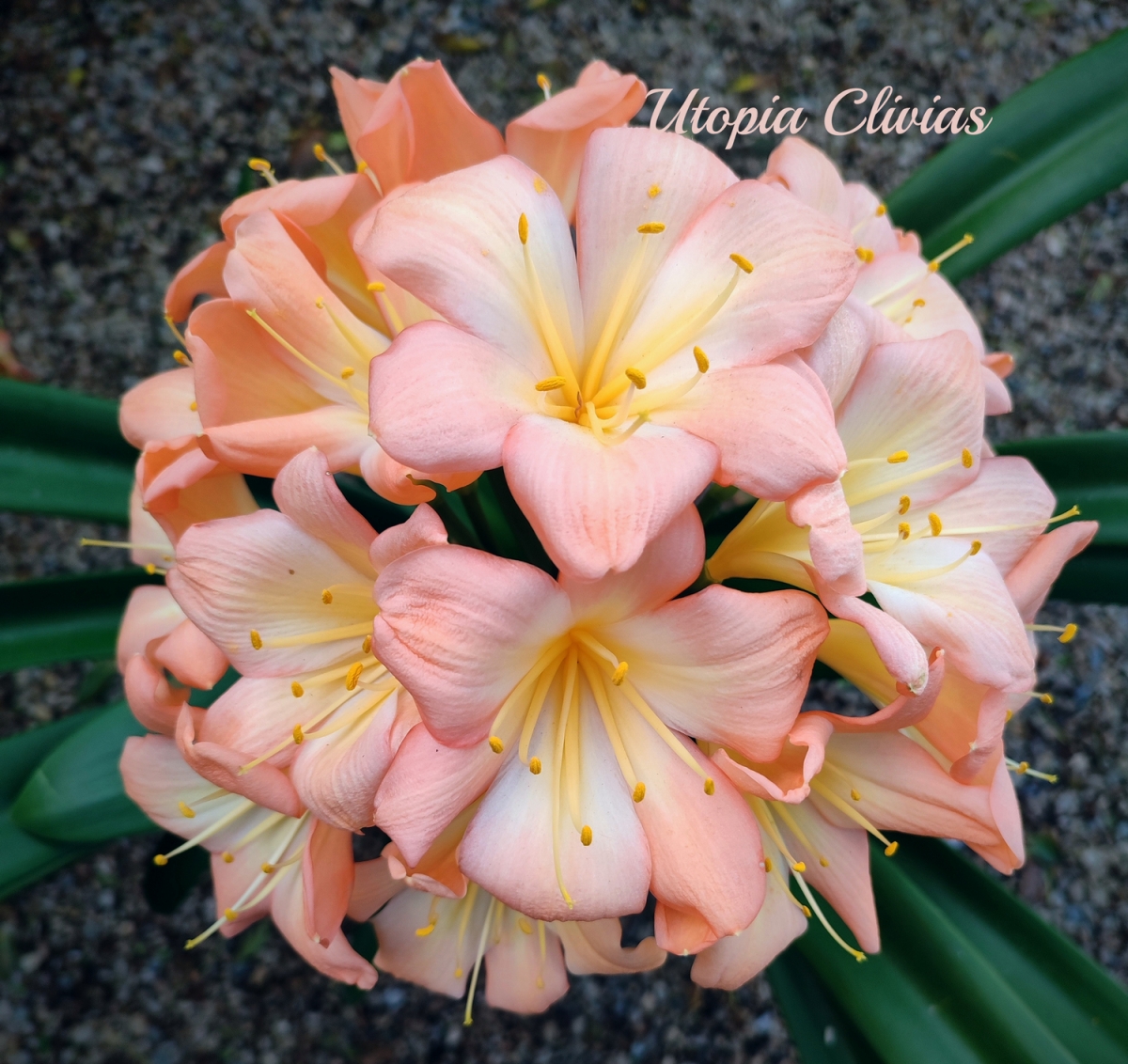
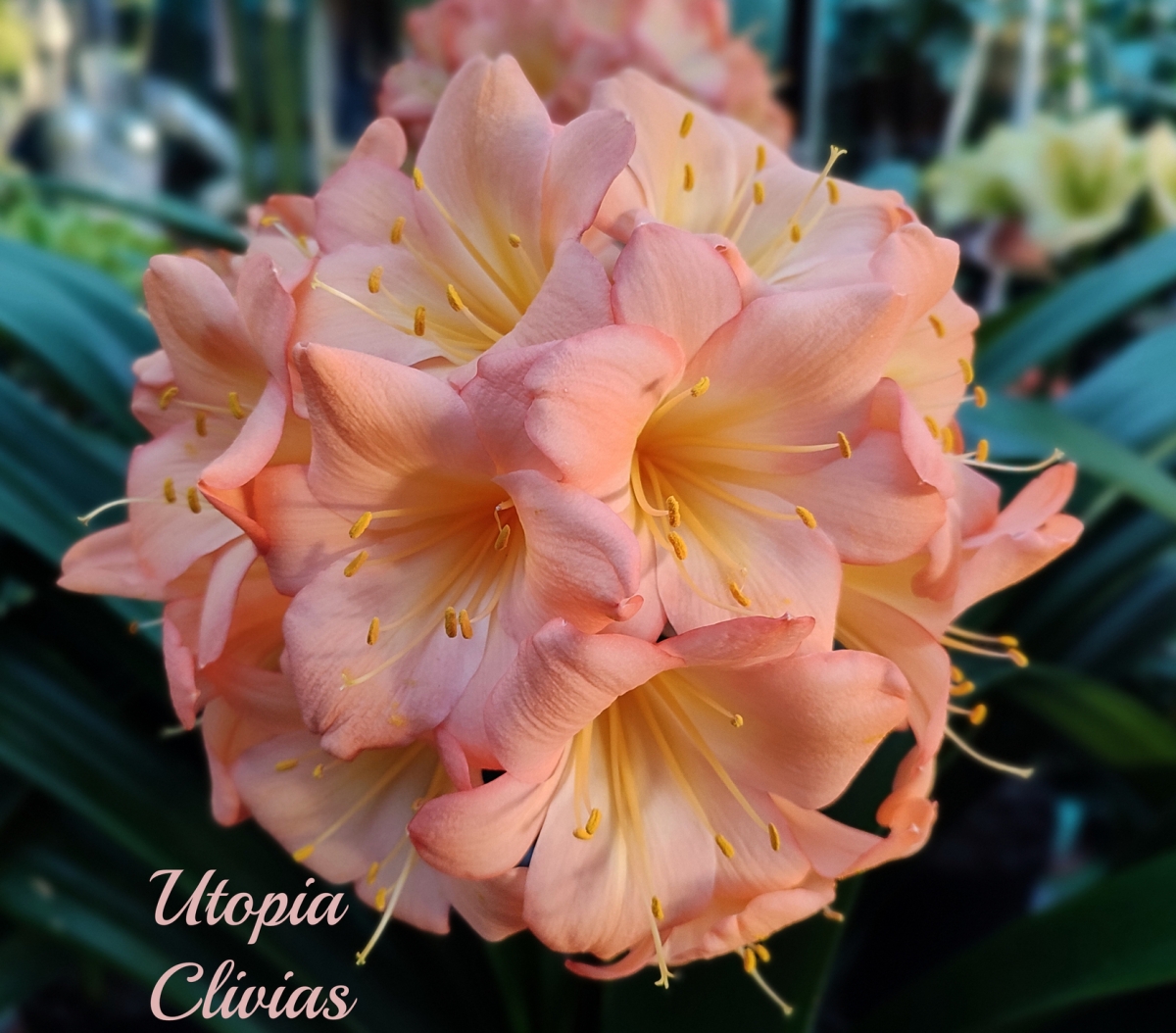
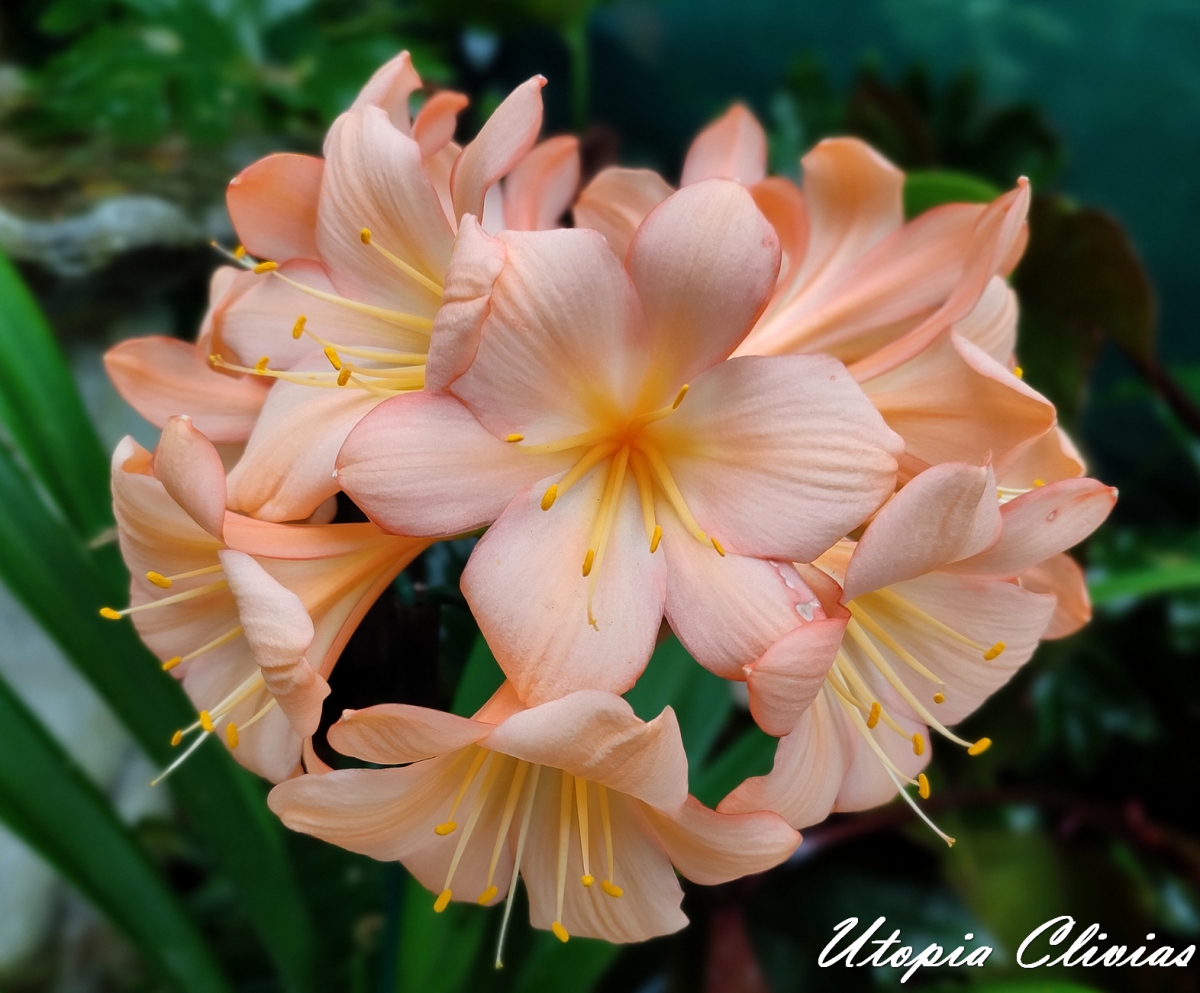
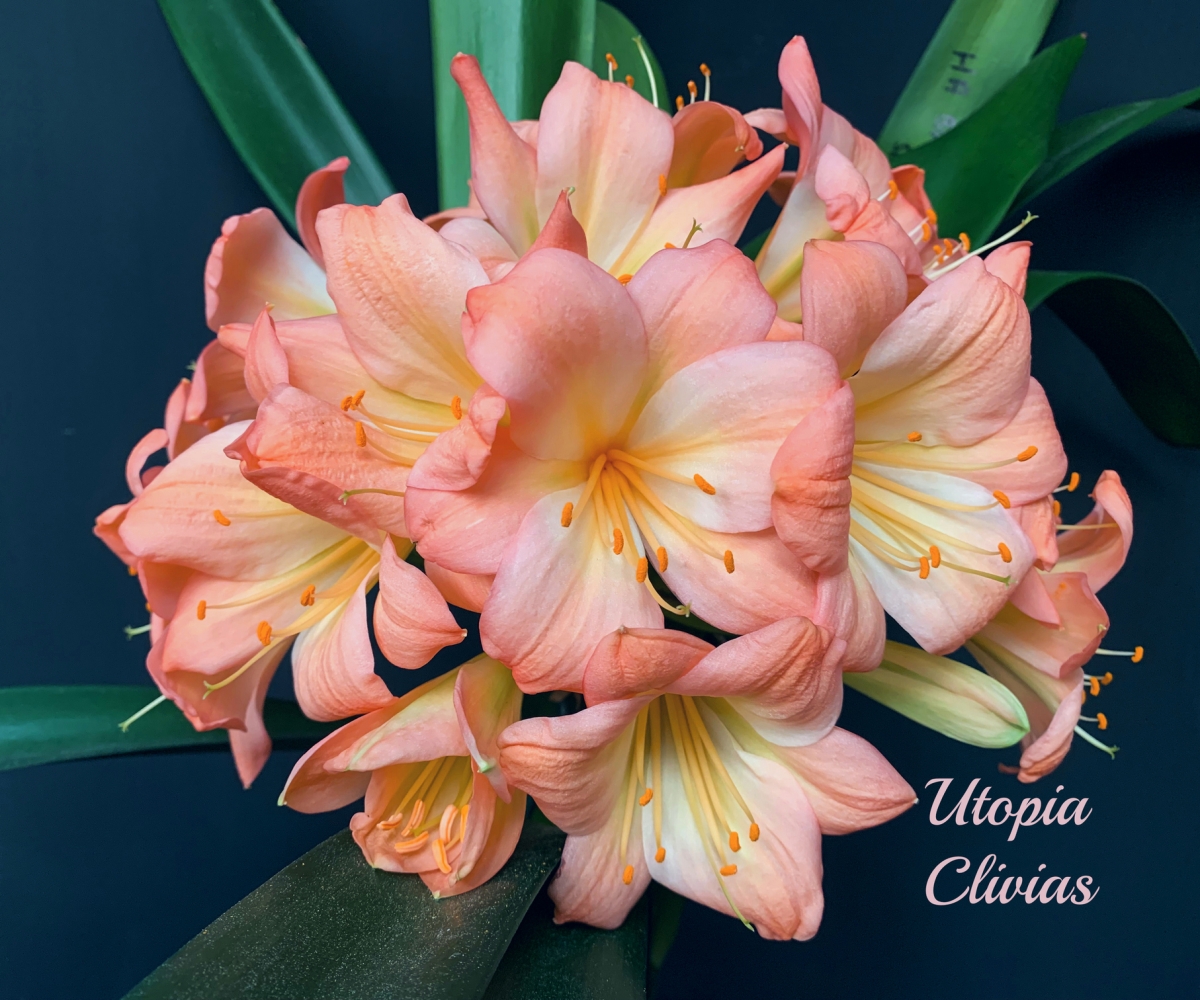
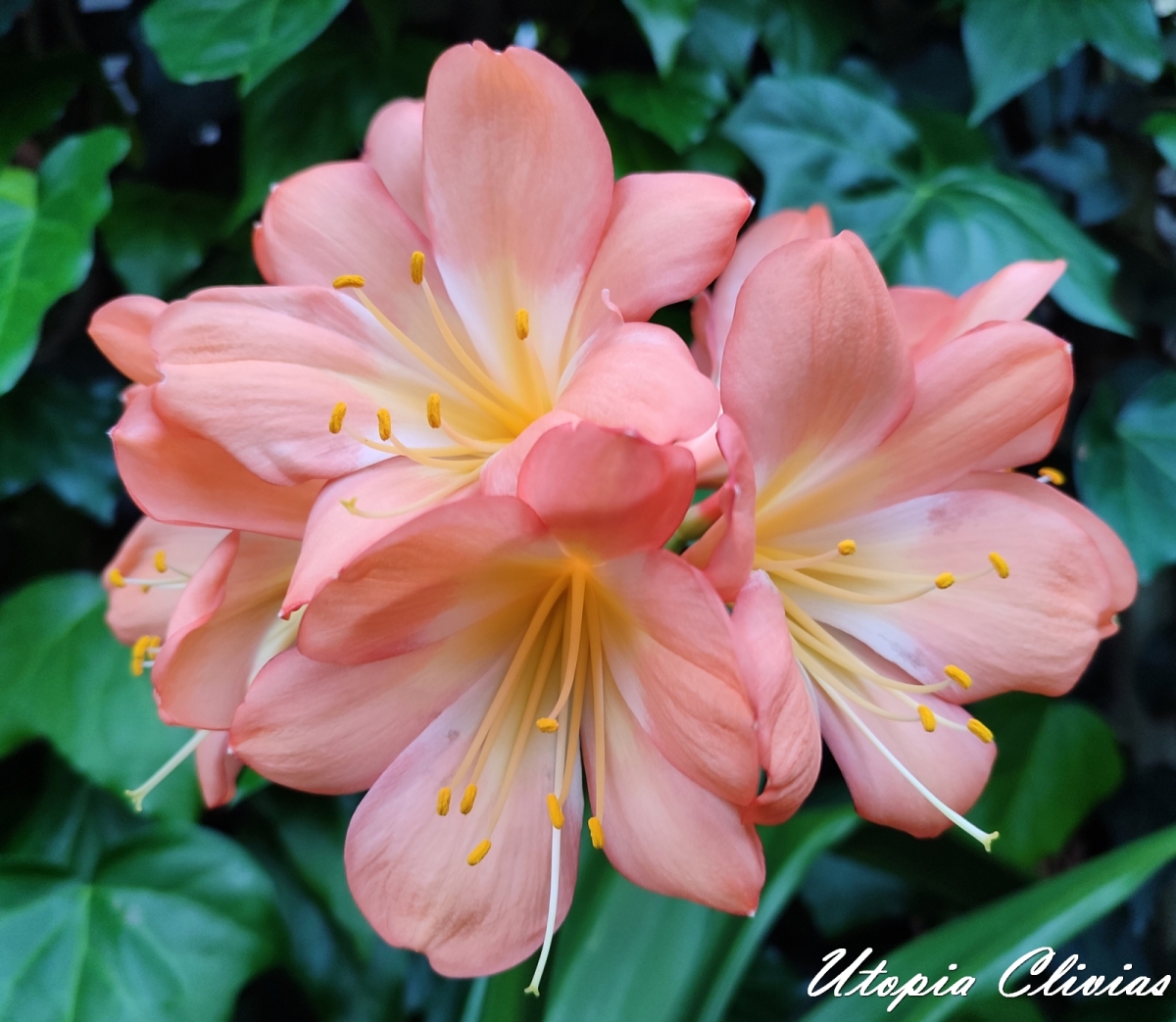
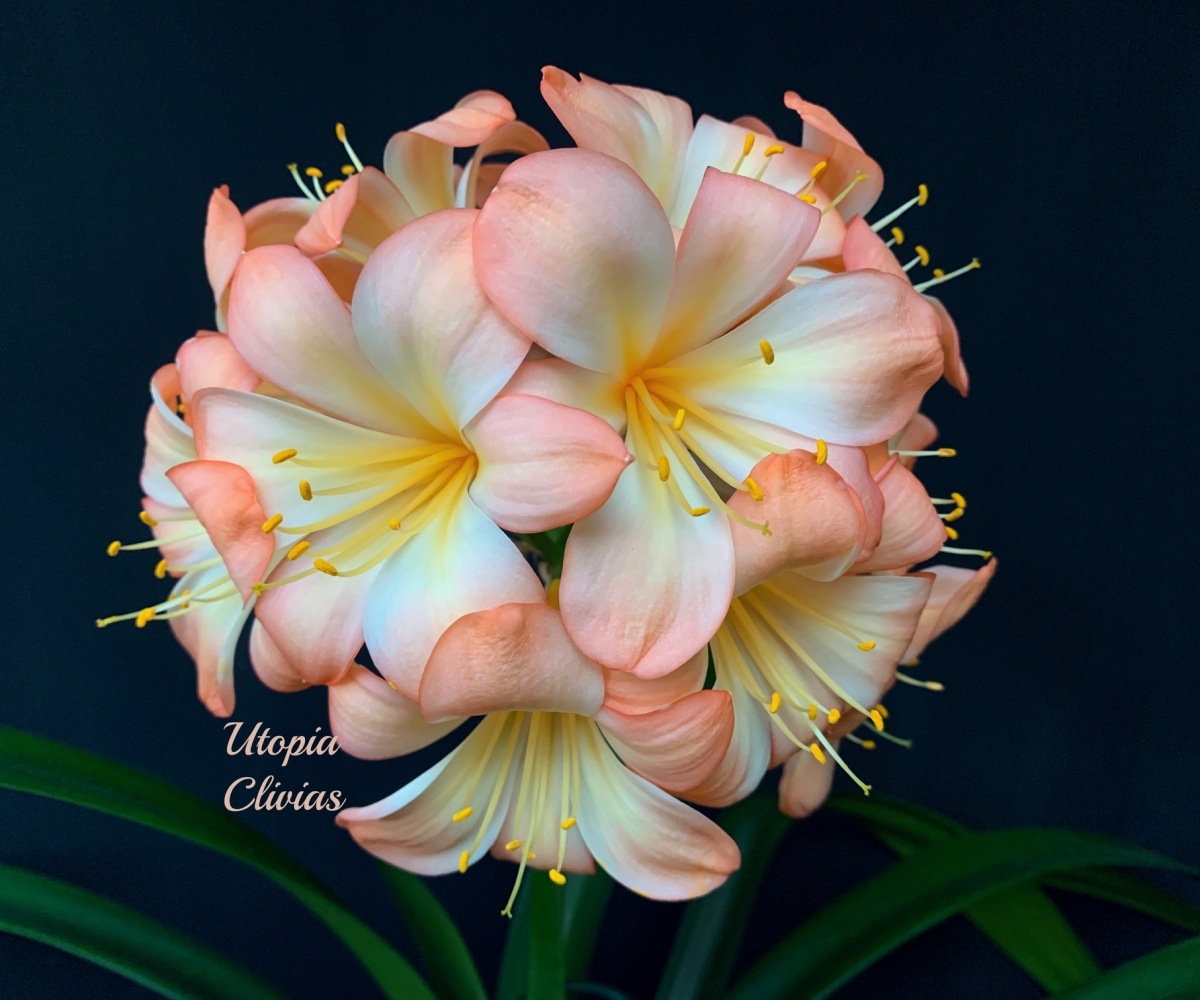
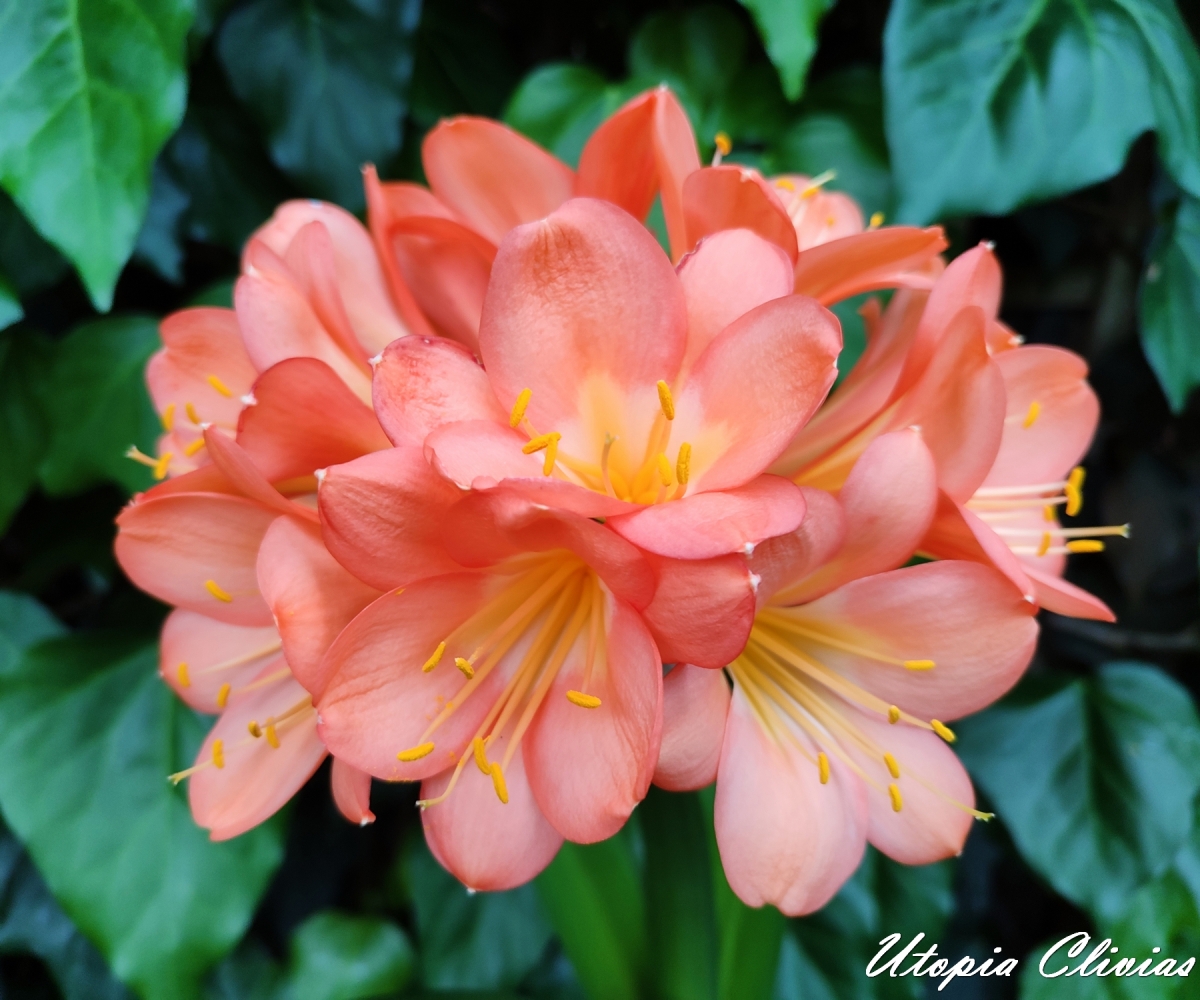
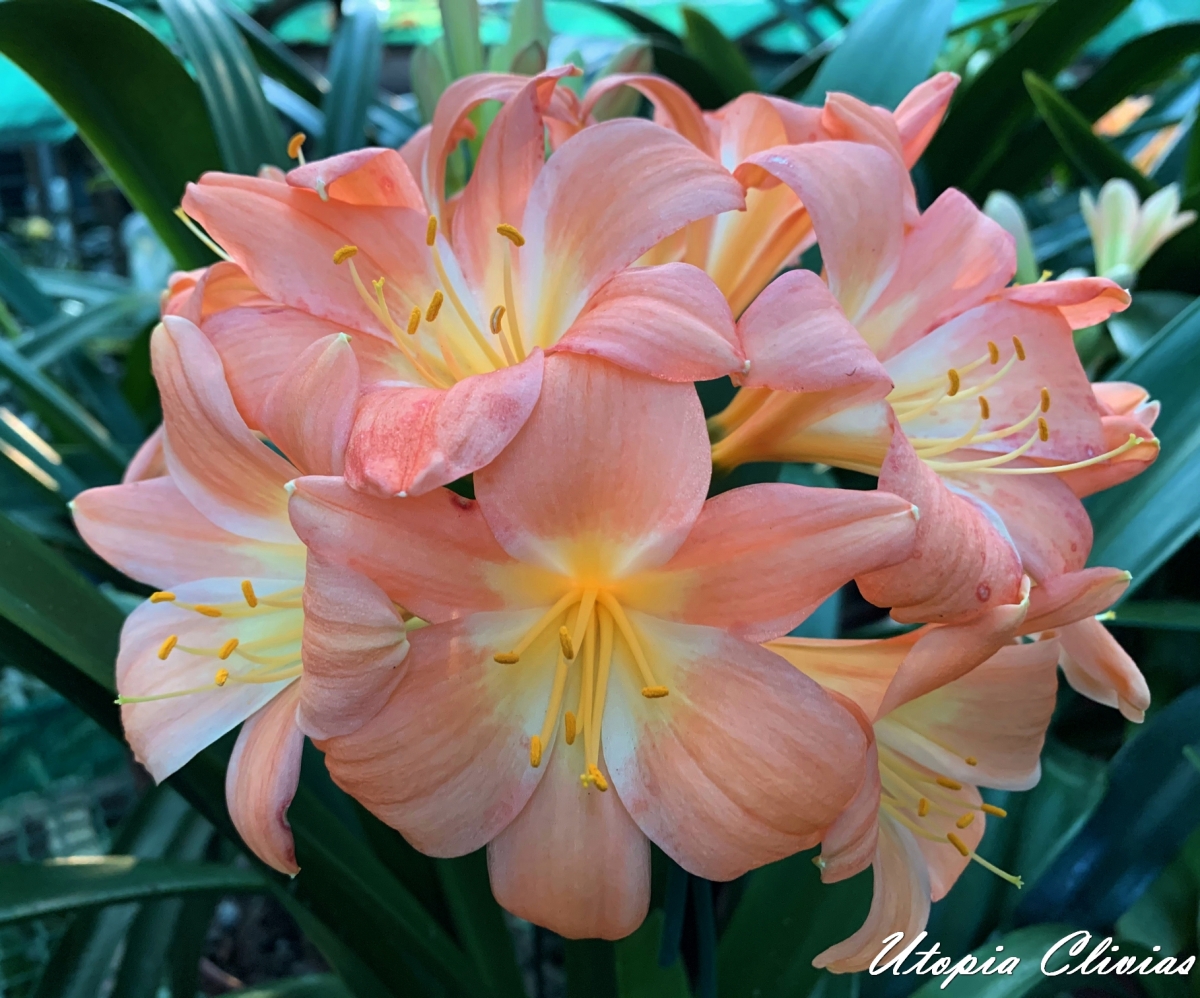
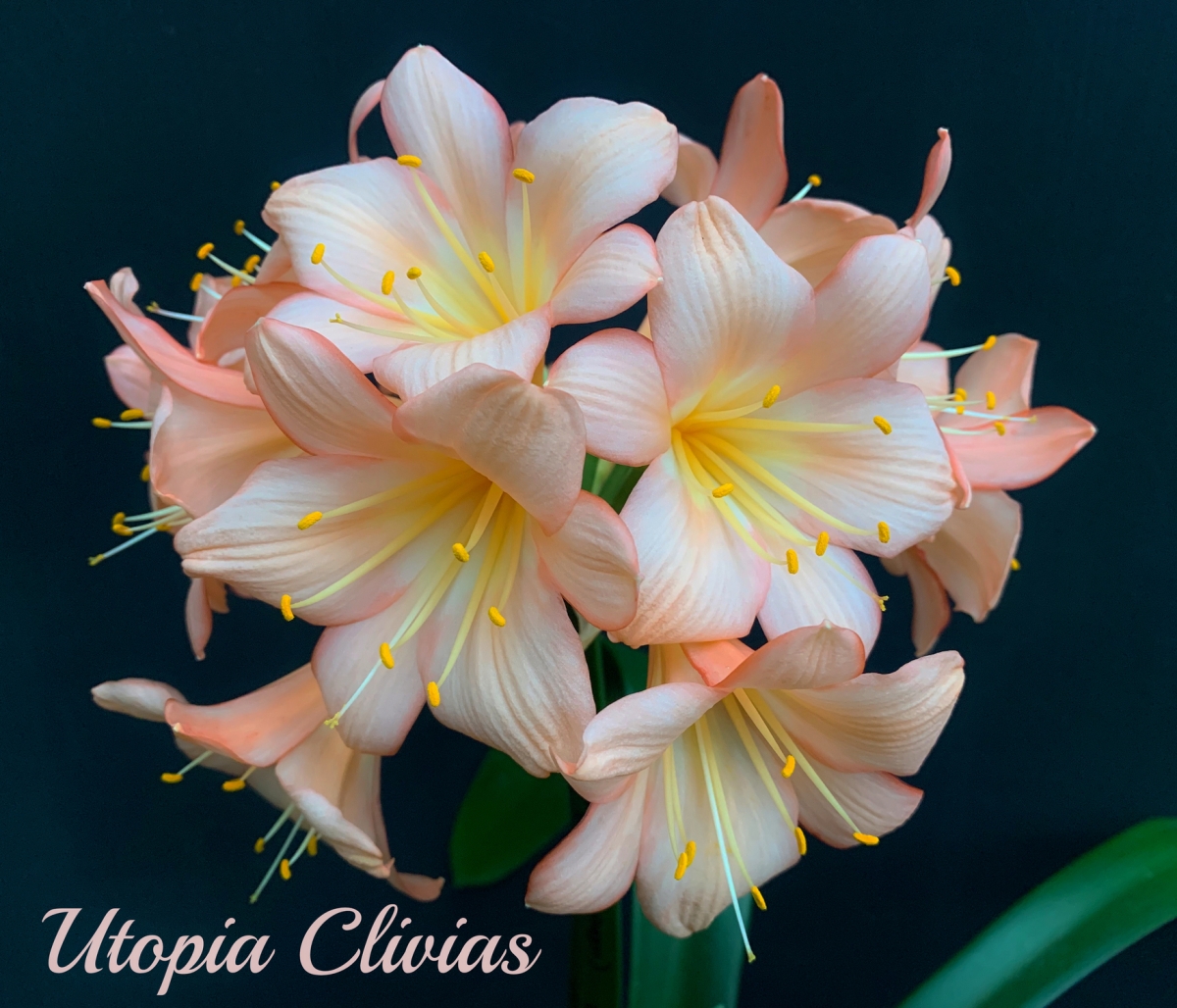
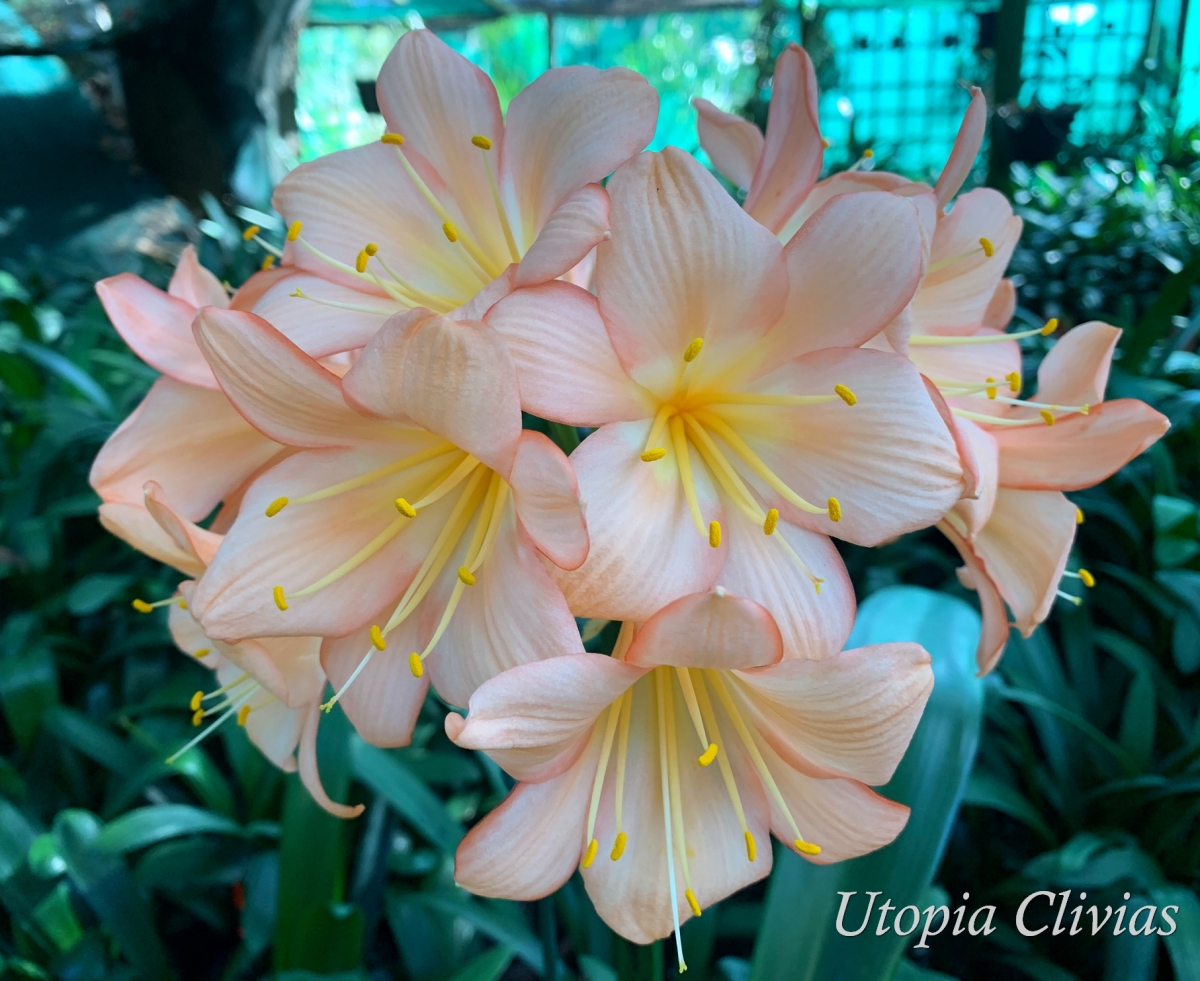
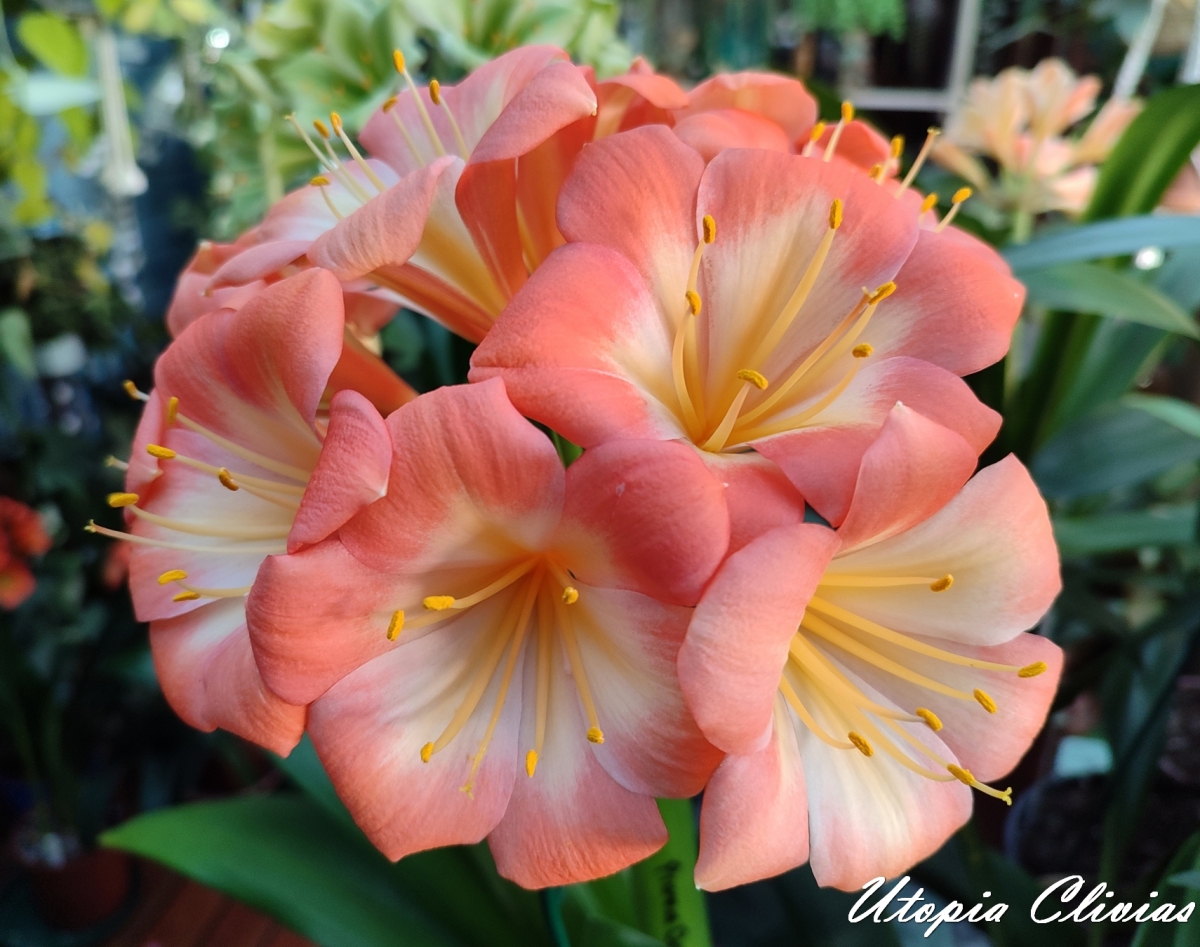
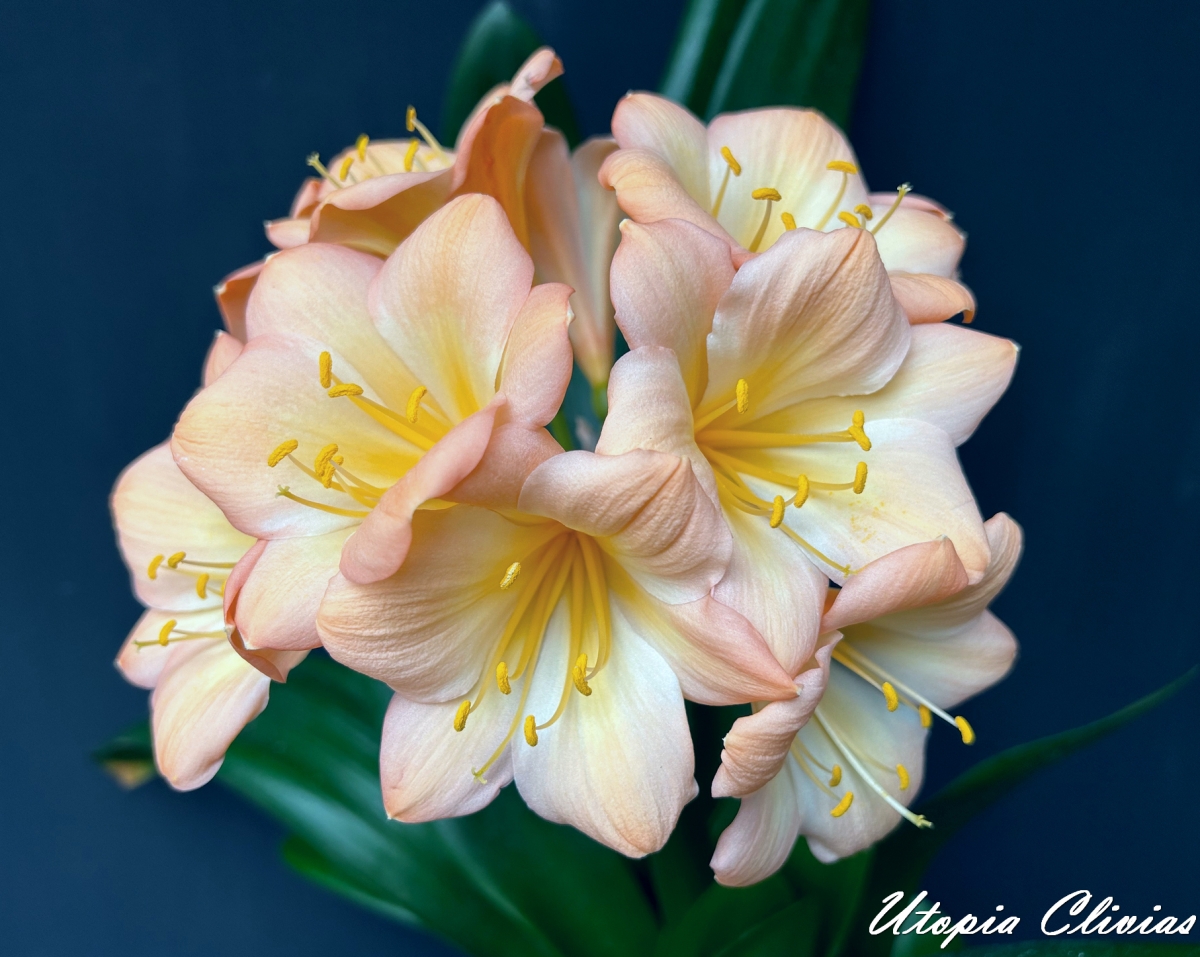
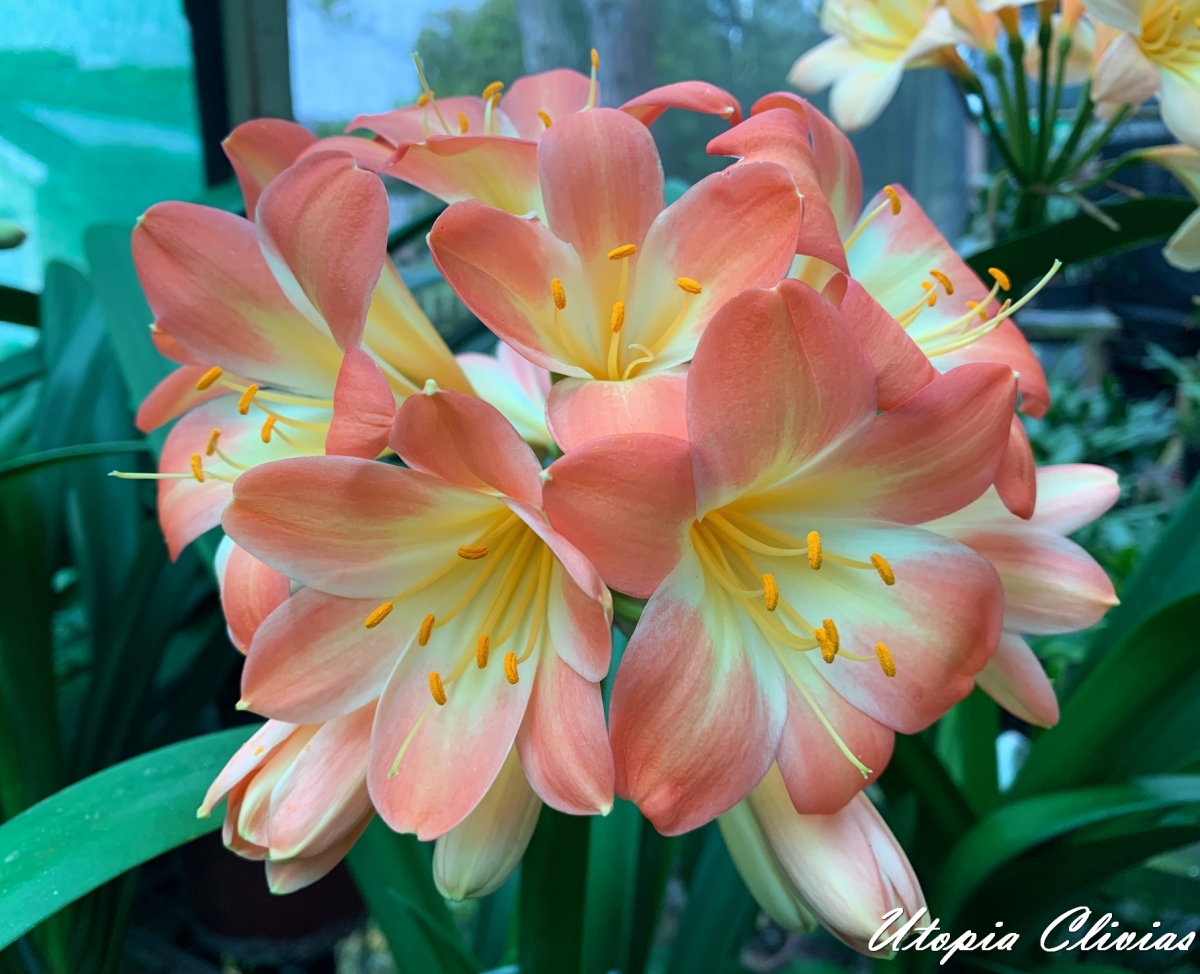
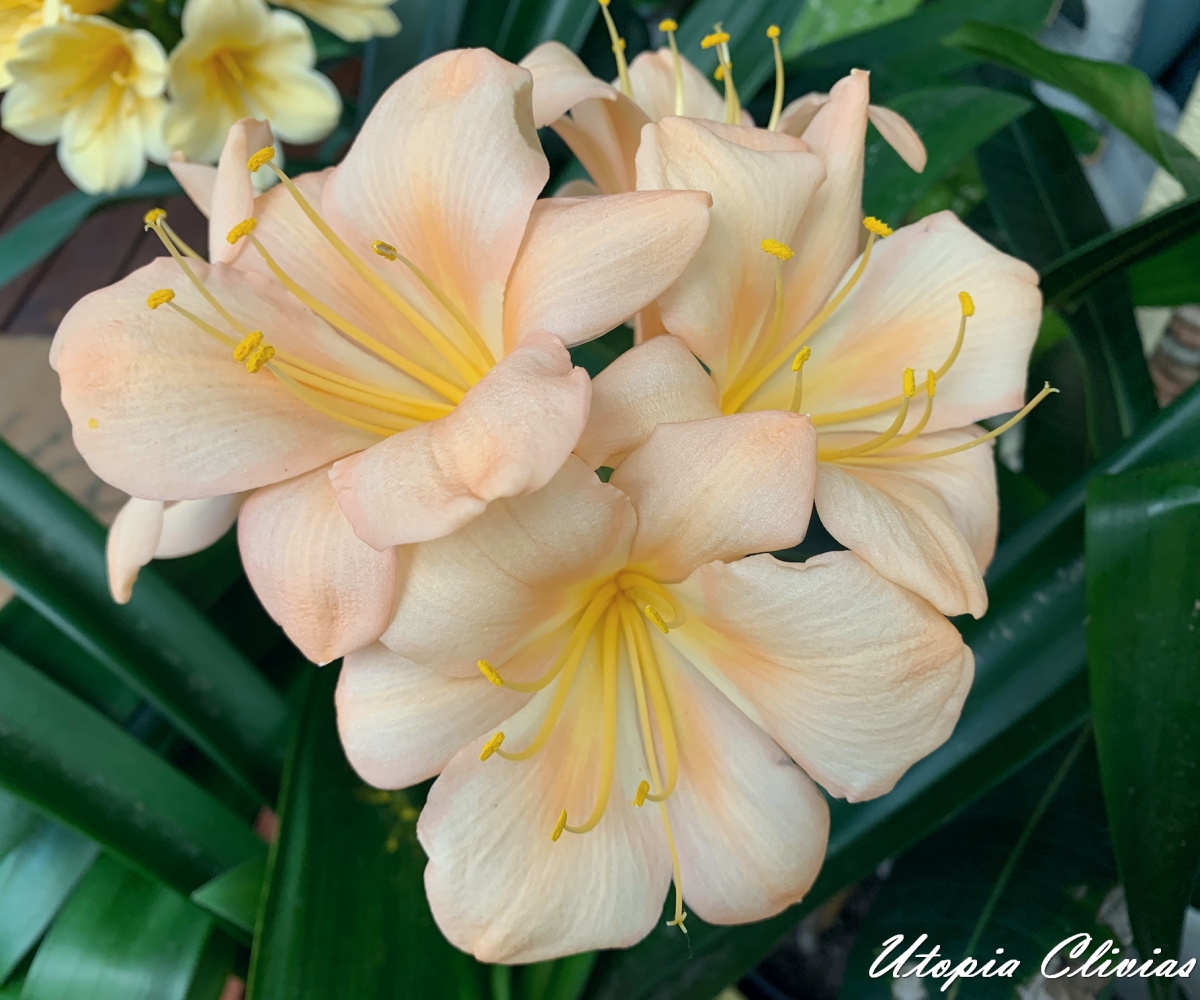
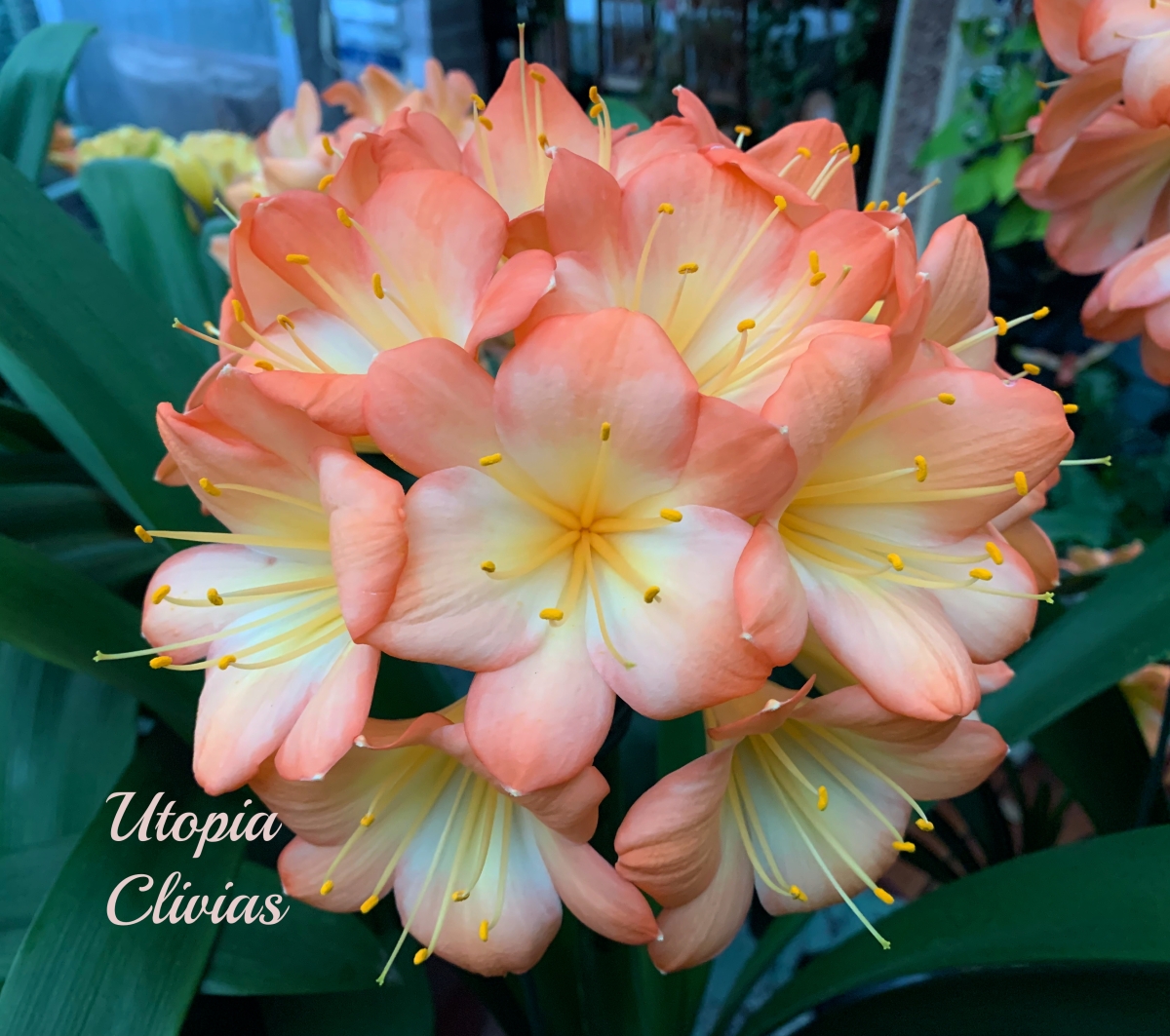
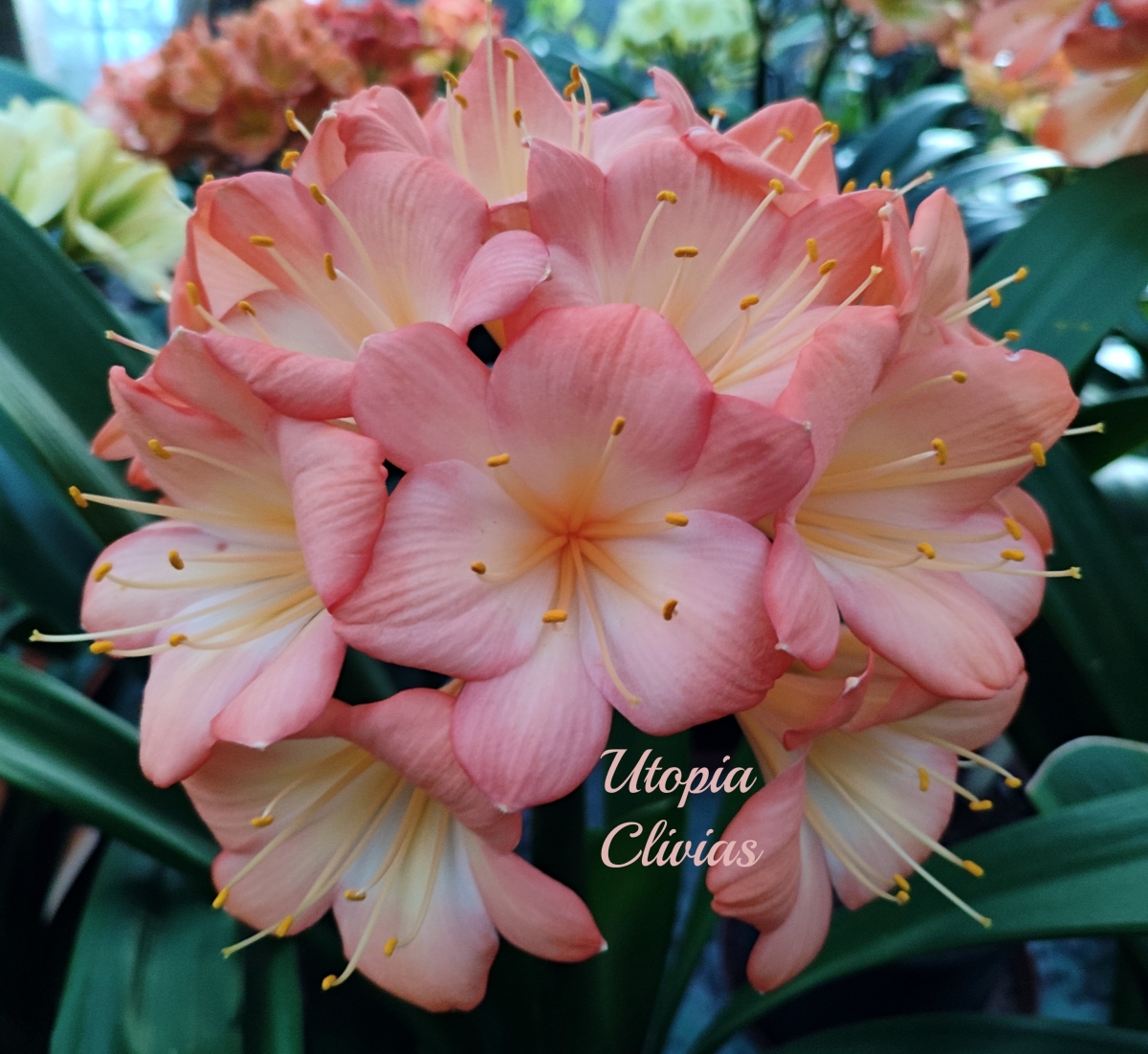
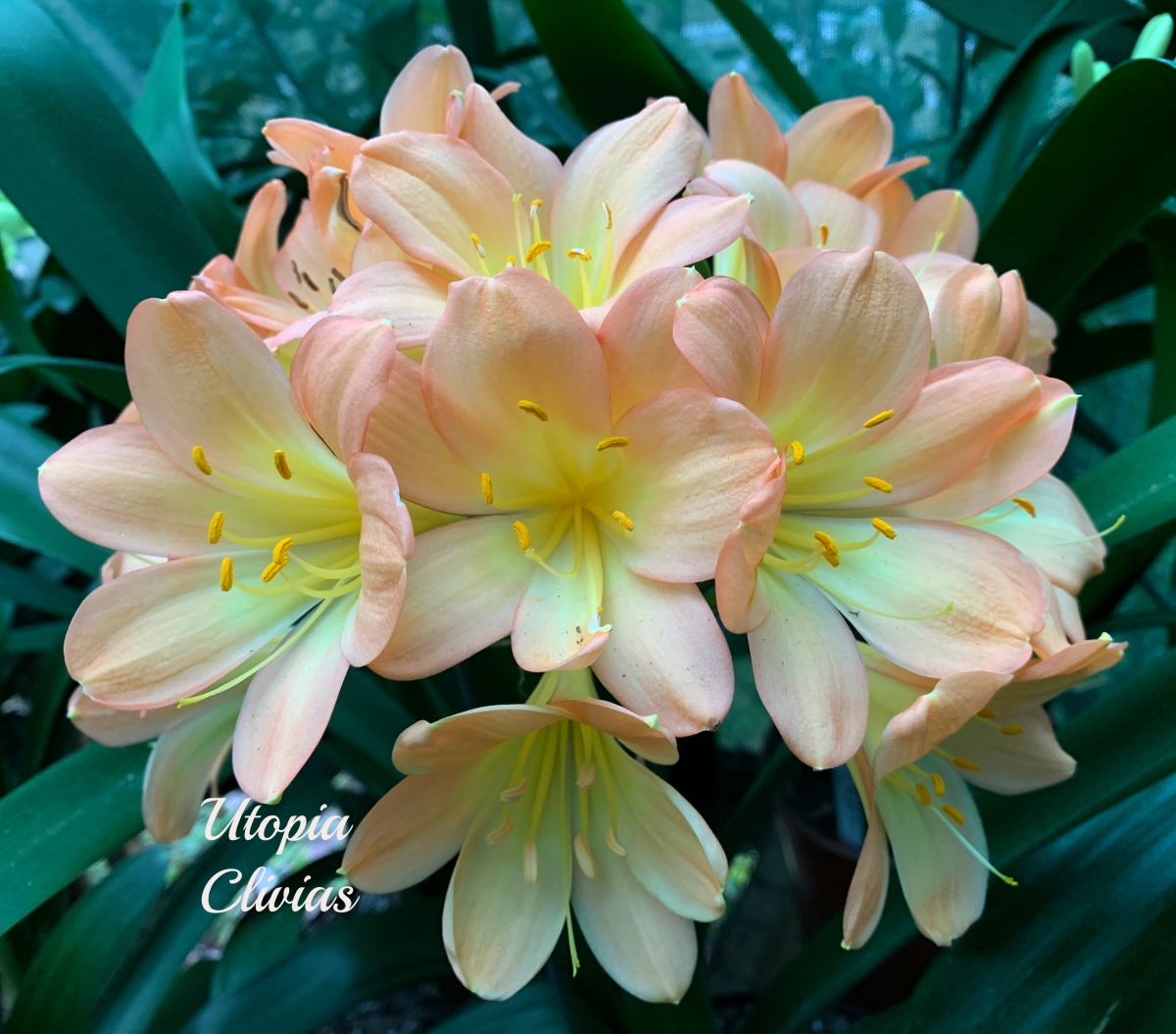
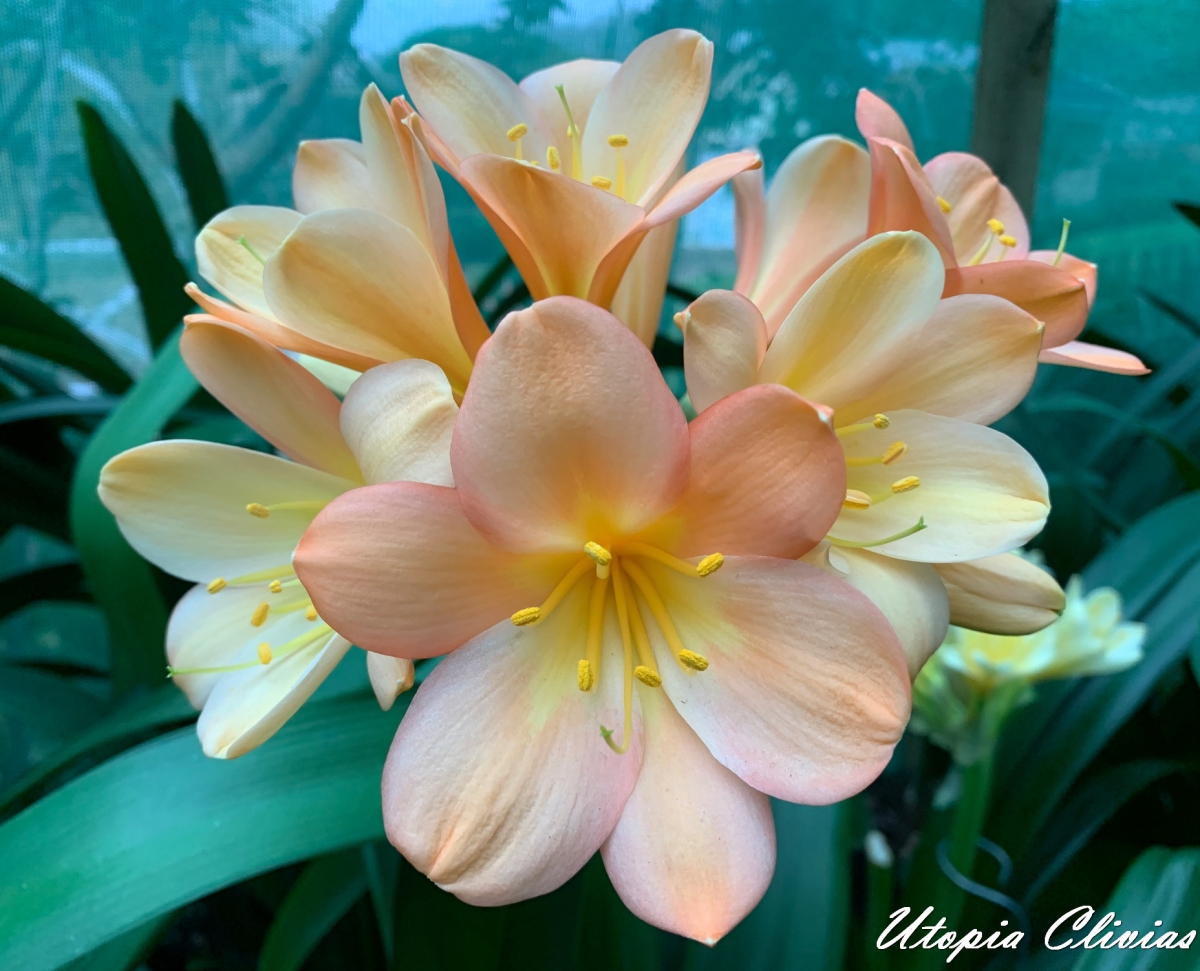
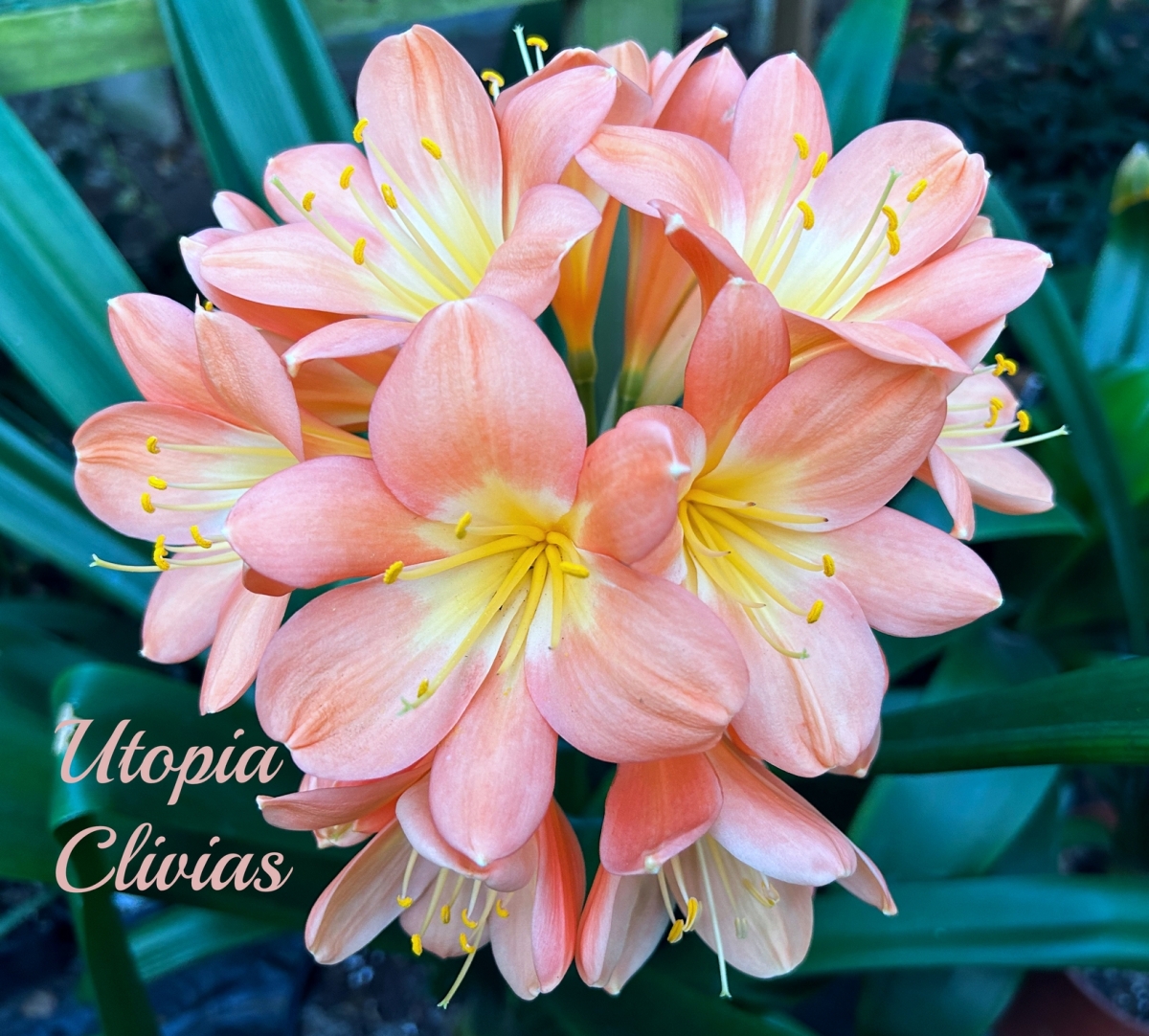
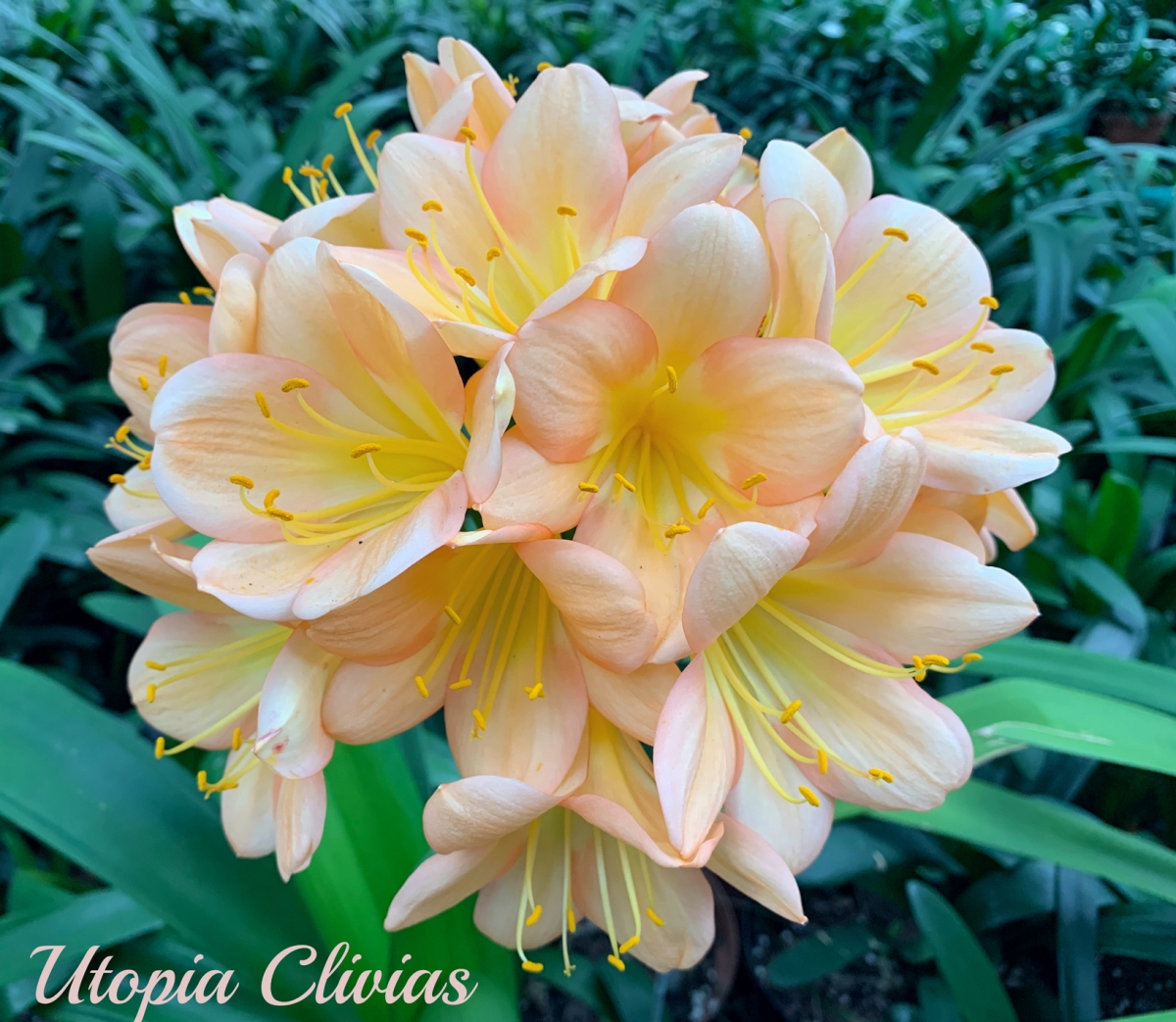
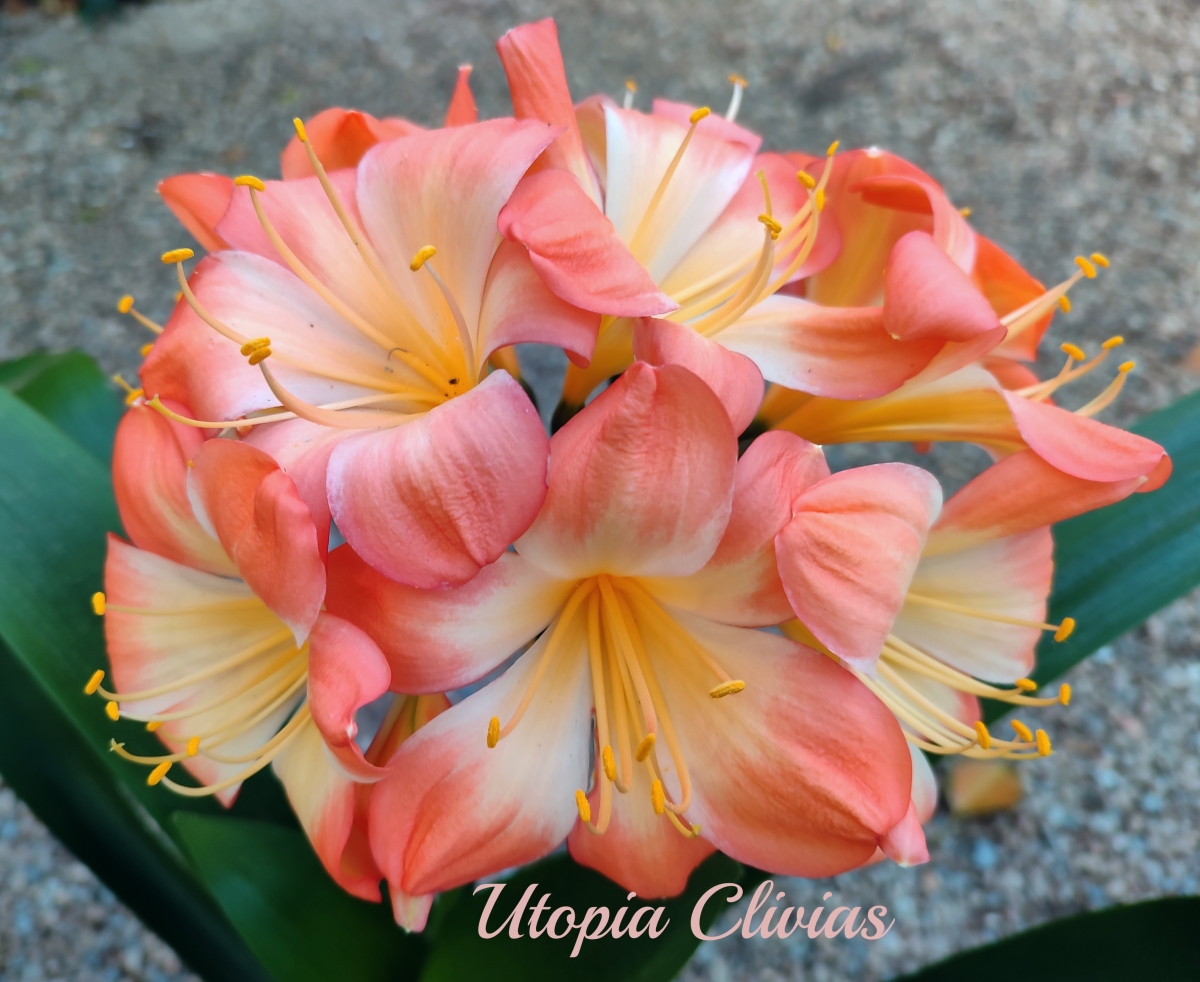
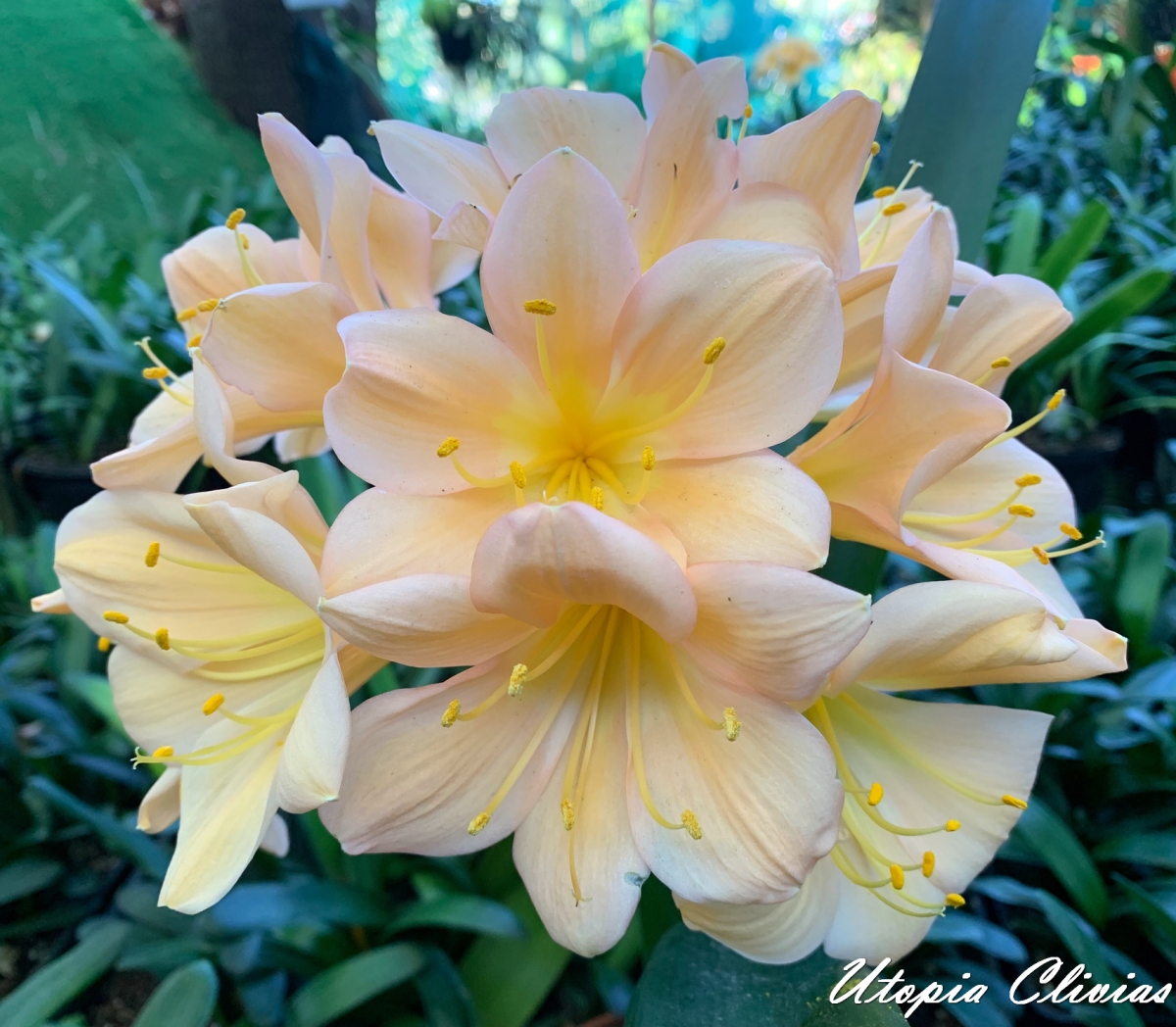
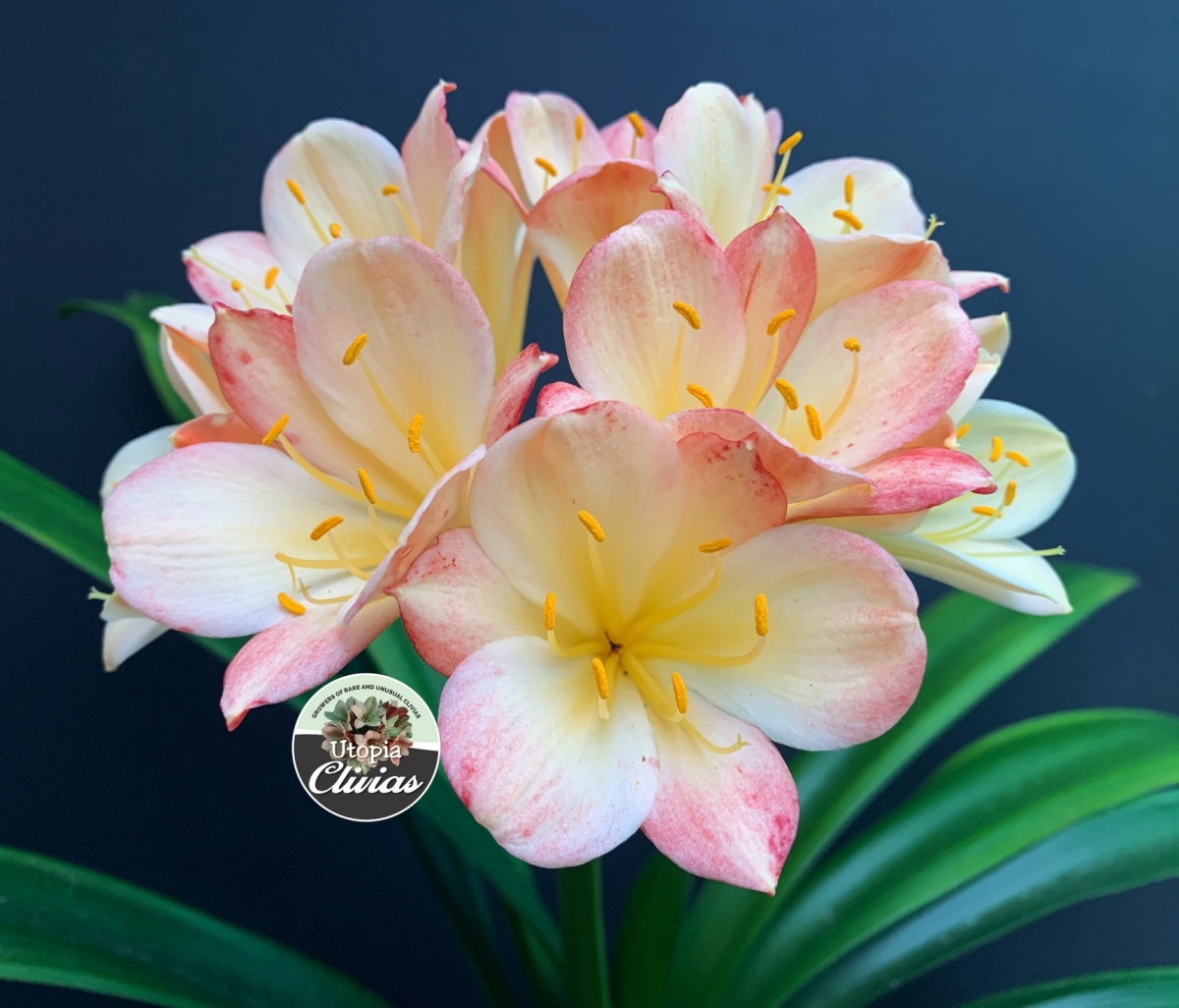
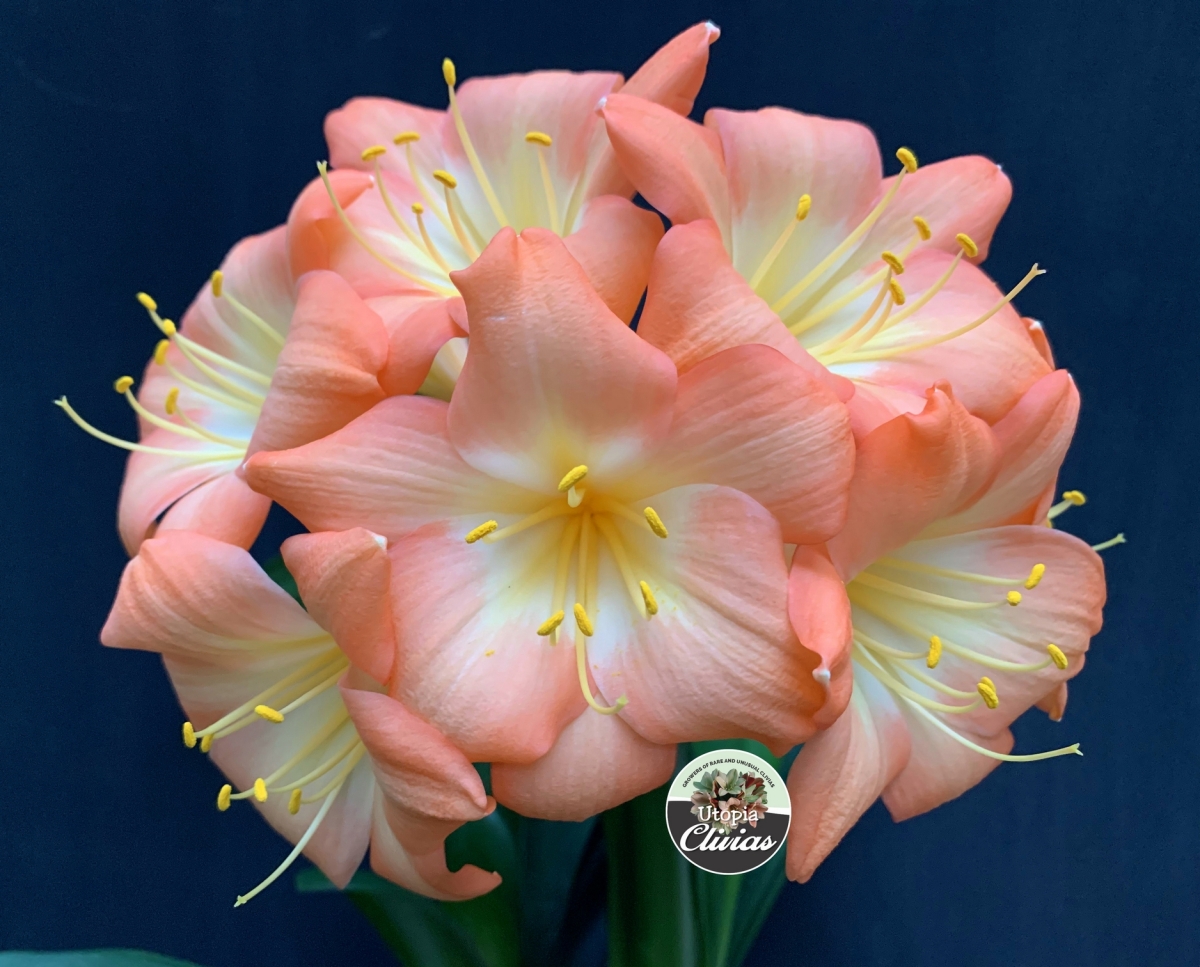
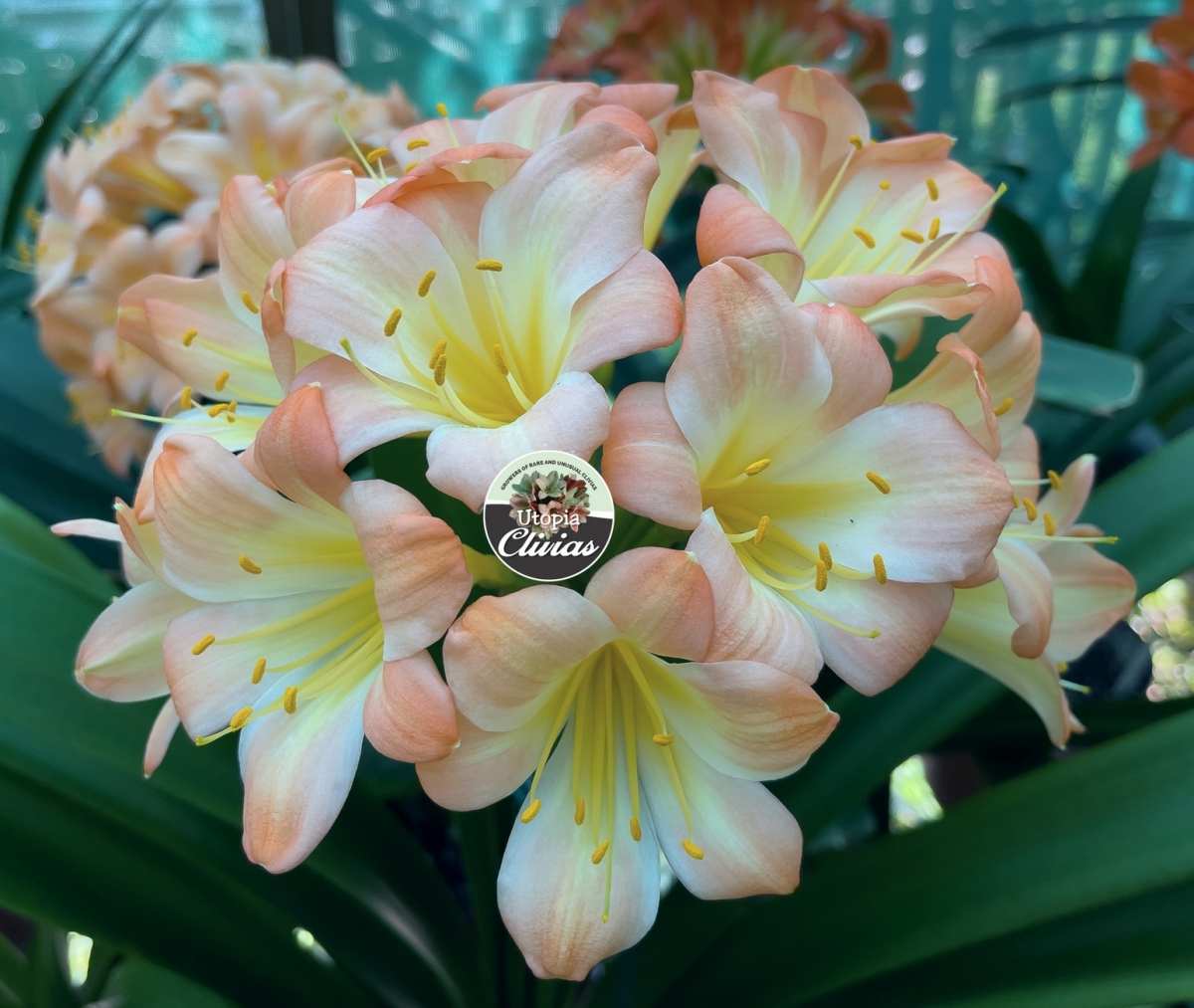
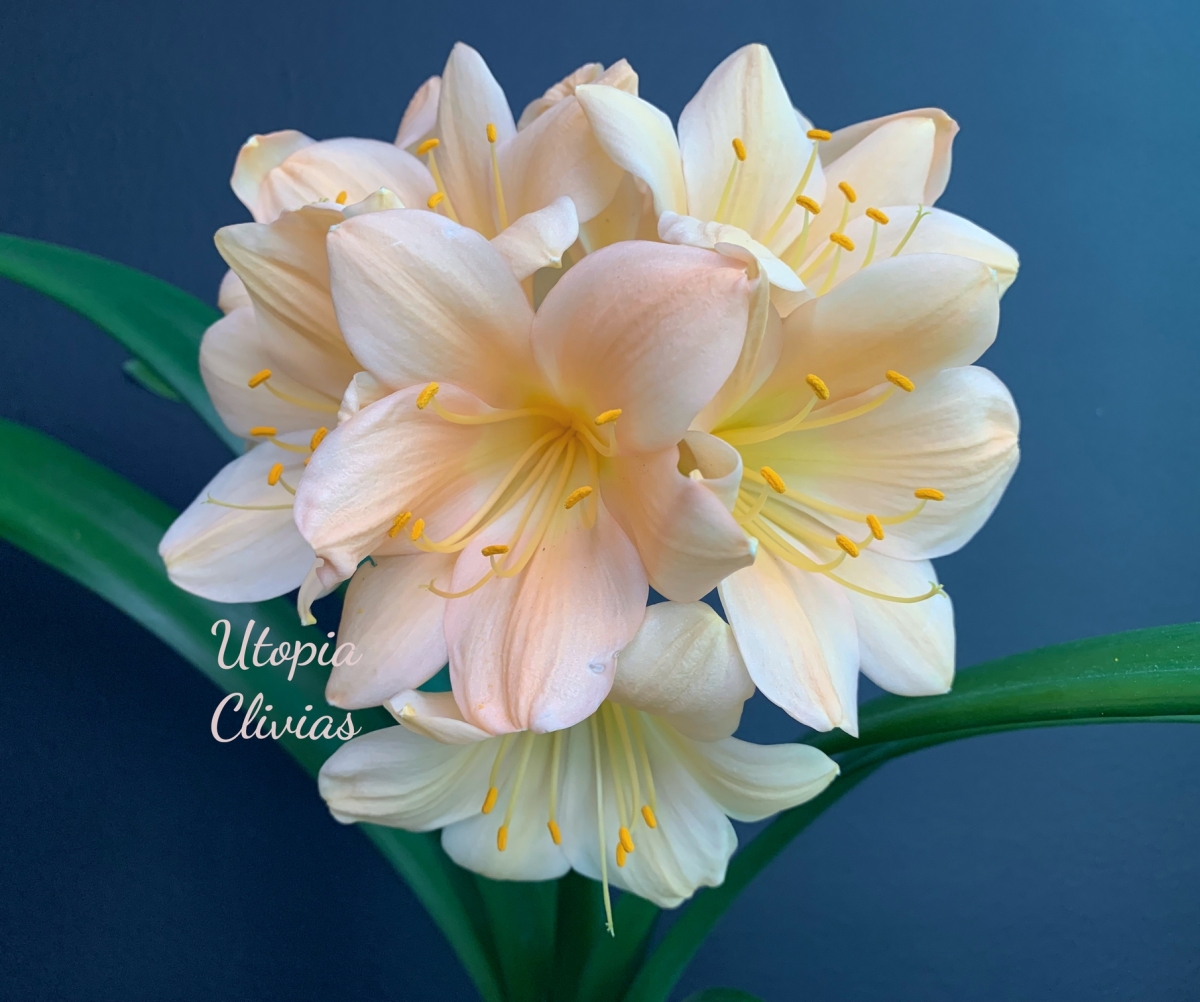
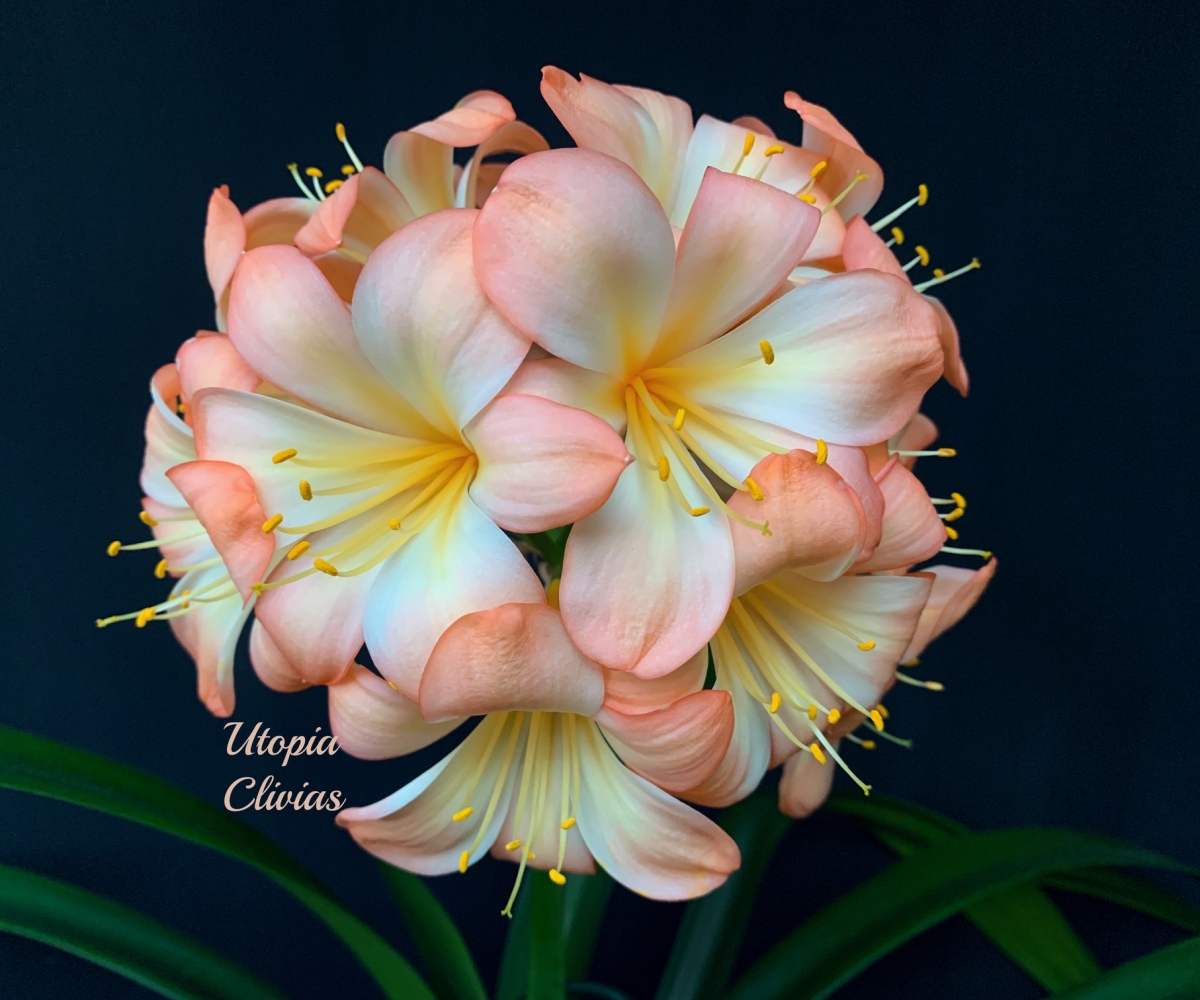
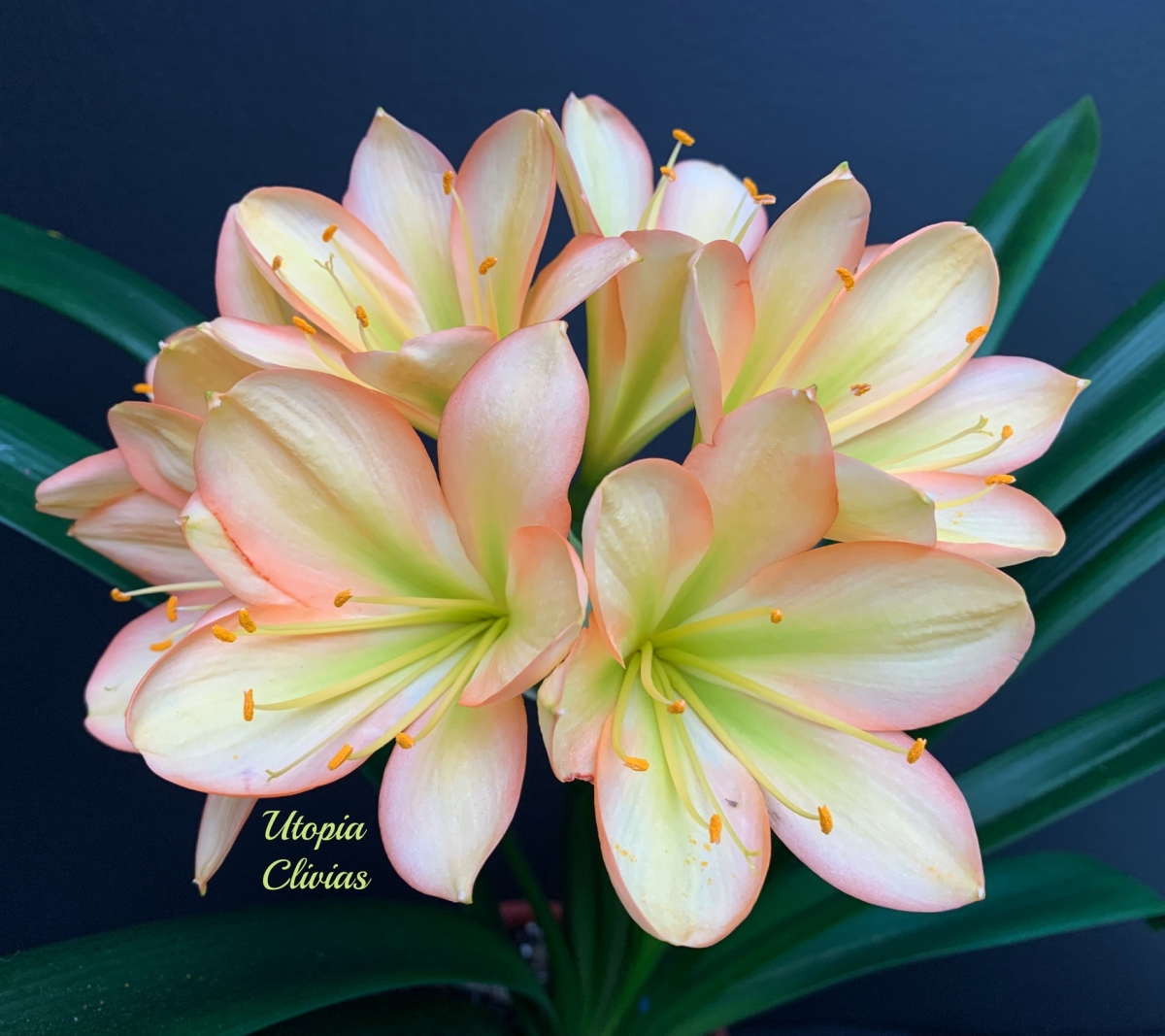
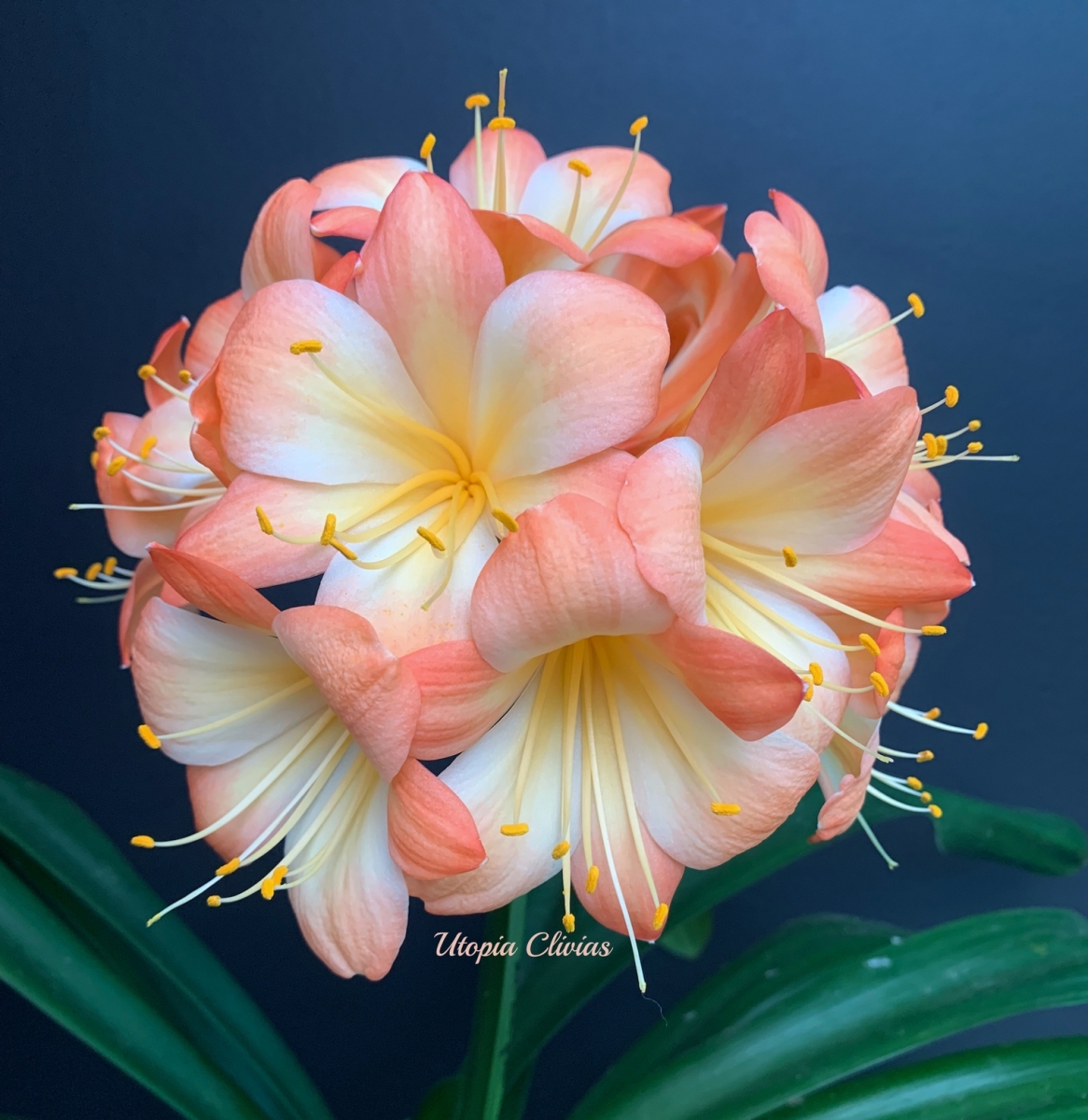
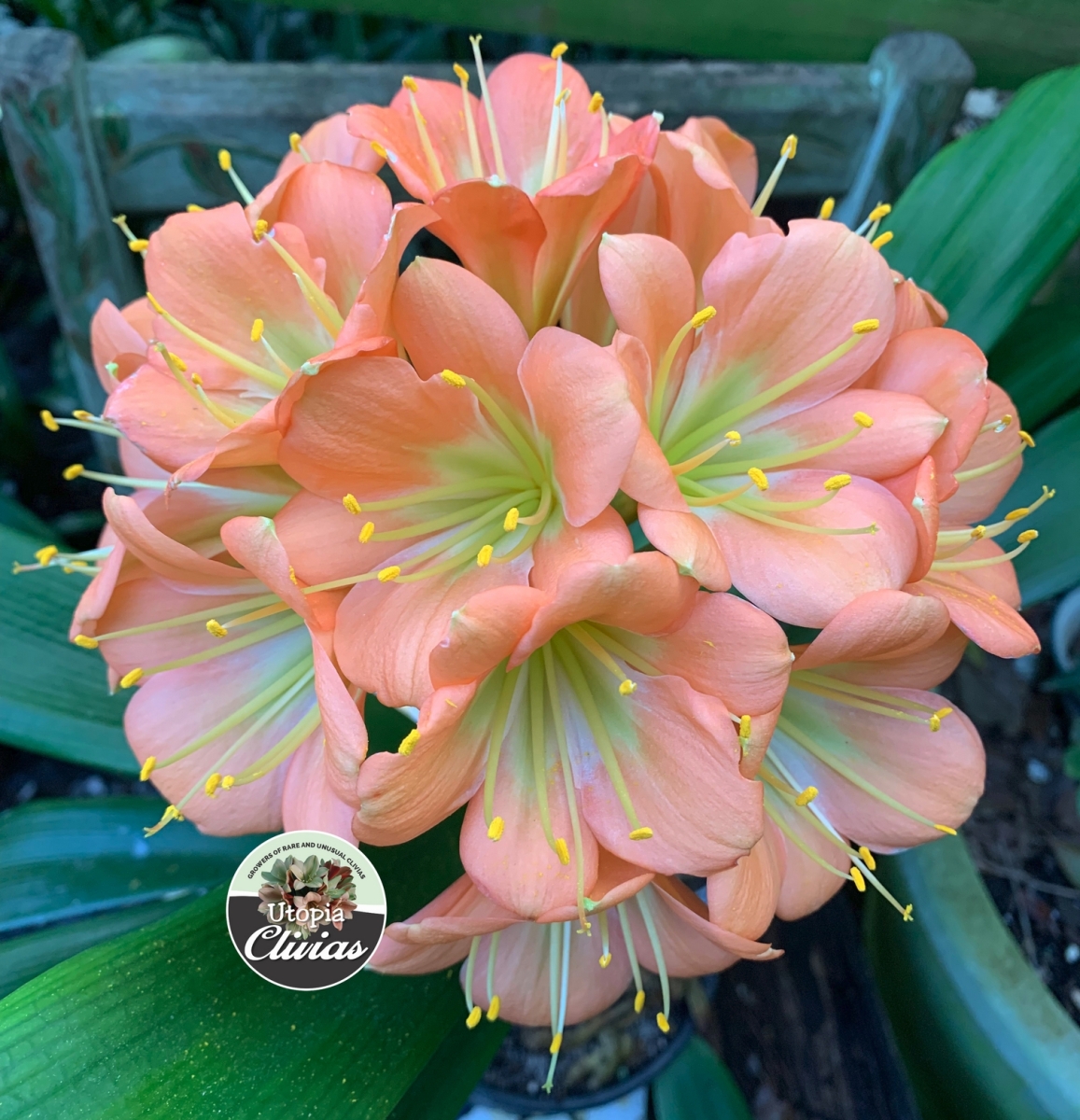
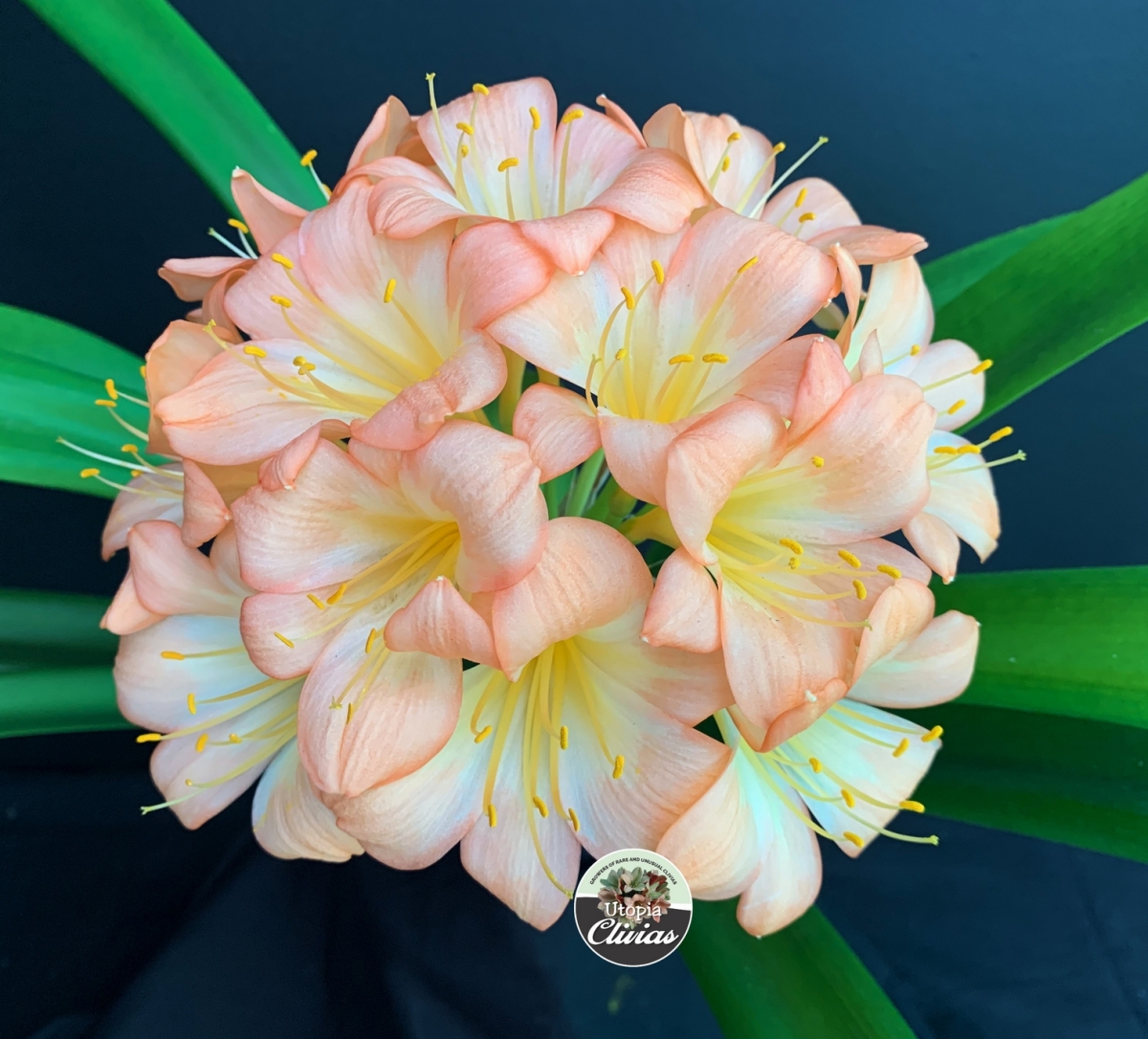
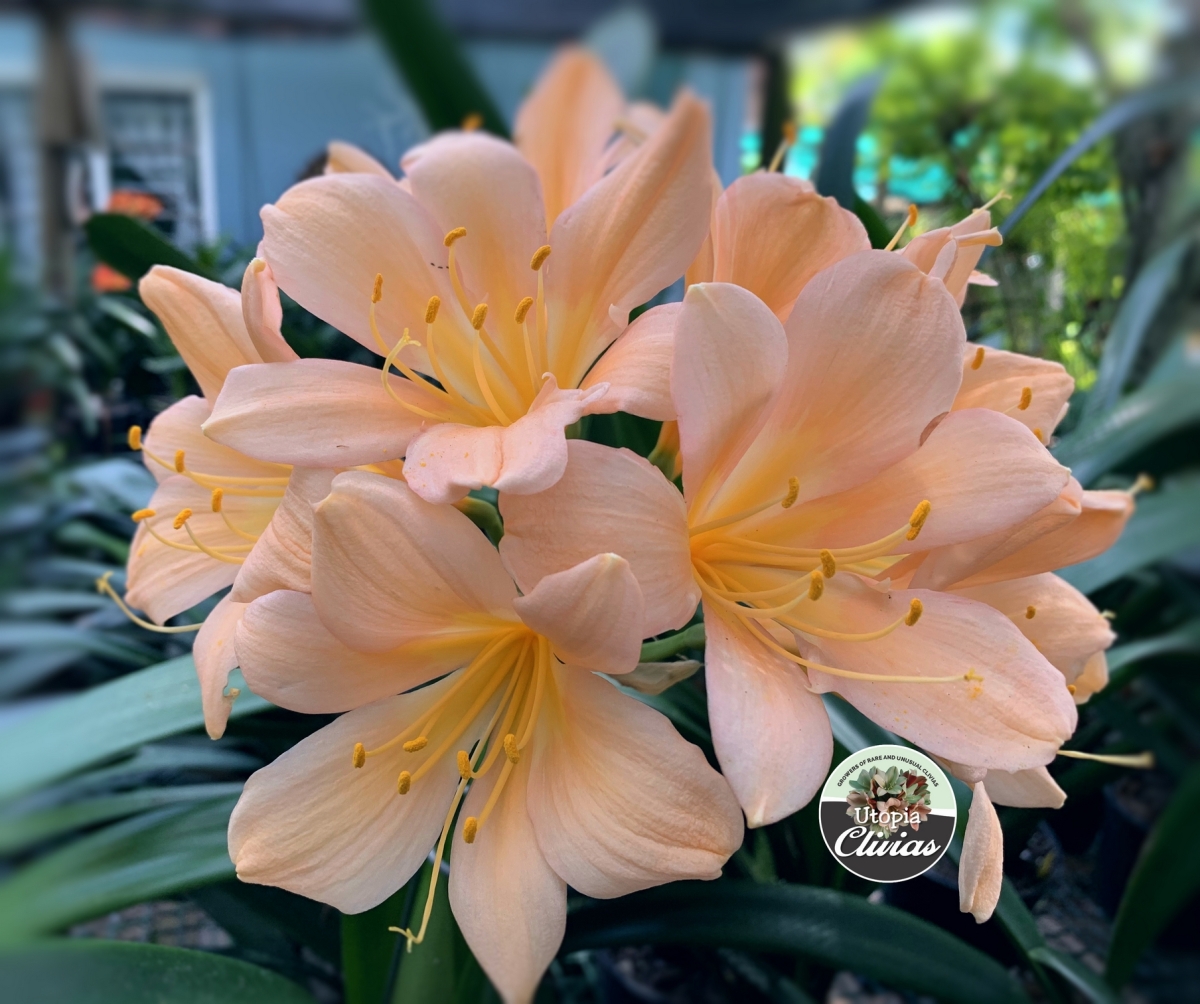
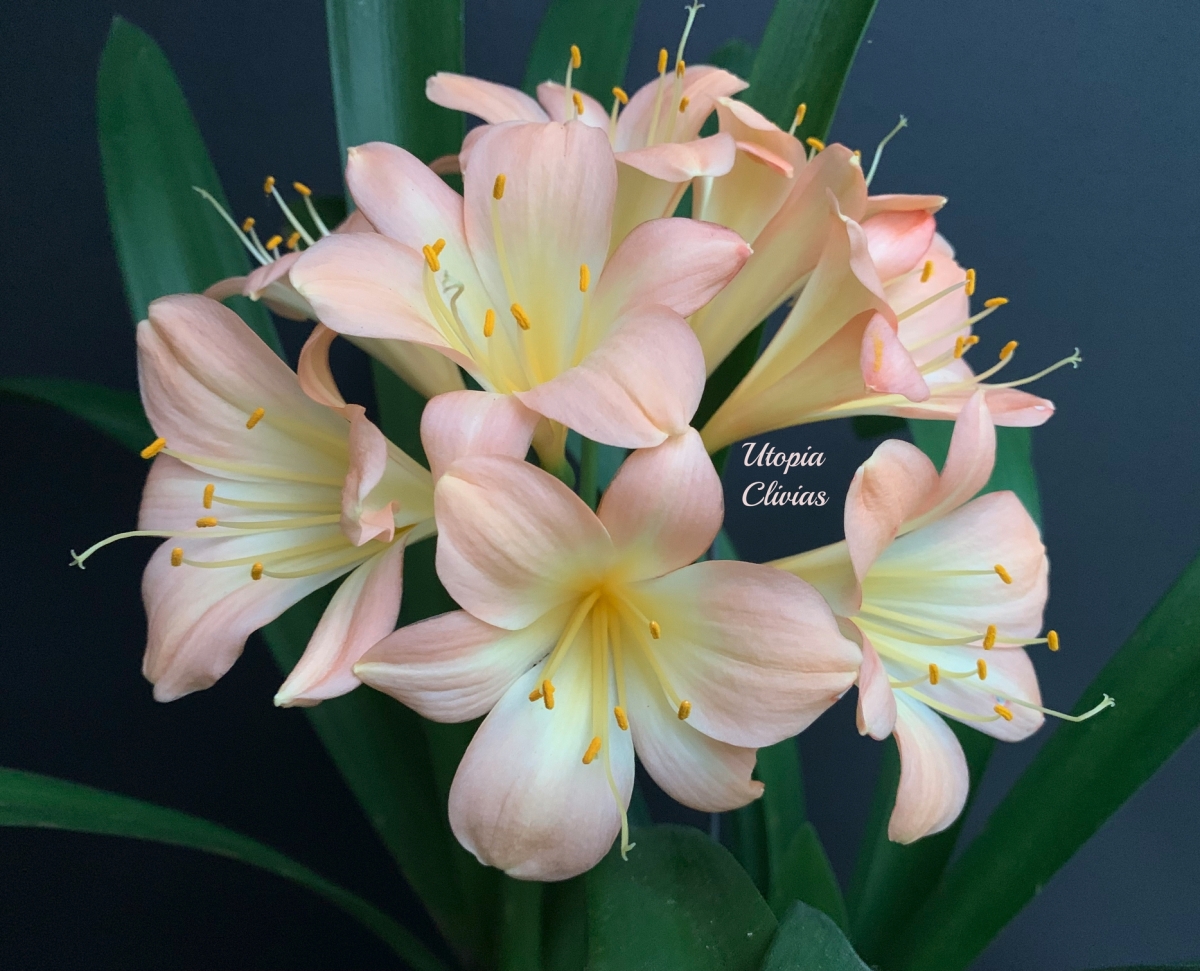
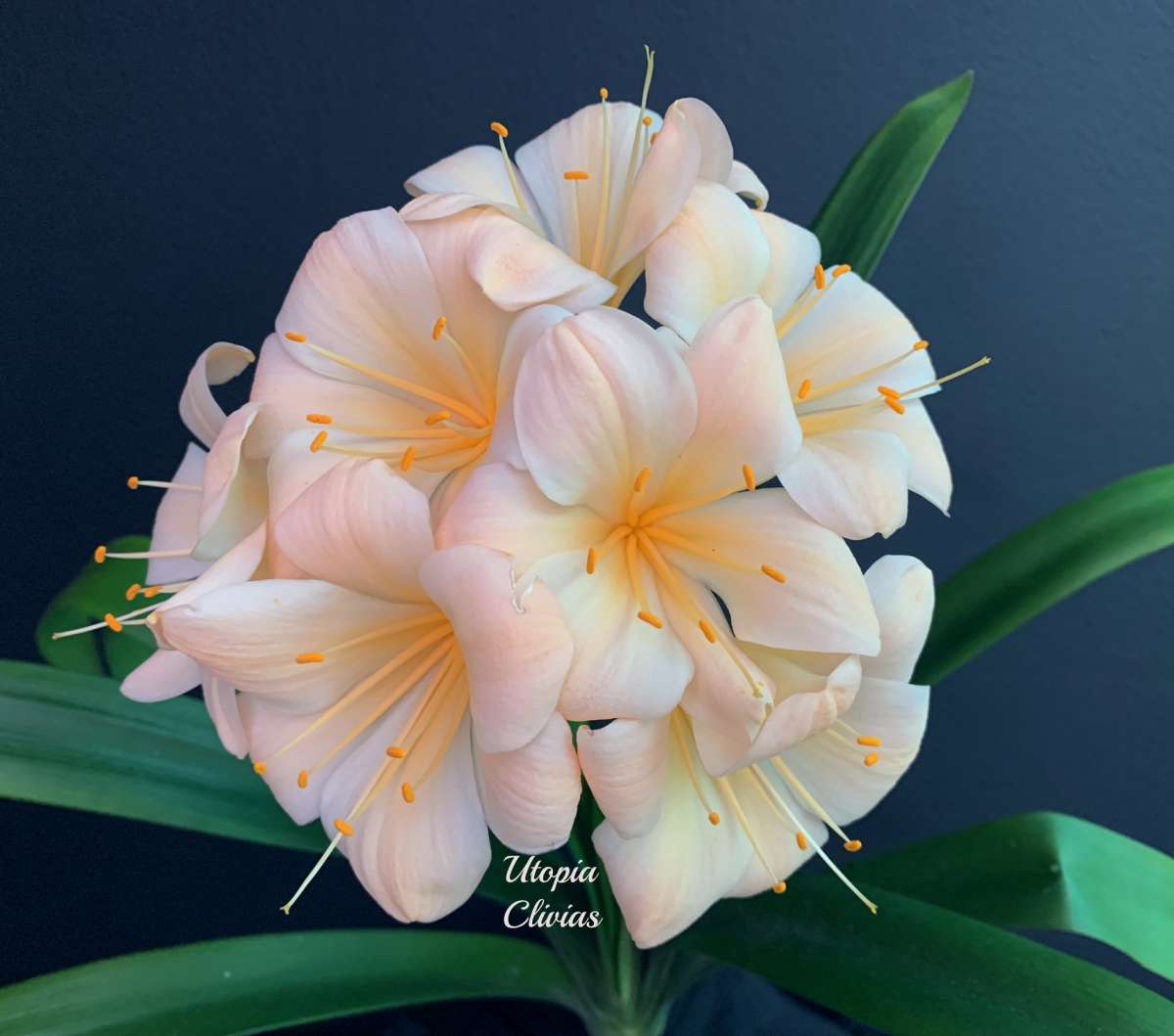
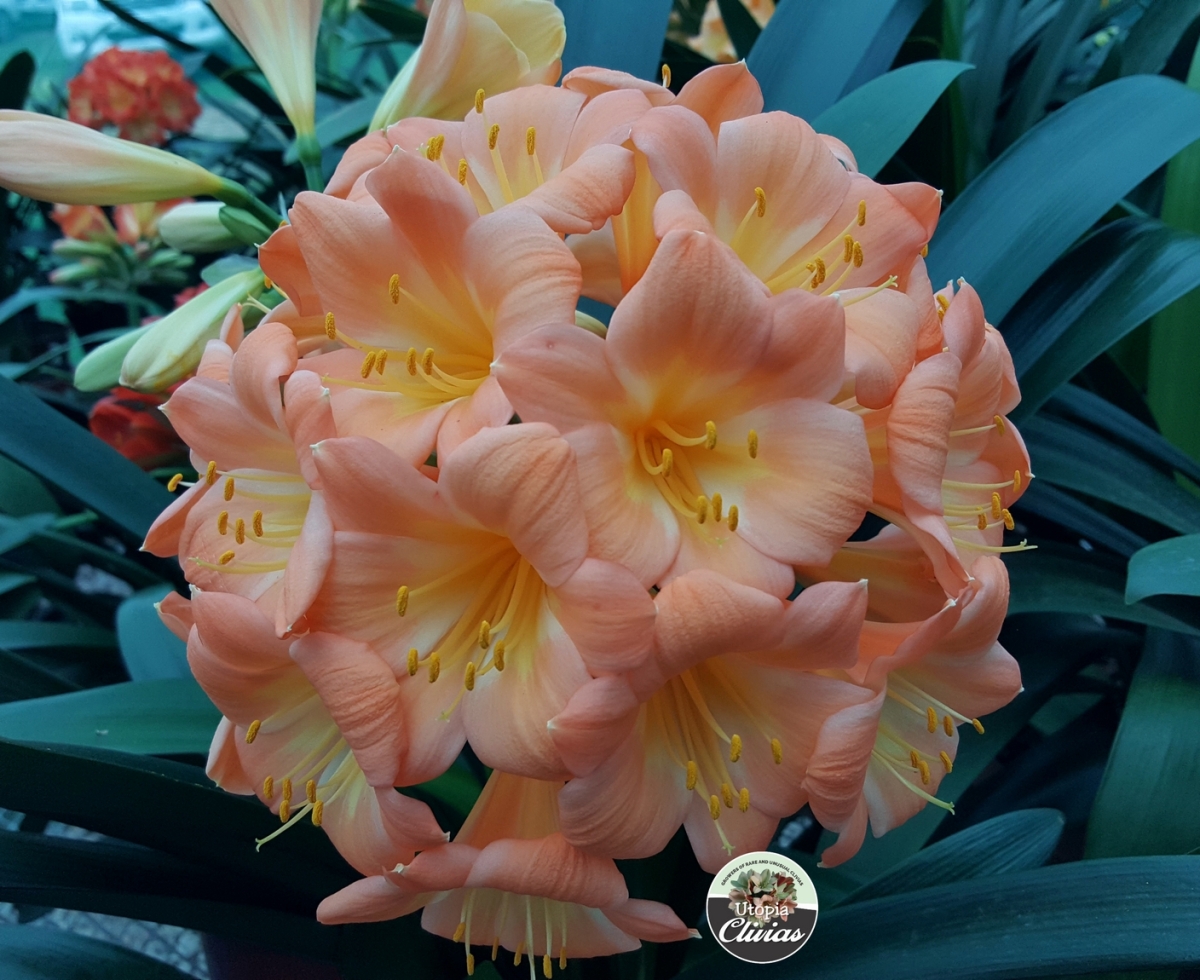
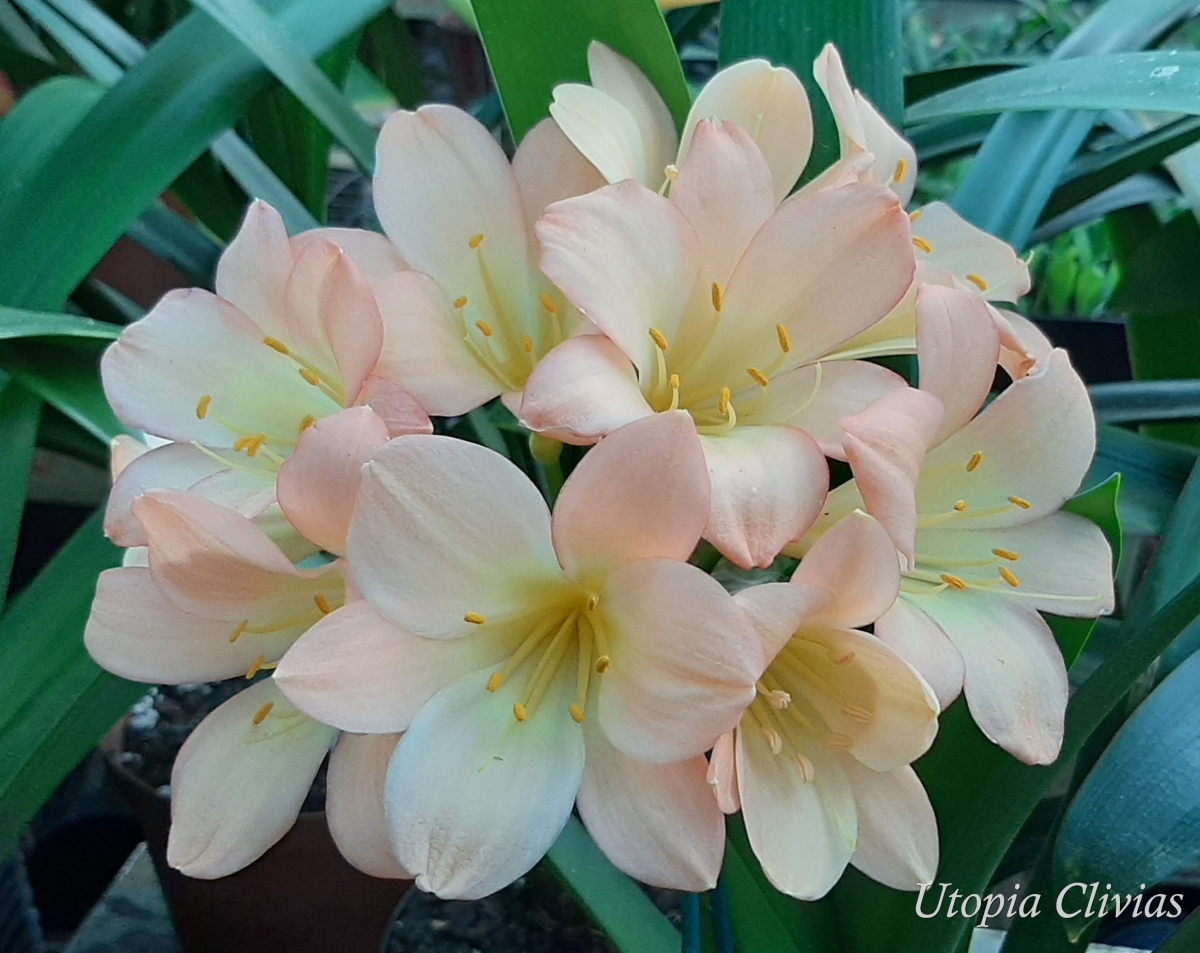
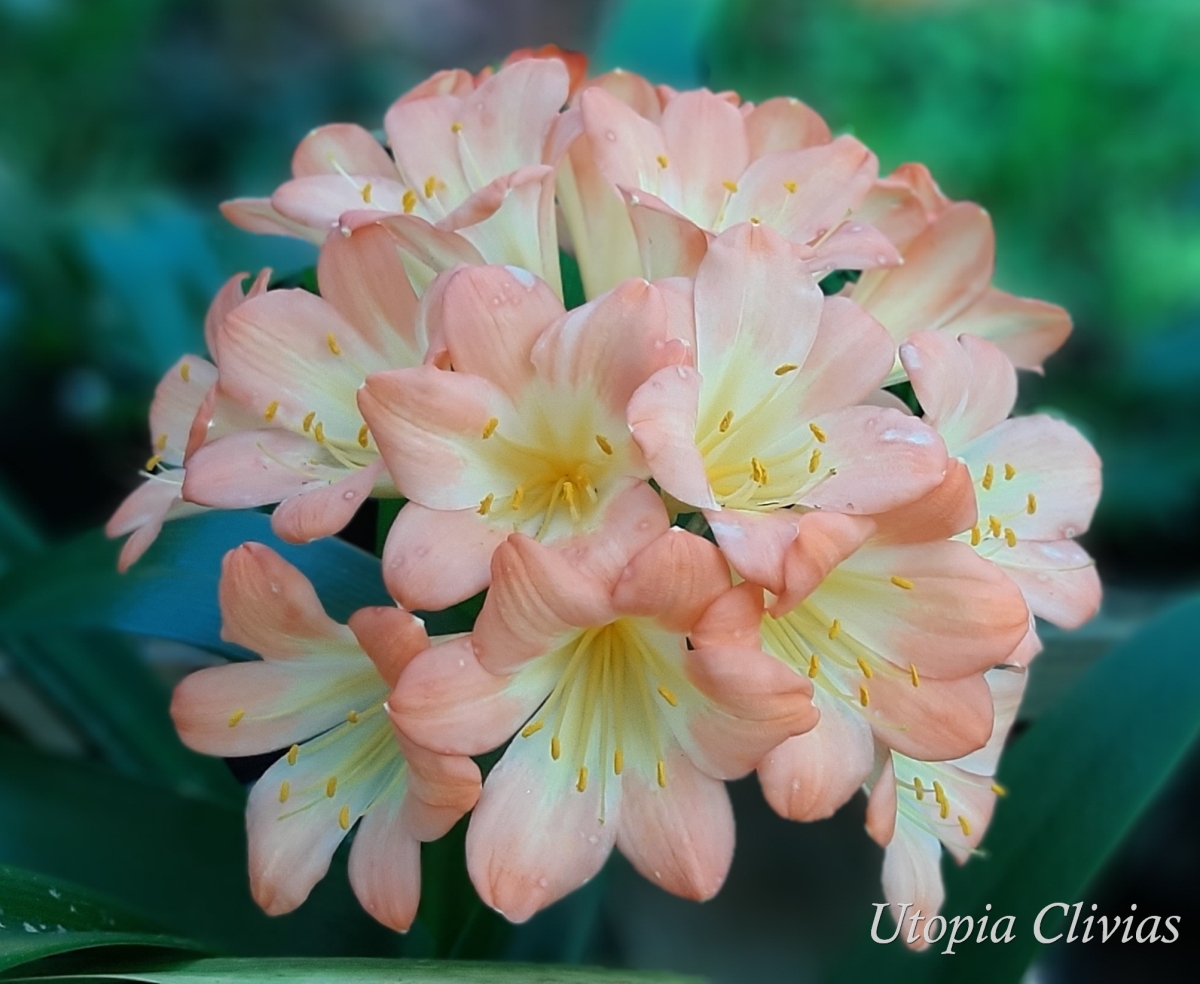
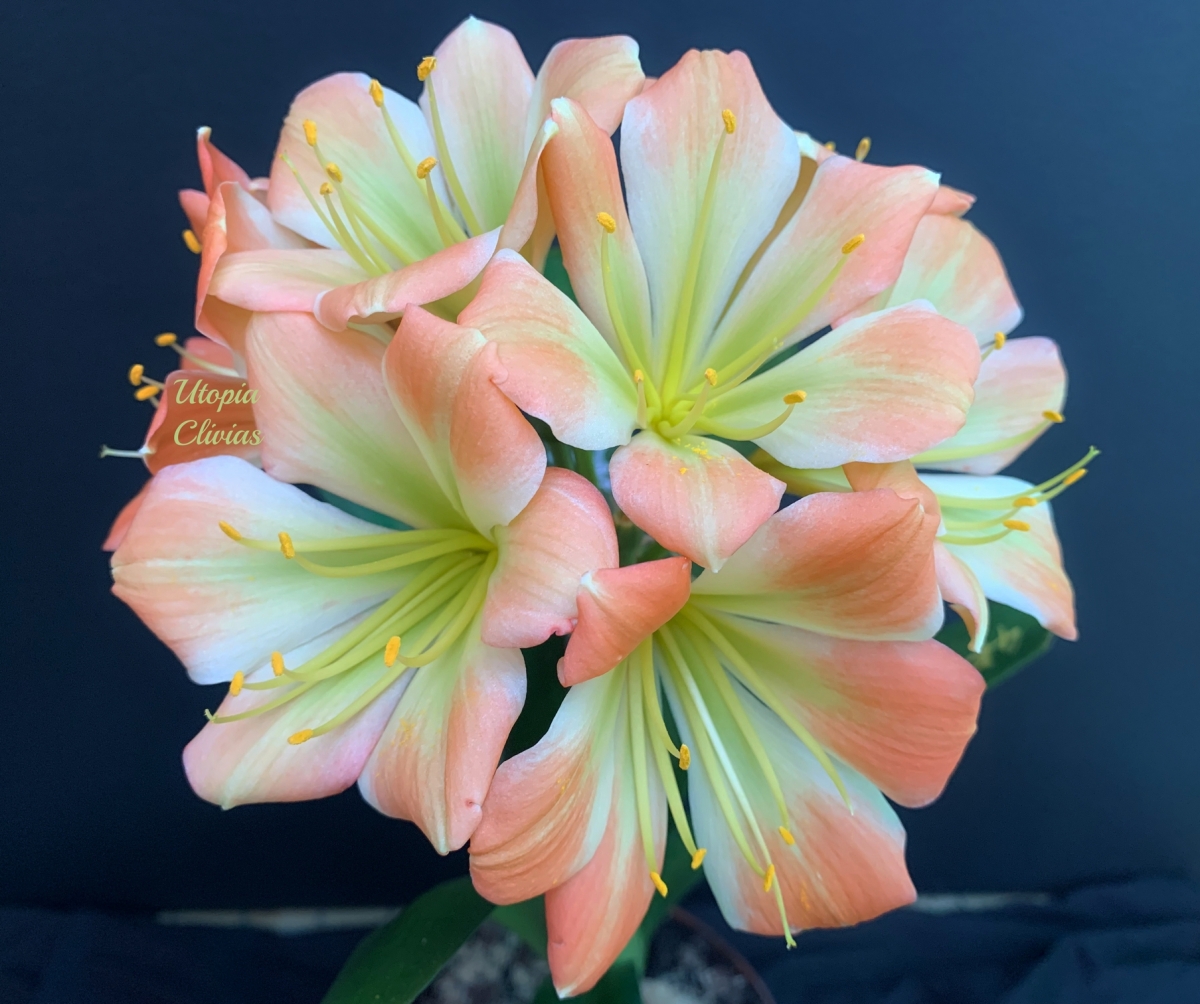
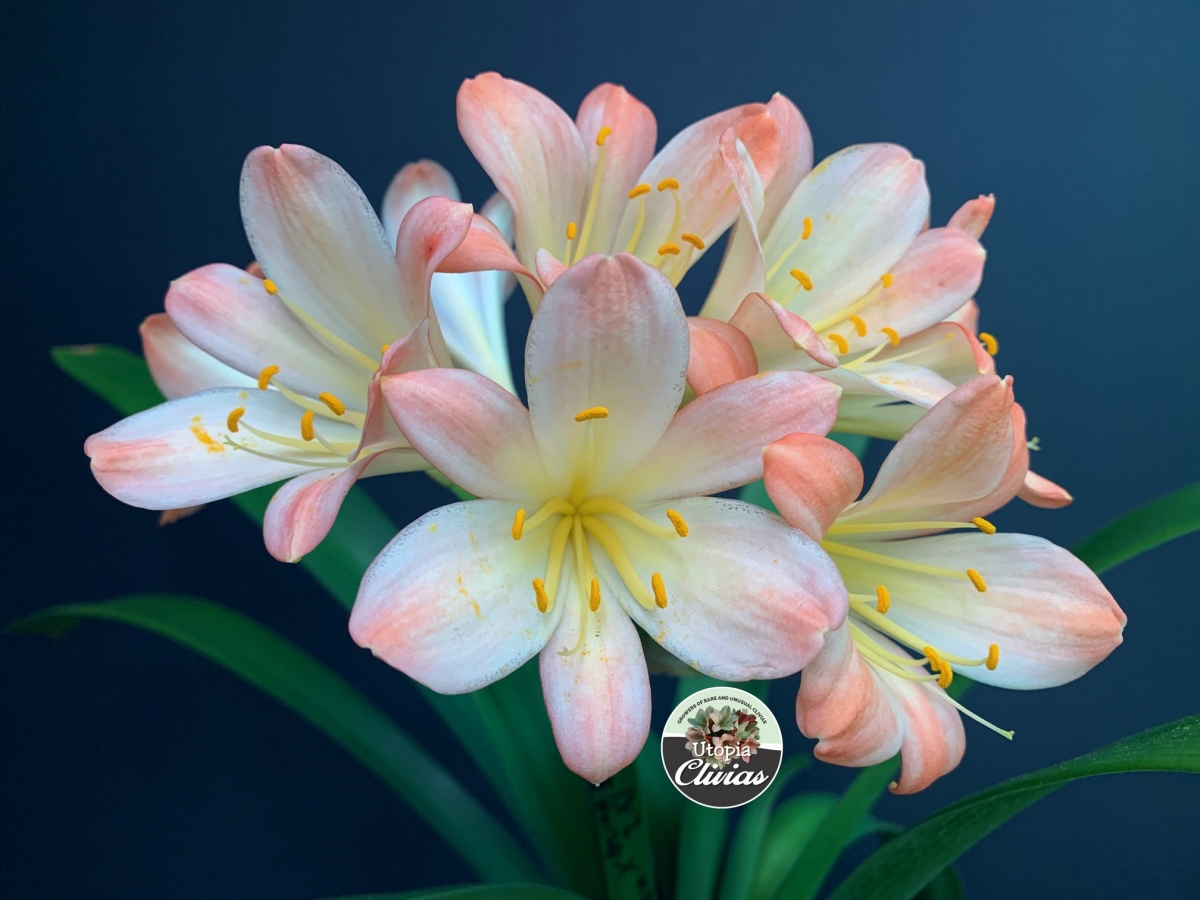
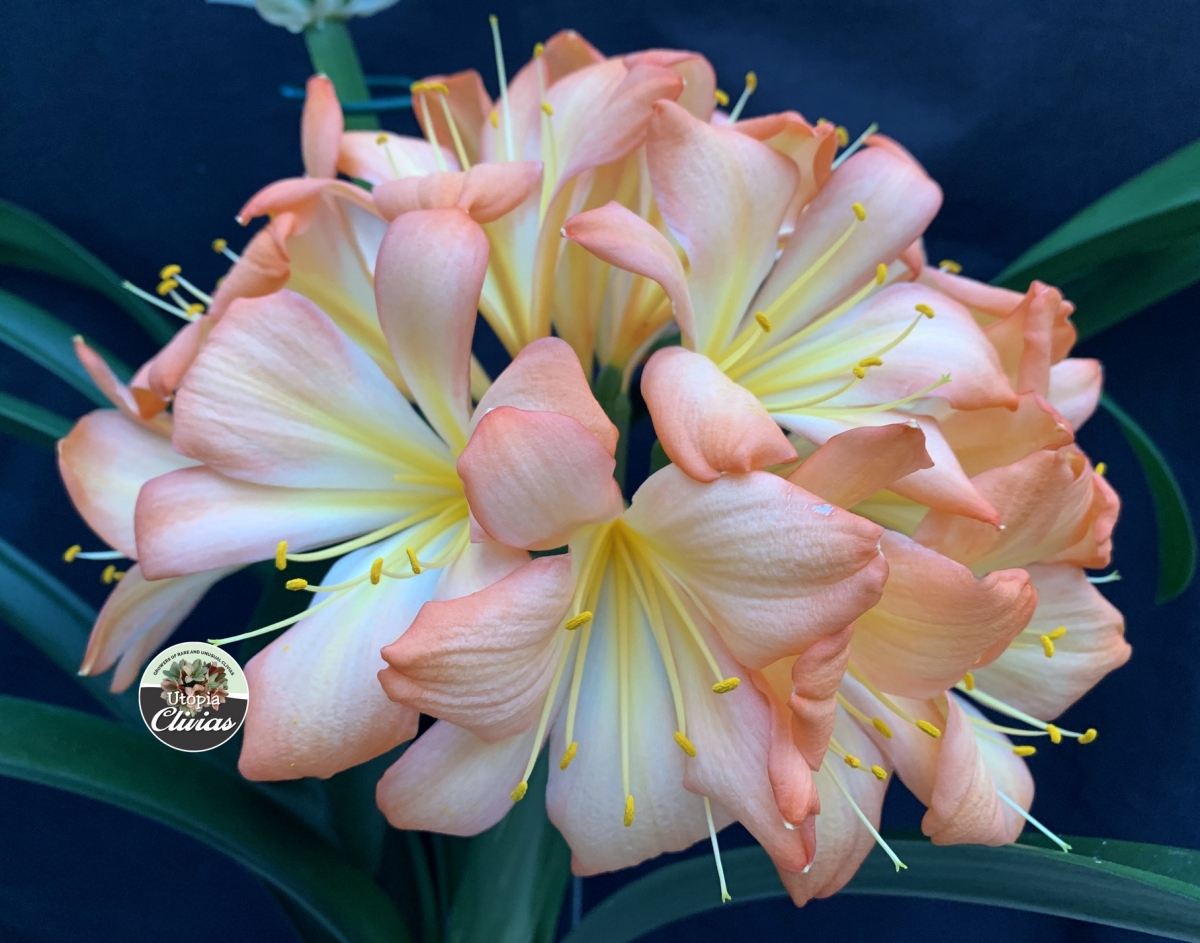
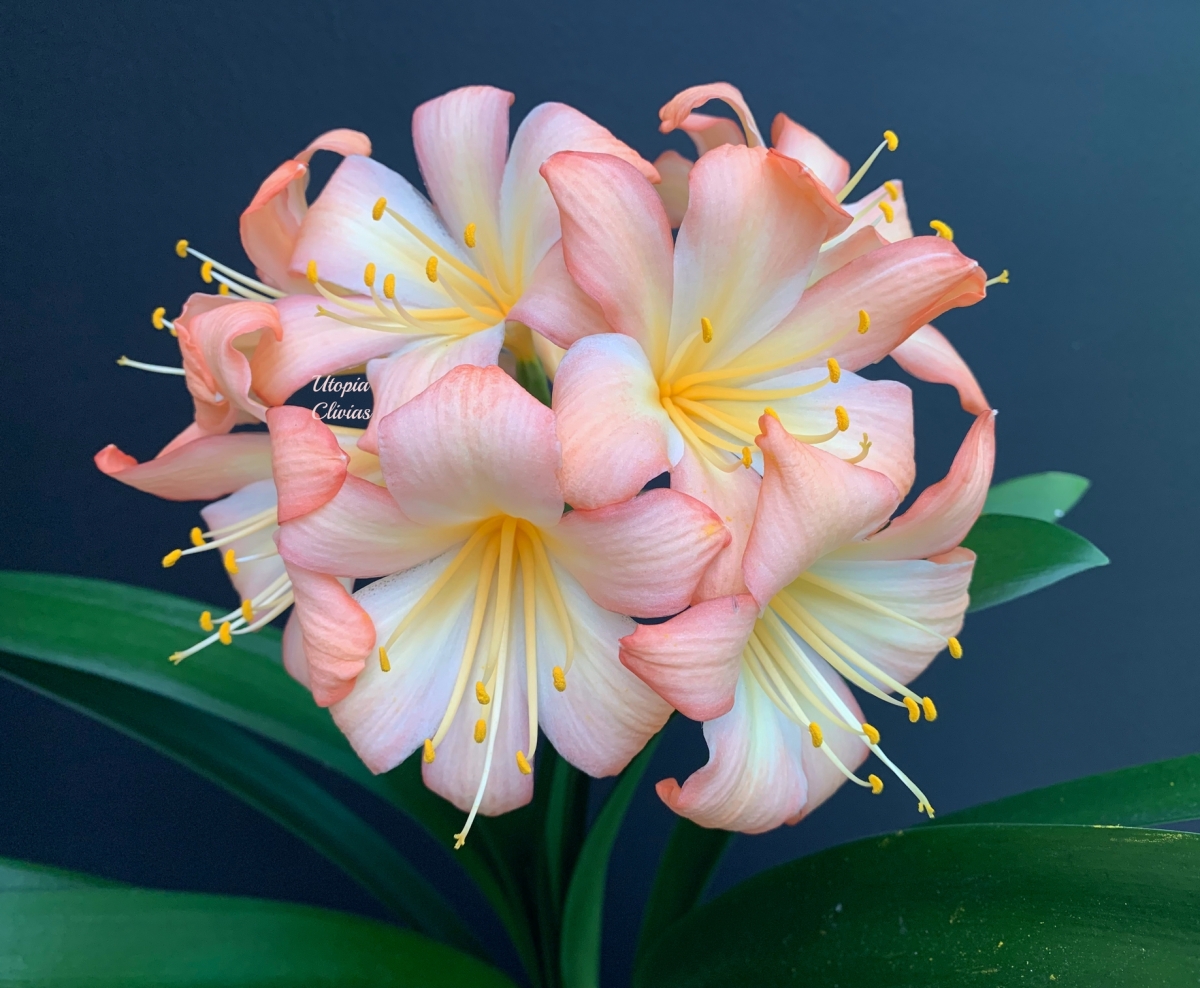
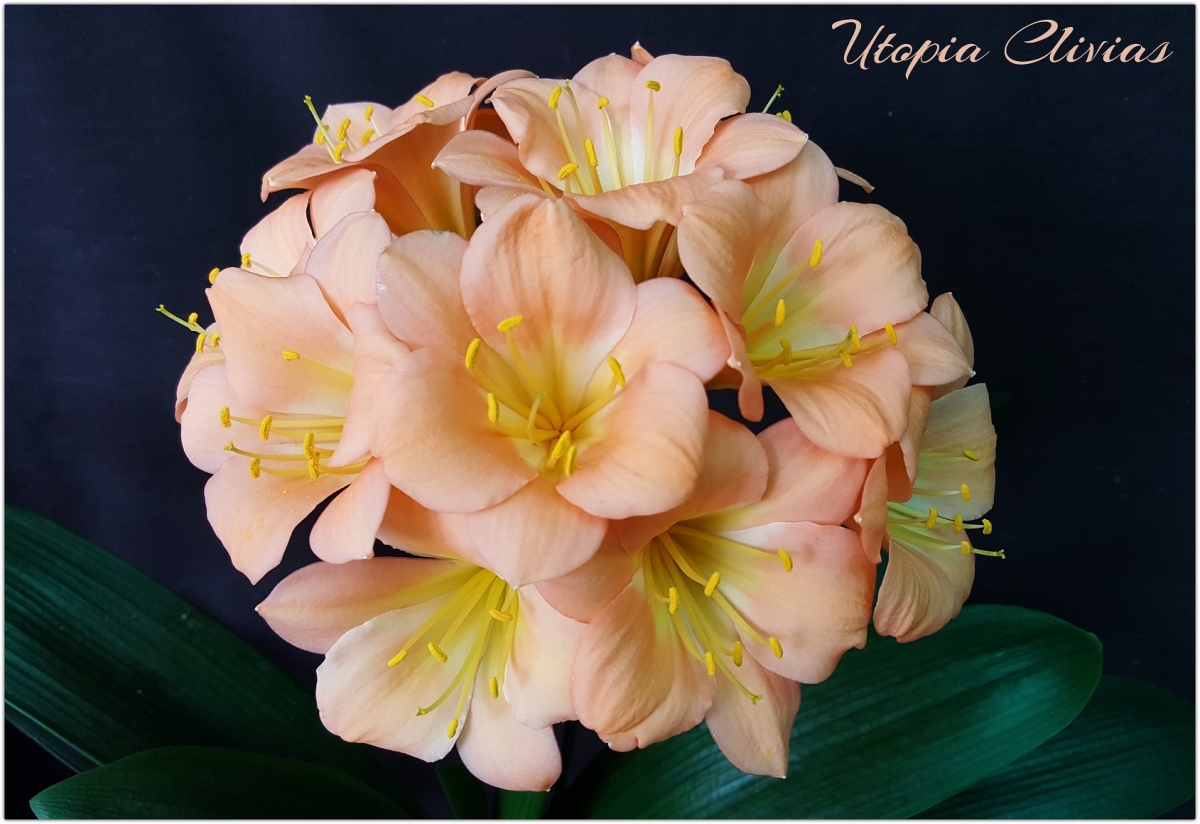
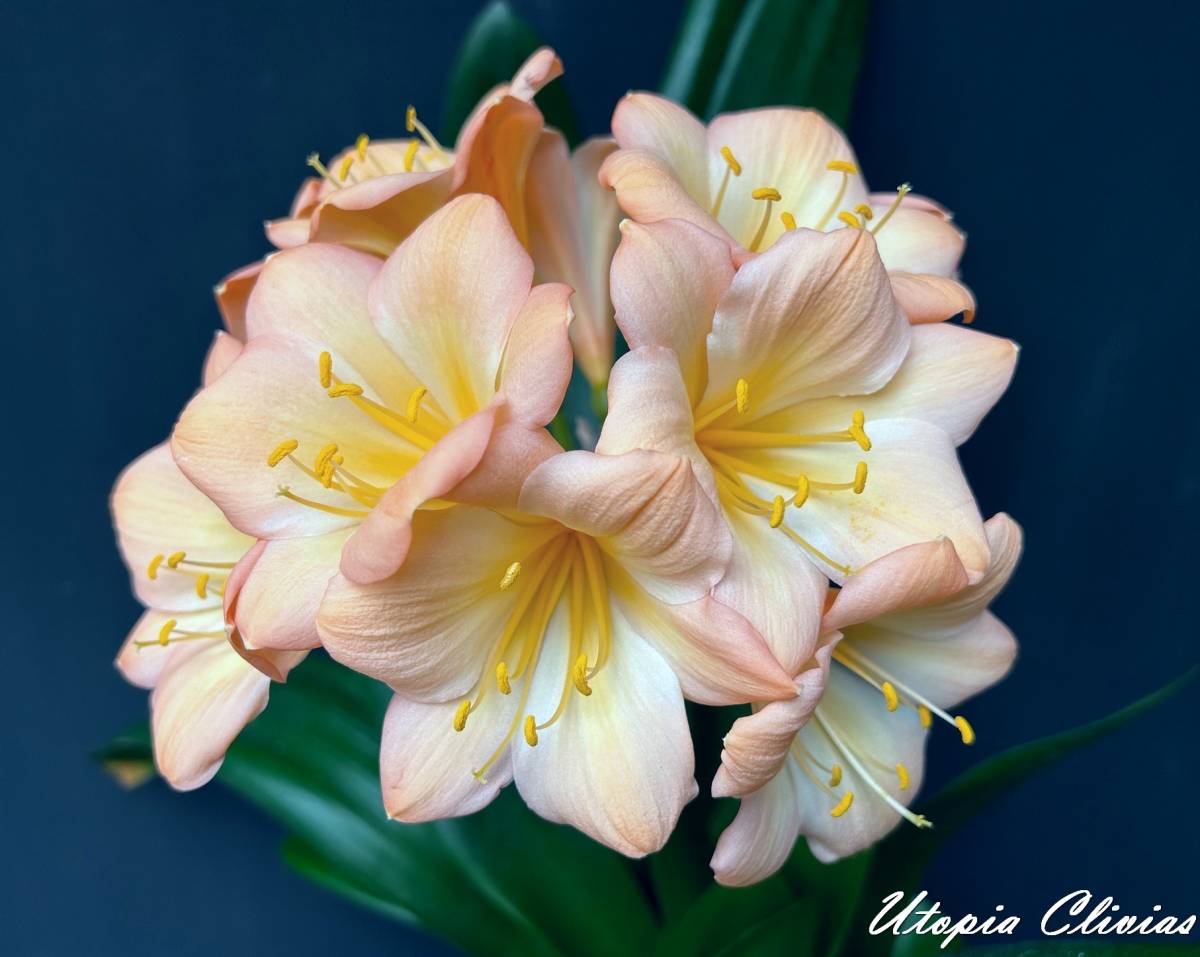
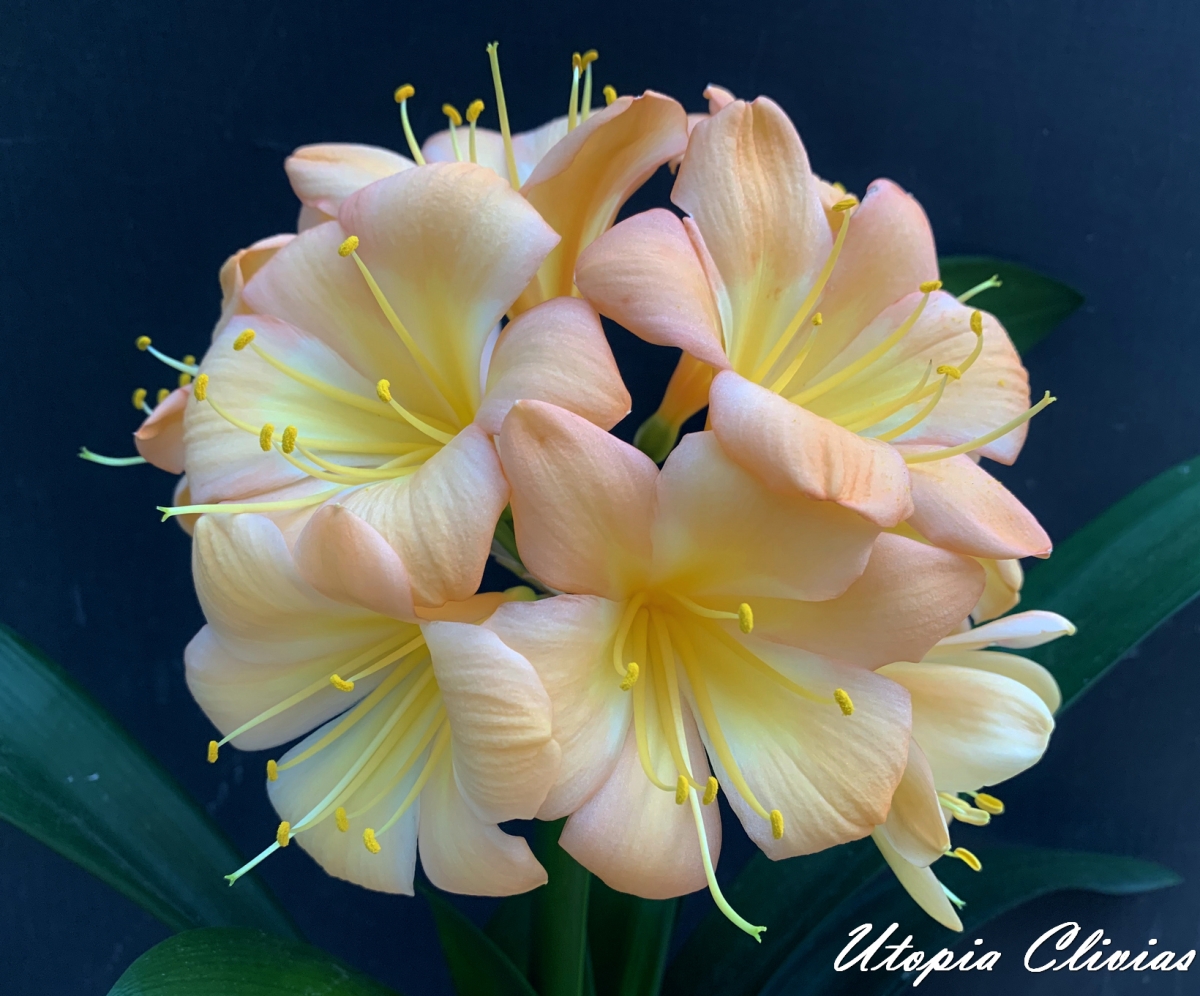
The pastel colour range in Clivia is incredibly diverse, stretching from the softest apricots to rich salmon tones. Among these, pinks are by far the most sought-after — yet a true pink remains one of the rarest and most prized achievements in Clivia breeding.
At Utopia Clivias, we’ve been dedicated to breeding pink Clivias for almost 15 years. Our collection now spans everything from delicate, almost white-pinks to deep, bold pinks. In our breeding, we aim to reduce the yellow in the flower’s throat, as more yellow tends to shift the bloom’s appearance toward peach rather than true pink.
Each season, our careful selection process ensures that only the best-performing pinks continue in our breeding program. As a result, many of the seedlings now flowering are noticeably superior to their parent plants — with stronger colour, better form, and improved overall quality.
Just as Clivia enthusiasts recognise several distinct genetic lines in yellow-flowered Clivias, pink and pastel Clivias also have multiple genetic backgrounds.
One of the most notable lines is Rudo’s Pinks, widely regarded as some of the finest pinks ever bred from the famous Appleblossom lineage. Other popular pinks in our breeding stable include:
Lipstick Pink
Angelic Pink
Olivia Pink
Kyla’s Pink
Pink Vogue
Phillip’s Pink
These exceptional pink crosses consistently top our seed lists, often selling out first every season.
Beyond our own breeding lines, other pastel and pink strains are also well known, such as Solomone’s Watercolor Washed Pink and Watercolor Washed Pastel, which are thought to carry genes linked to the Europeach lineage. Additional pastel favourites include Gladys Blackbeard, Ella van Zijl, Umtamvuna Pink, and others.
The late Clivia expert Bill Morris offered valuable insight into the genetic complexities behind pink Clivias:
“The only other colour variants known at present in Clivia miniata are the so-called pink forms. These likely originate from very pale orange, buff, or flesh-coloured plants. Some show hints of pink due to low anthocyanin and carotene levels. A true pink flower displays diluted anthocyanin (red softened to pink) over a white rather than yellow base. Therefore, breeding for whites often overlaps with breeding for pinks. By combining very pale yellows or near-whites with pale oranges carrying a pinkish hue, true pinks can emerge. Once established, crossing pink with pink intensifies the colour and further reduces yellow pigmentation.”
Among our latest generation of pinks are promising seedlings bred from Wittig Pink x Tipperary Peach, showing excellent potential for both colour purity and flower quality.
Every season brings new excitement as the next generation of pink and pastel Clivias comes into bloom — and we can’t wait to share their beauty with you.