Picotees & Bicolours: The Subtle Magic of Two-Tone Clivias
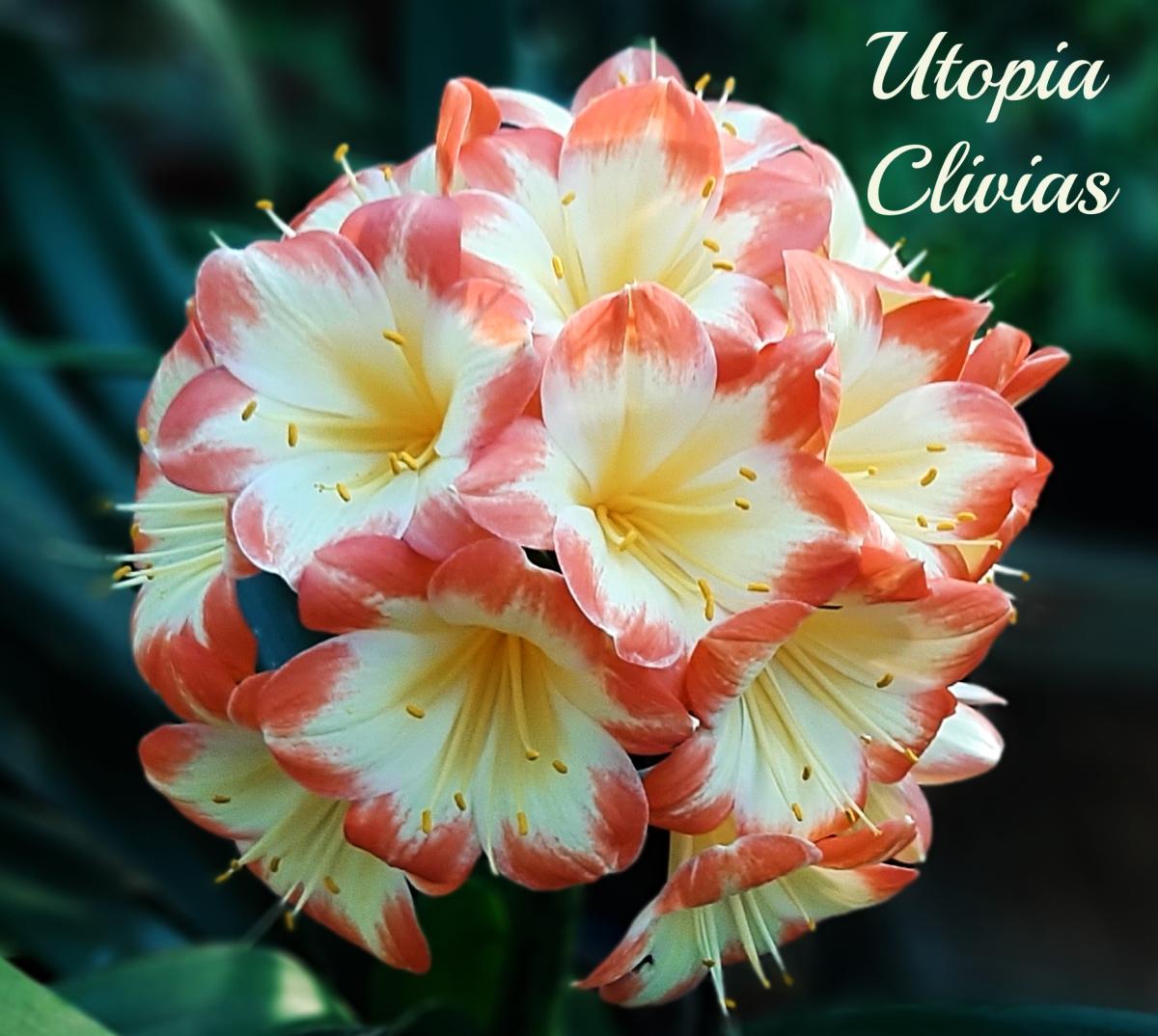
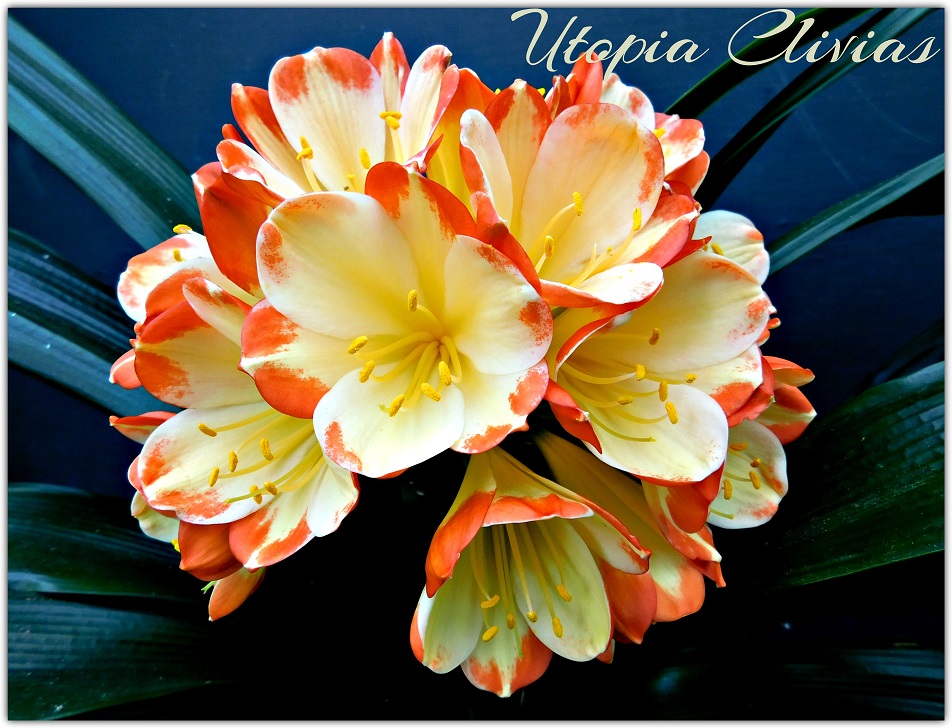
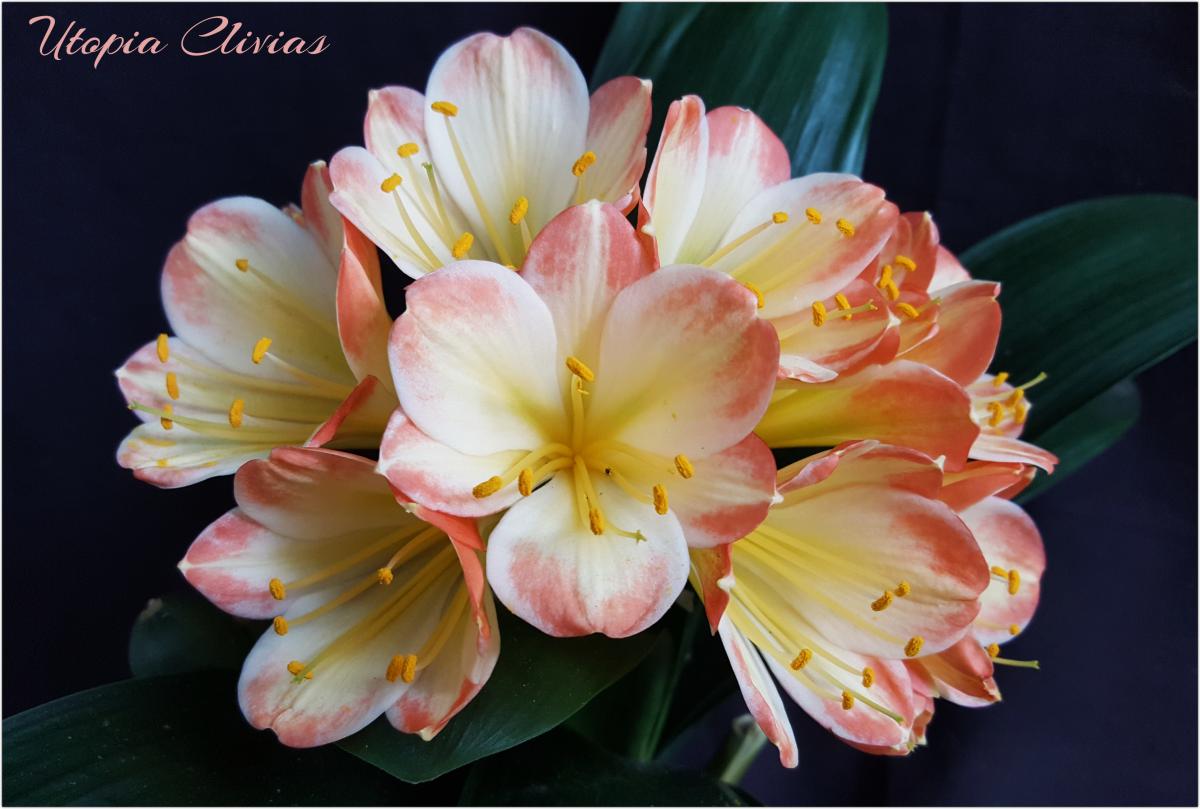
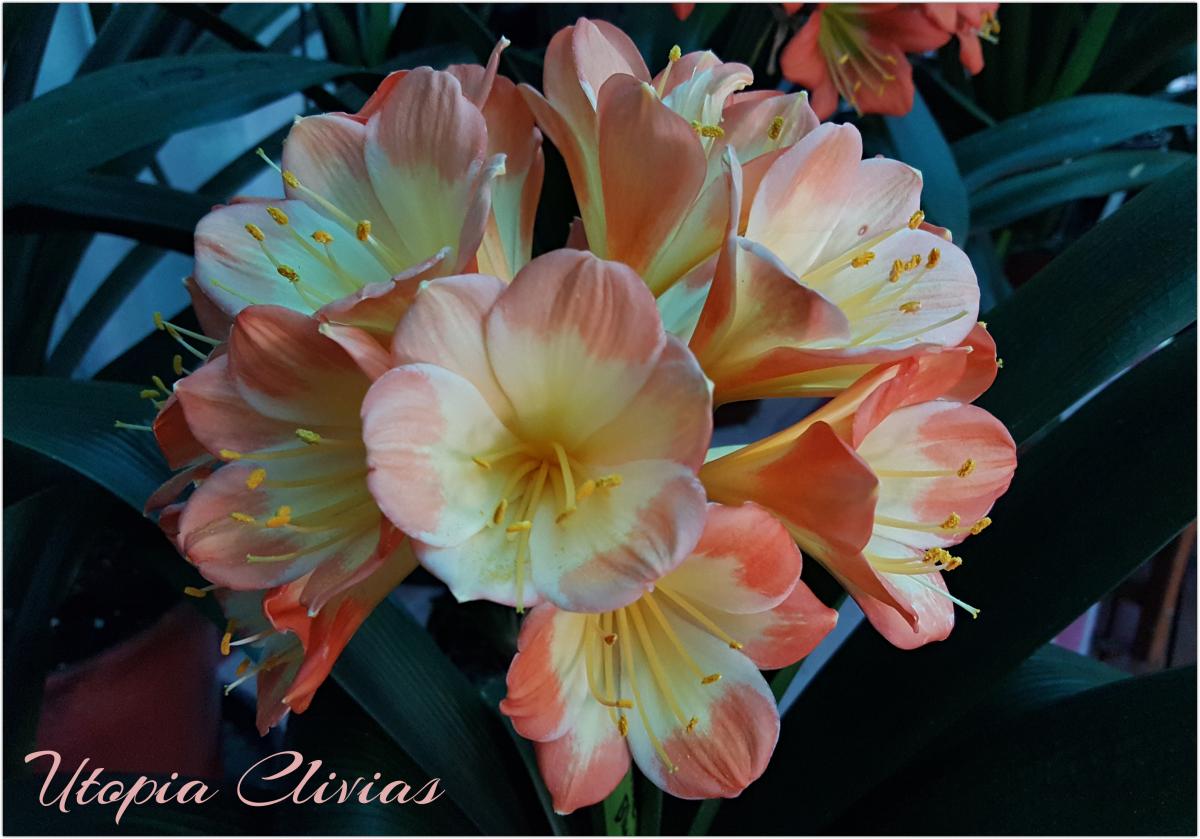
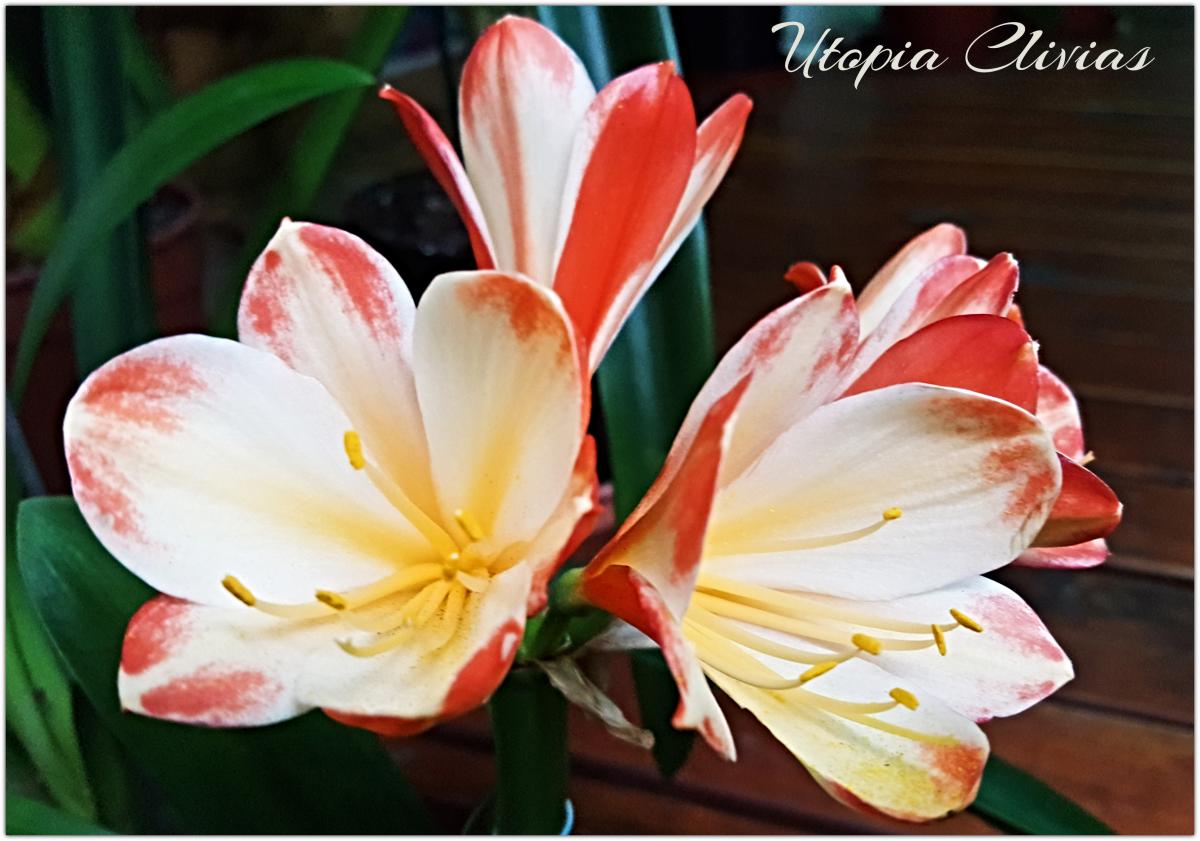
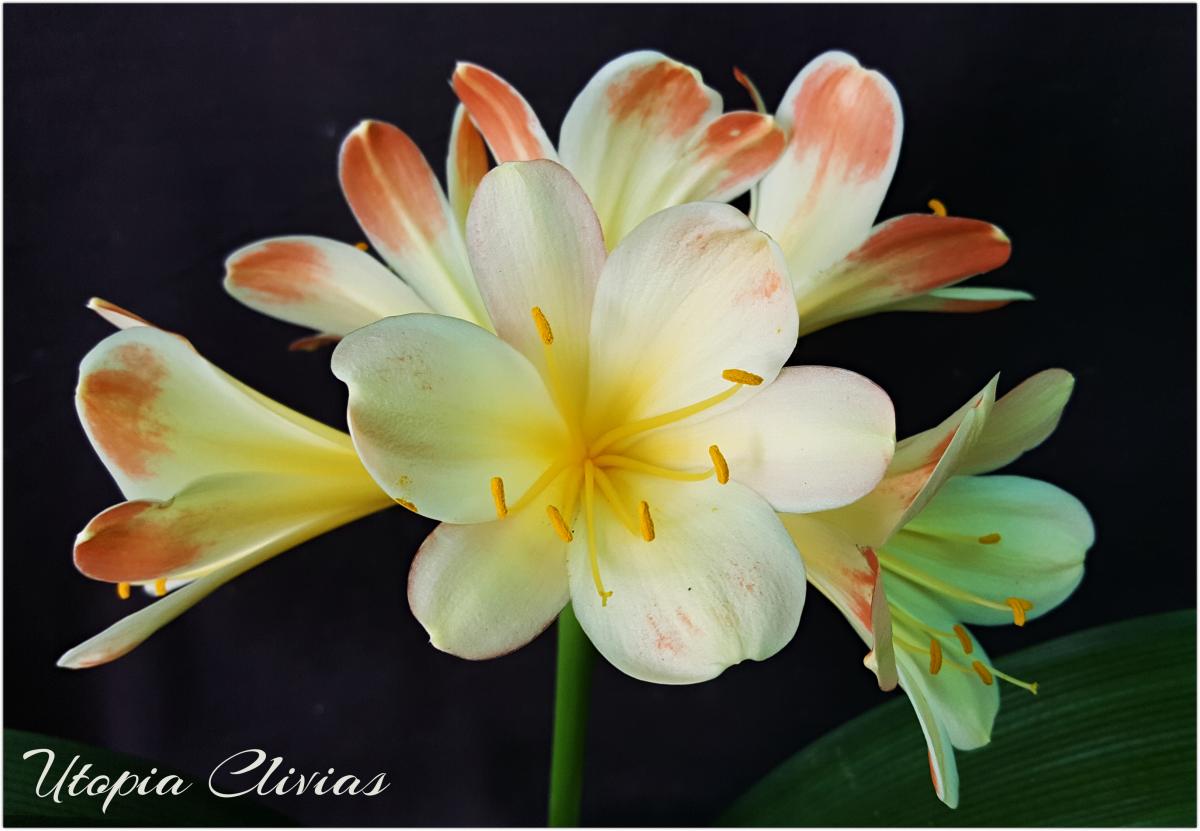
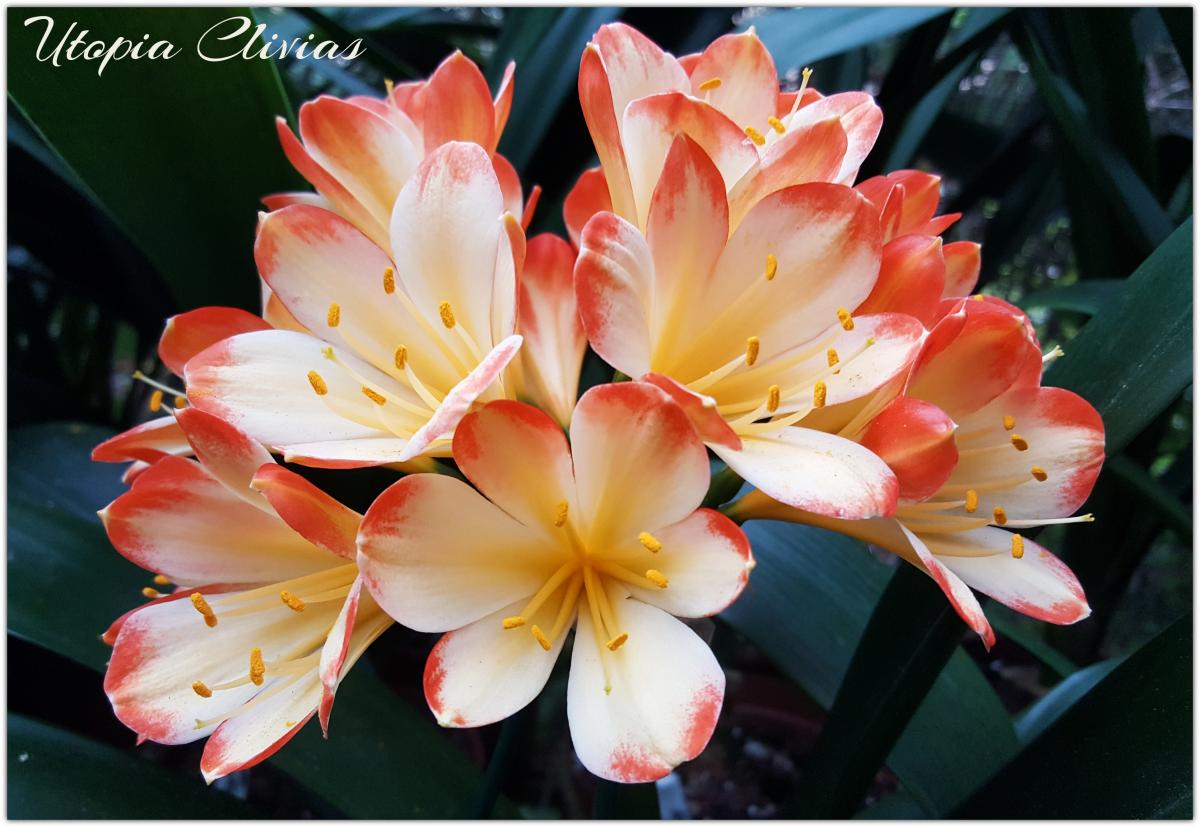
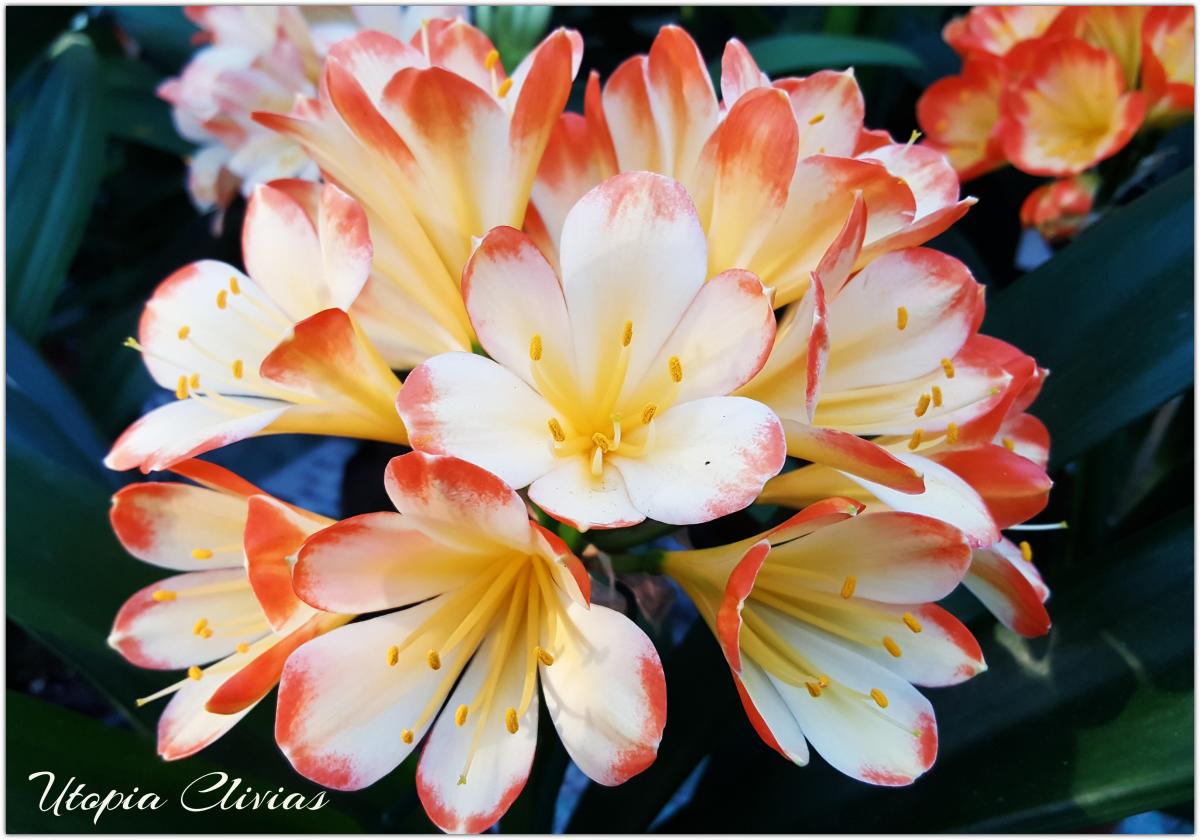
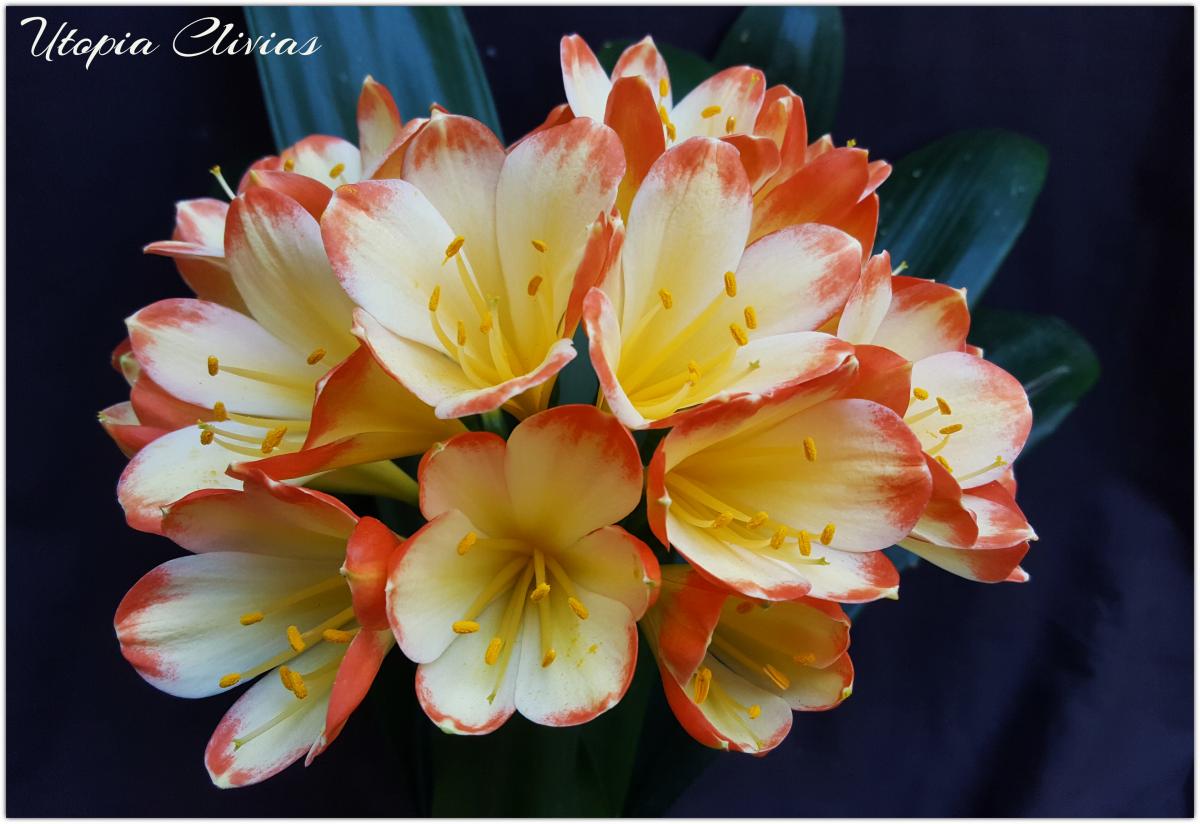
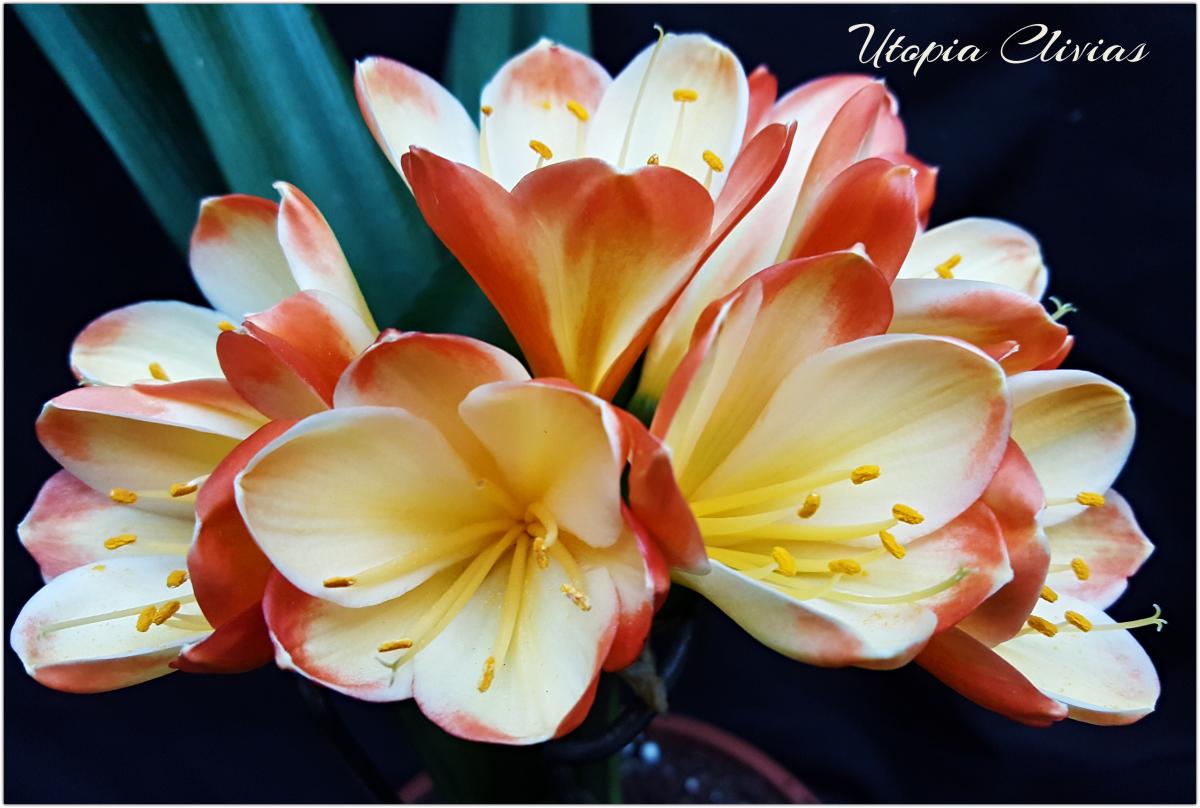
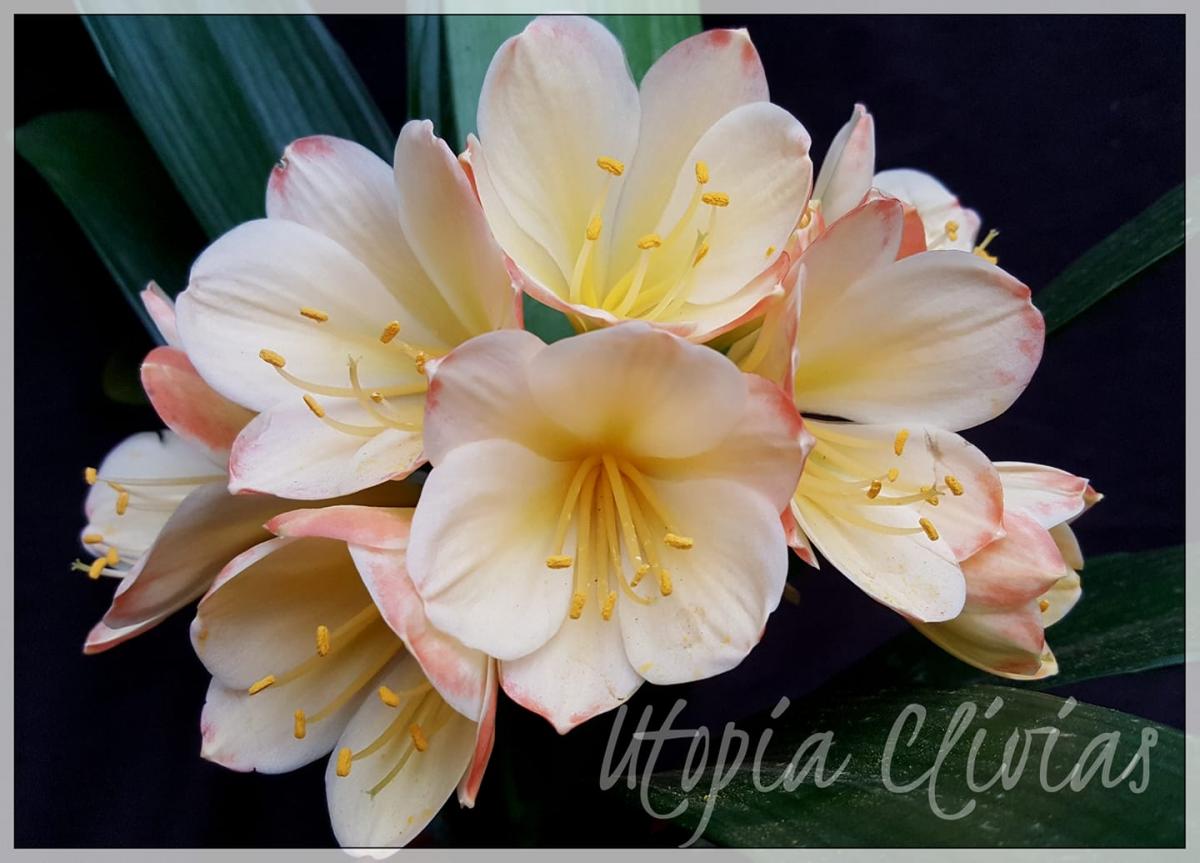
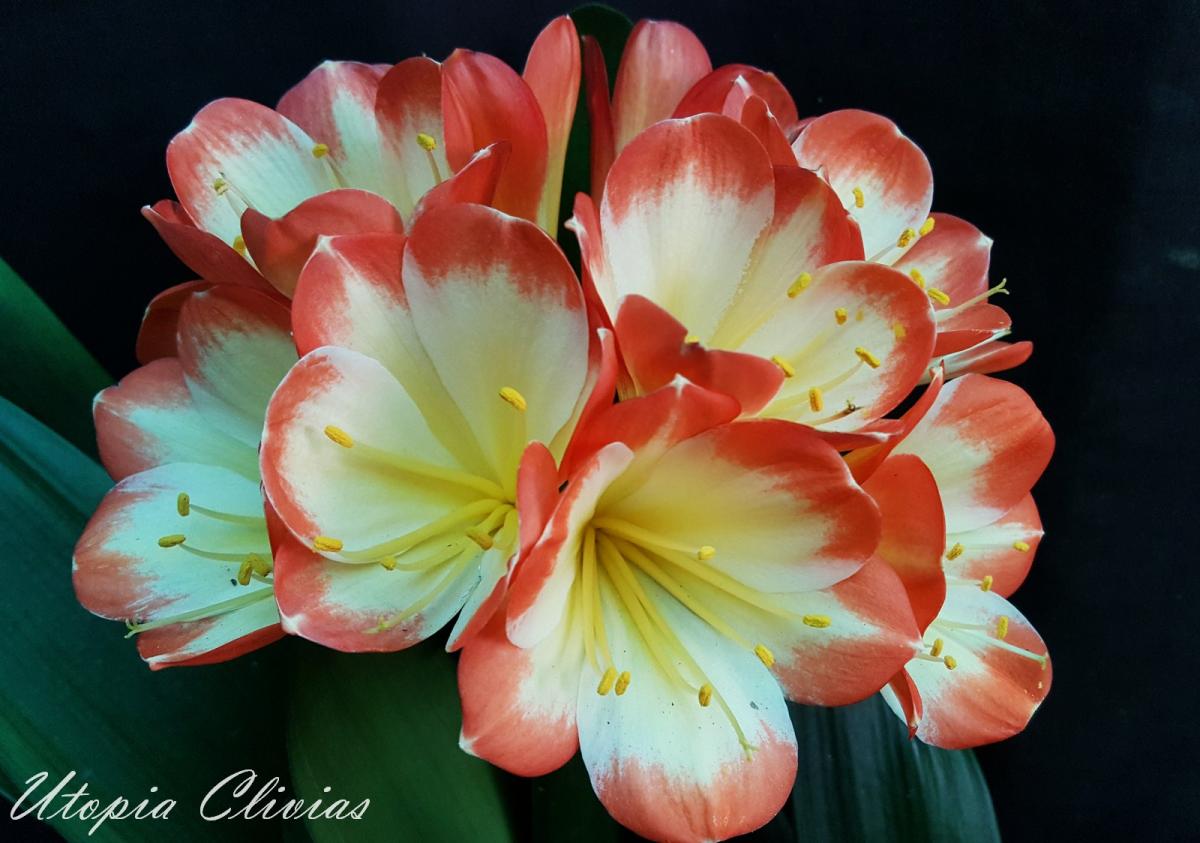
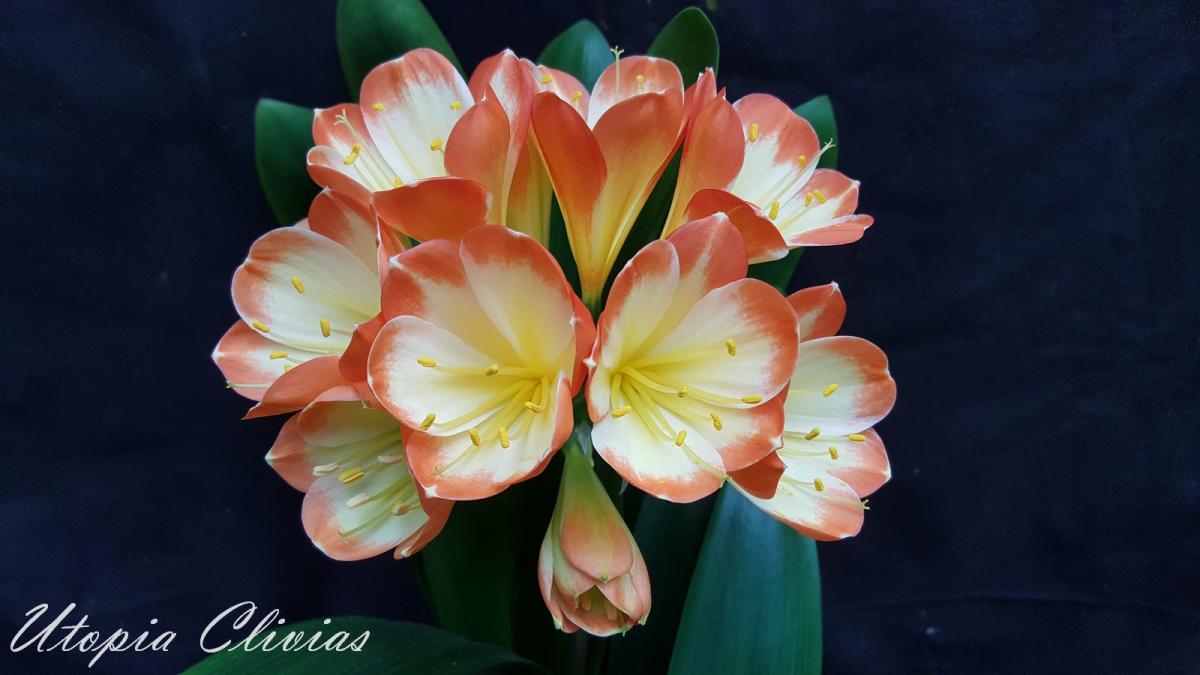
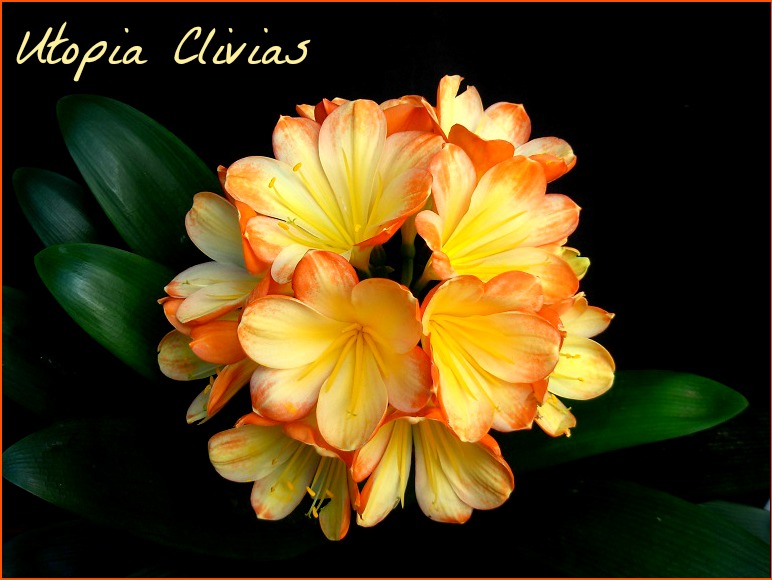
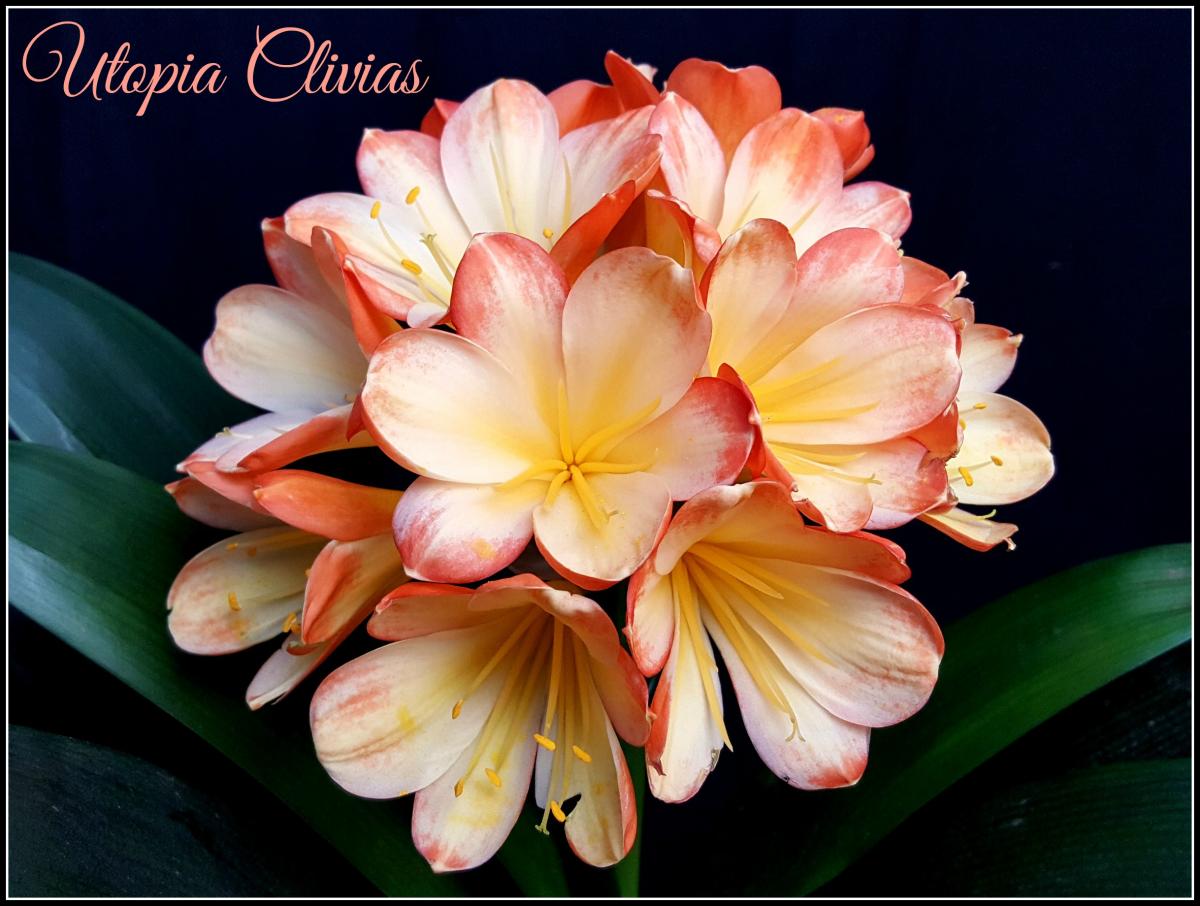
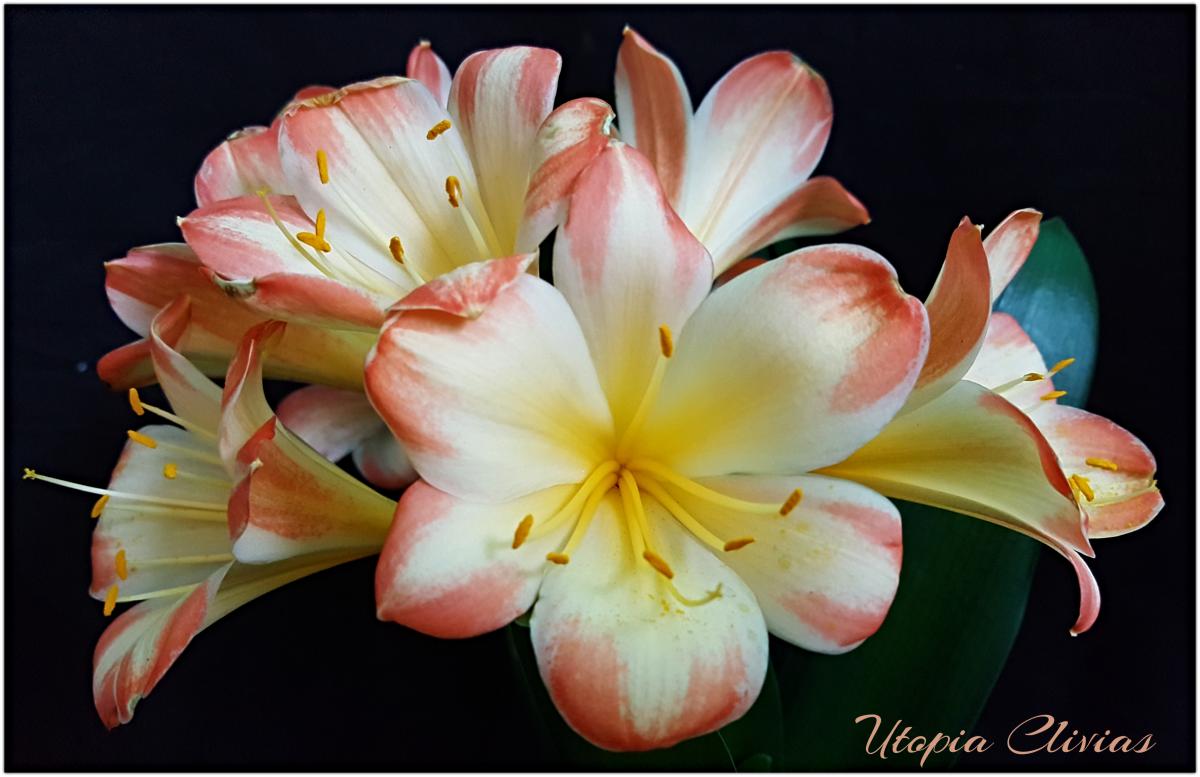
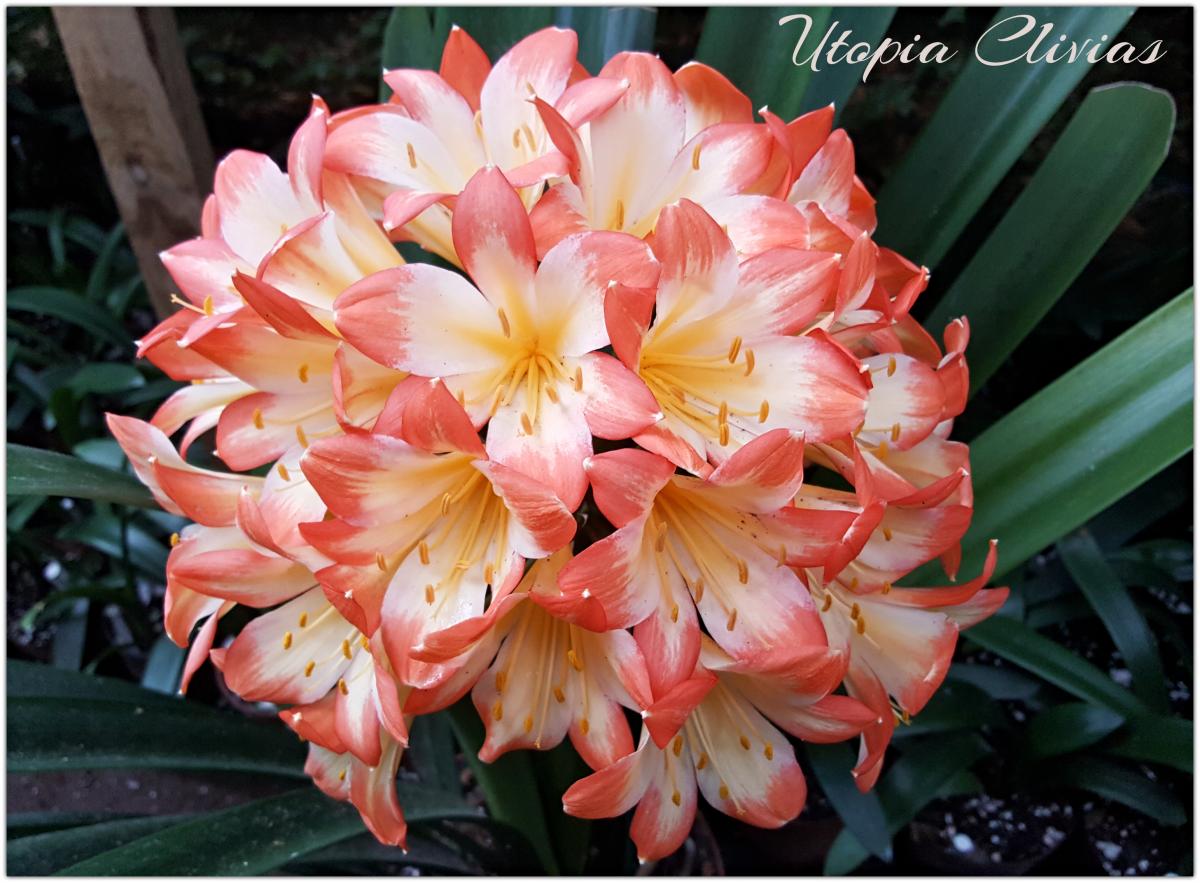
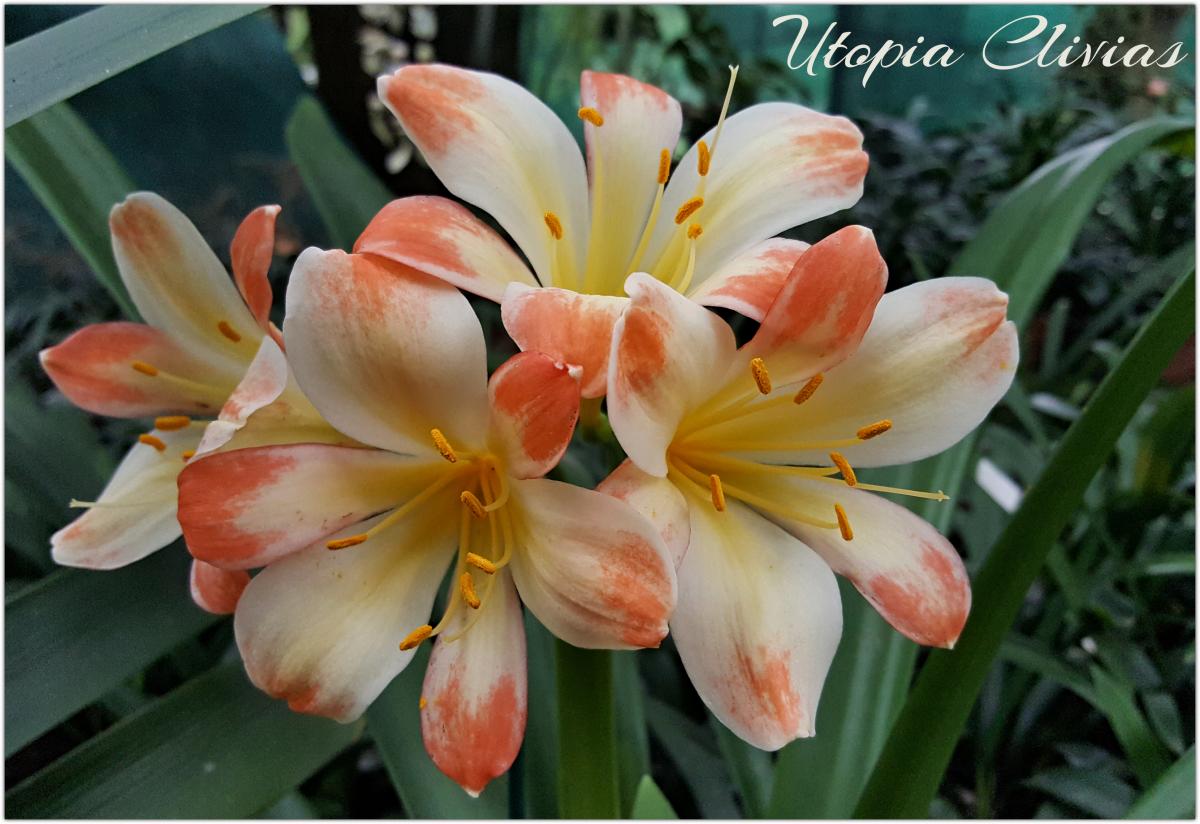
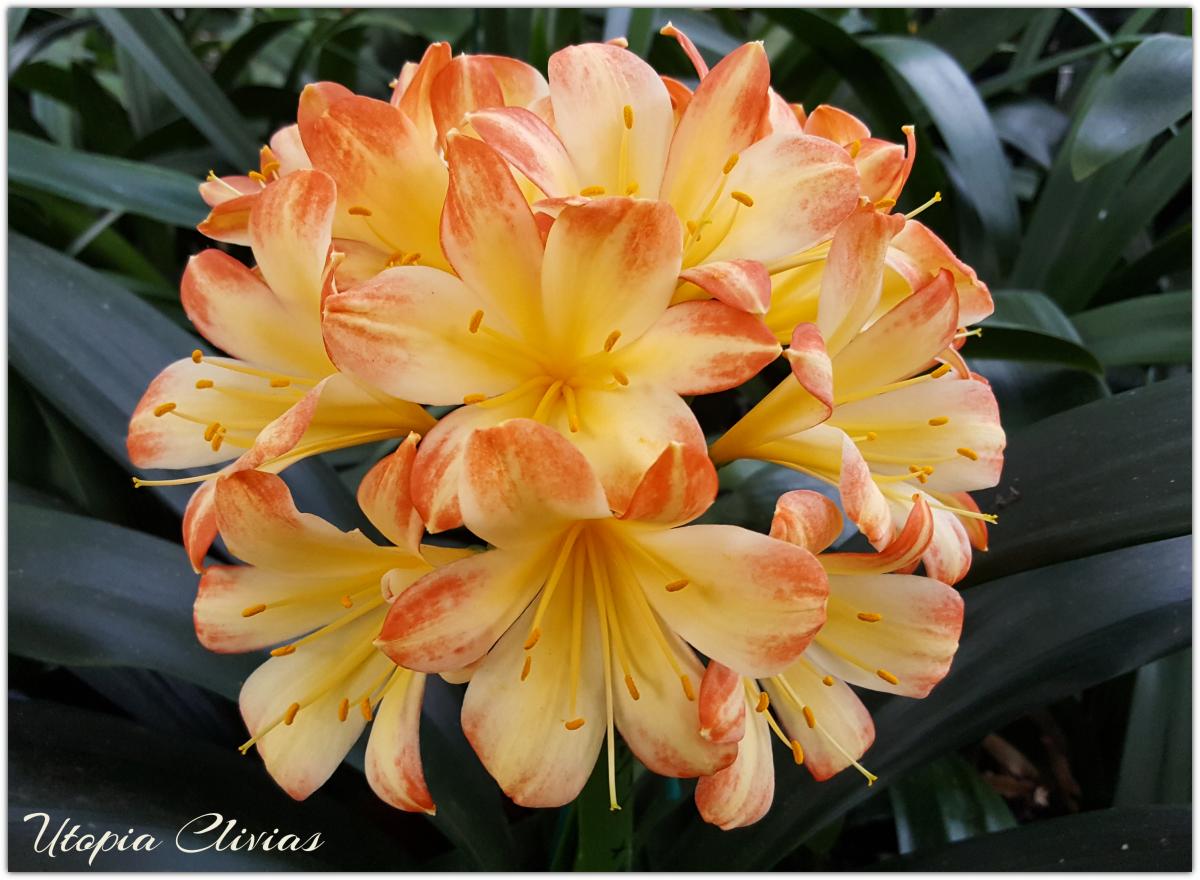
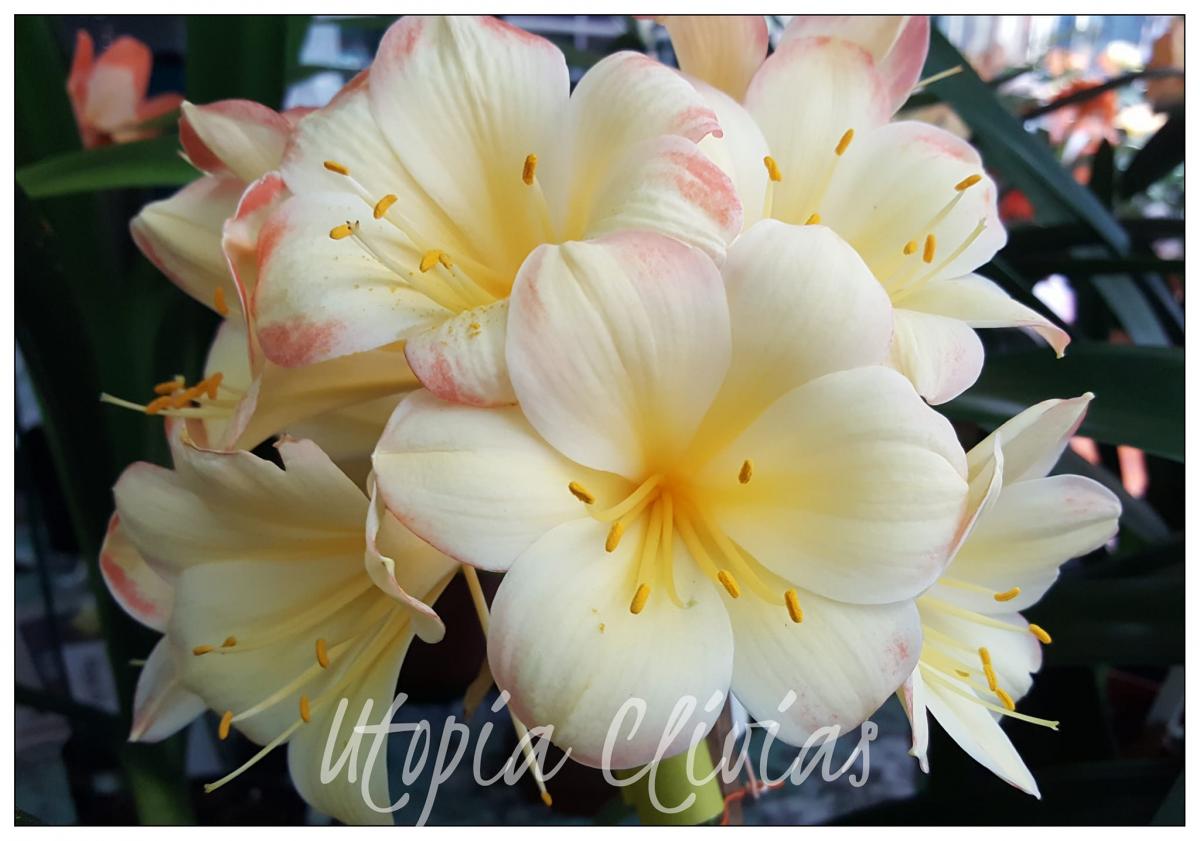
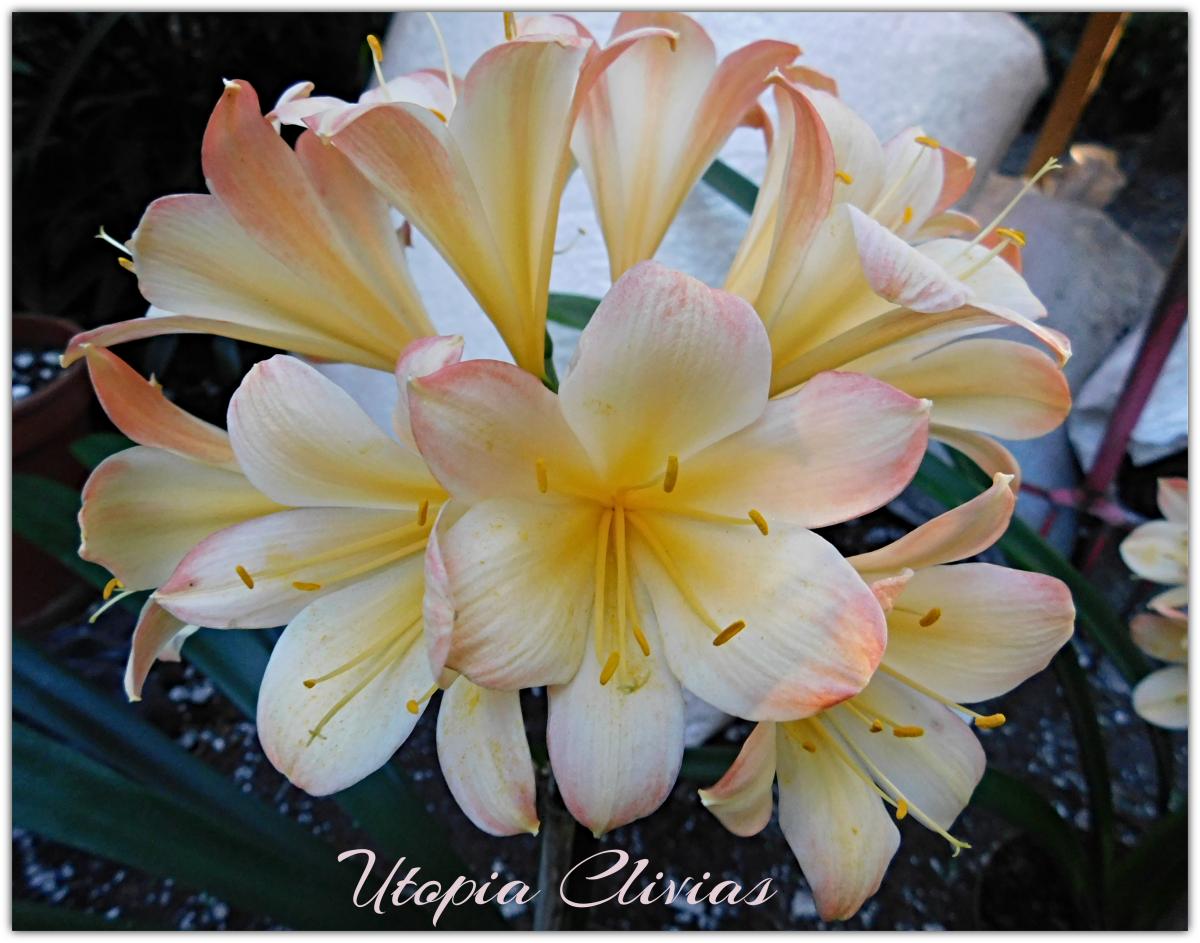
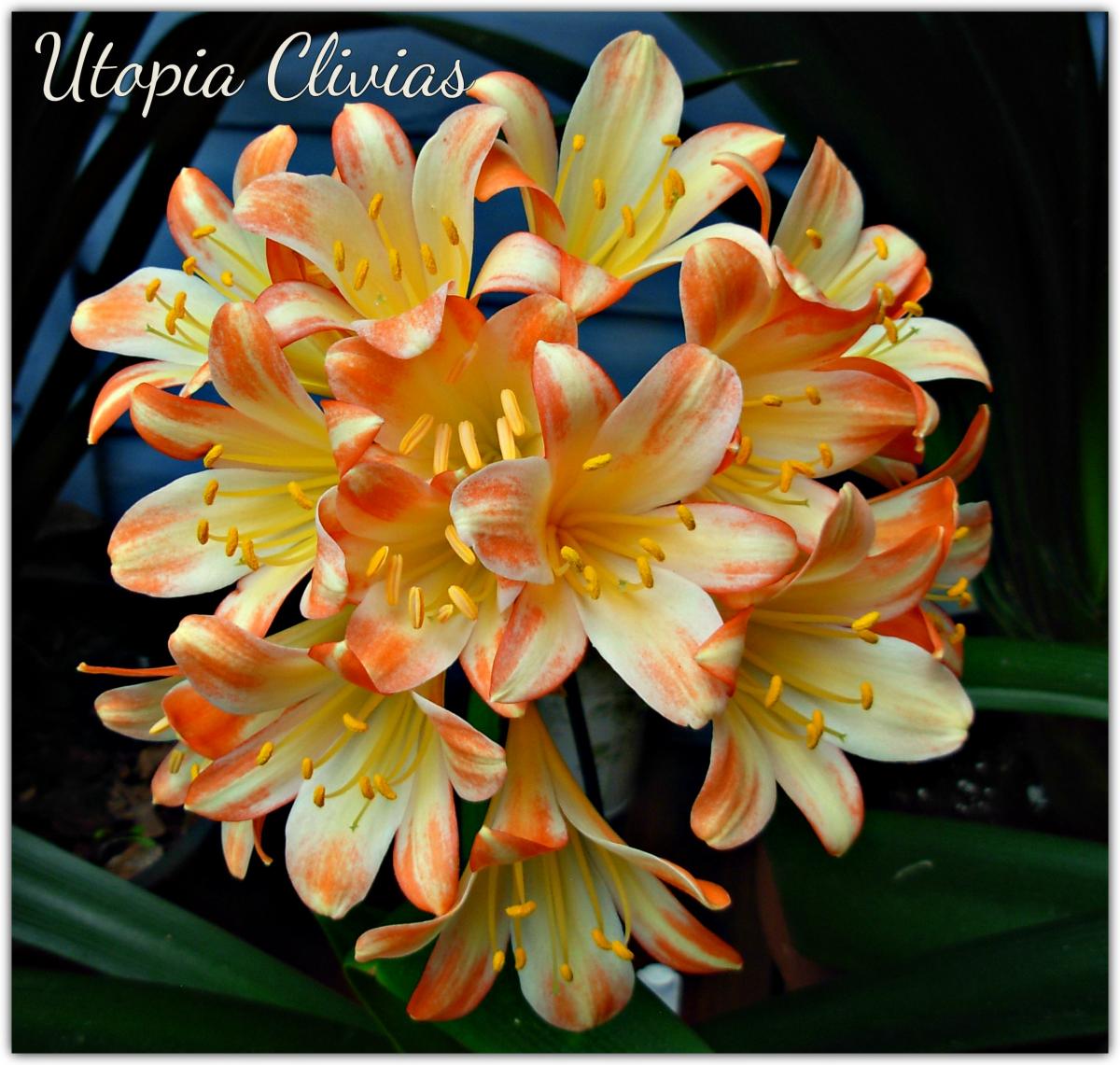
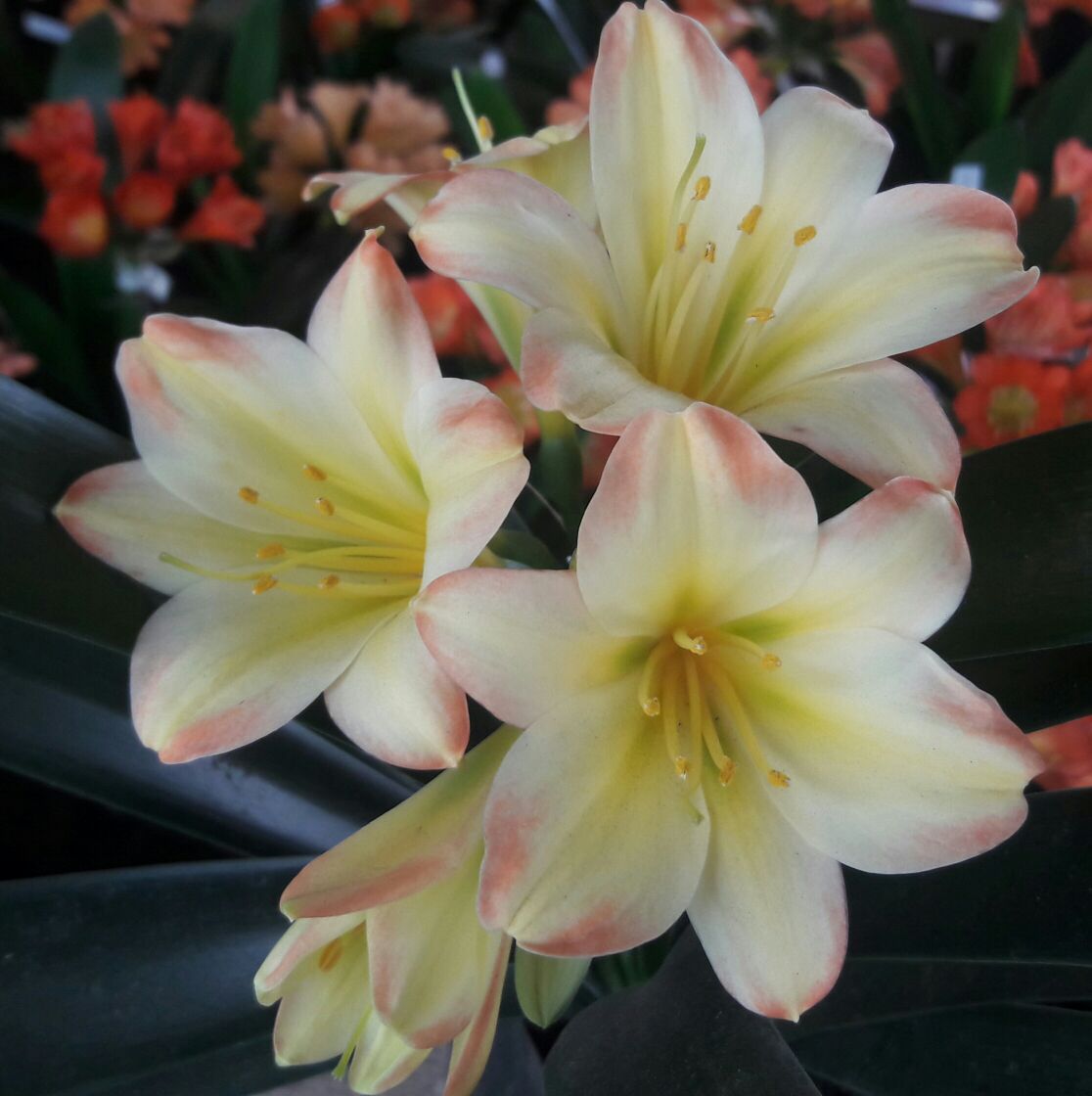
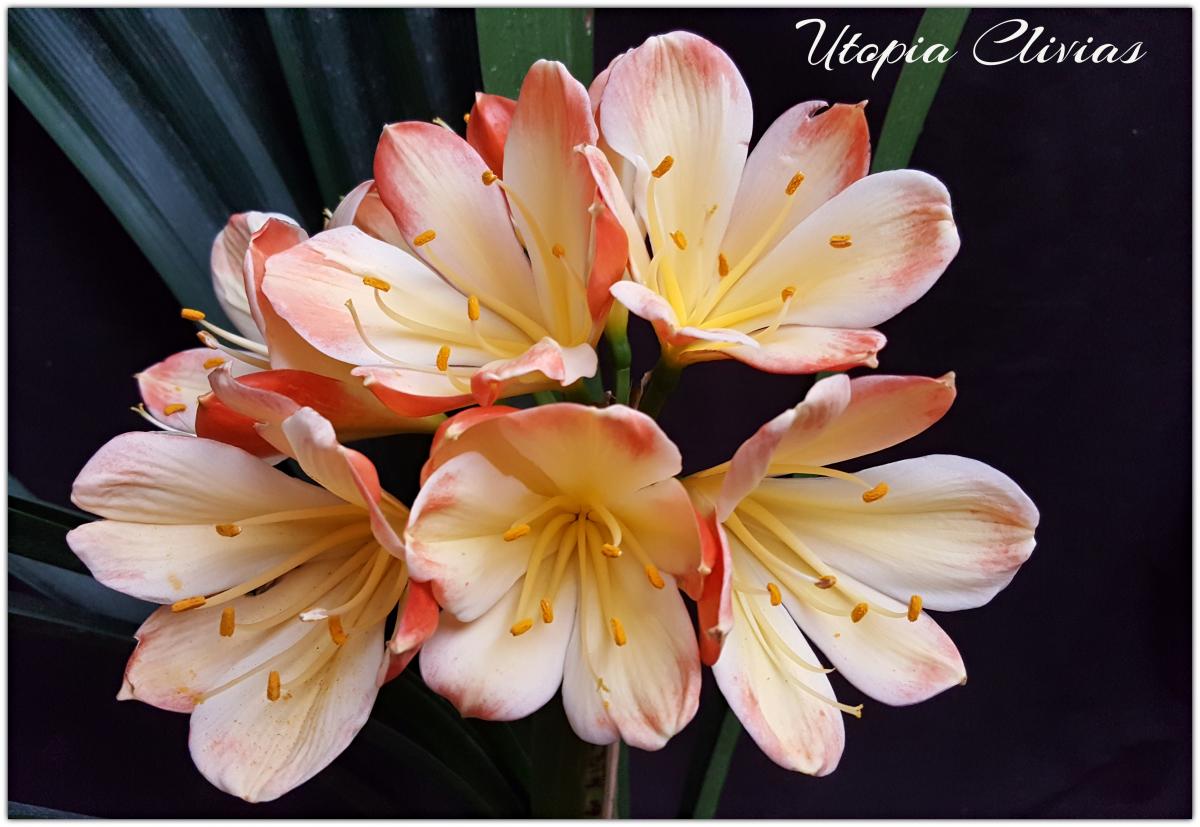
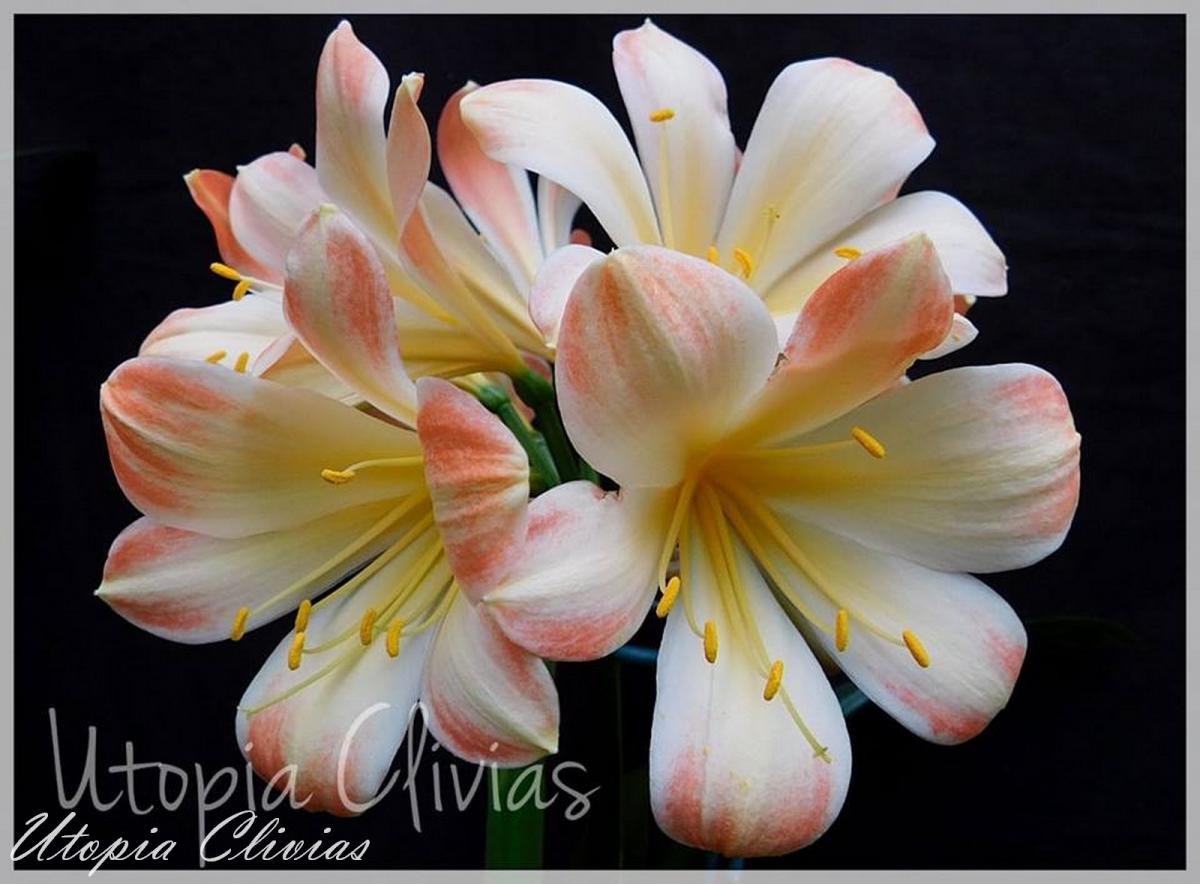
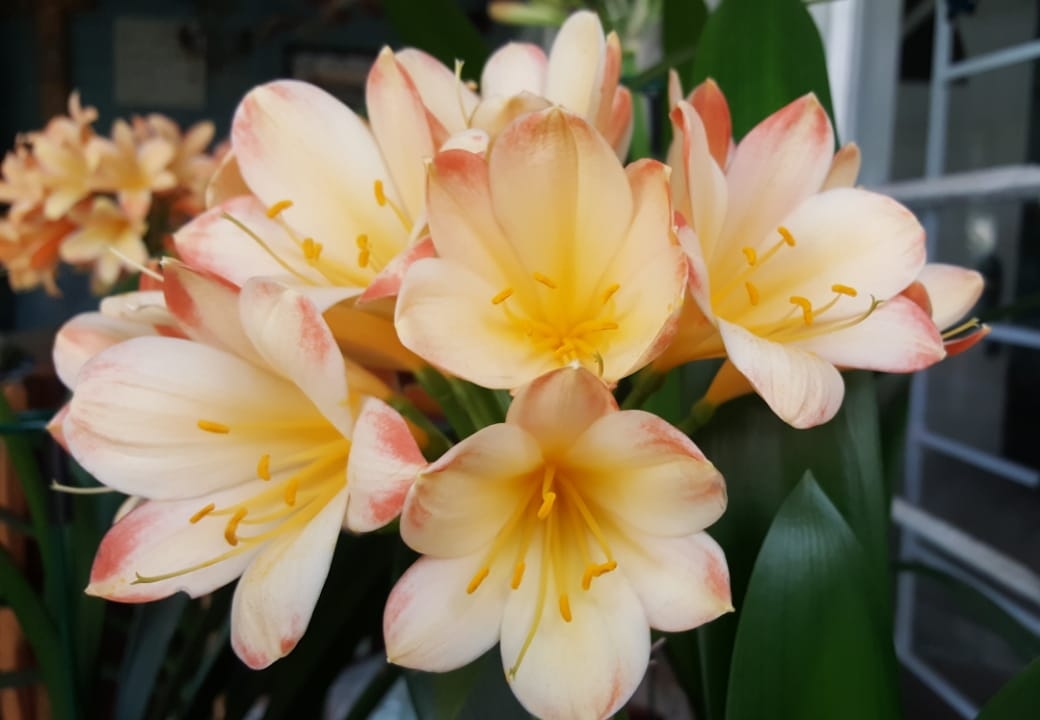
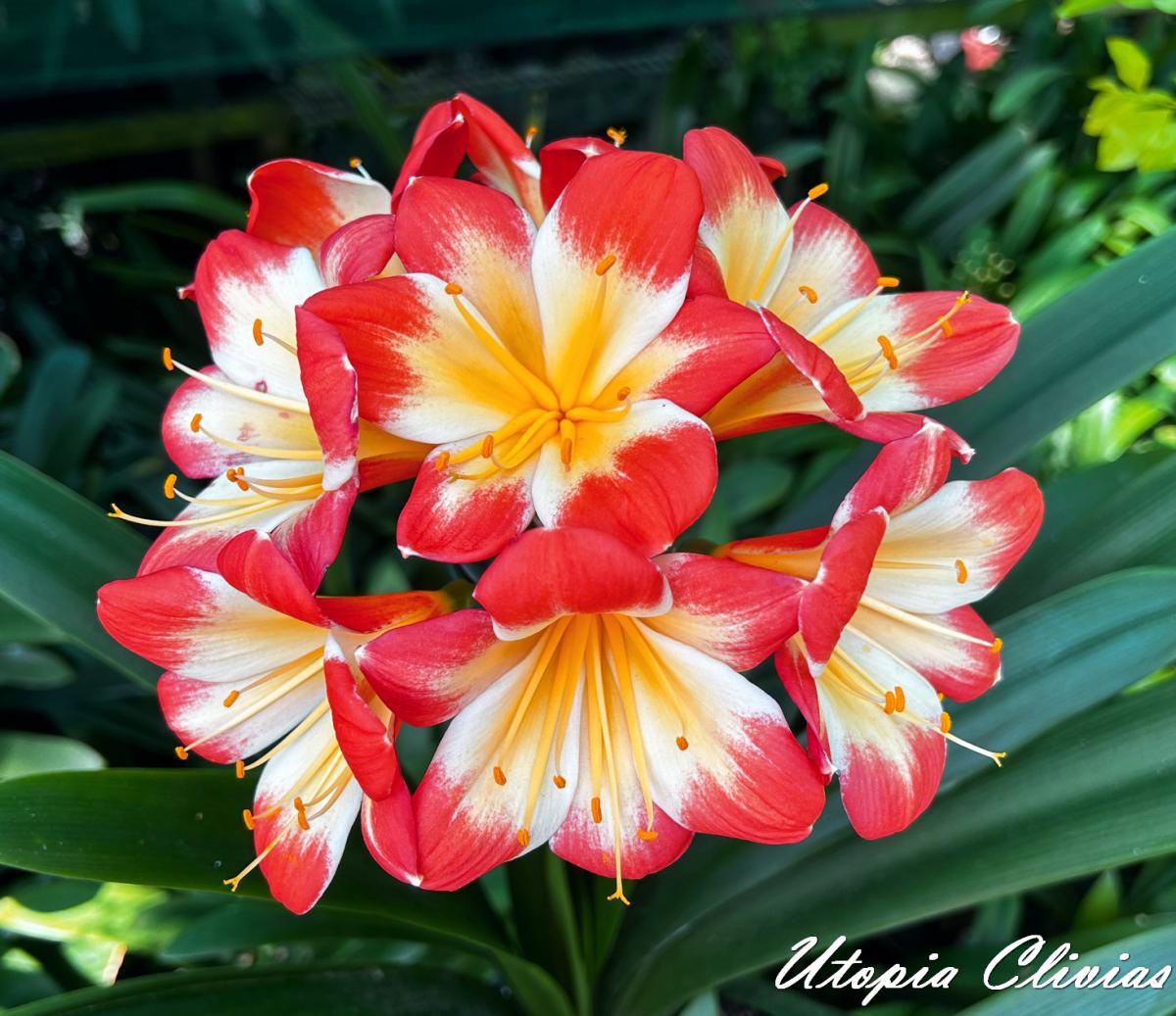
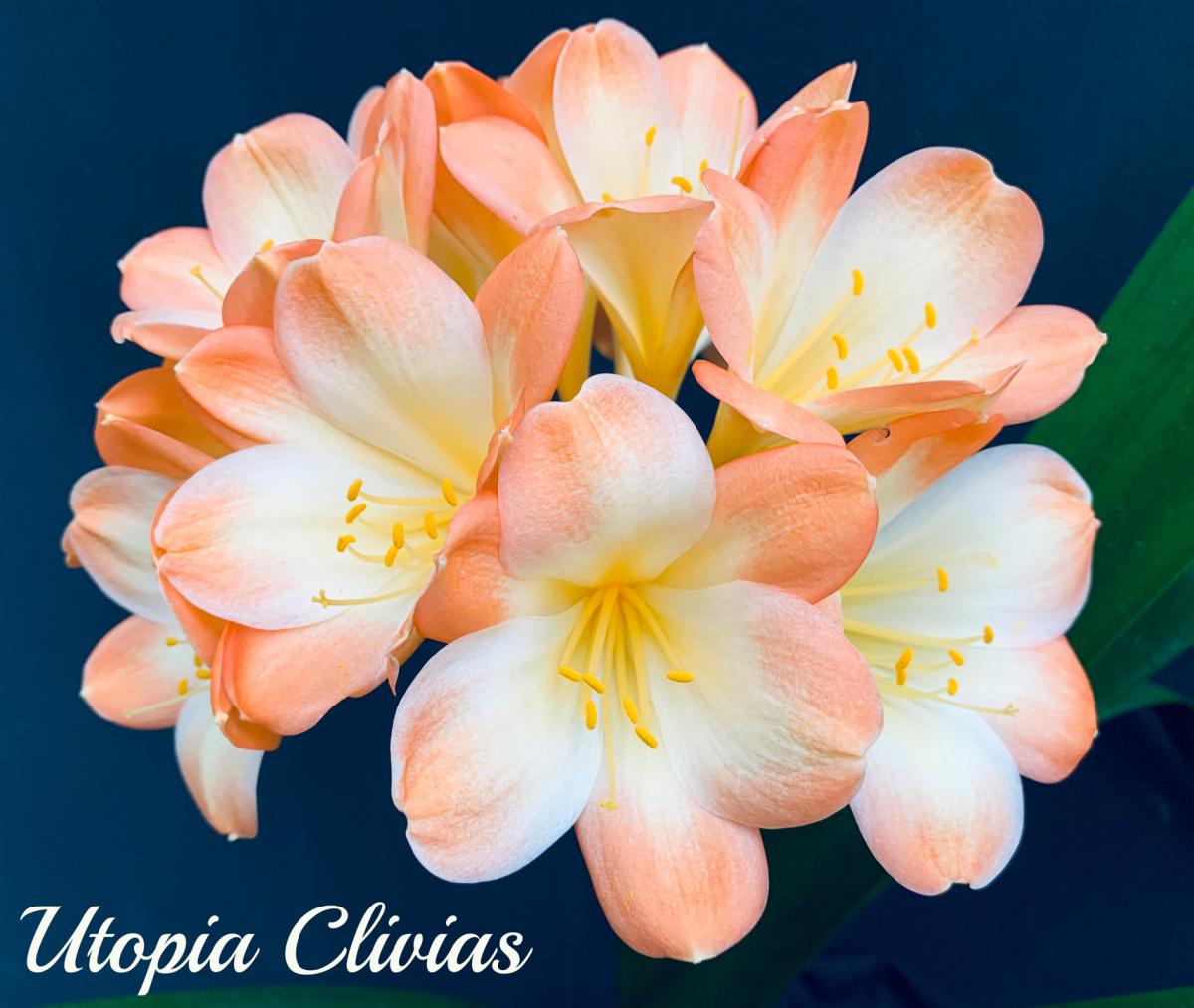
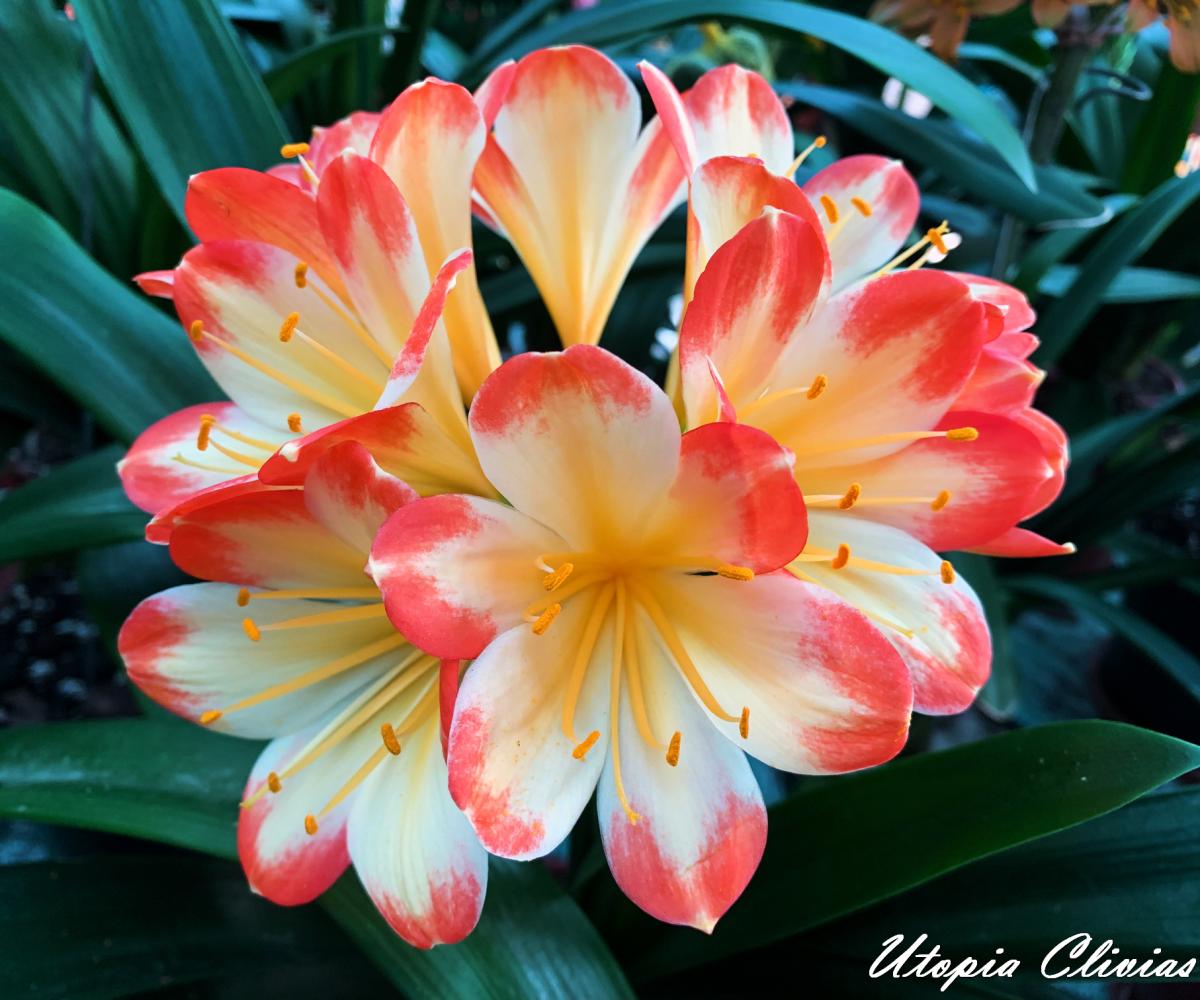
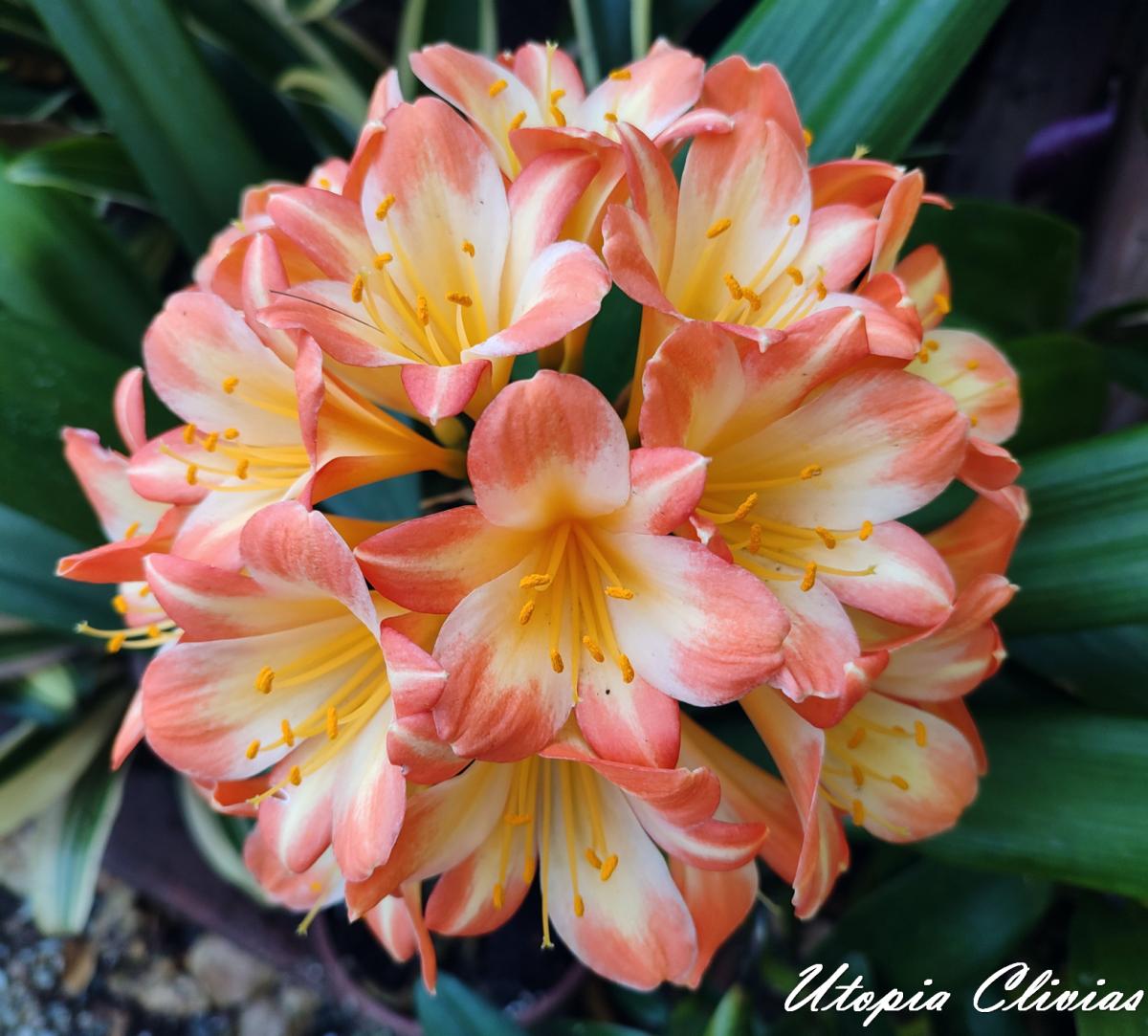
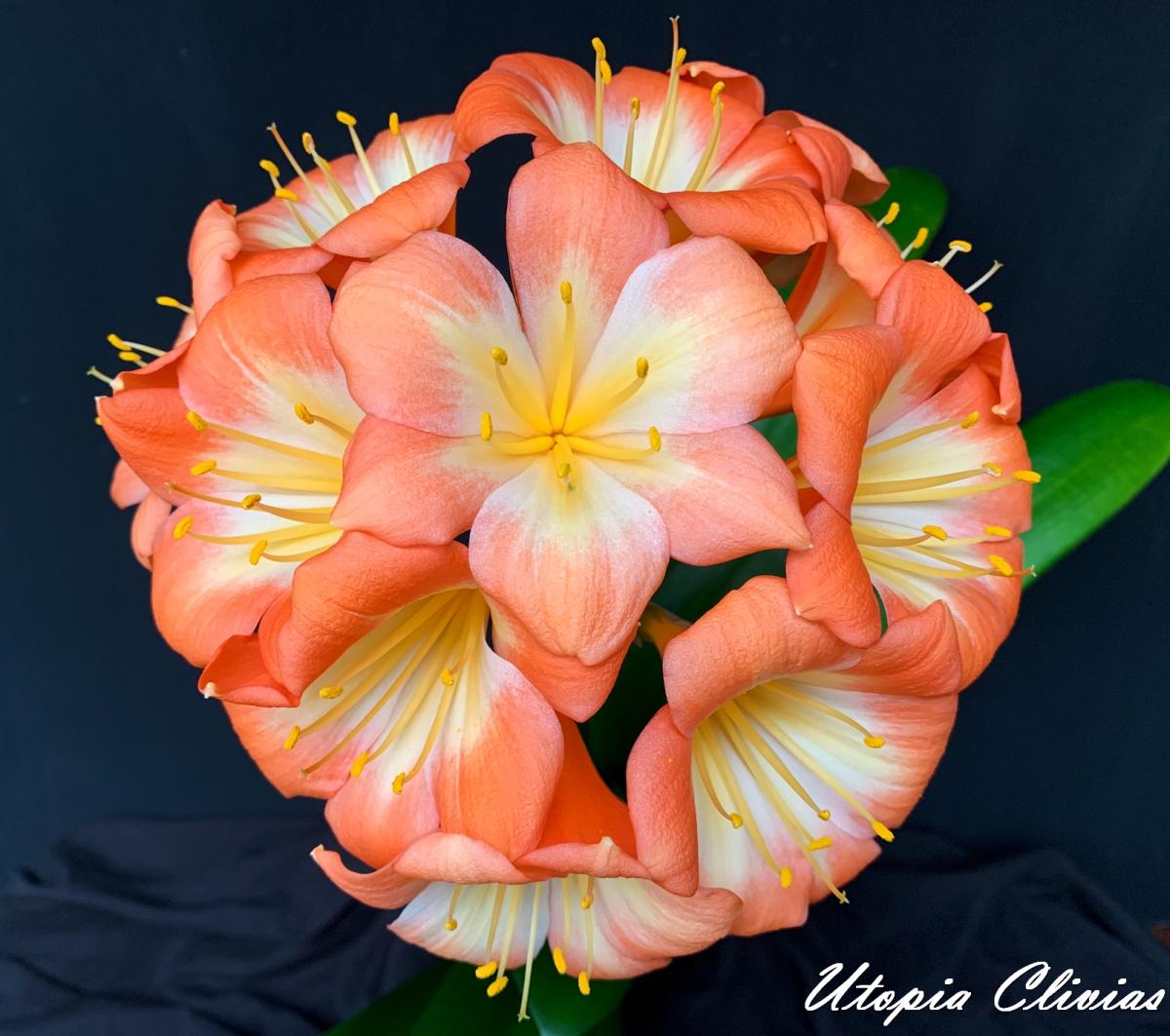
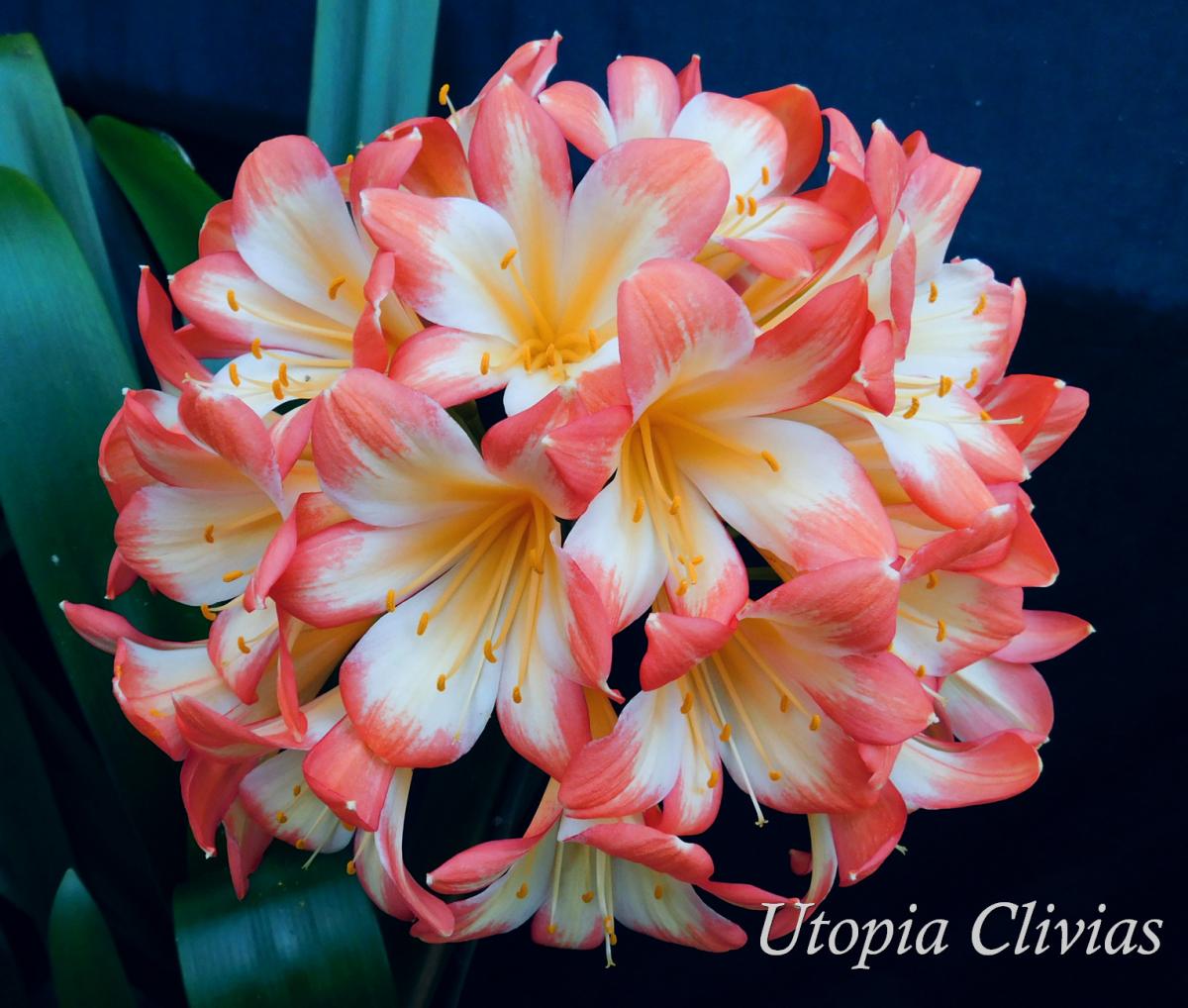
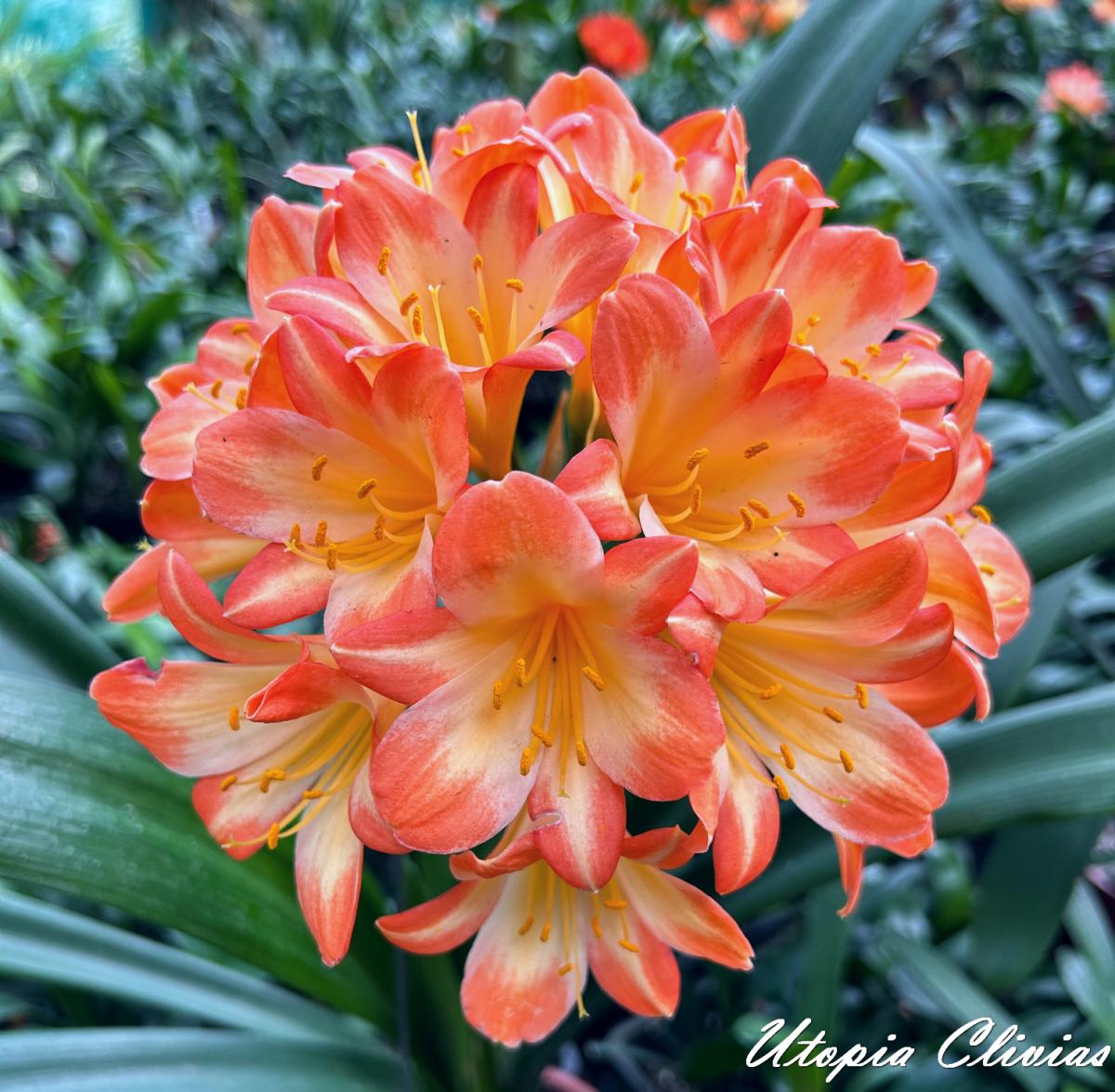
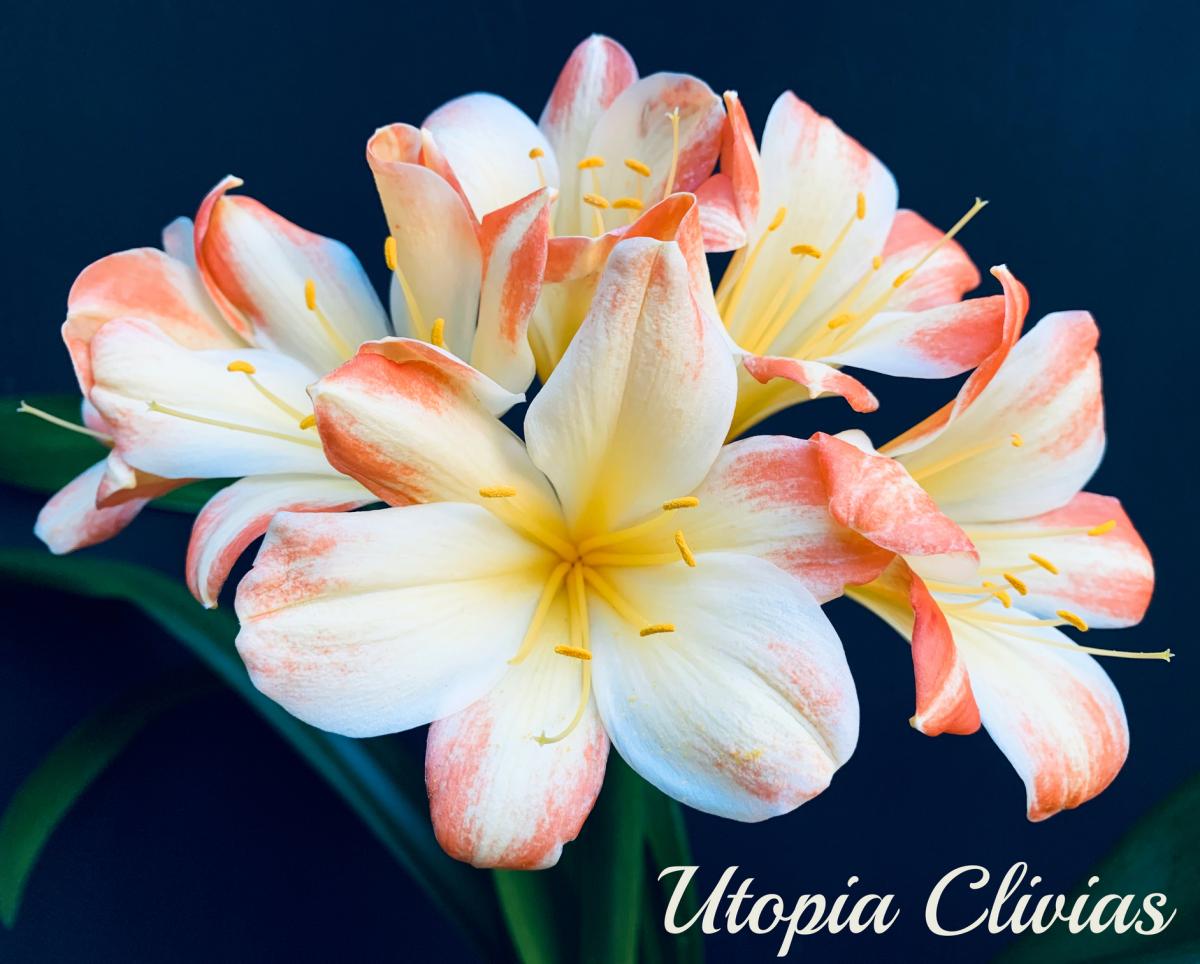
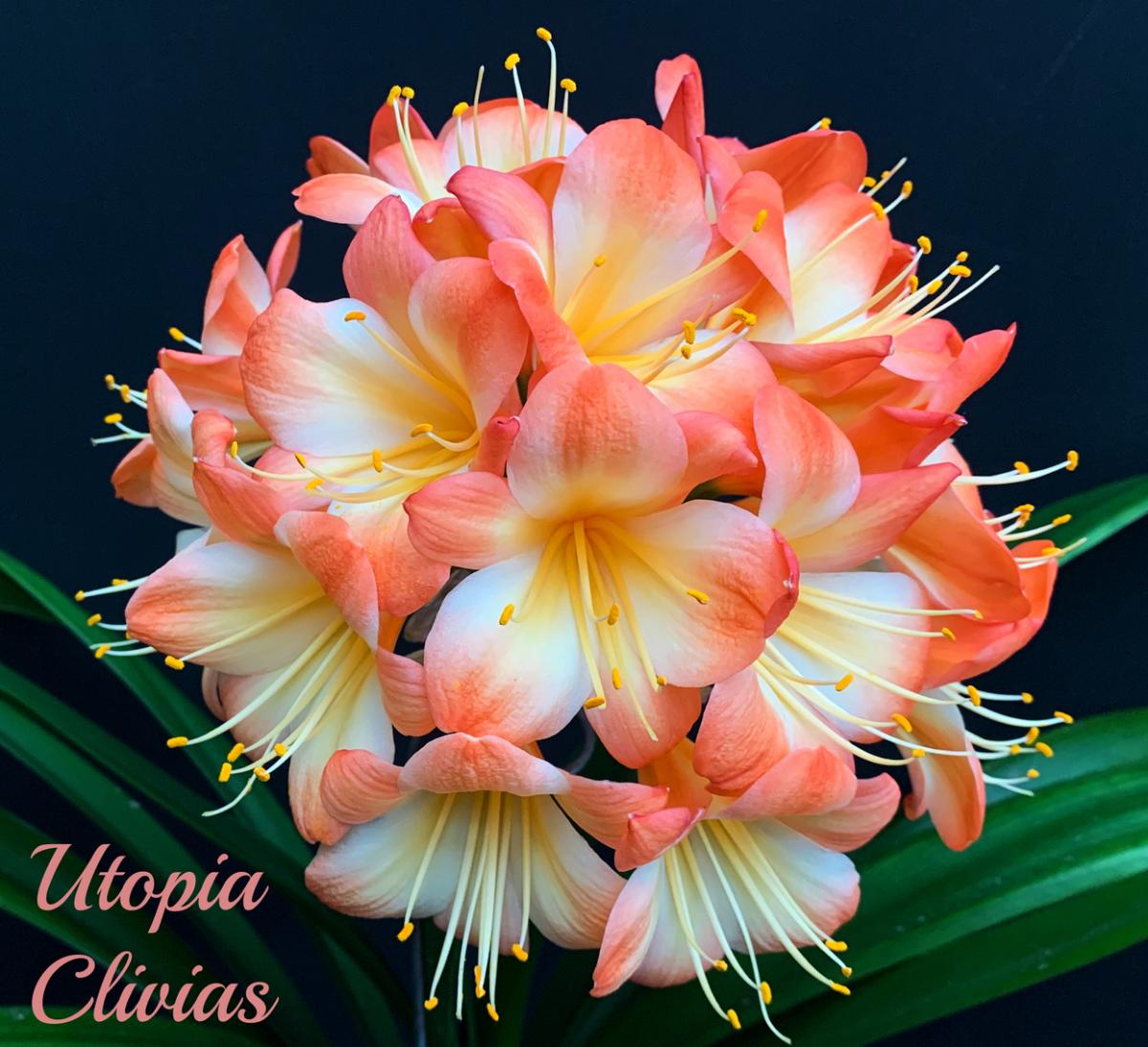
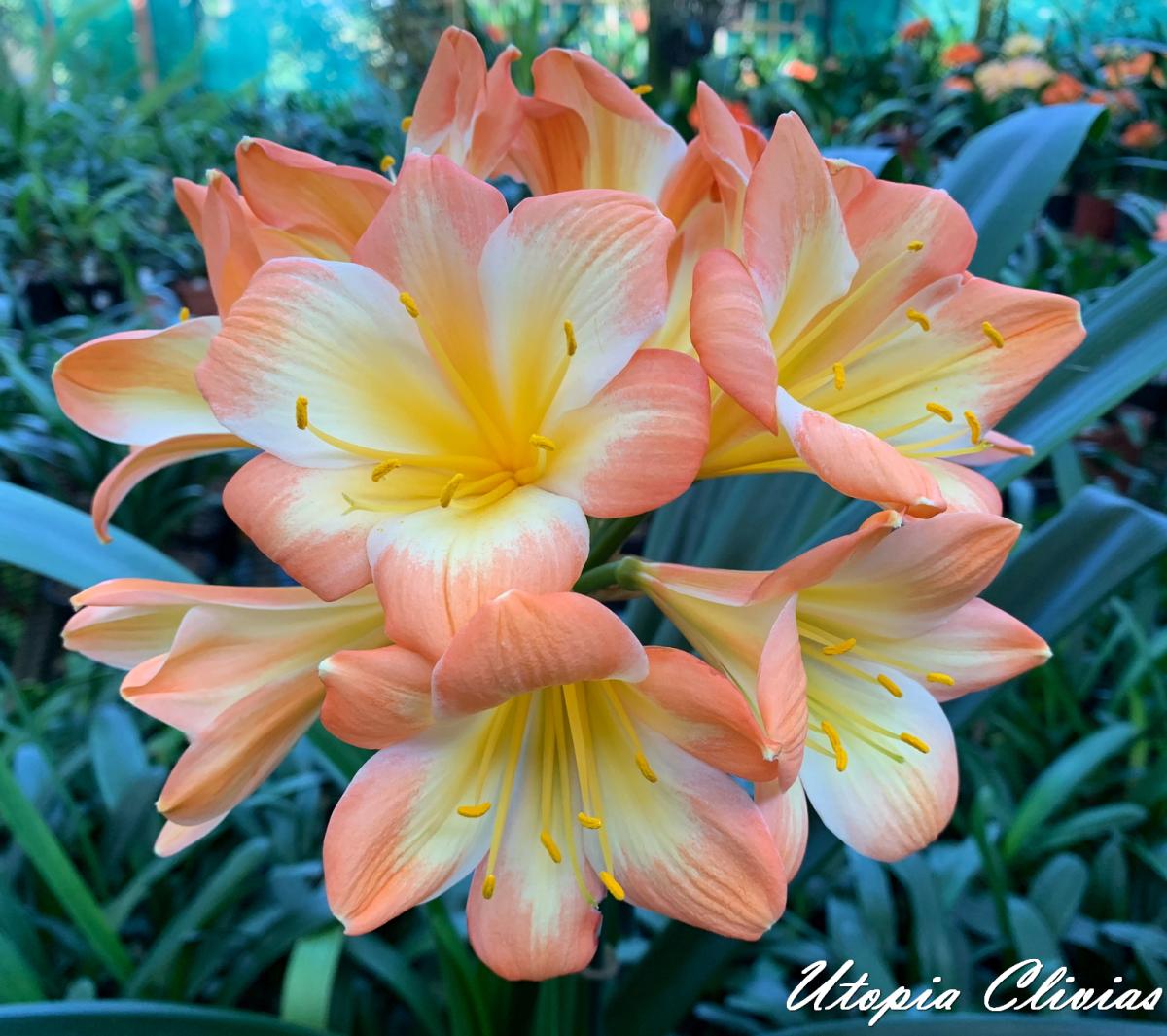
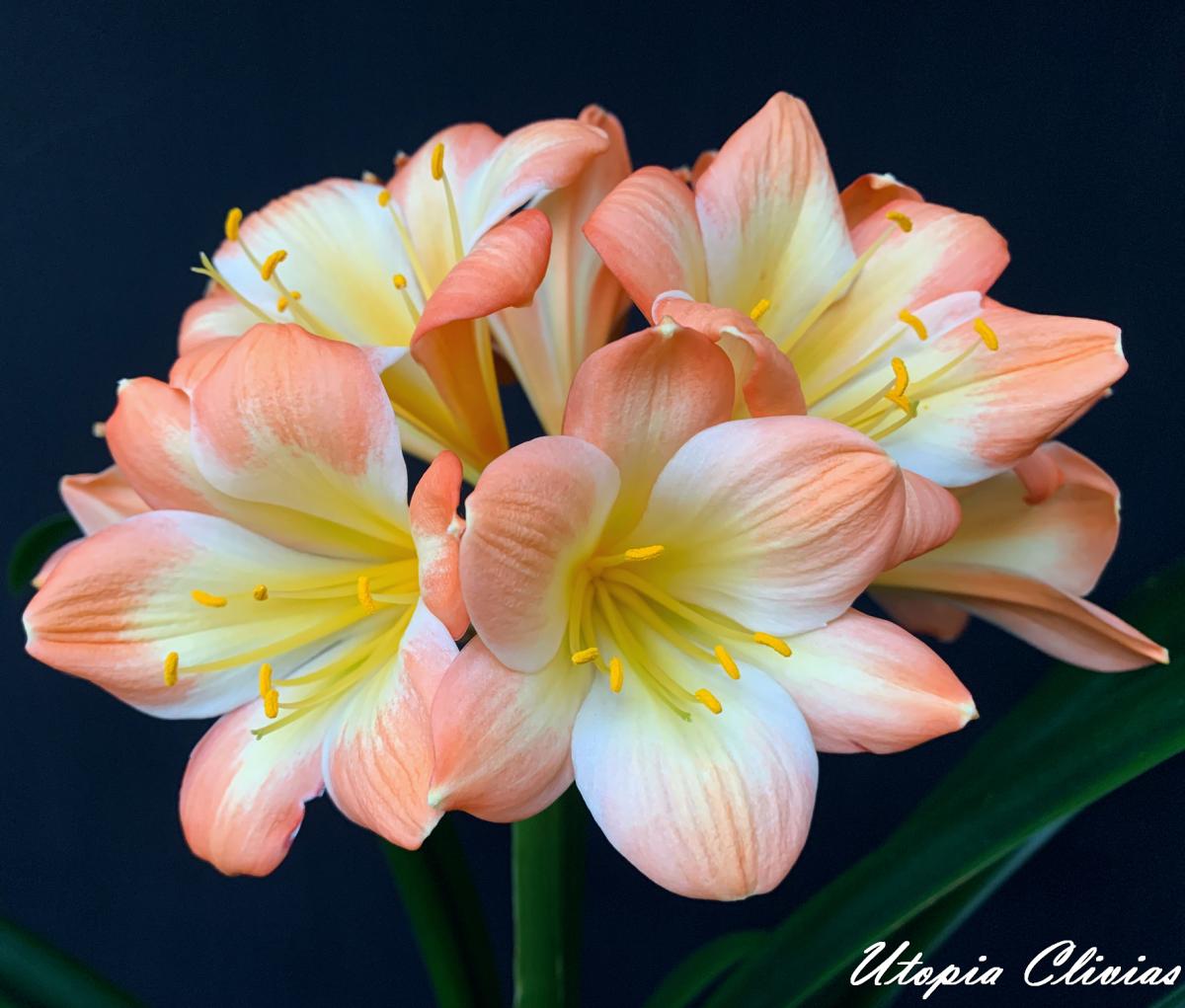
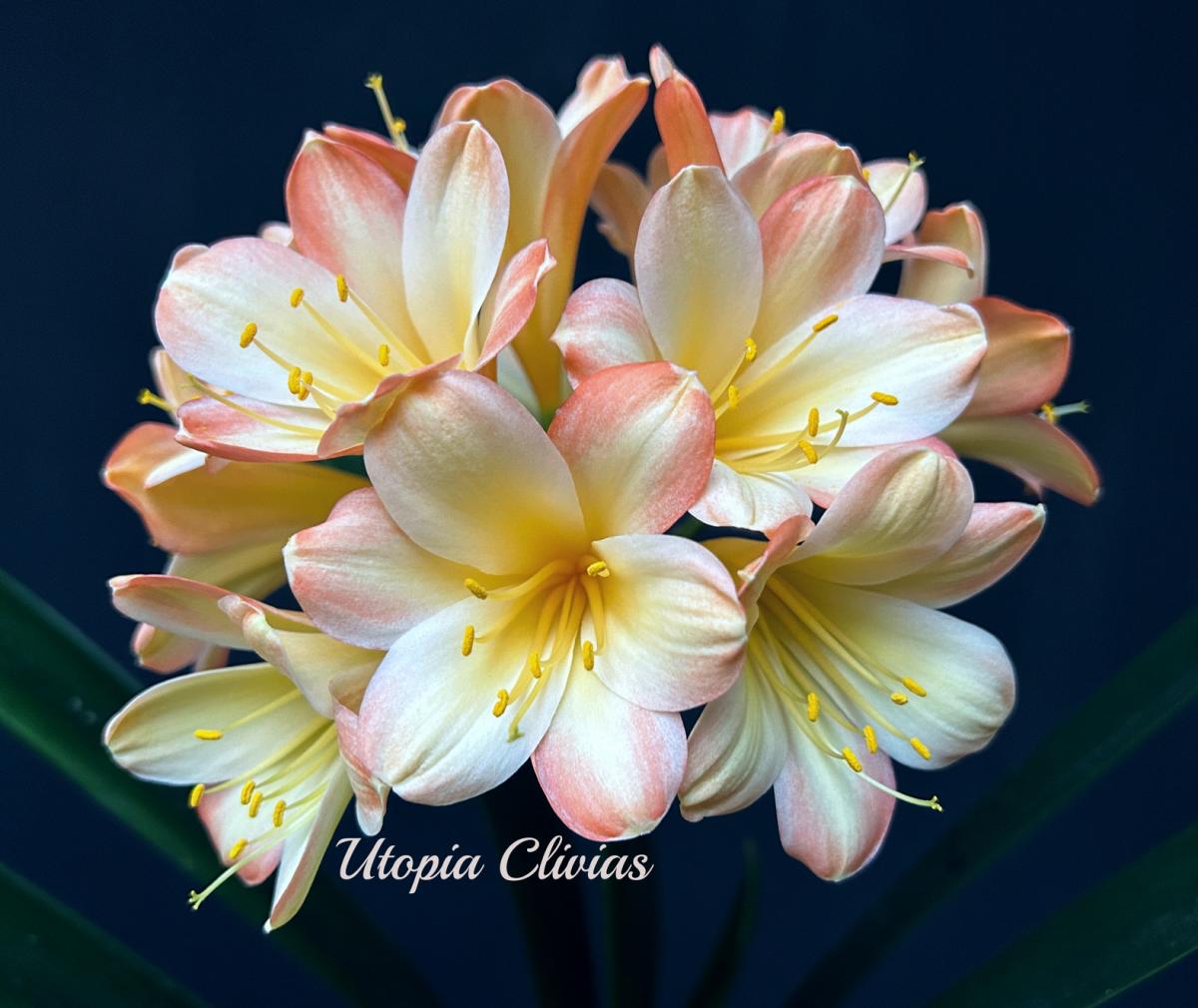
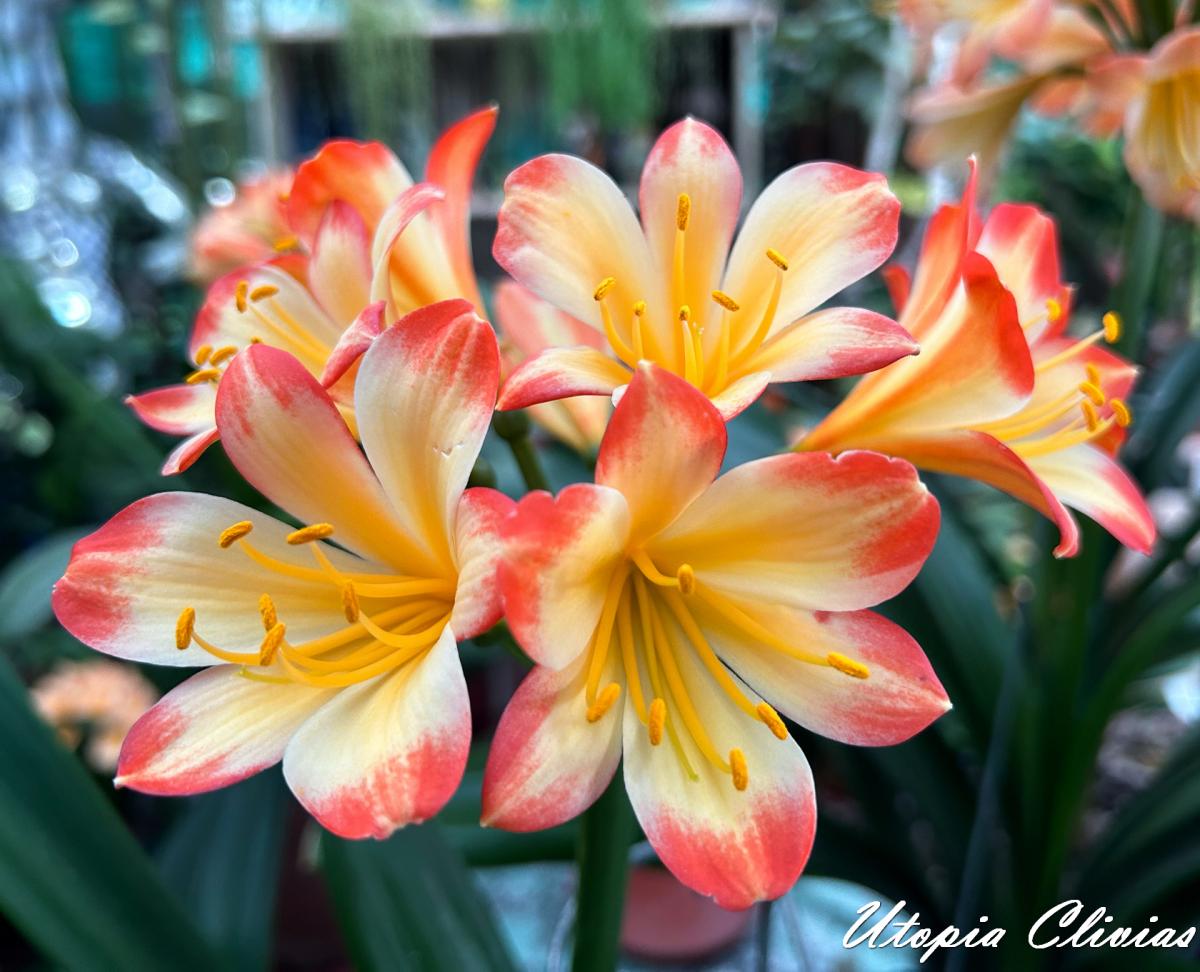
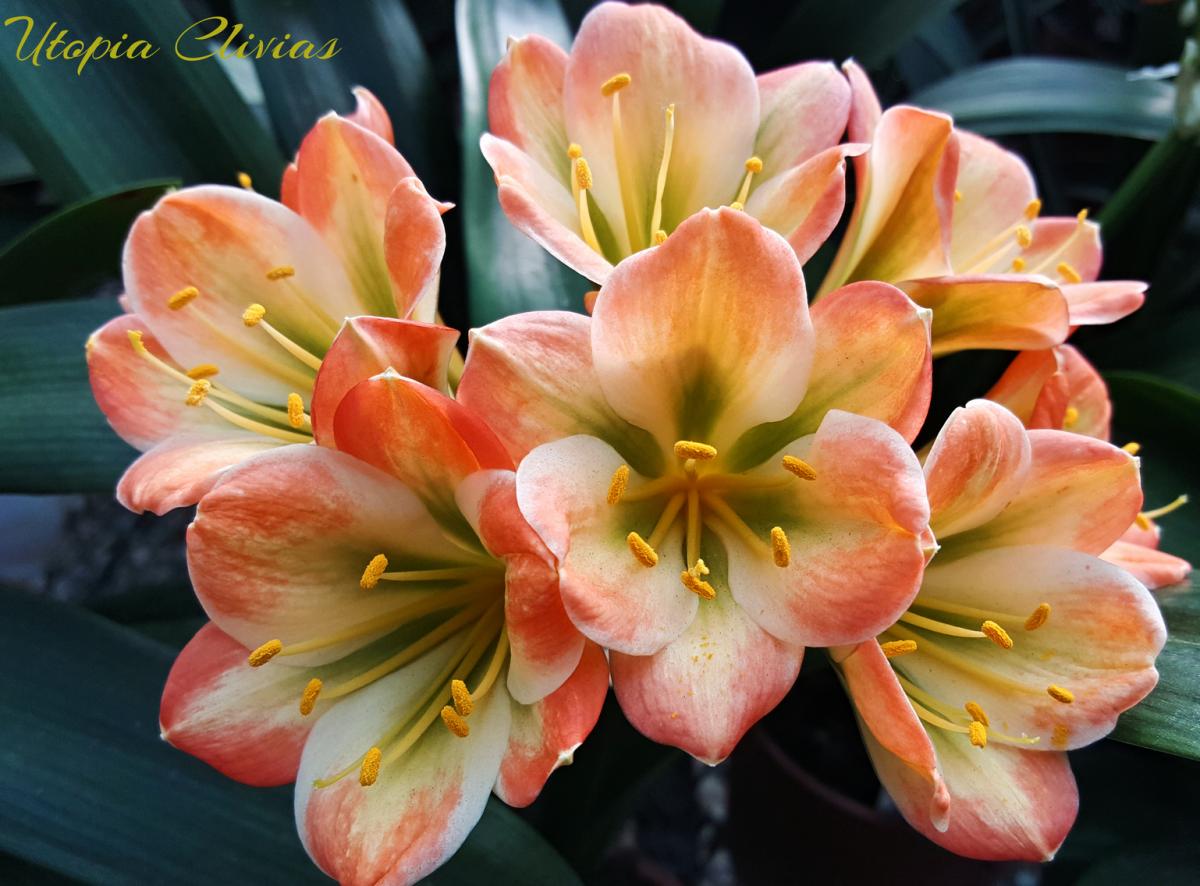
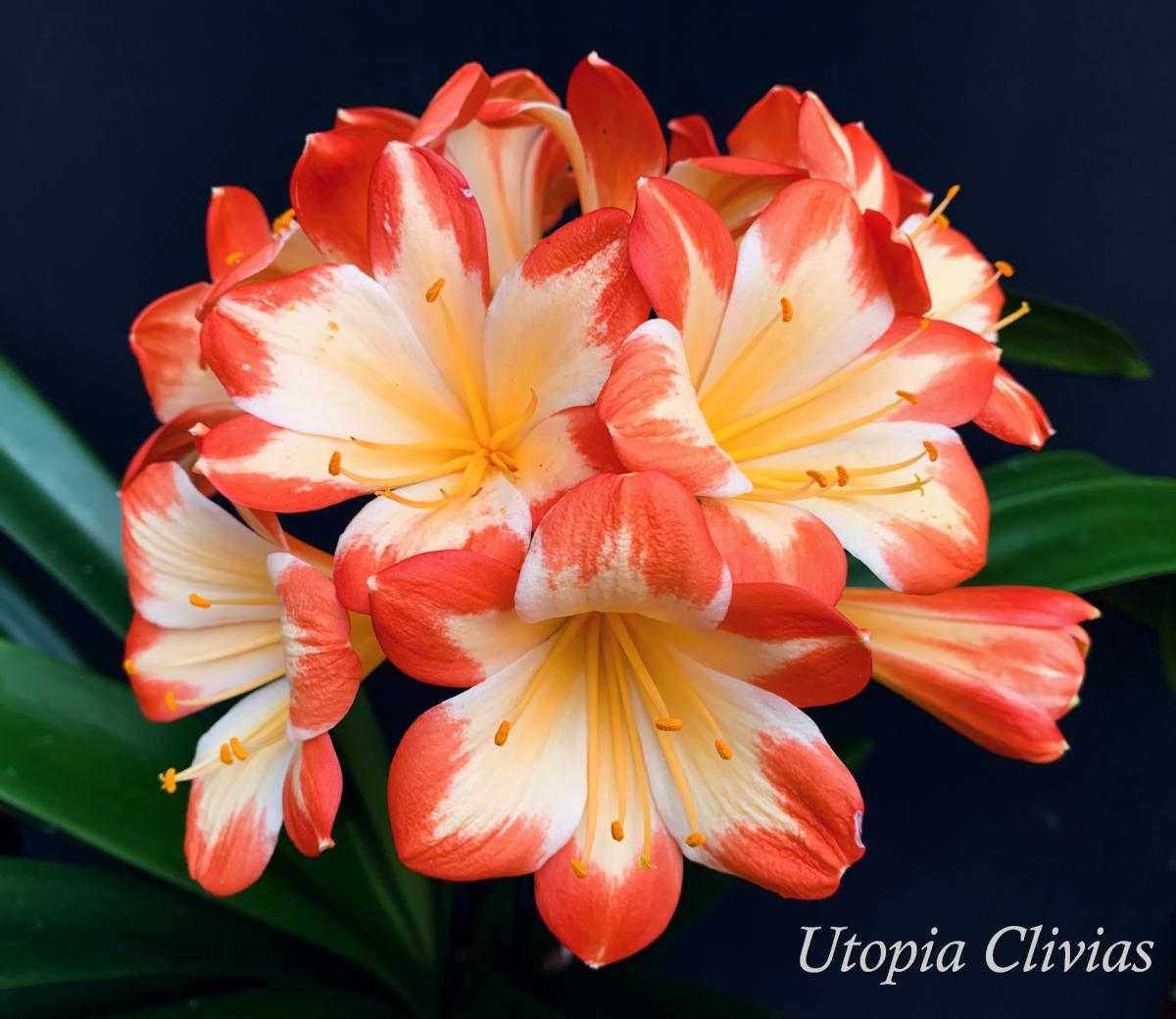
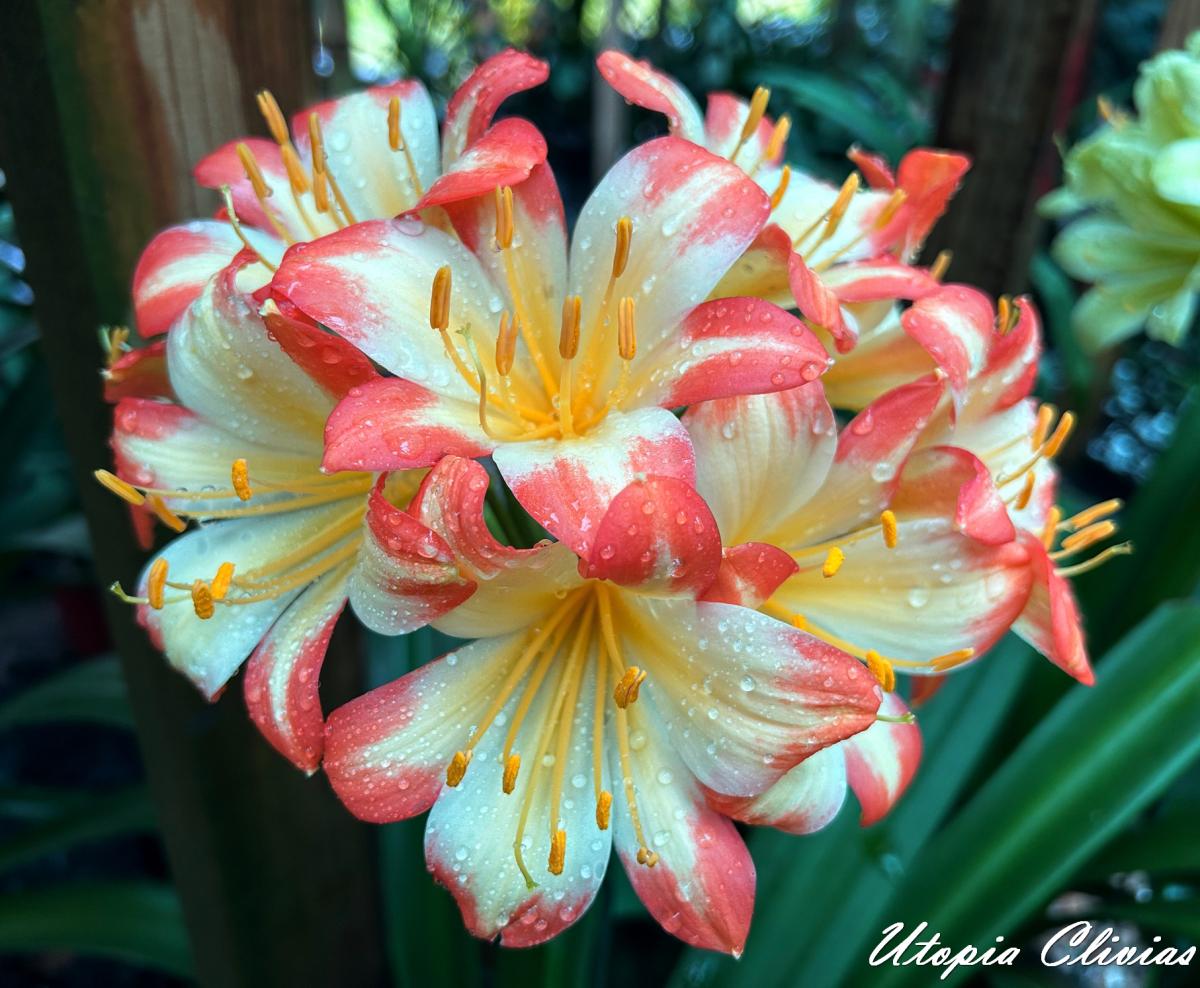
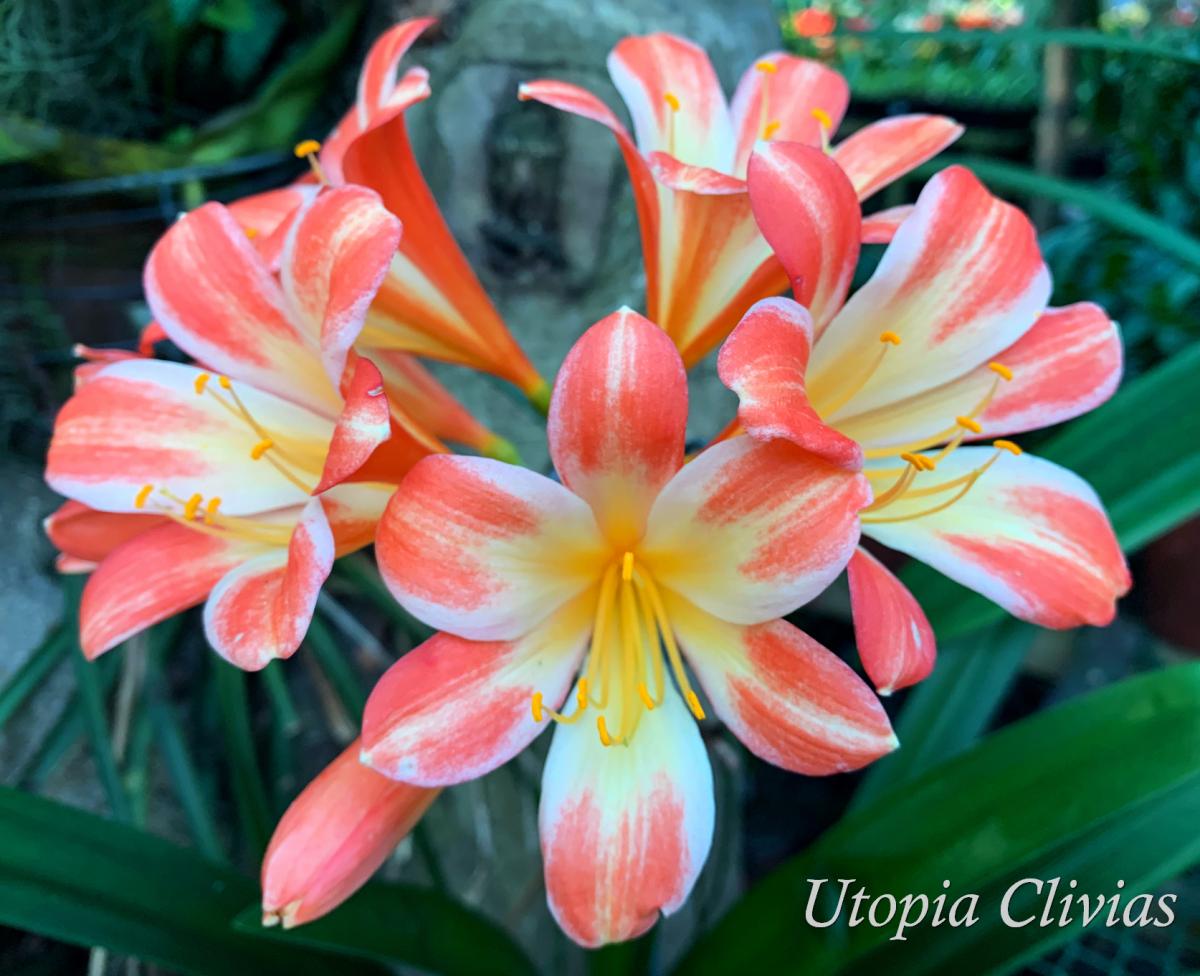
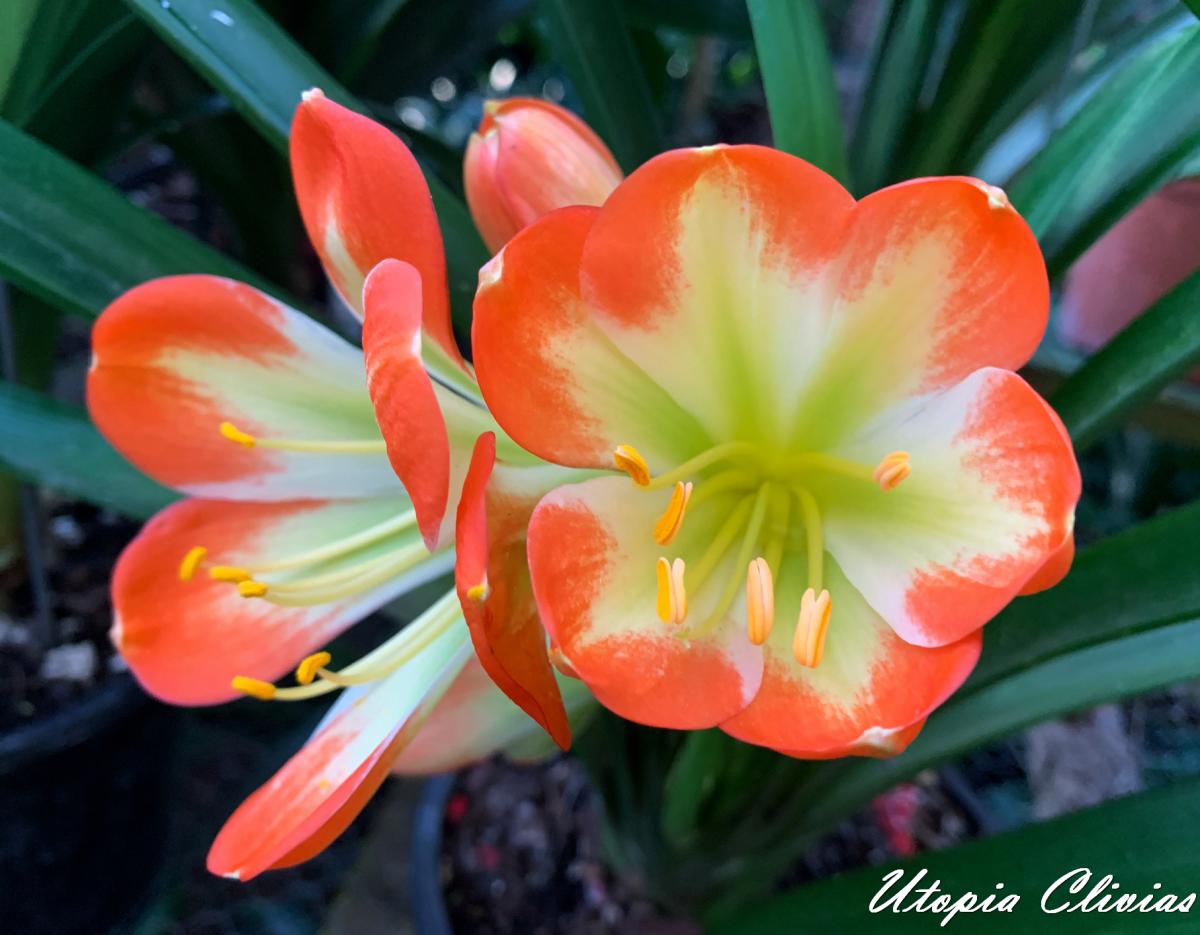
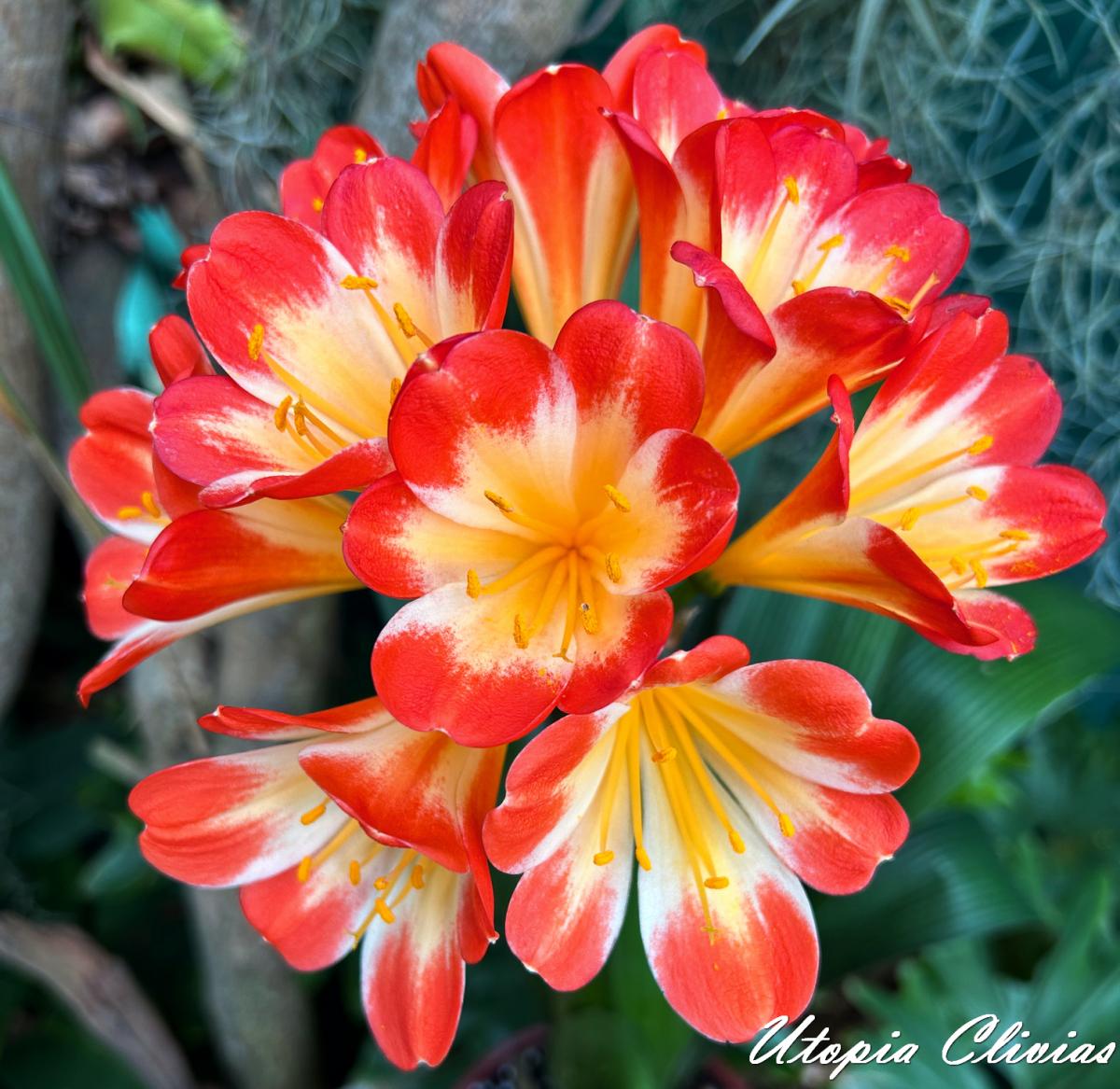
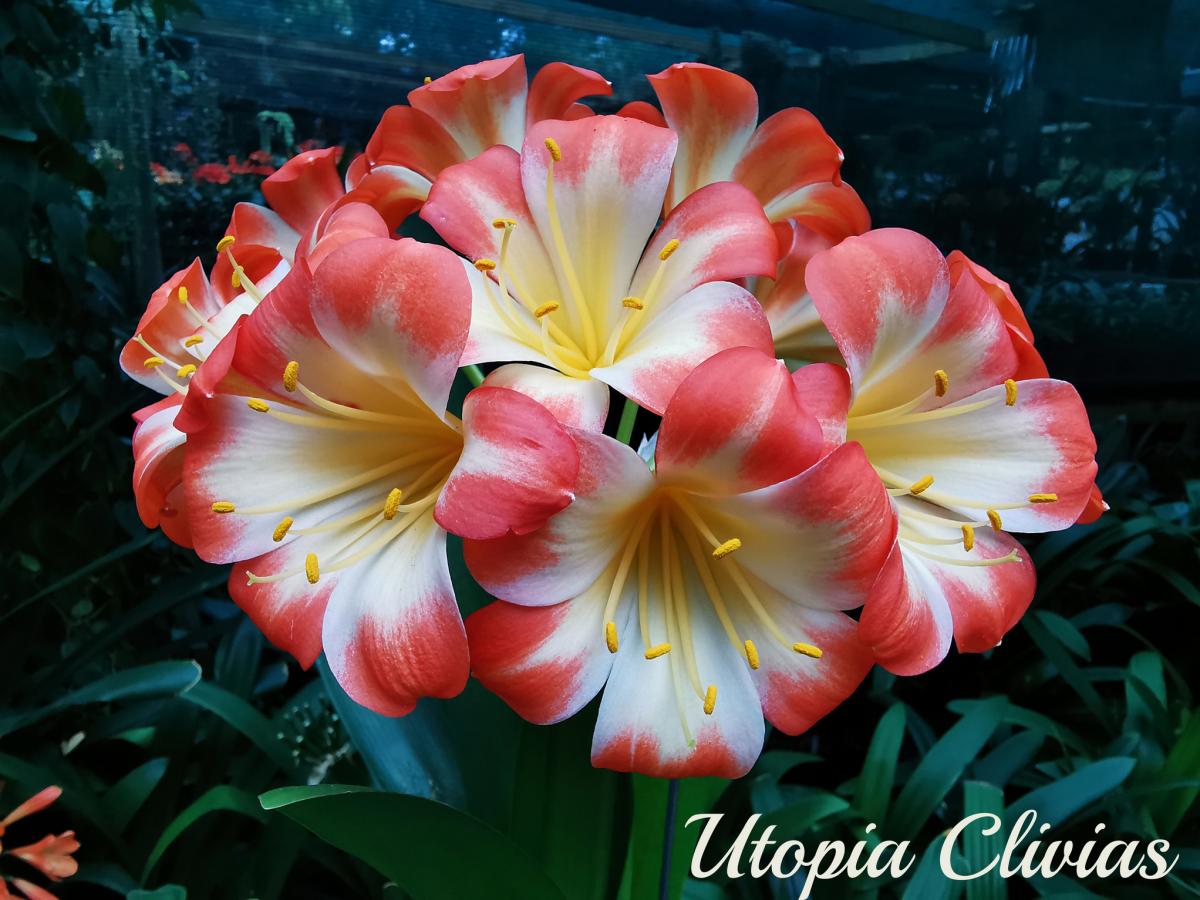
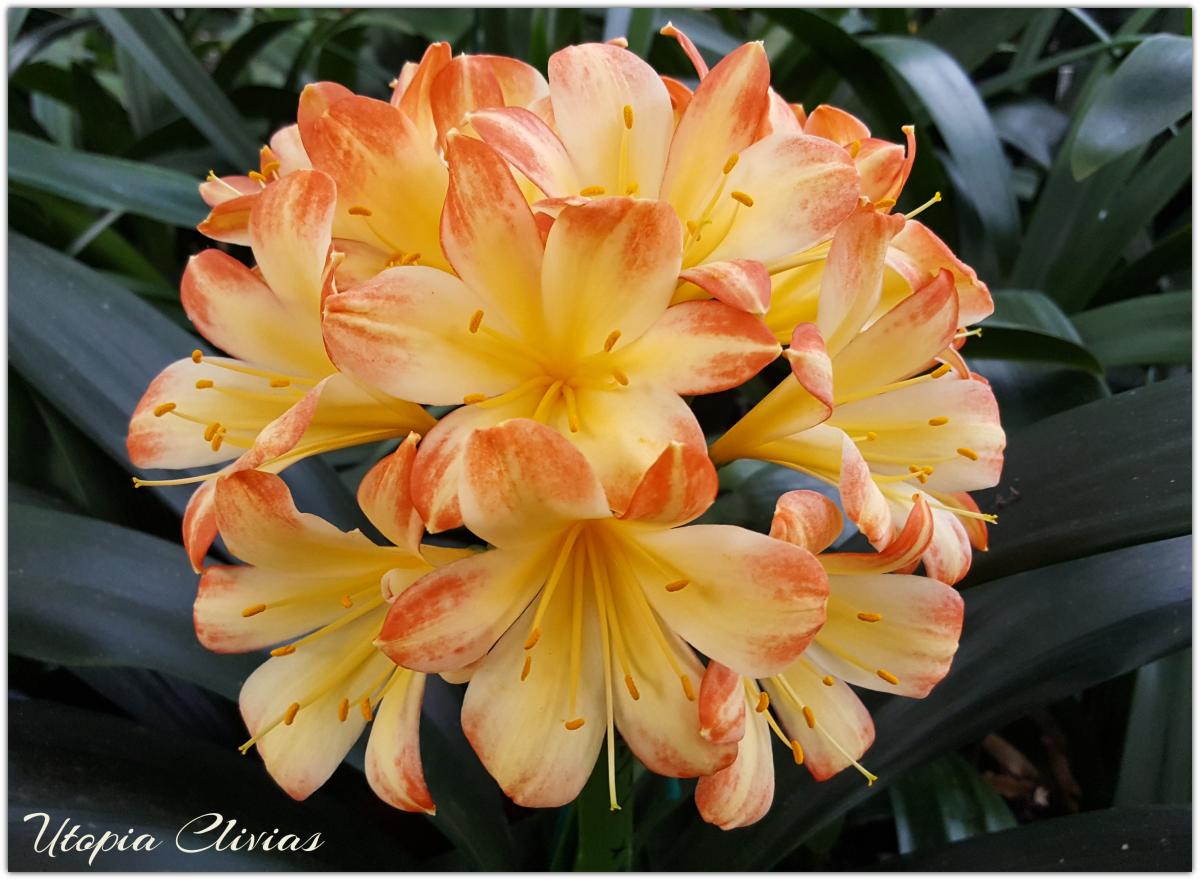
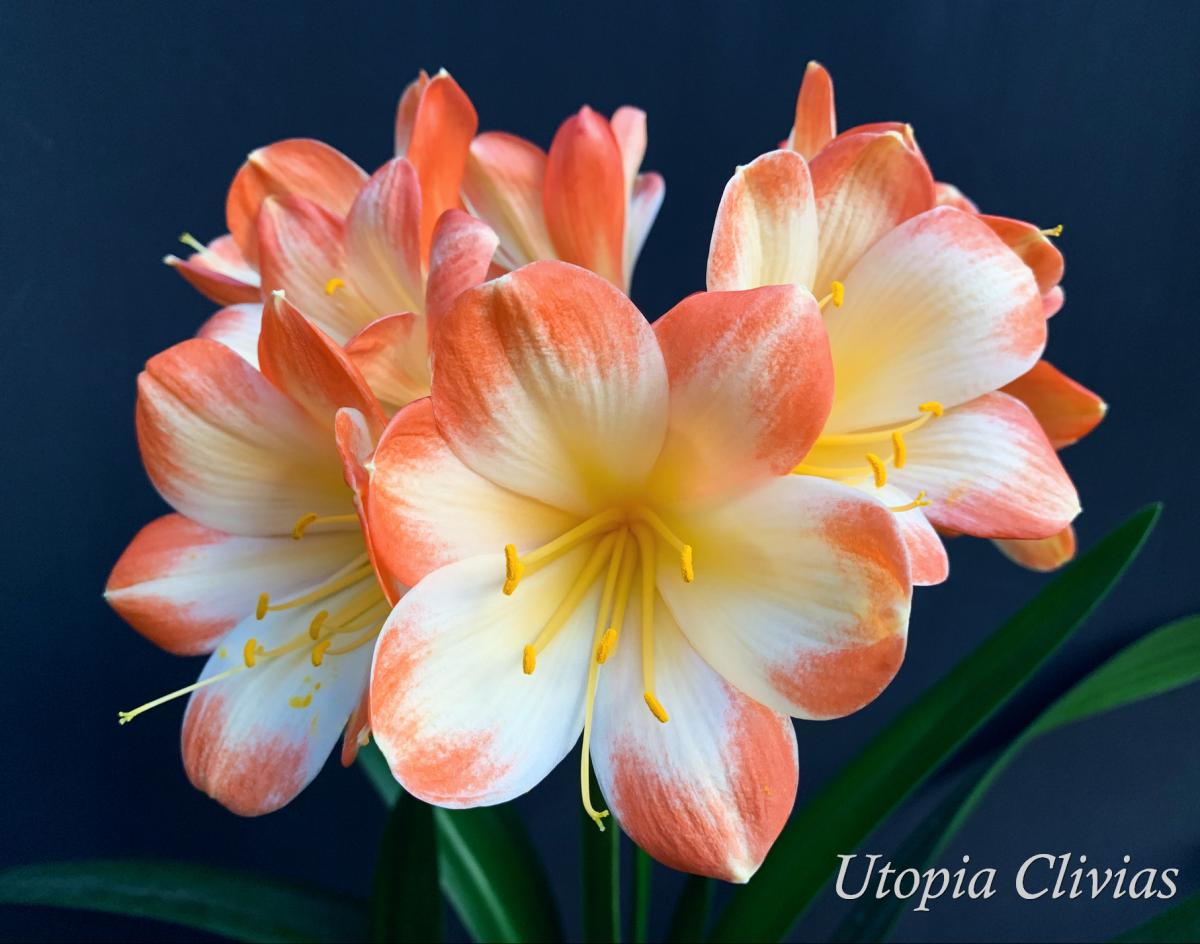
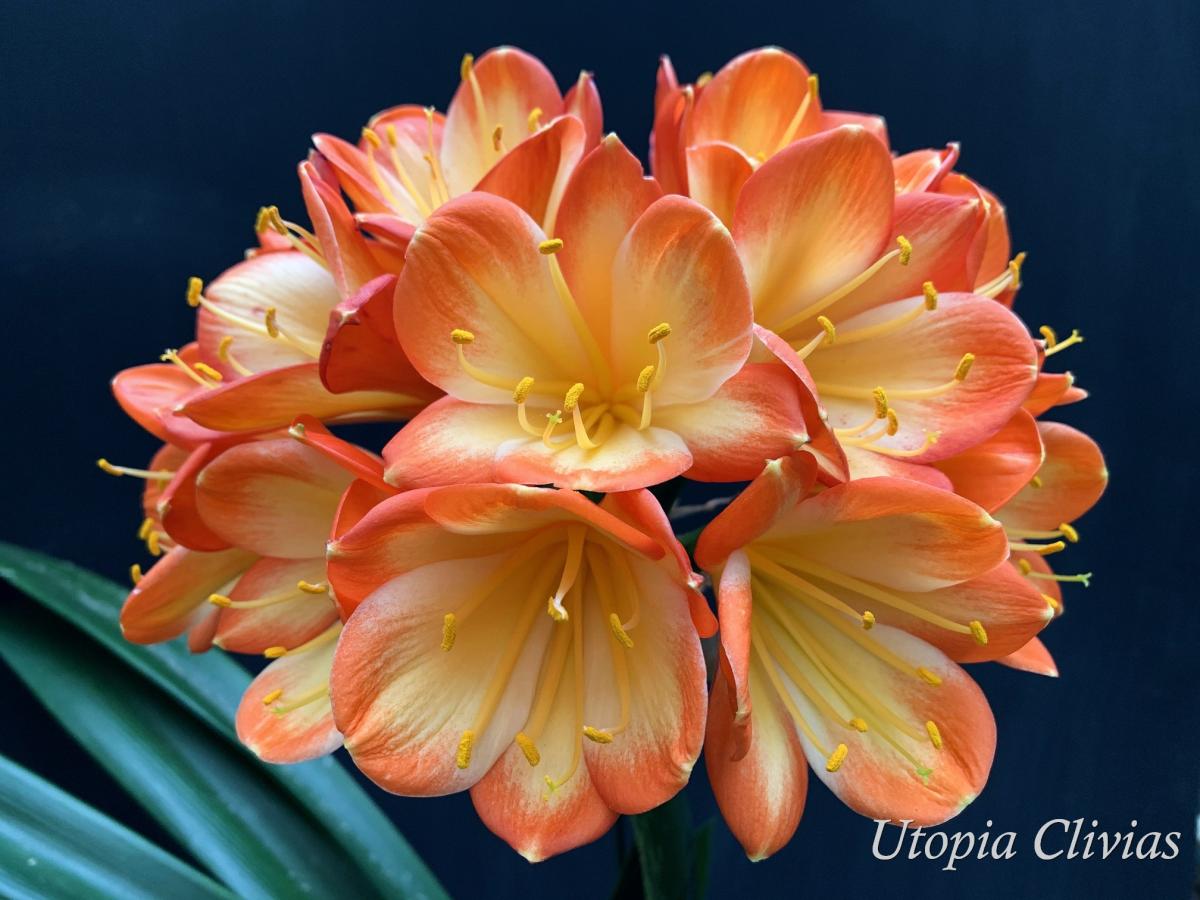
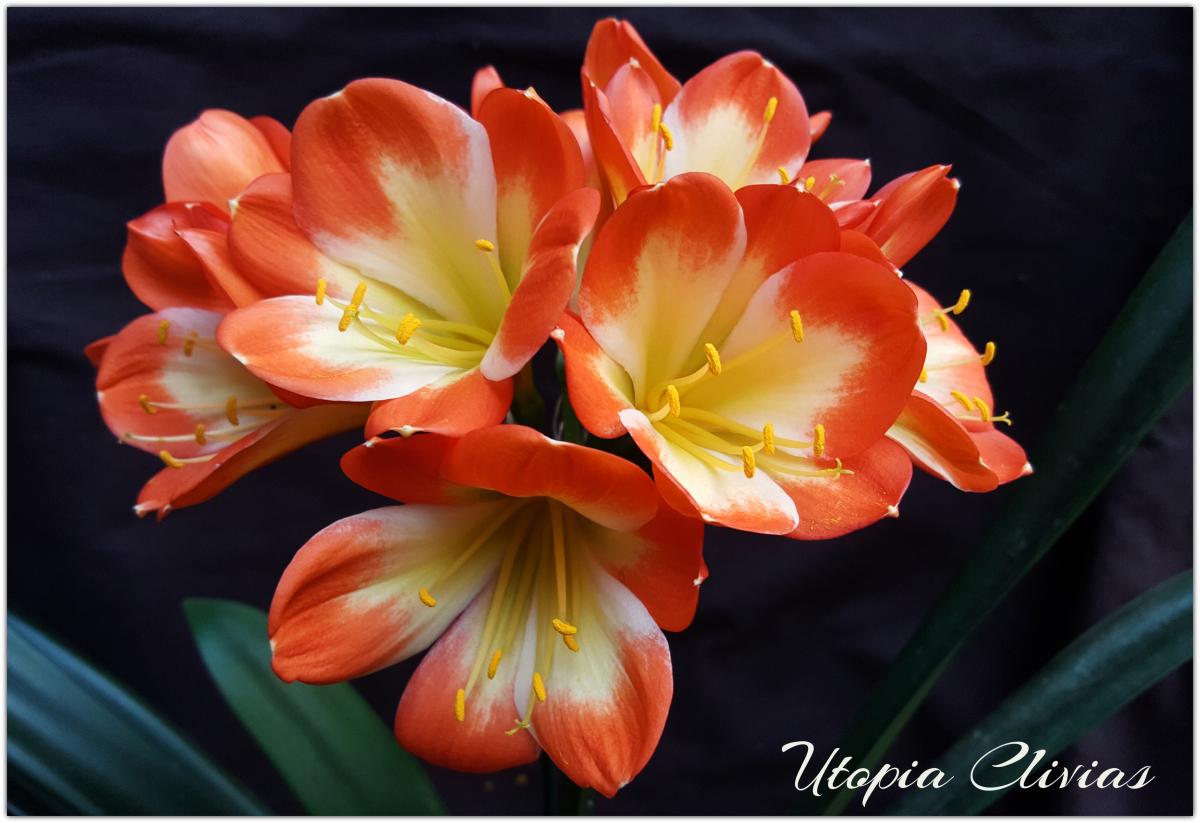
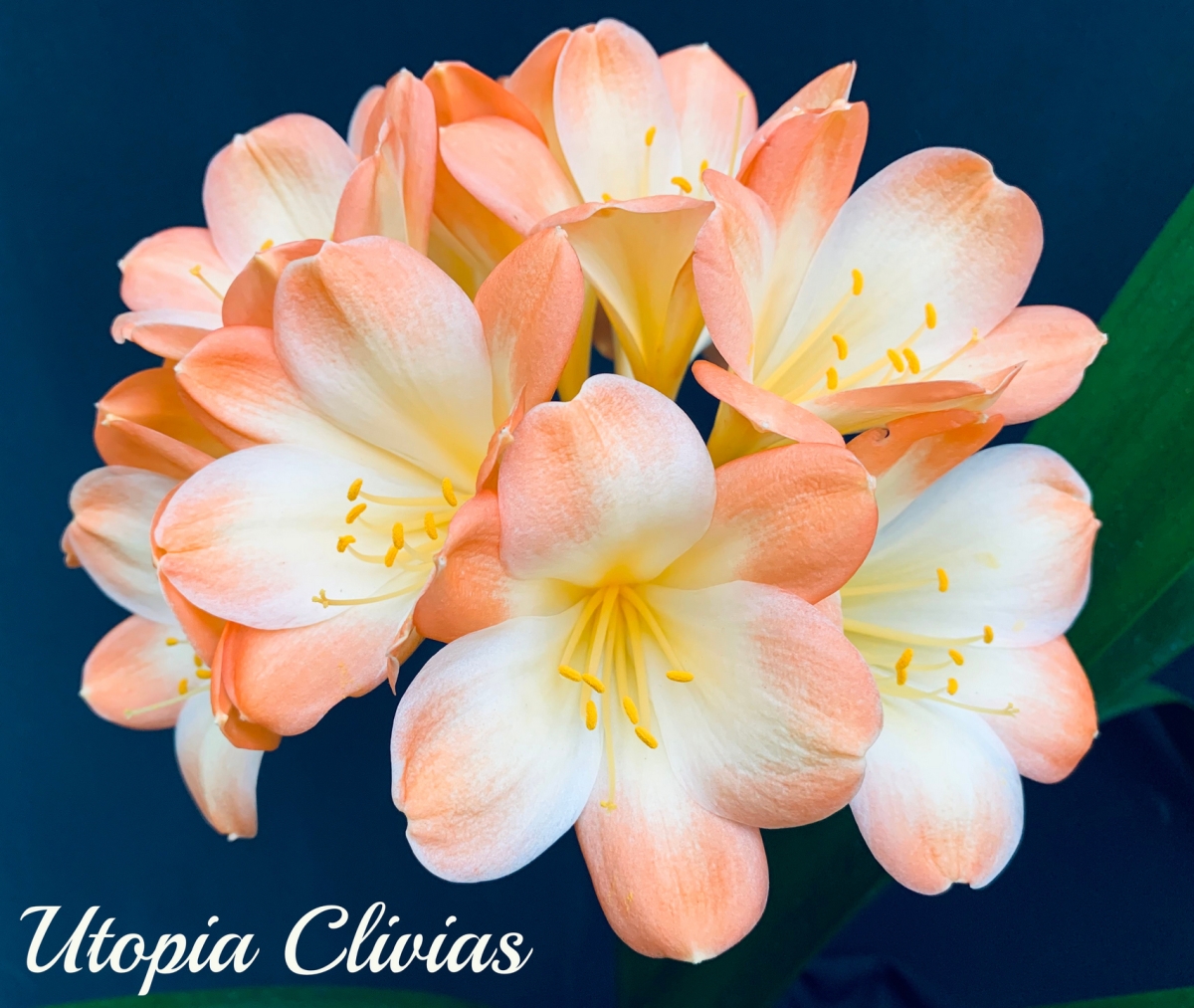
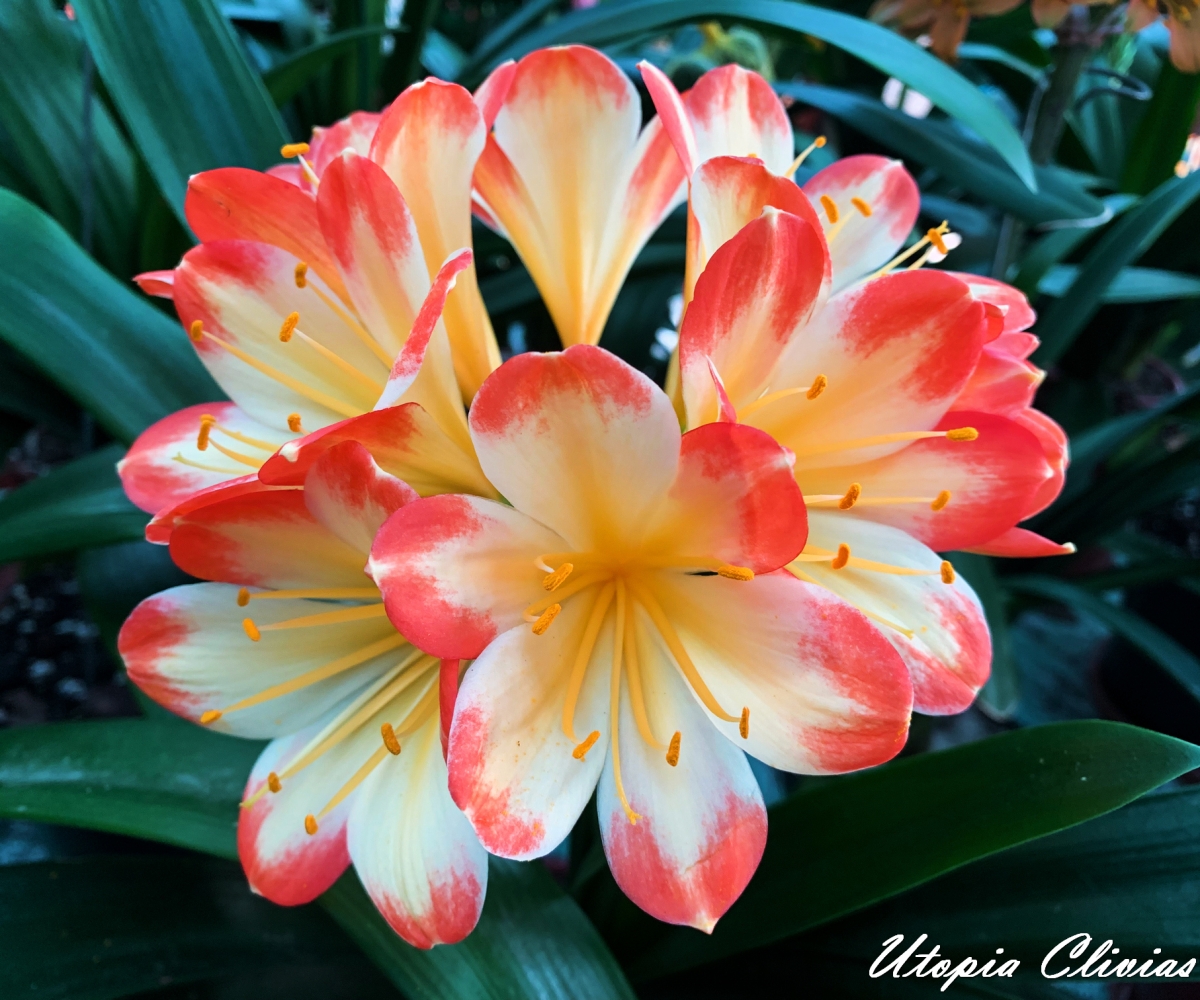
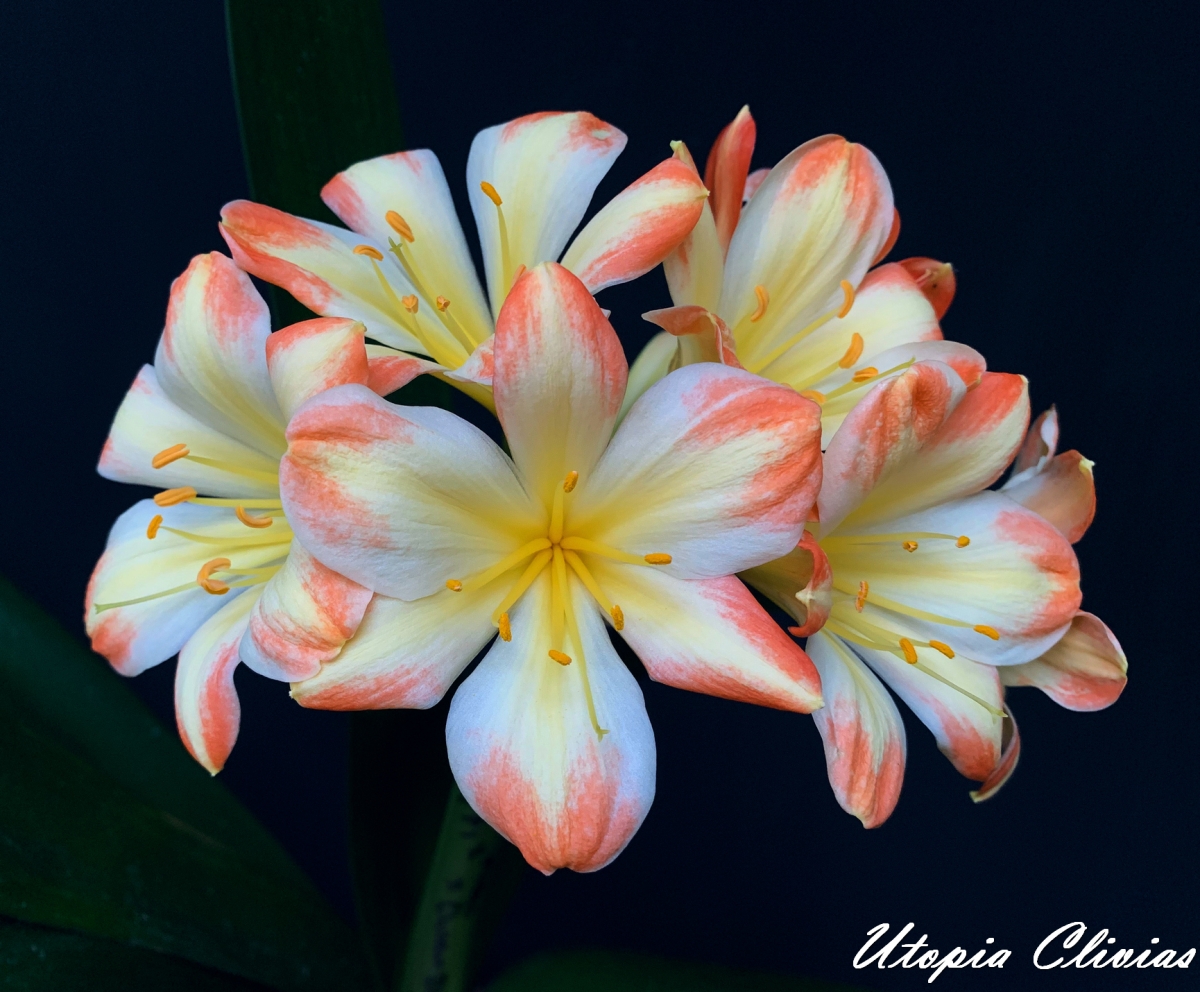
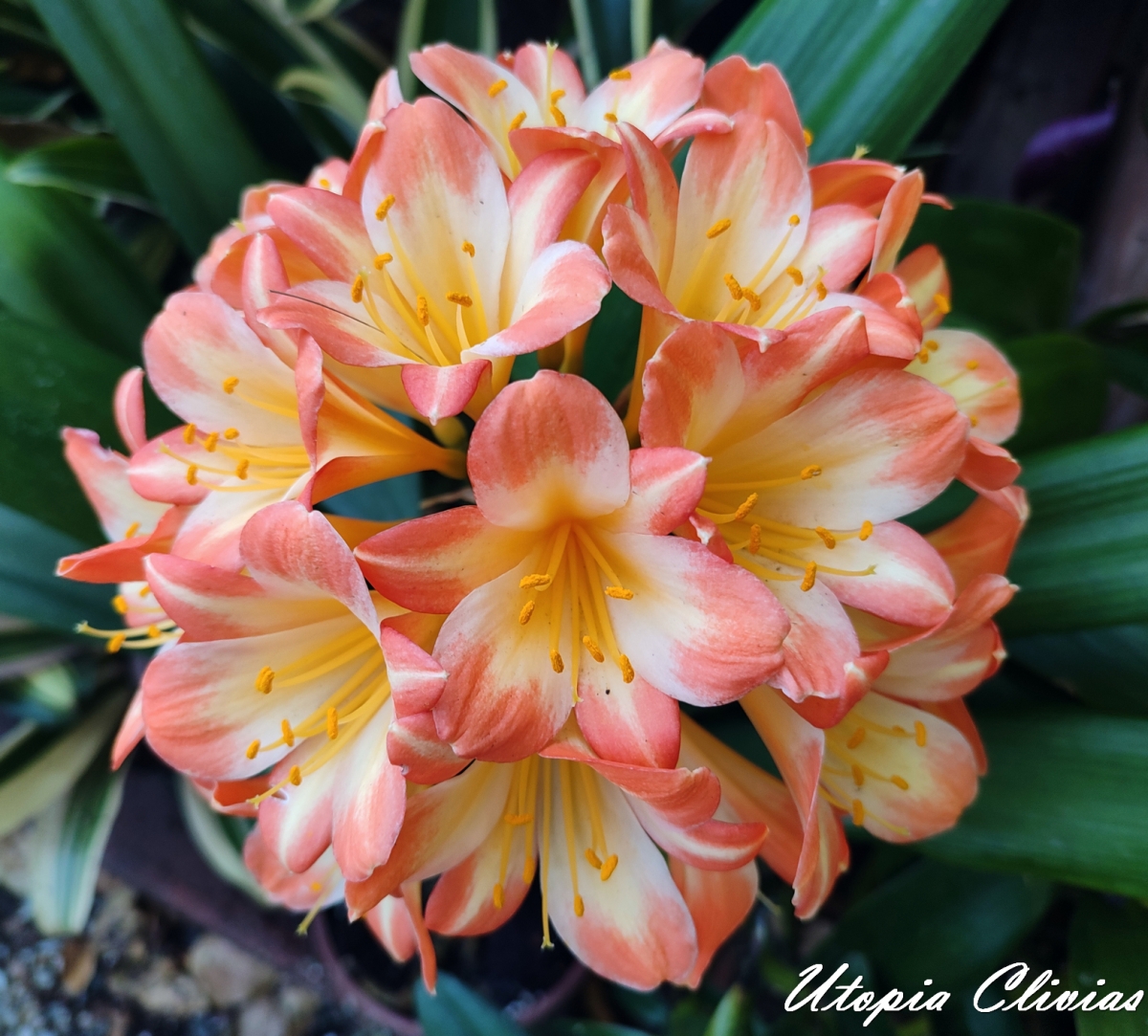
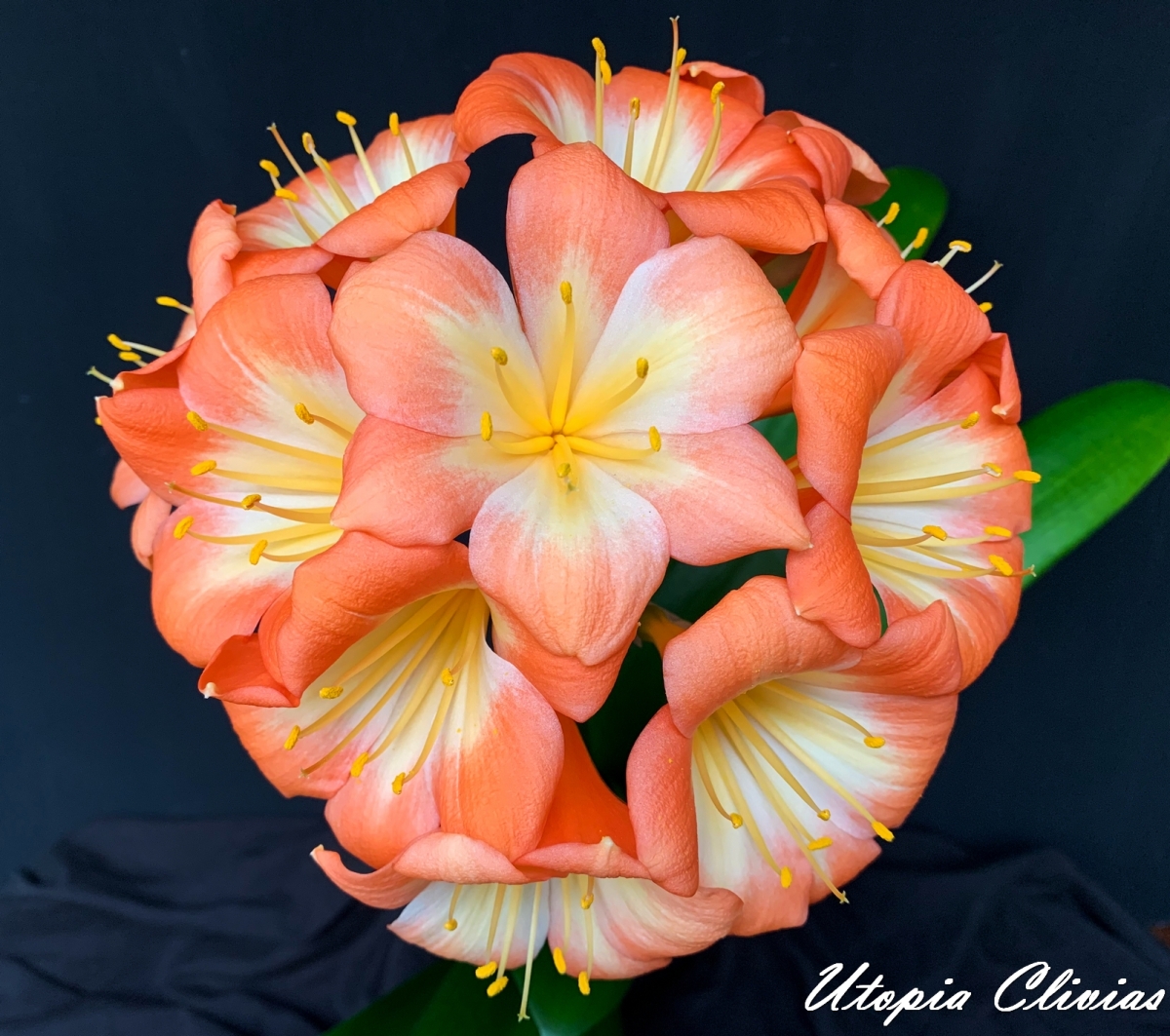
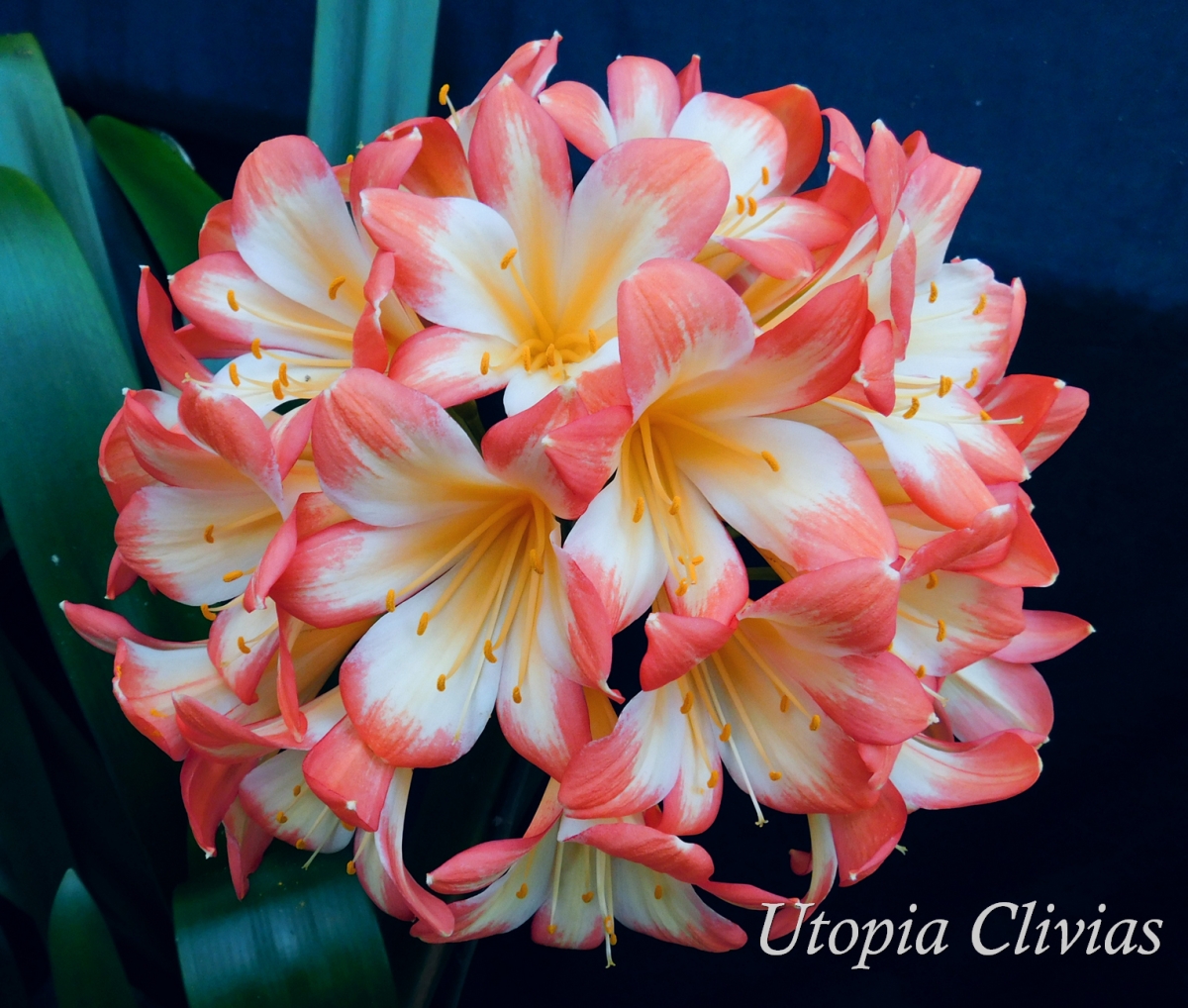
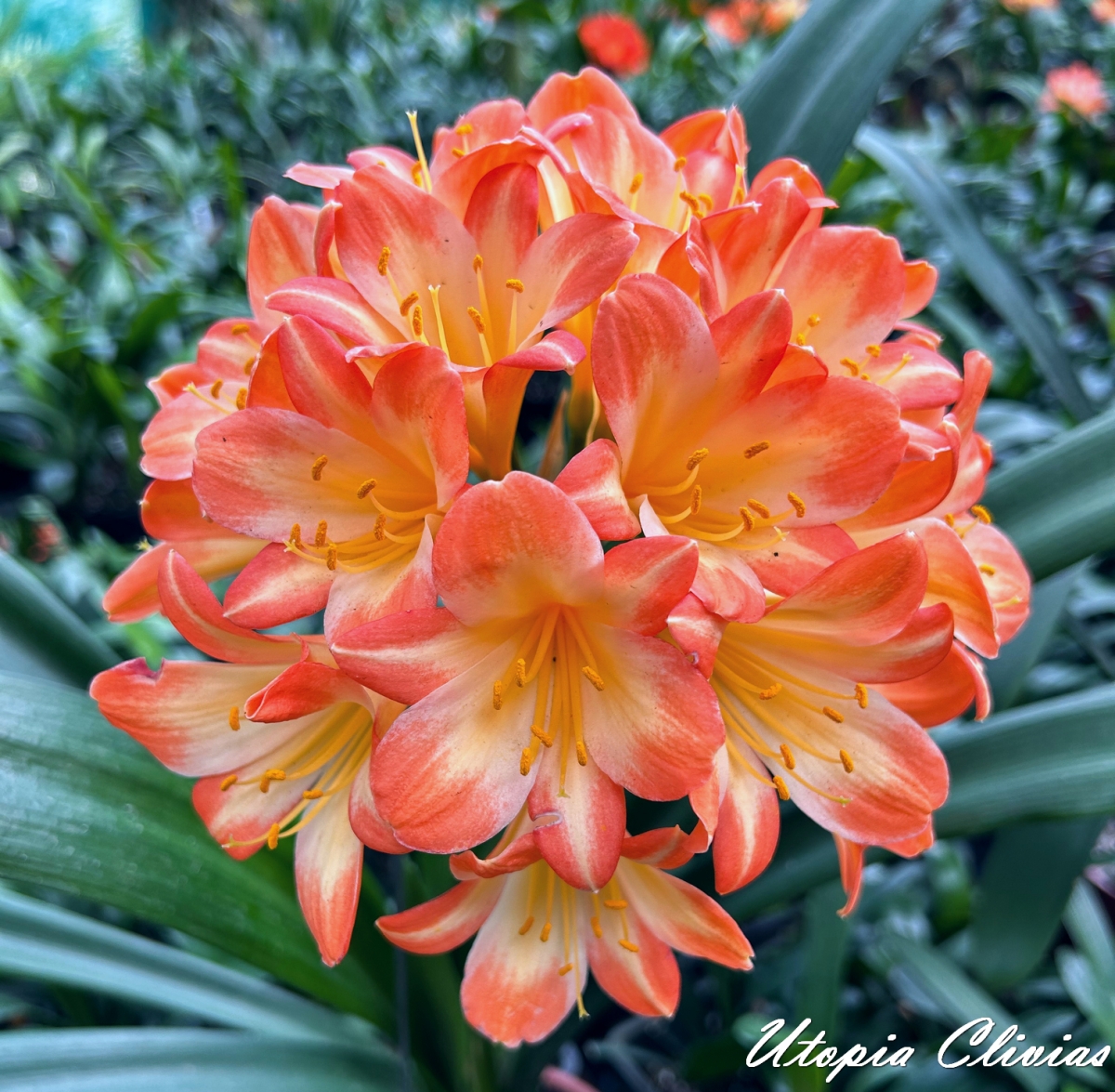
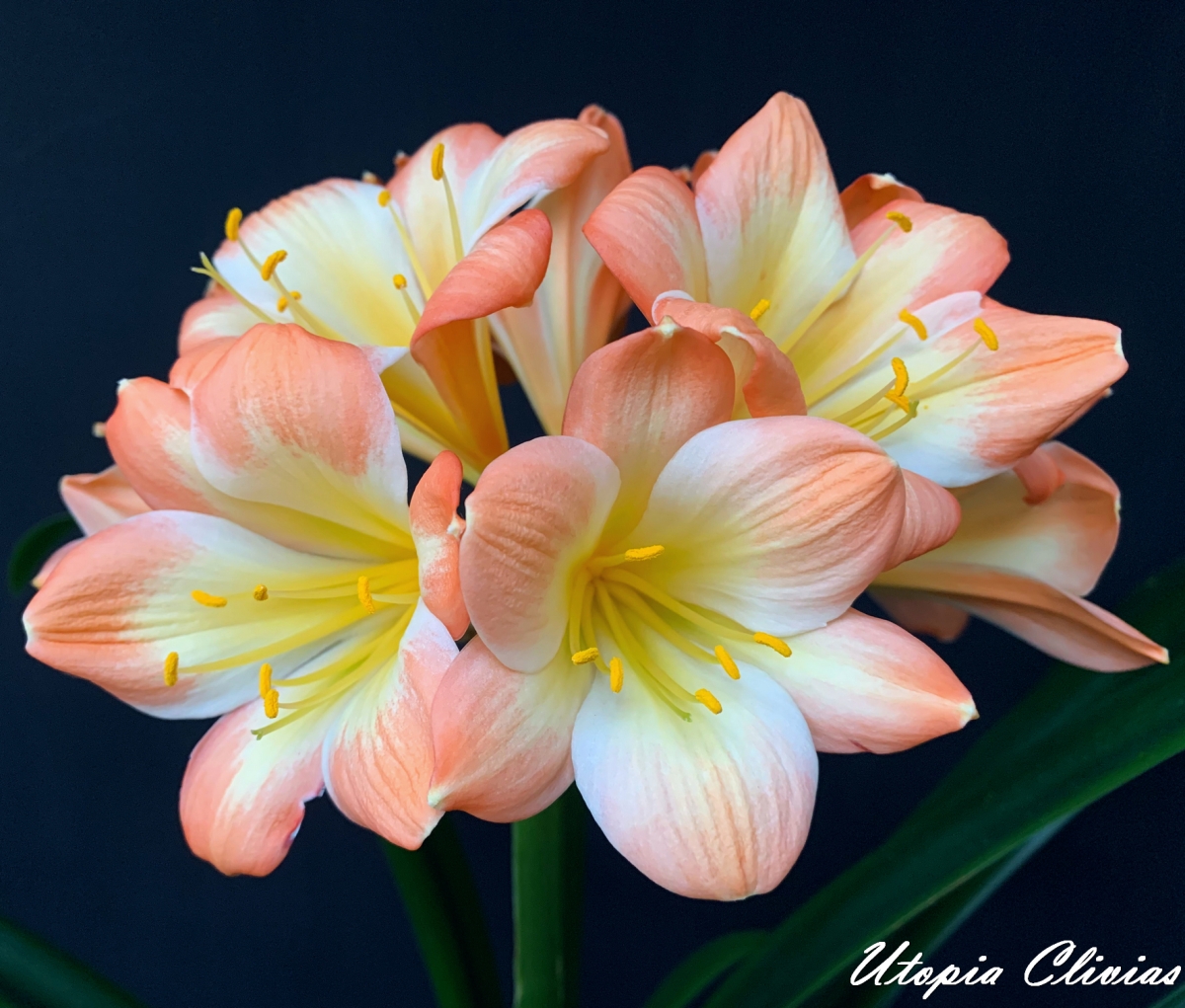
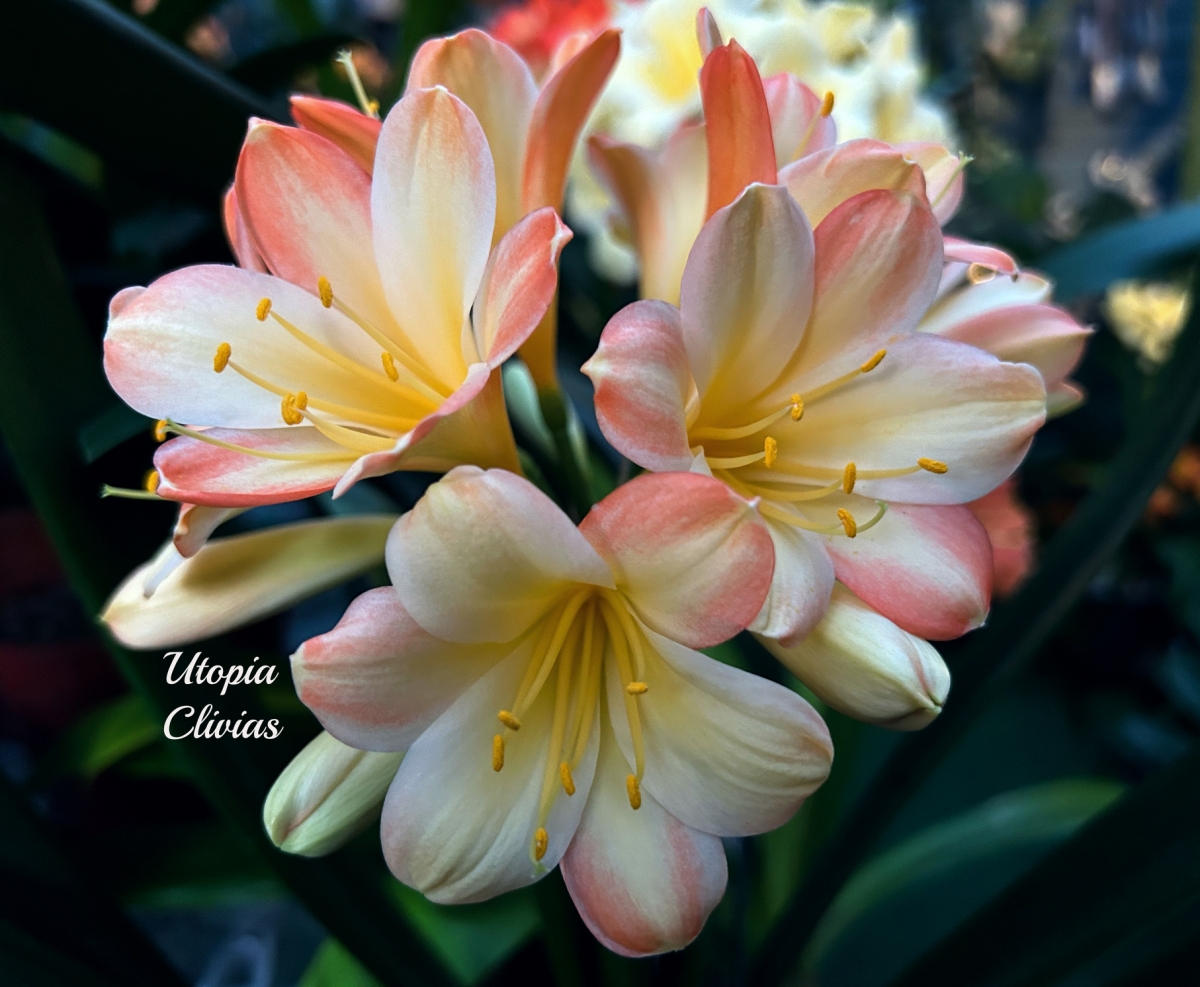
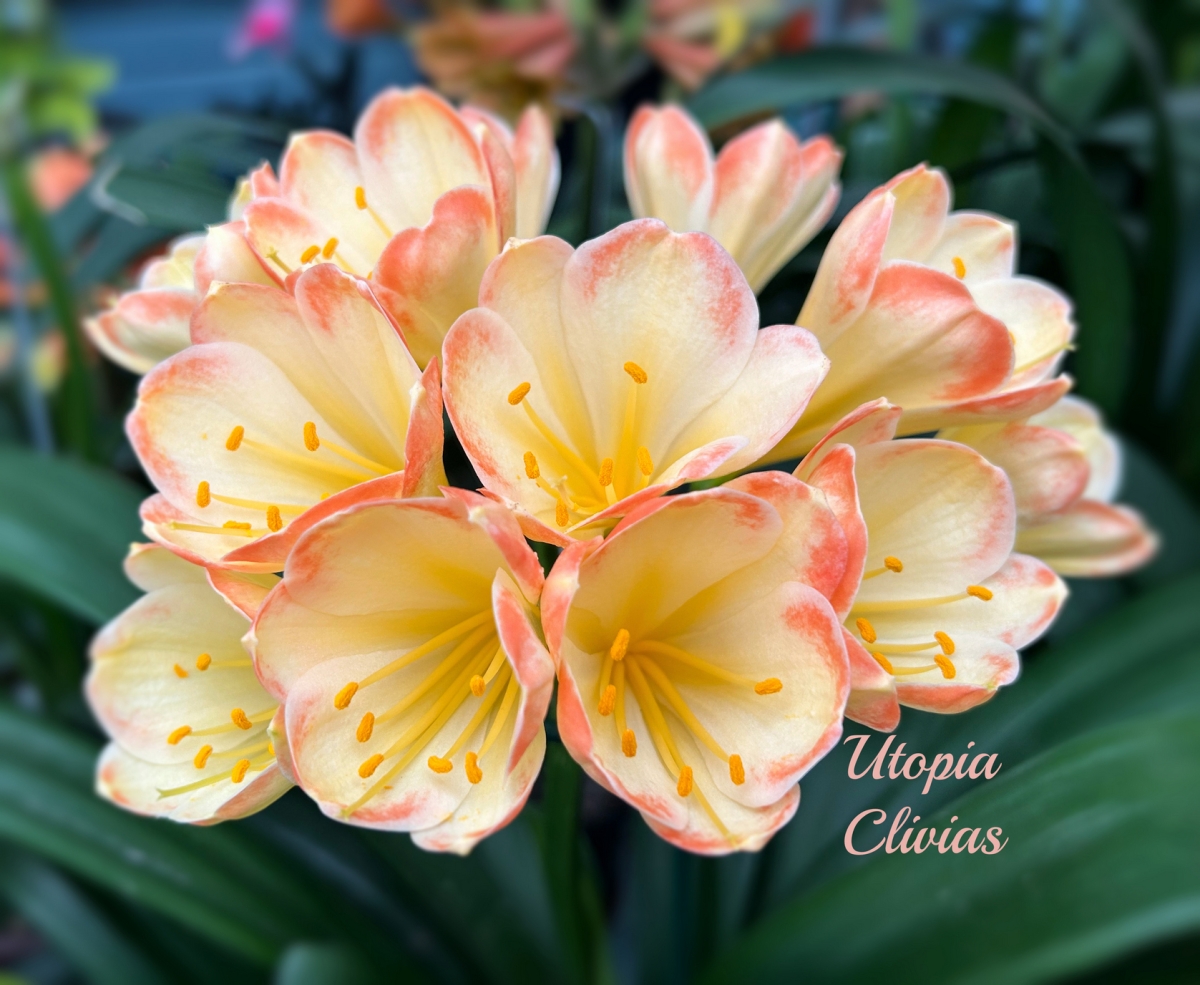
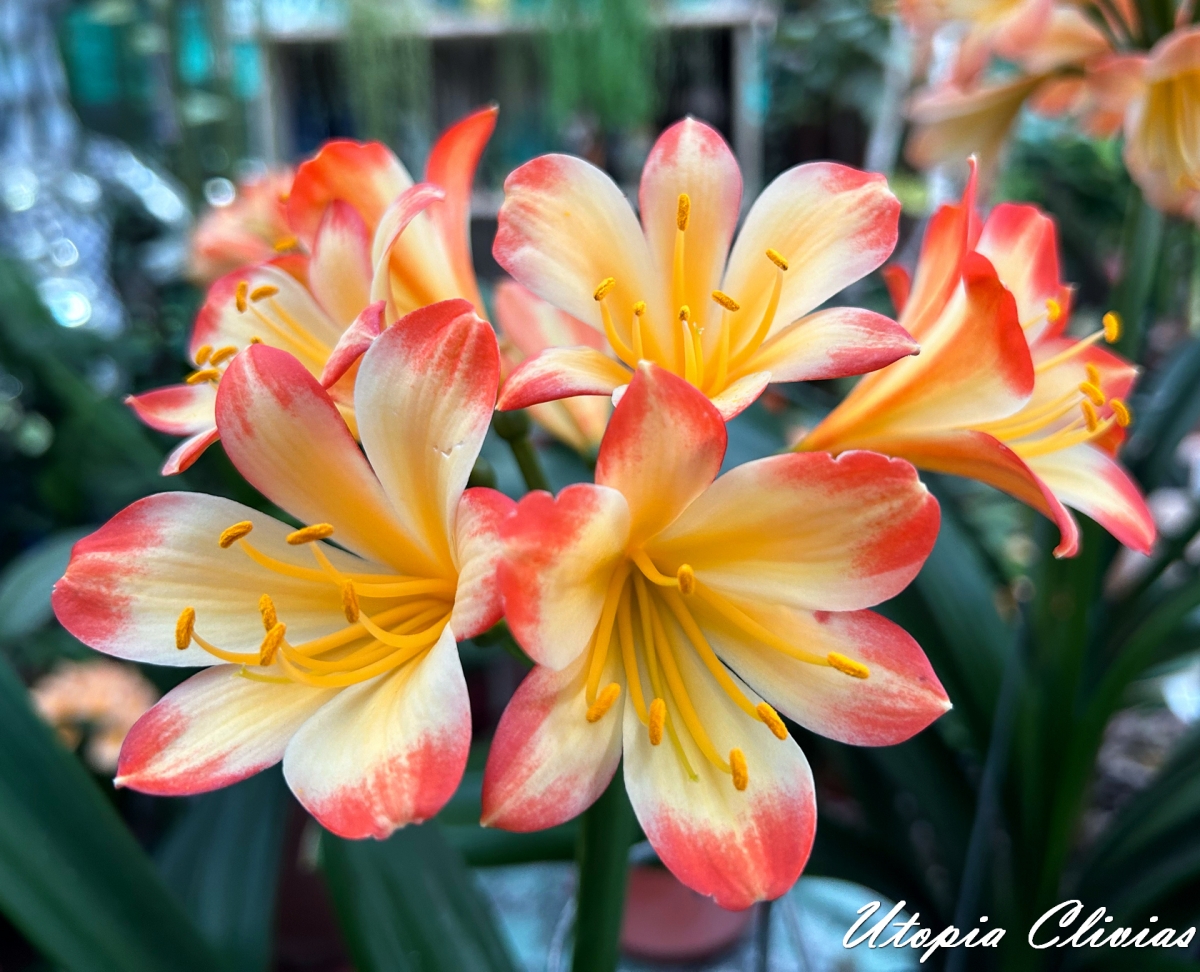
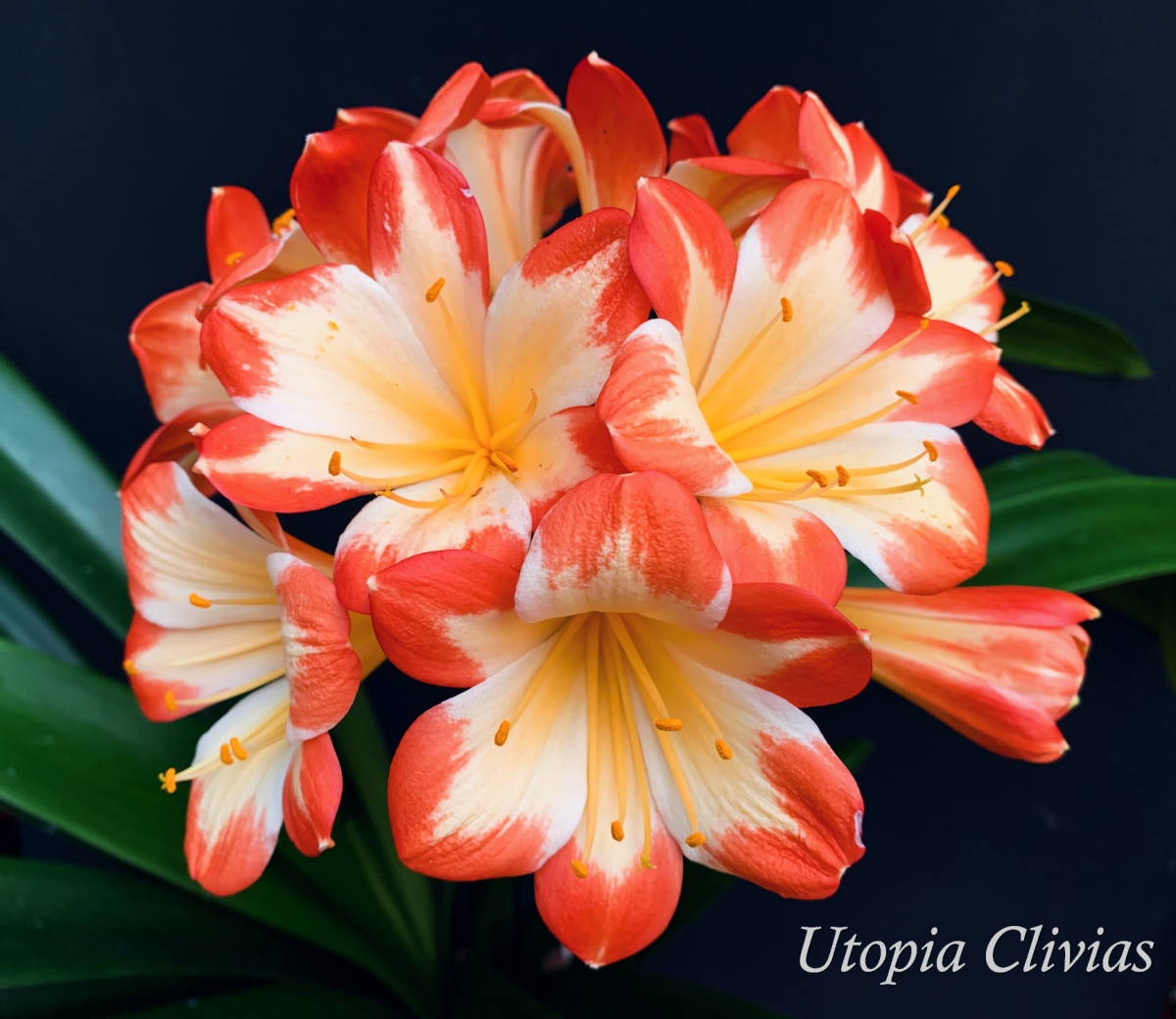
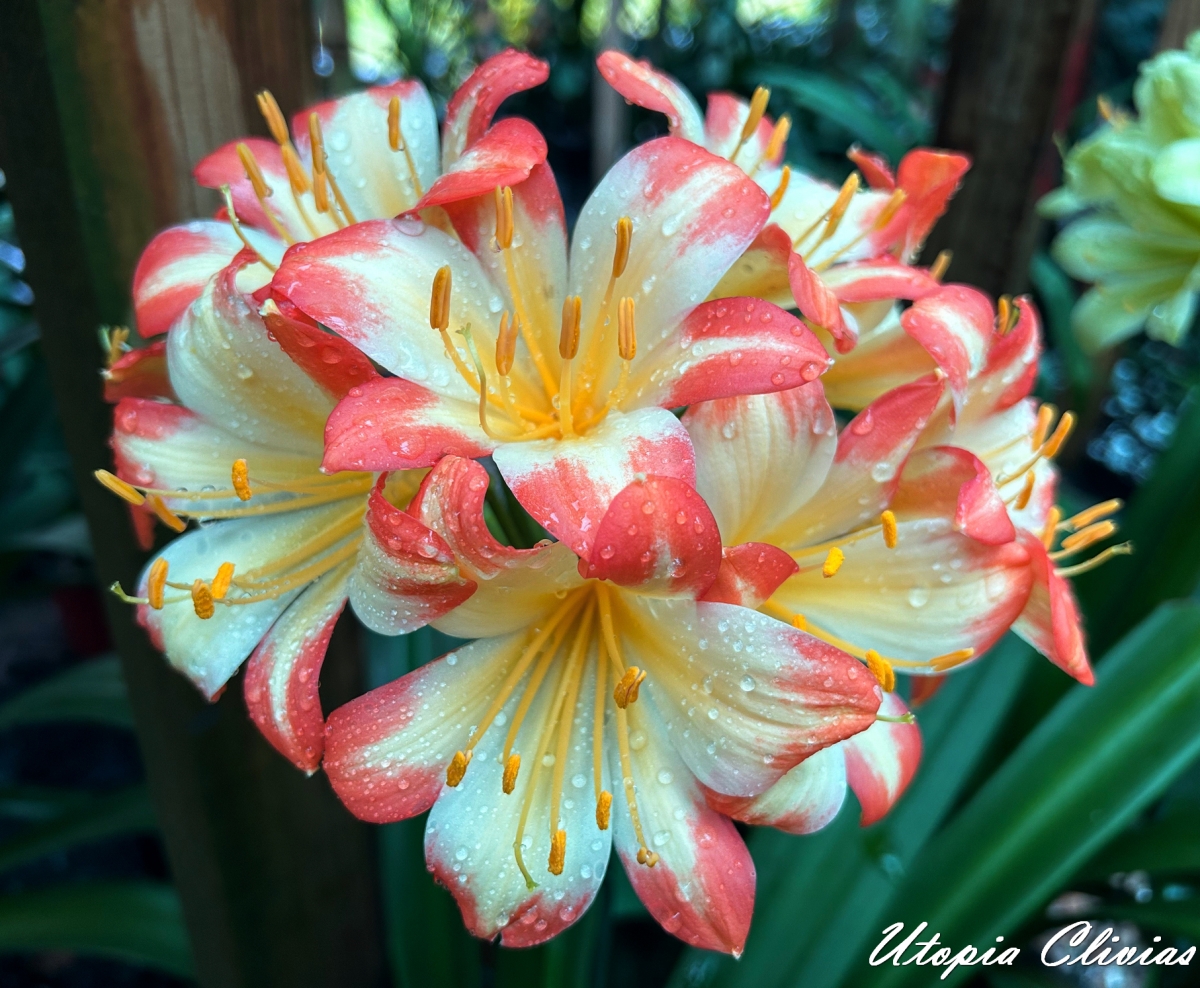
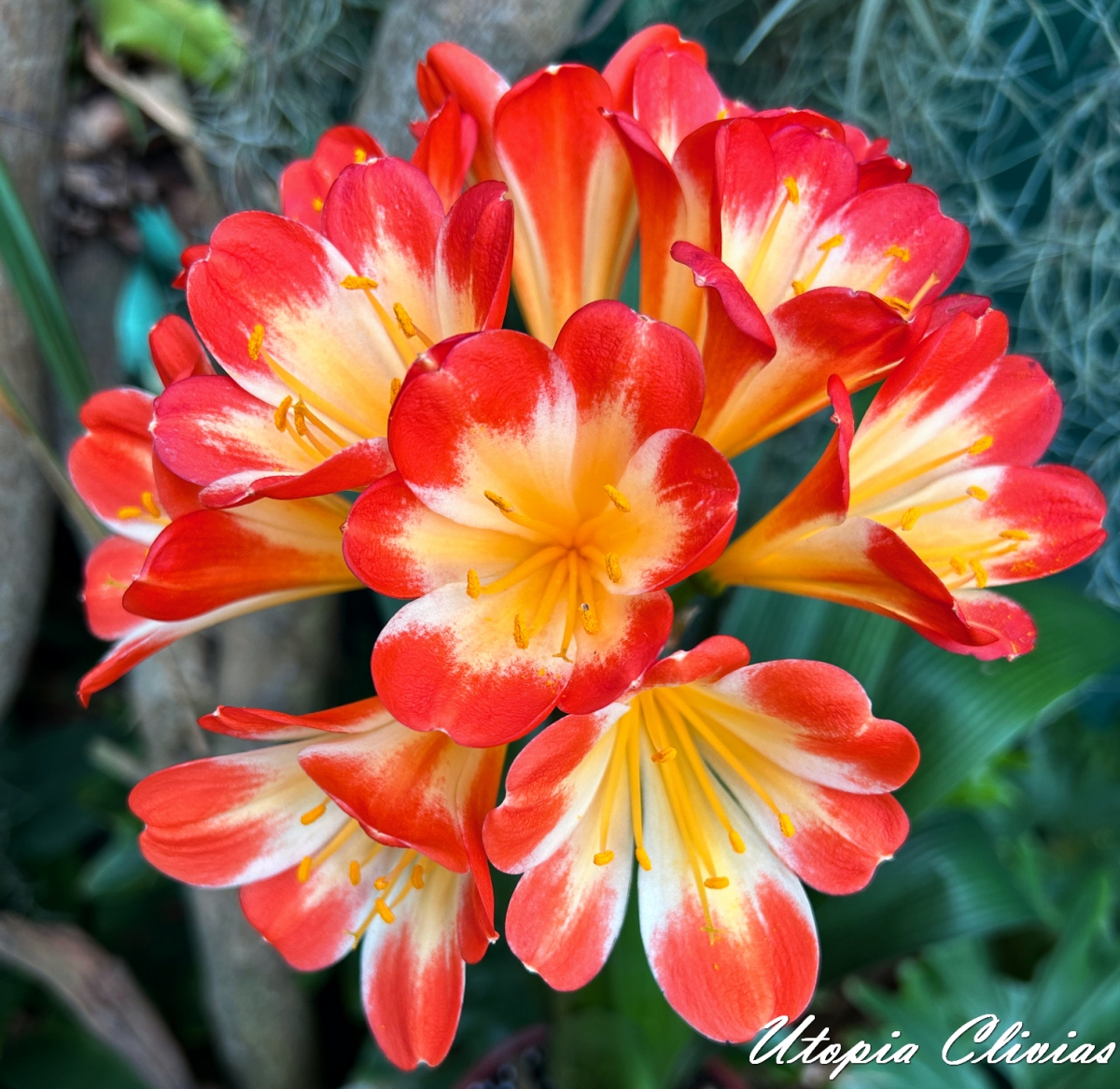
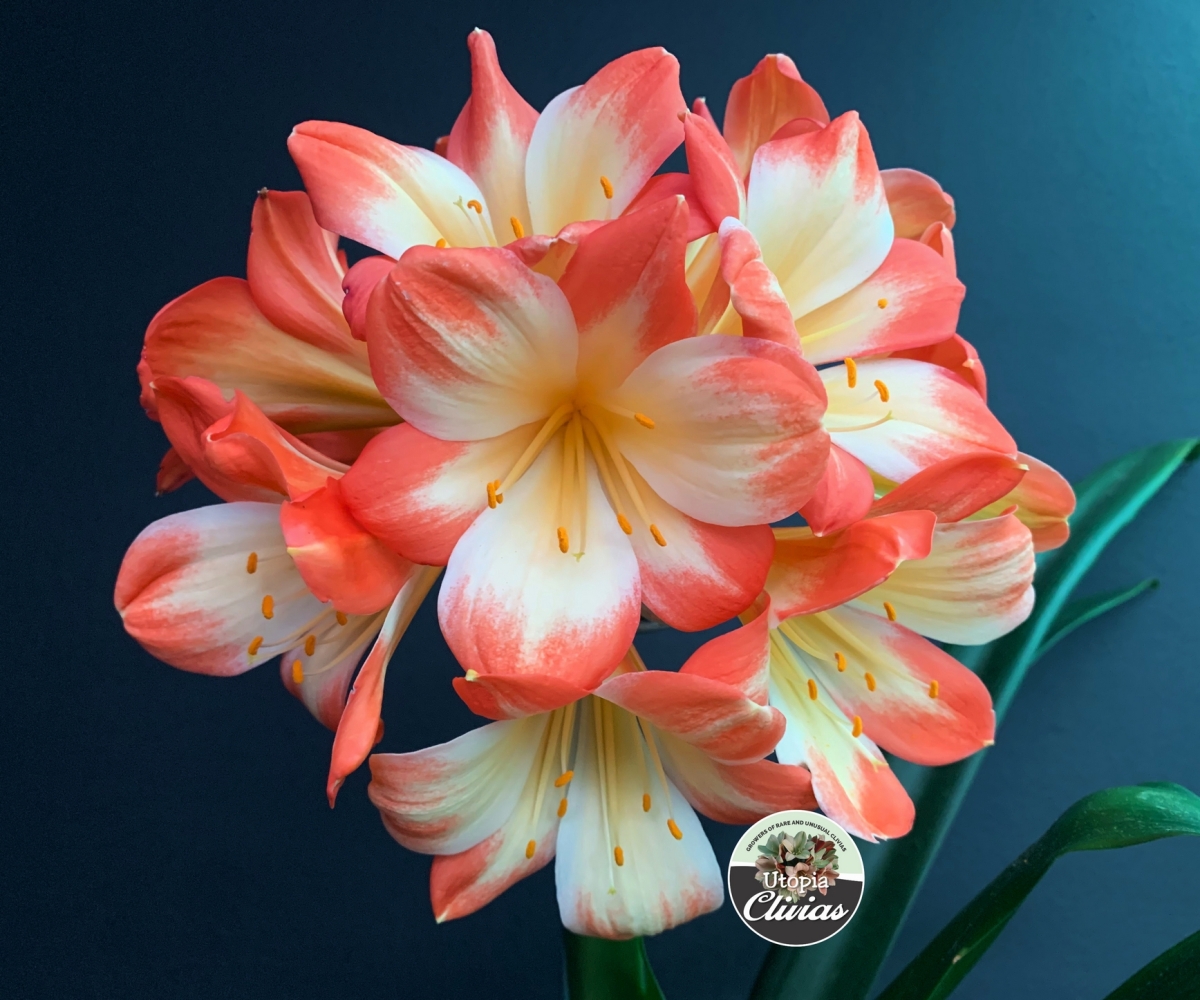
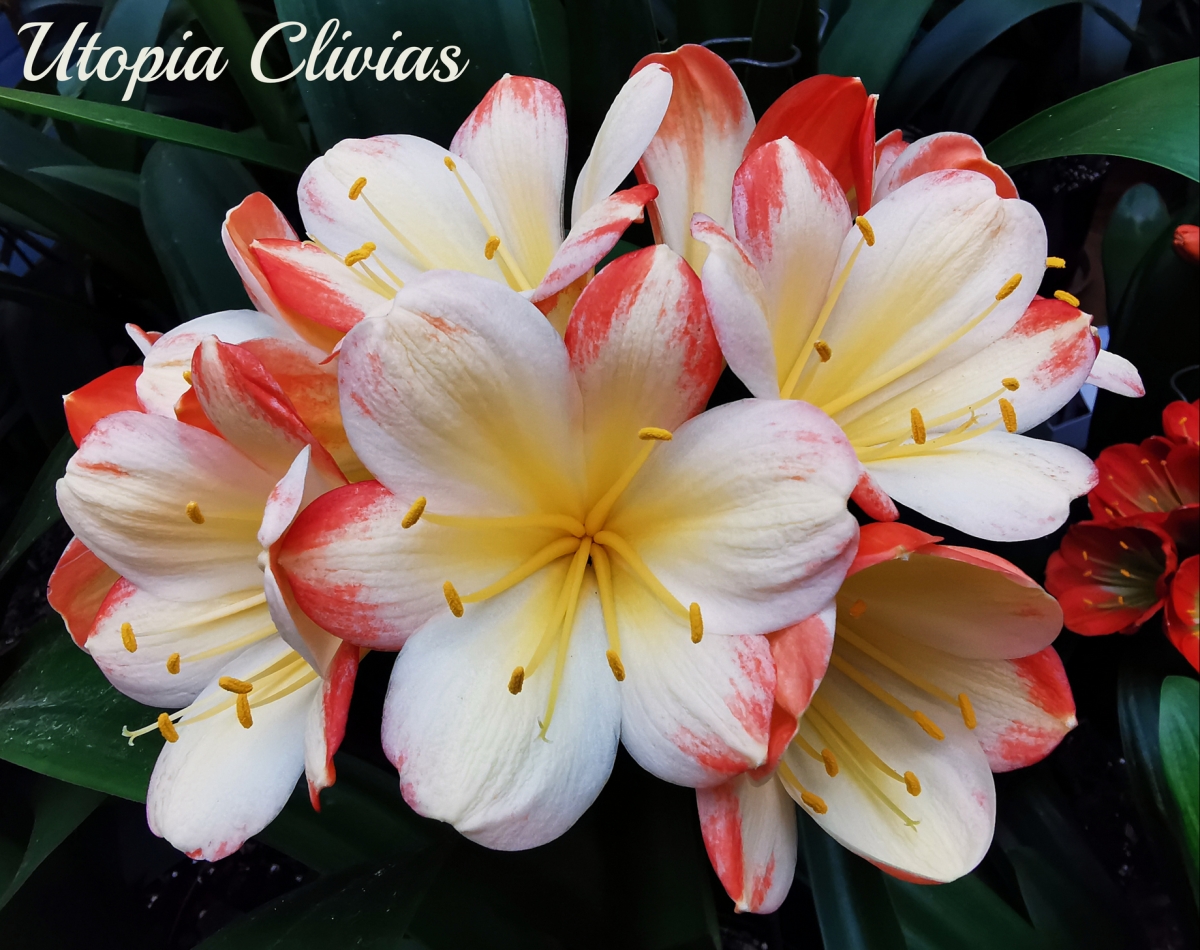
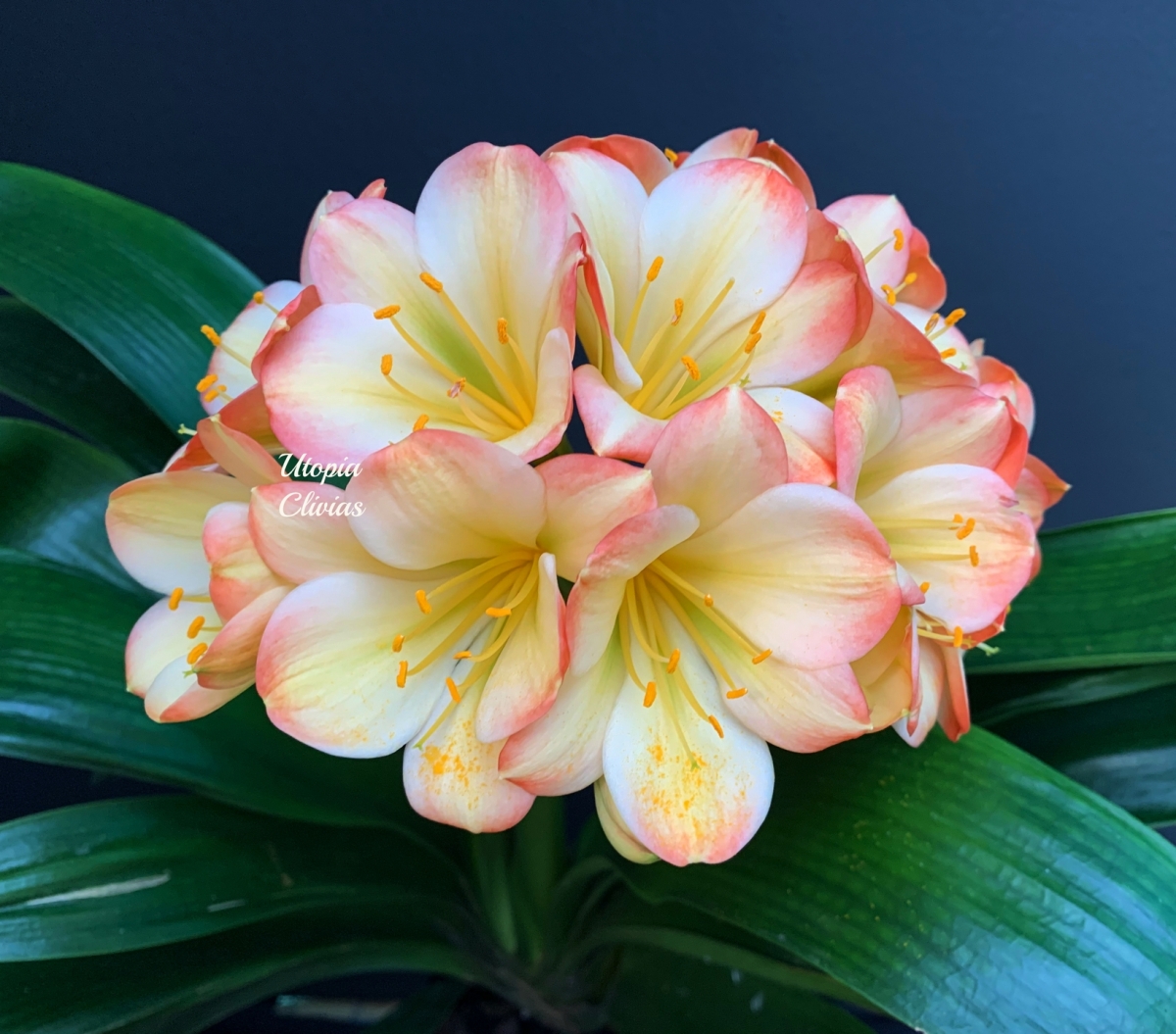
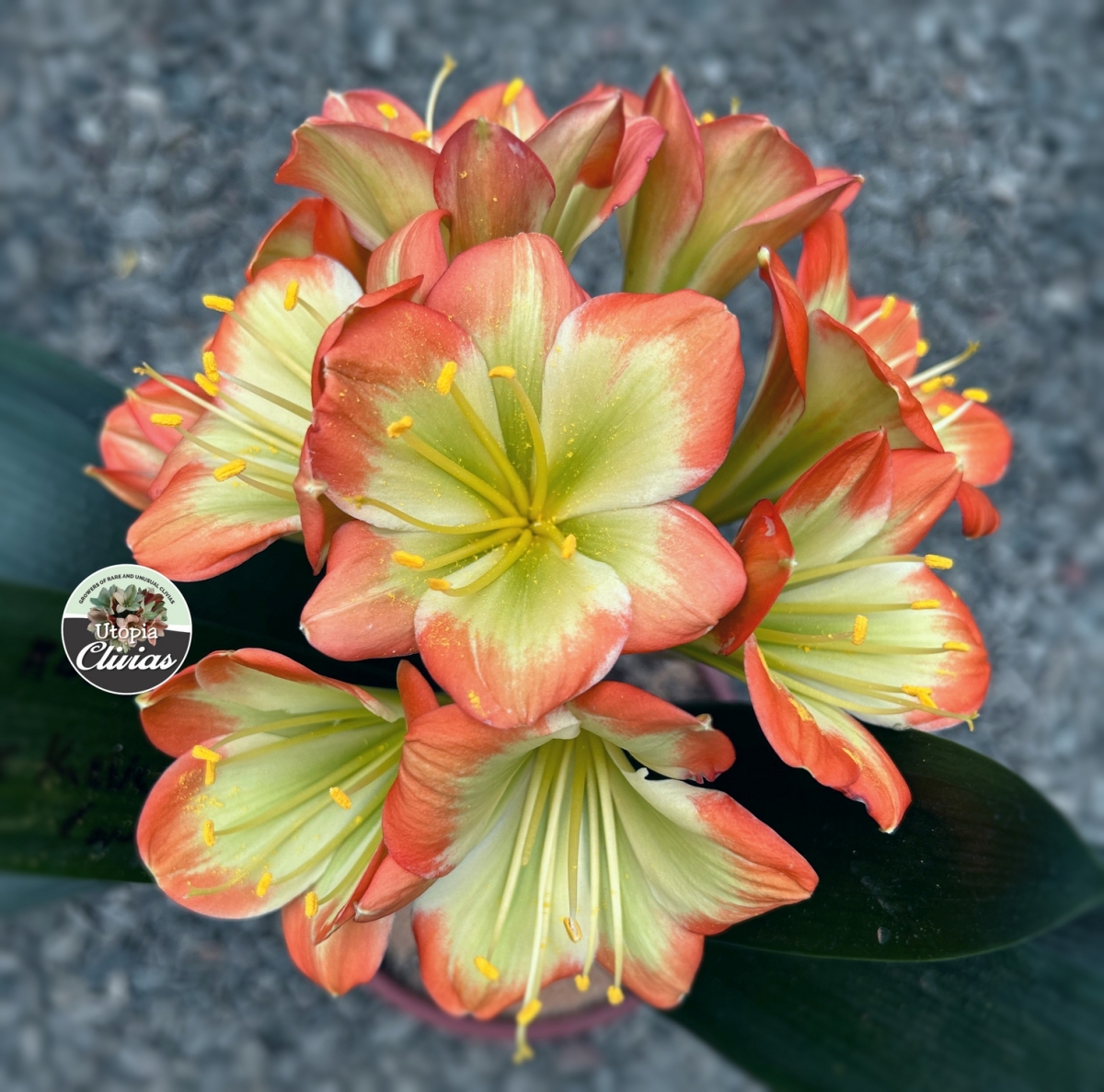
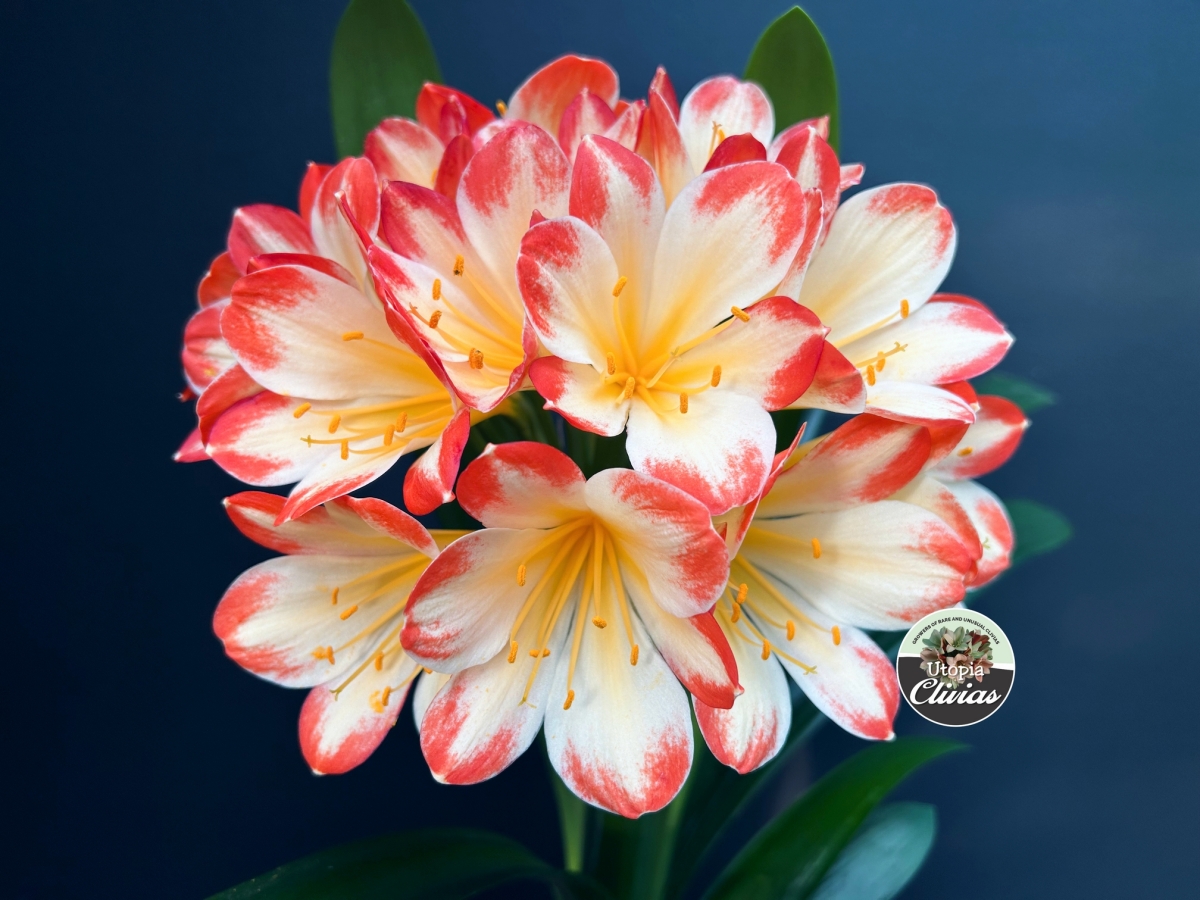
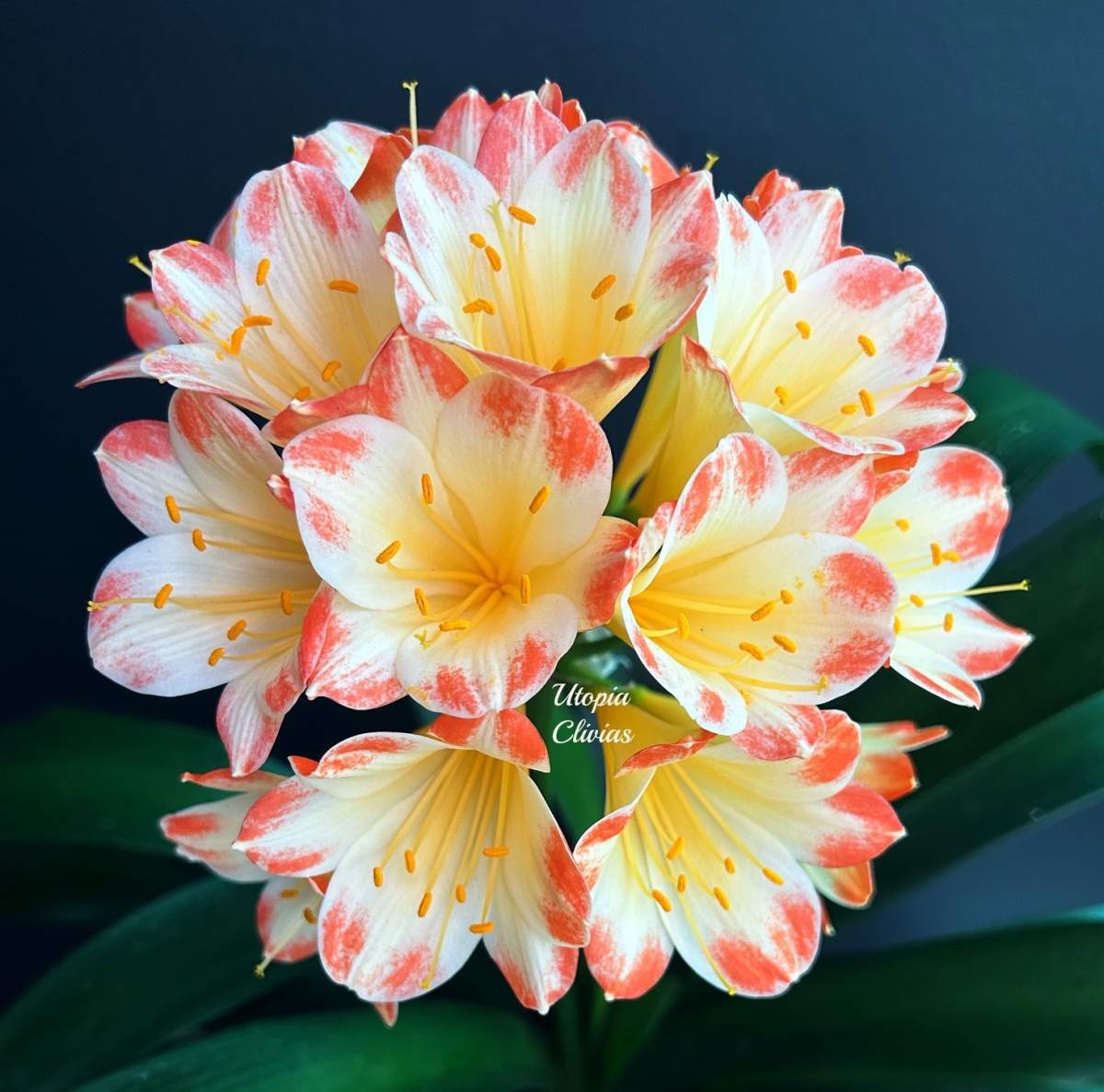
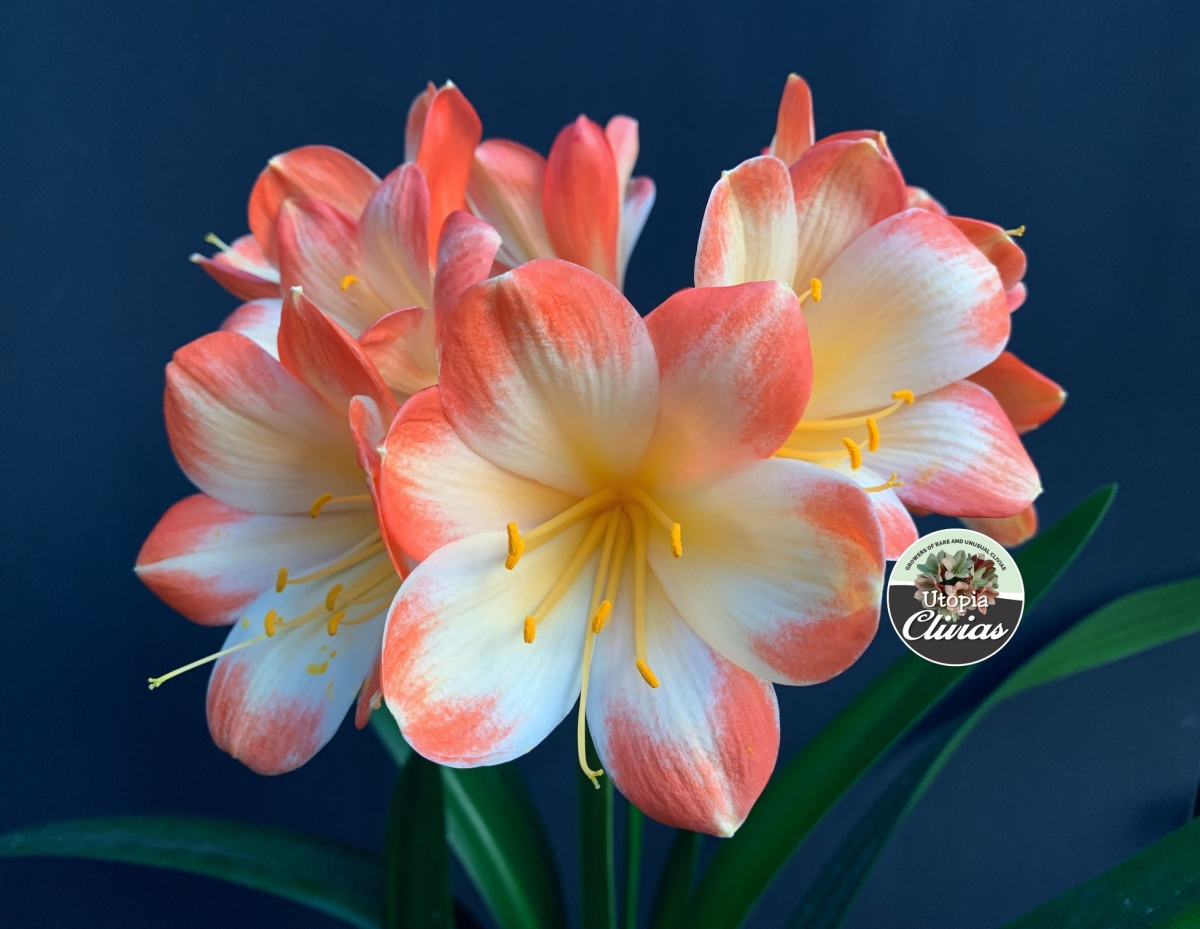
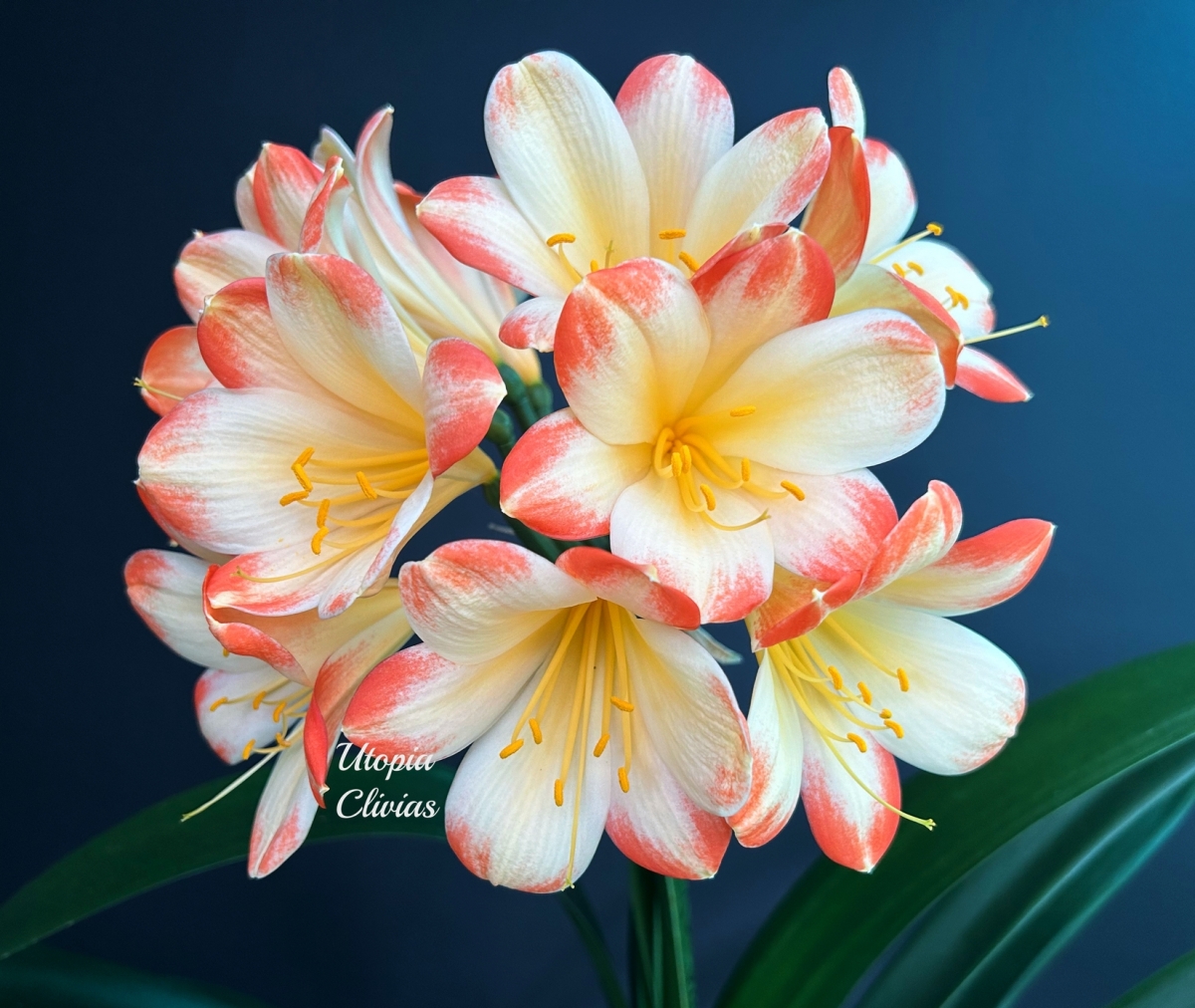
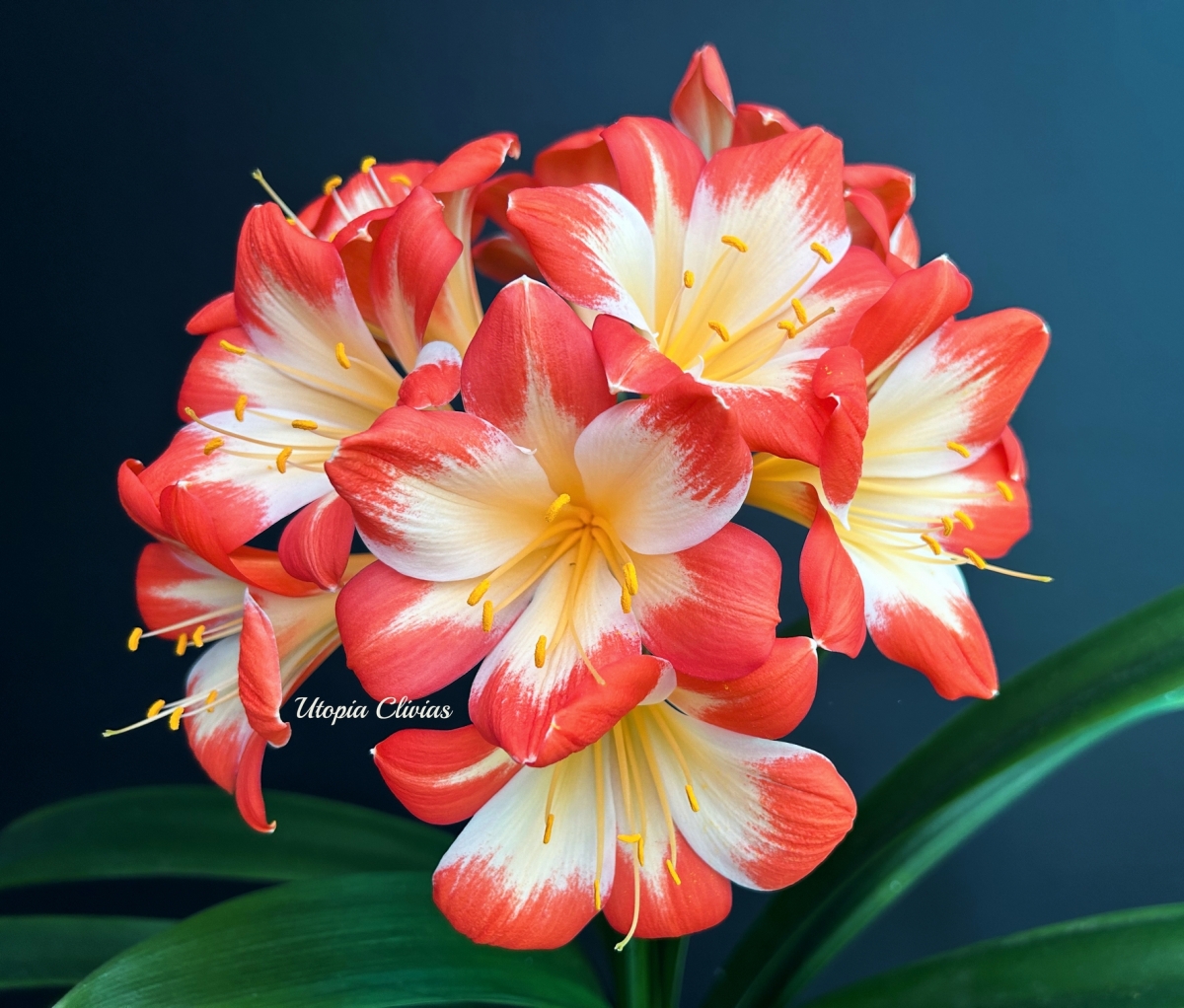
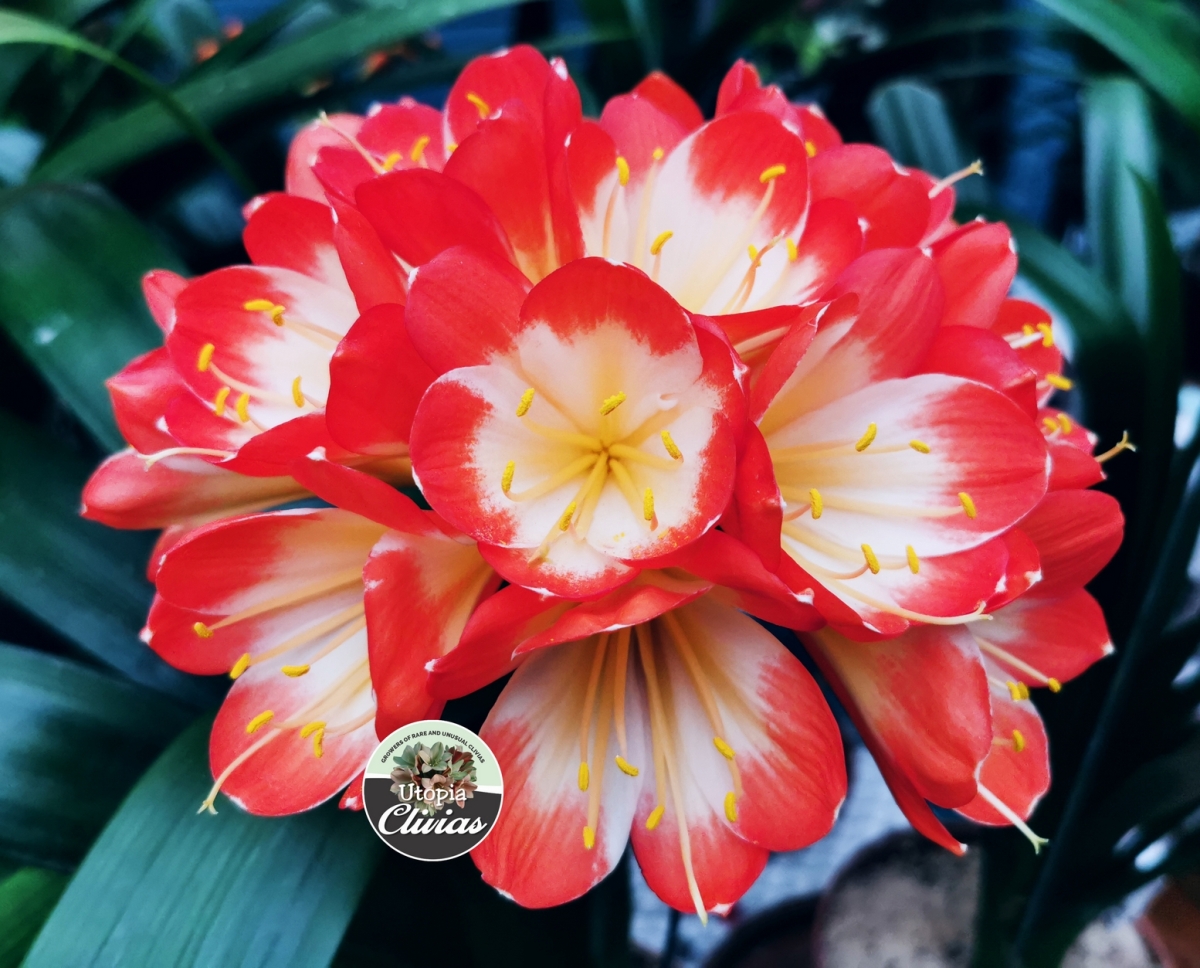
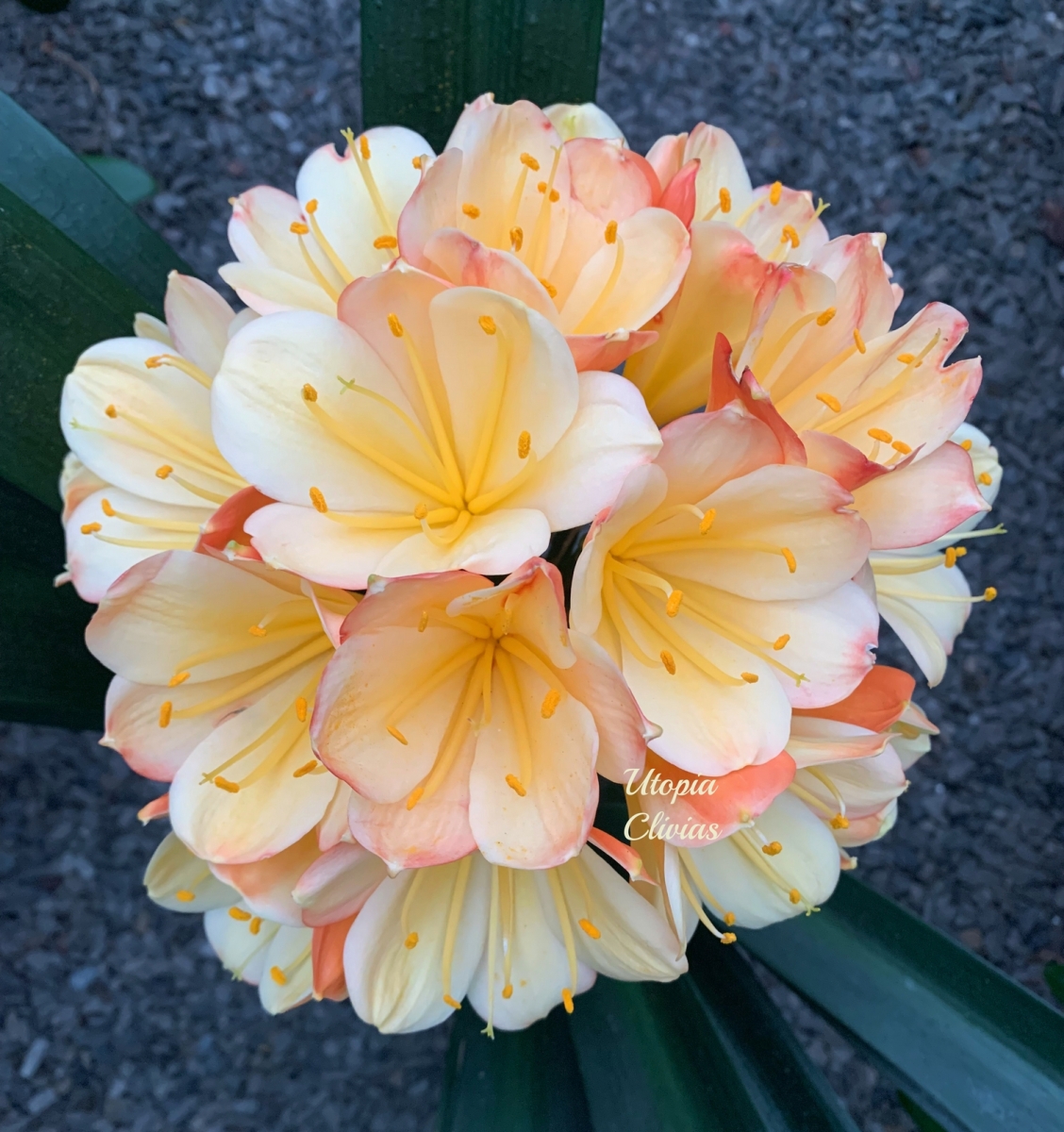
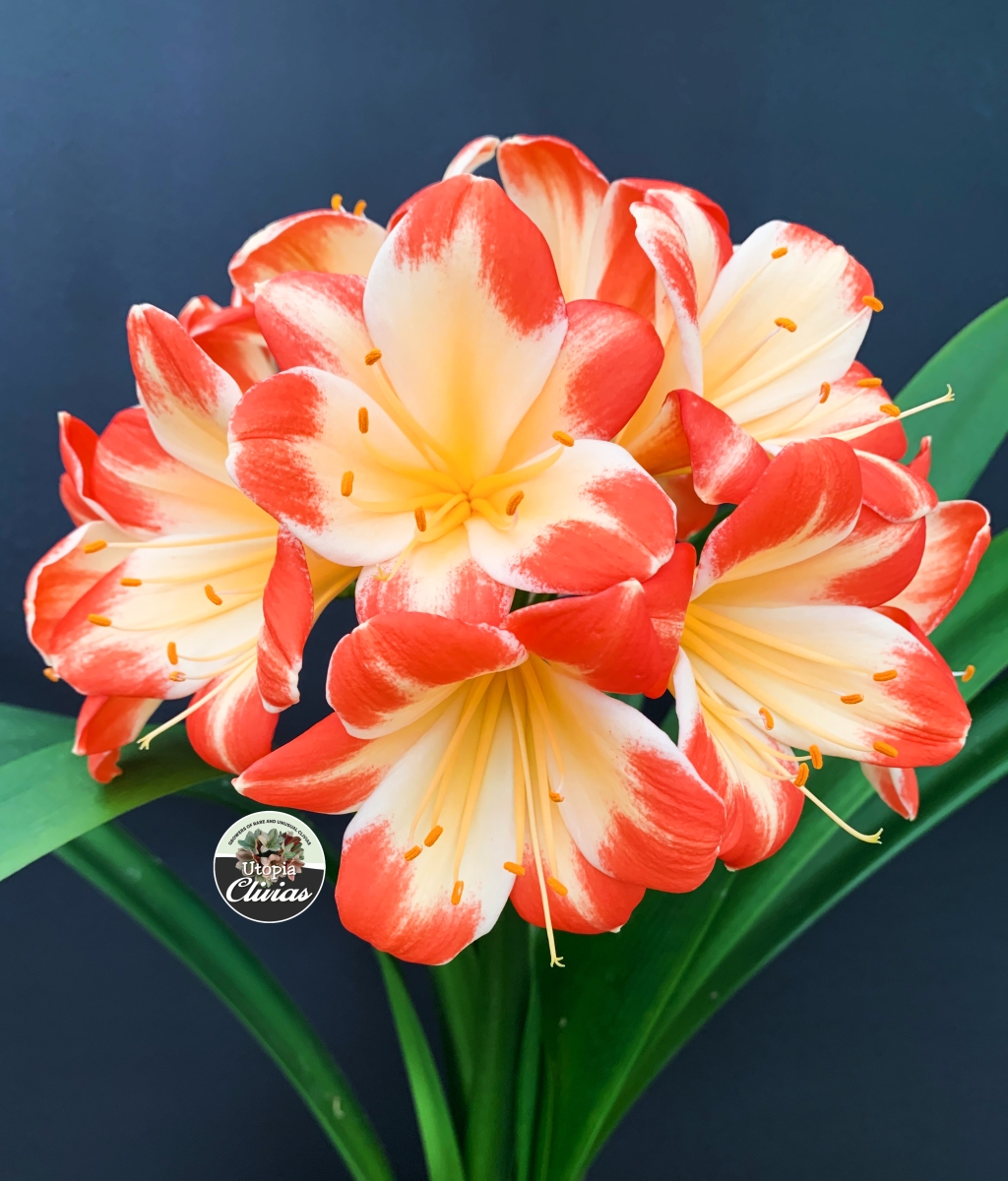
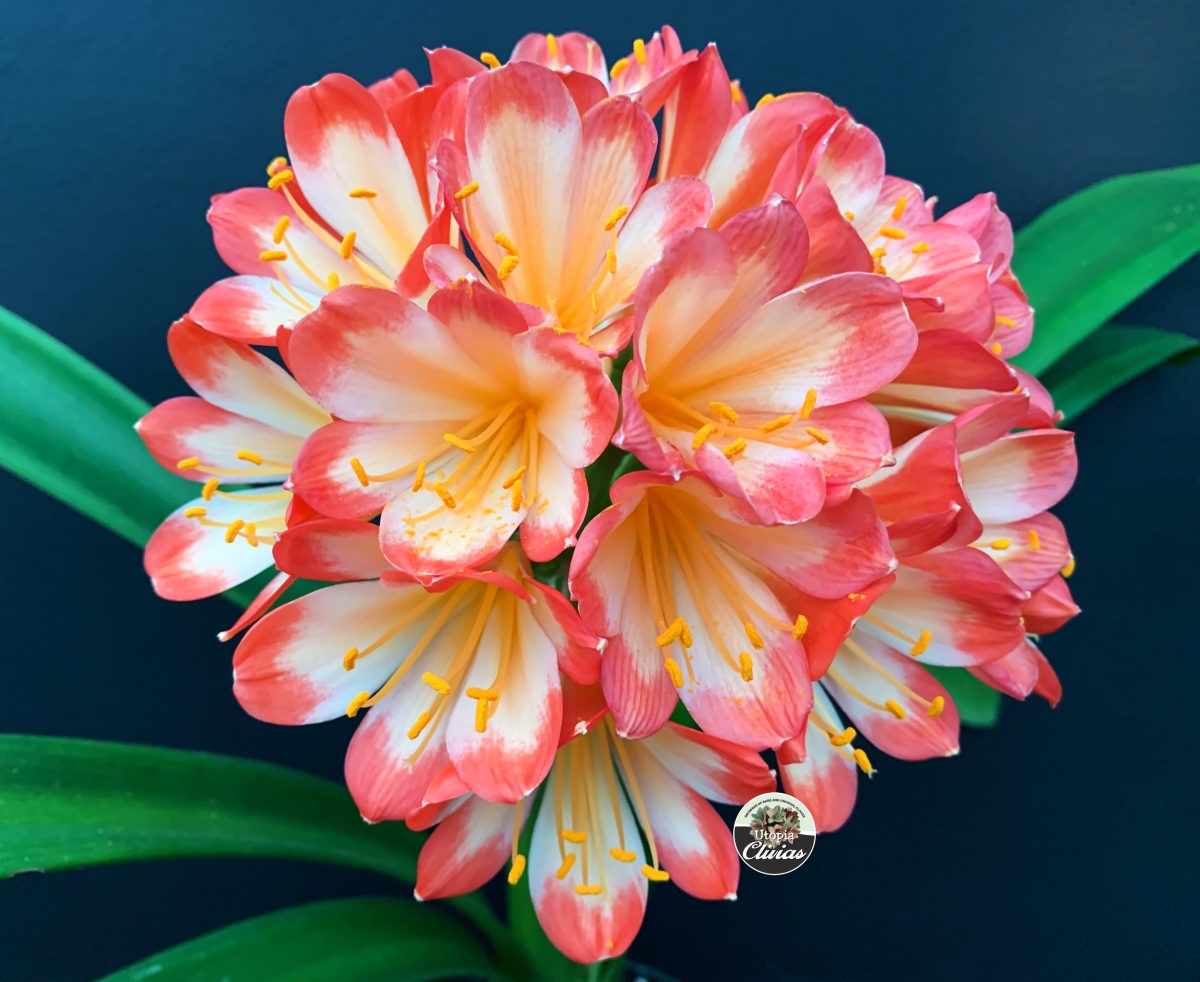
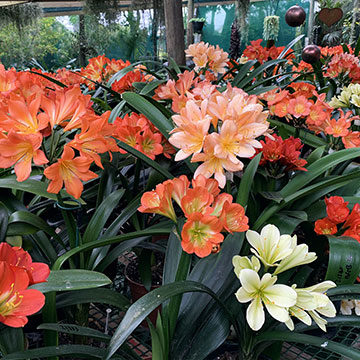
Bicolour Clivias are defined by their distinct two-tone tepals, with the throat colour extending from approximately 50% to just under 90% of the tepal length. If the throat shows a mix of yellow and white, it is still considered a single colour.
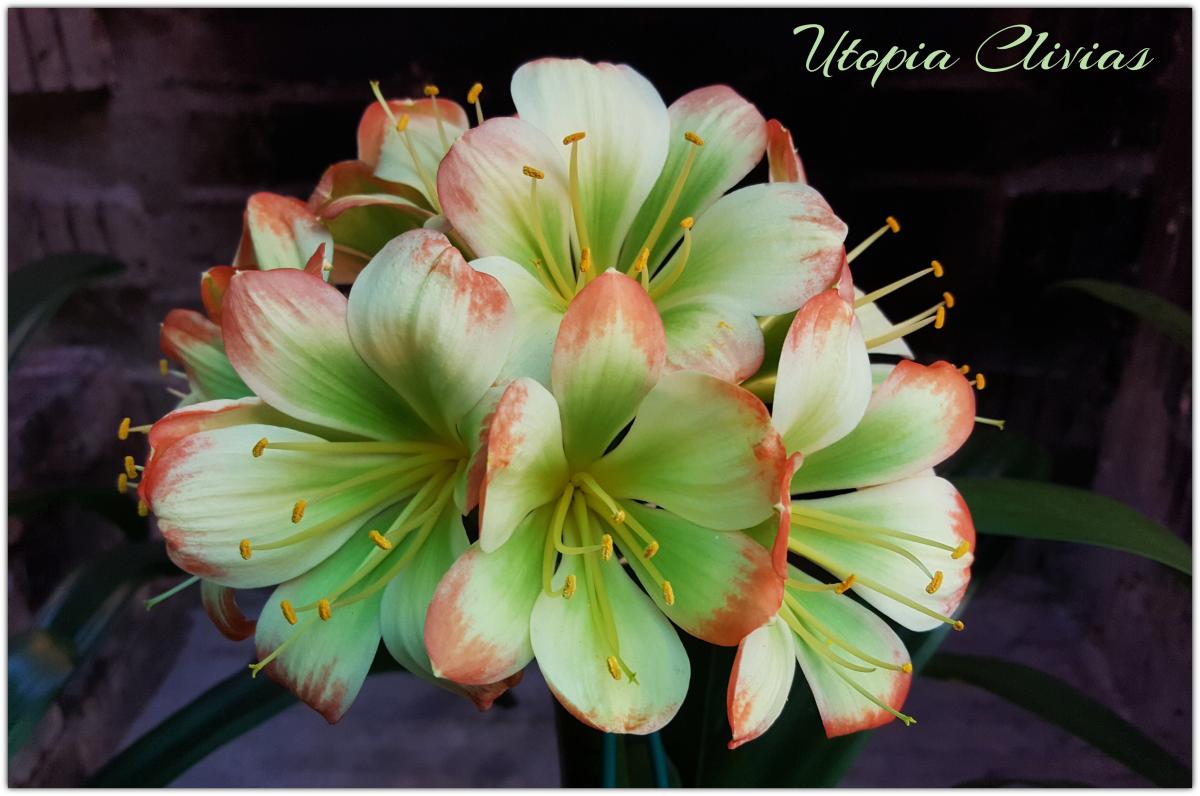
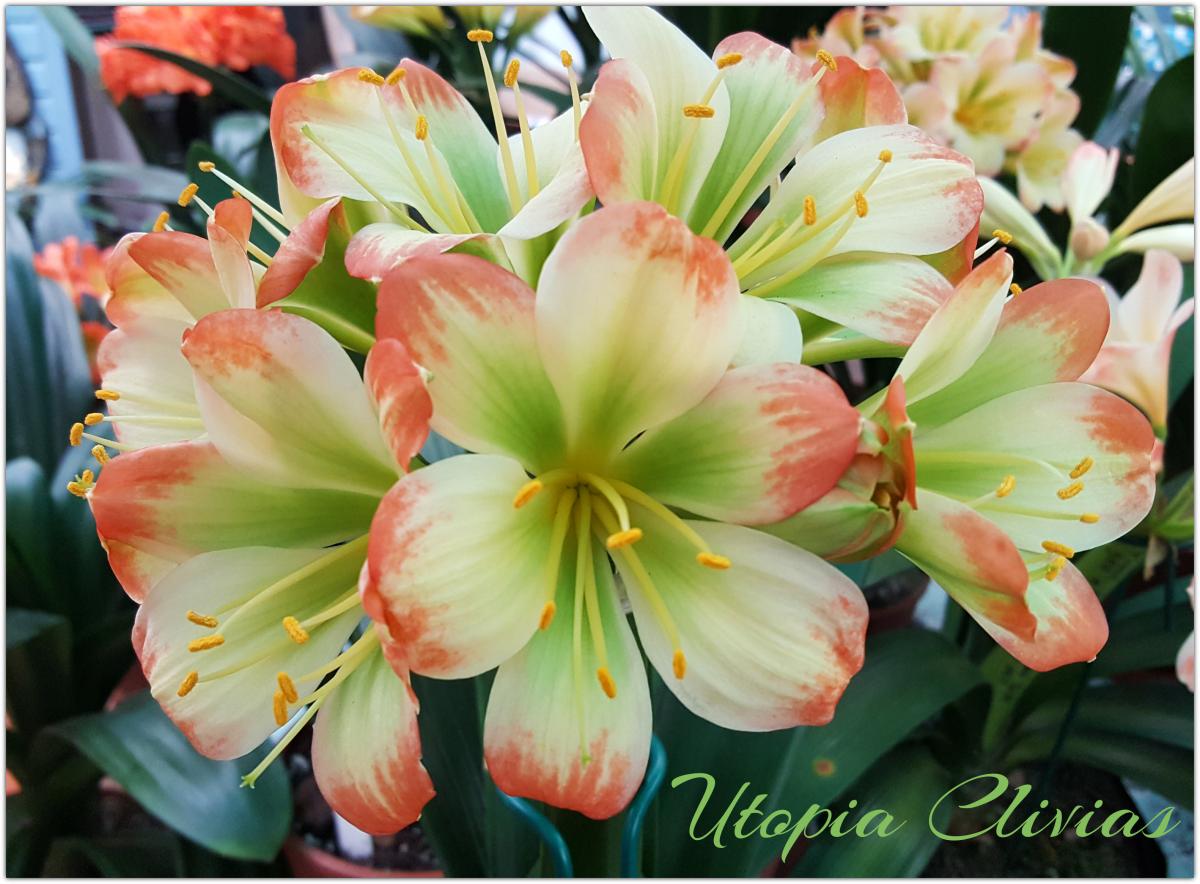
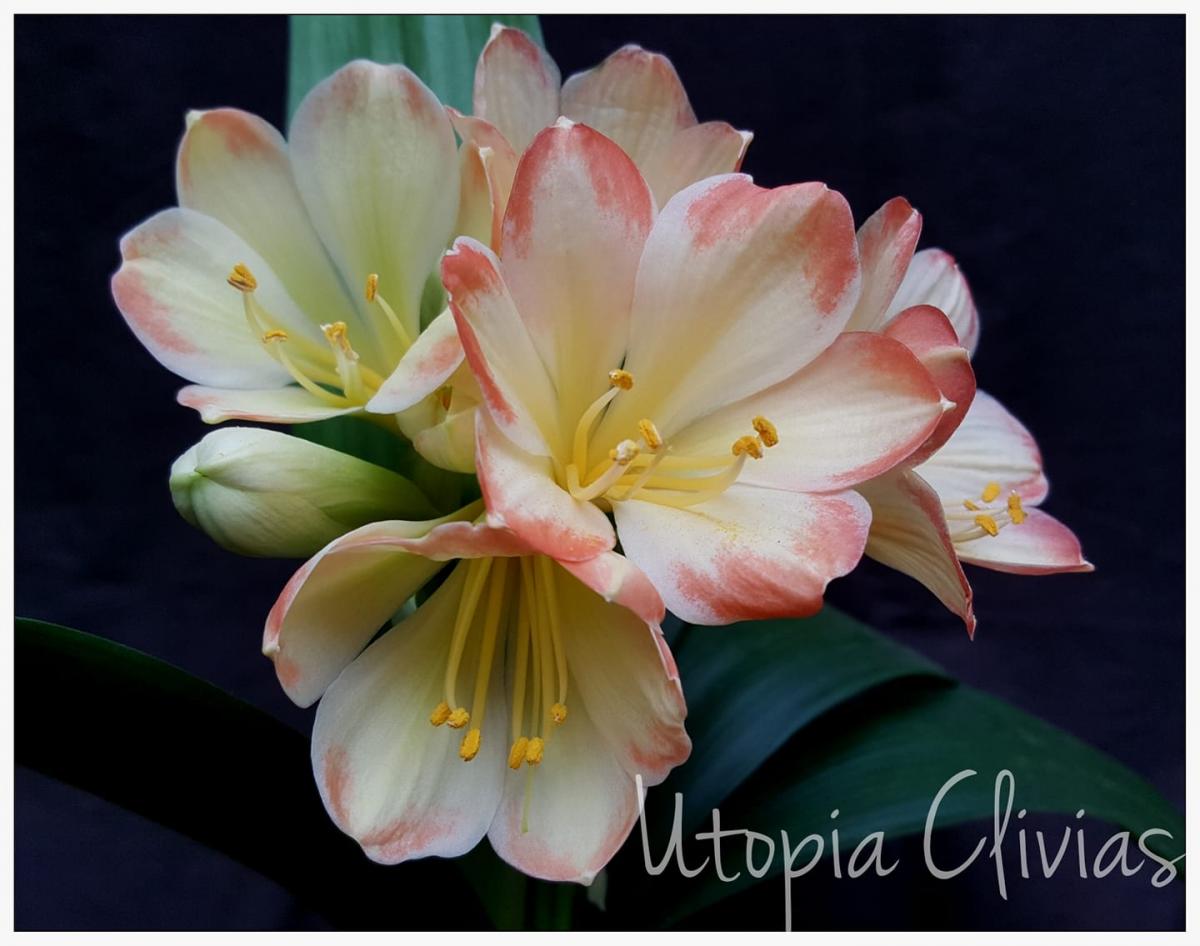
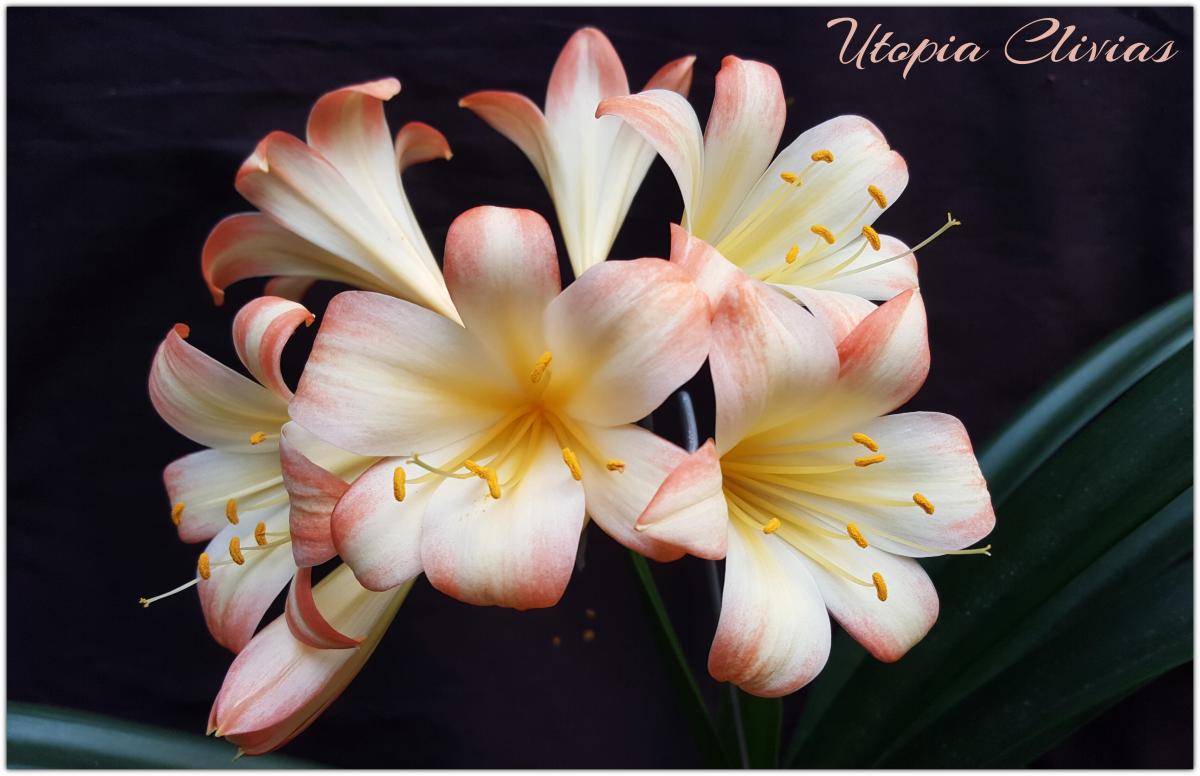
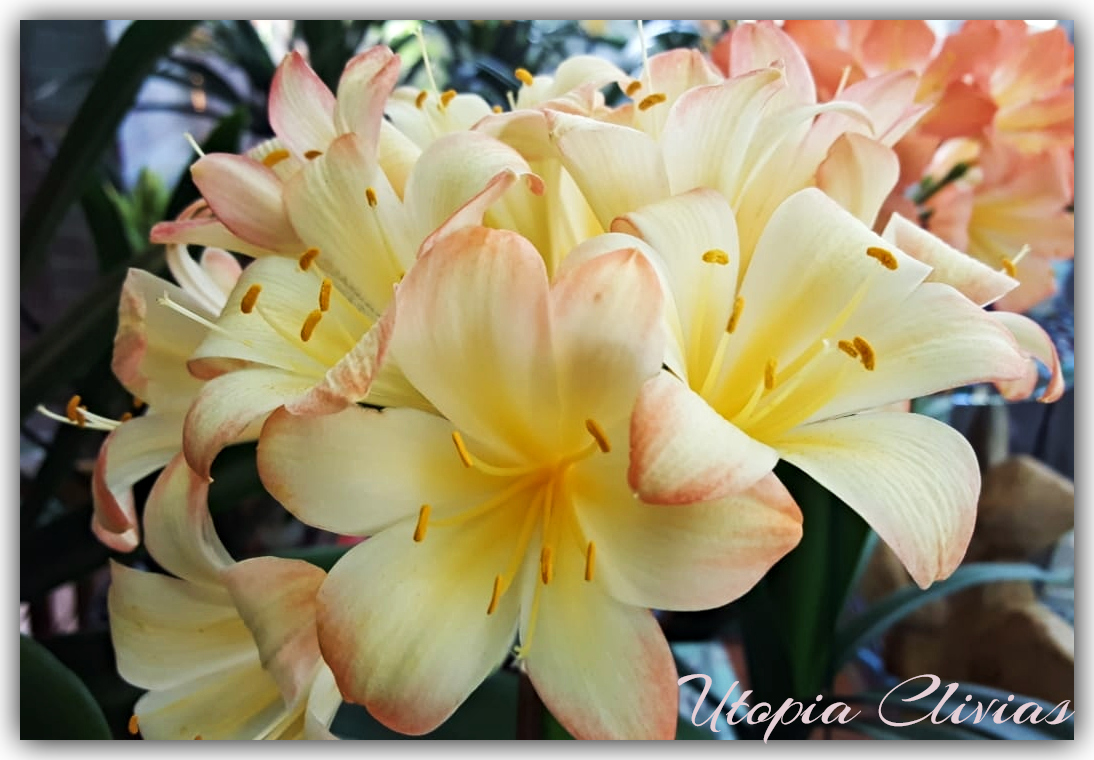
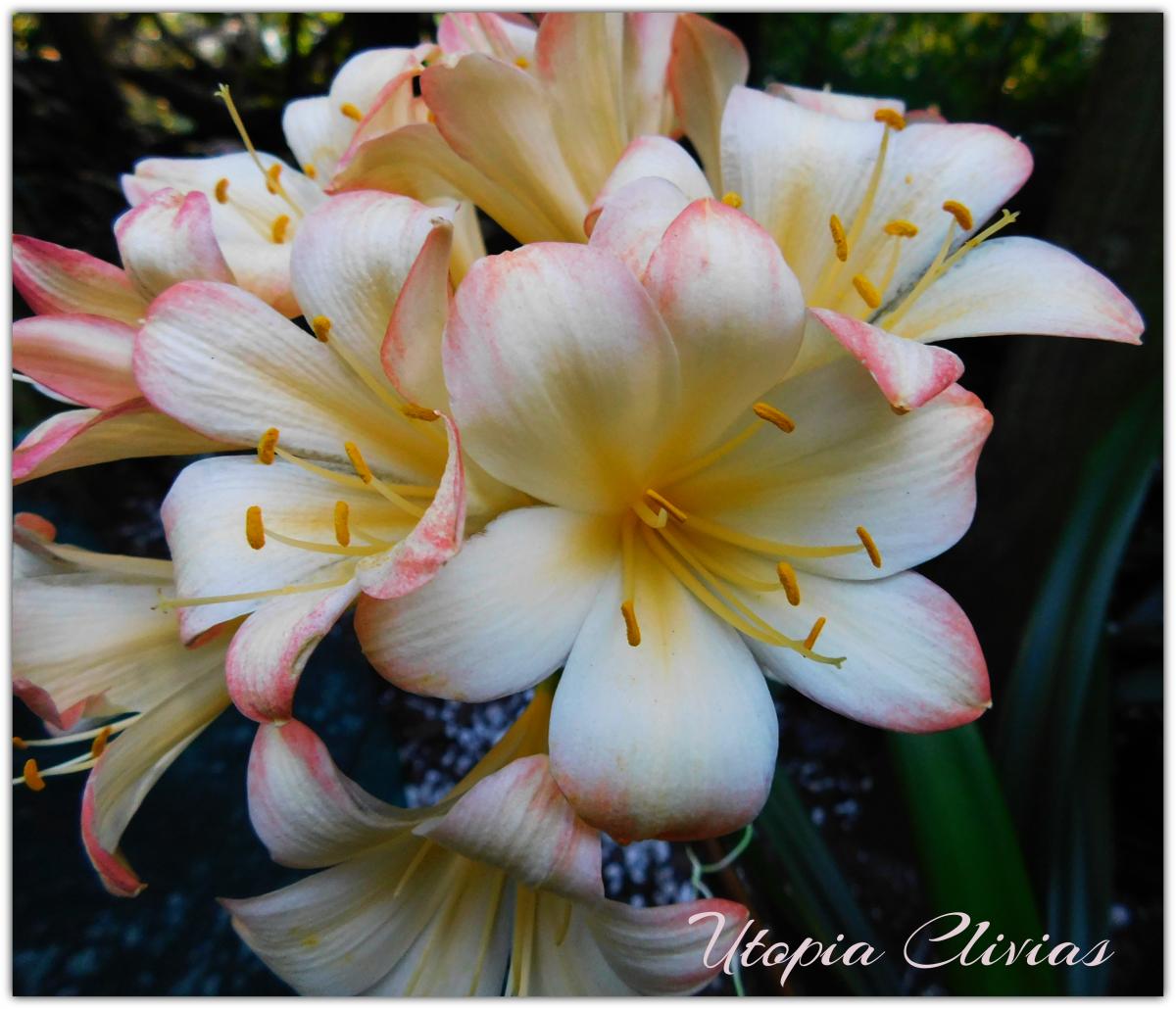
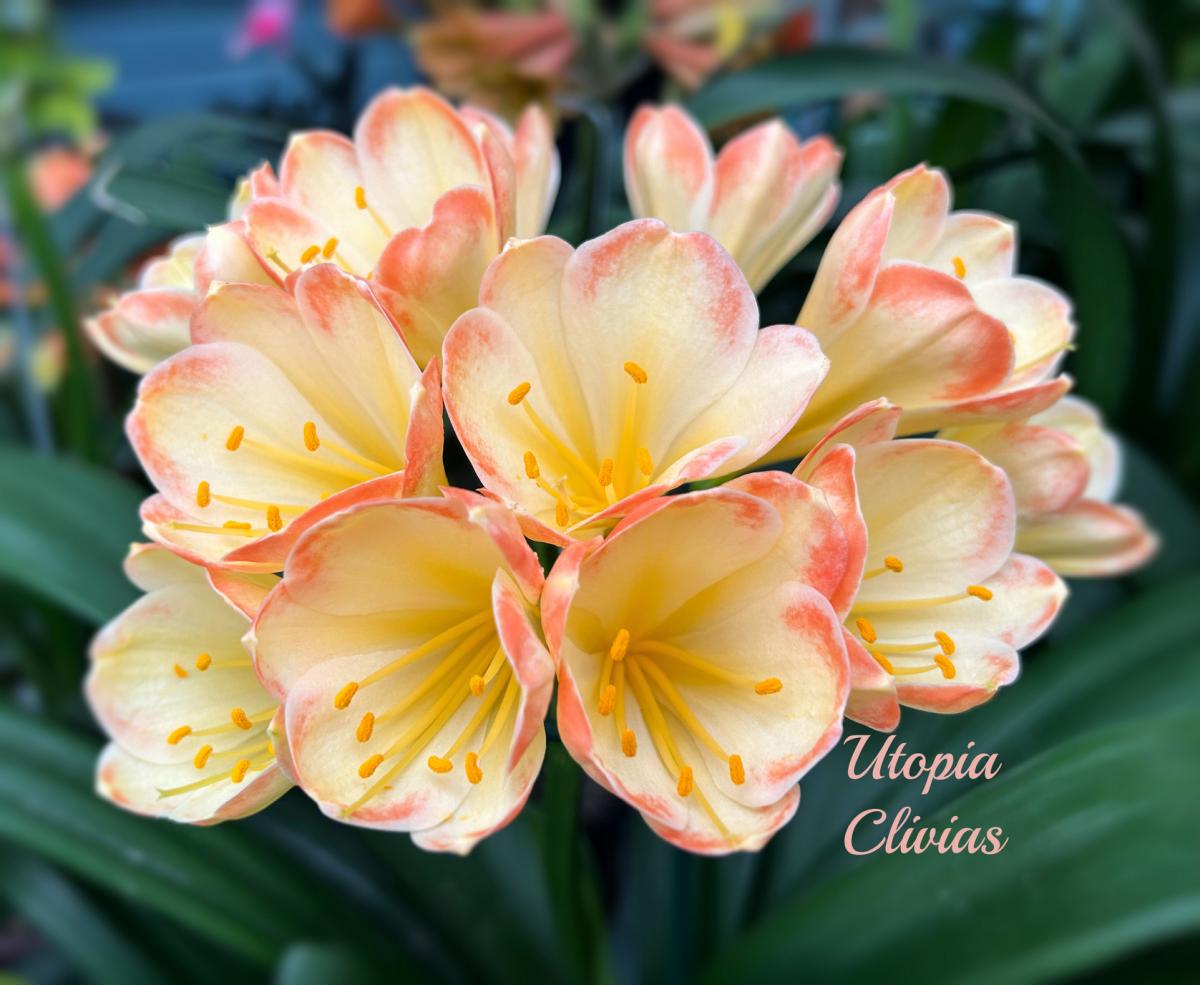
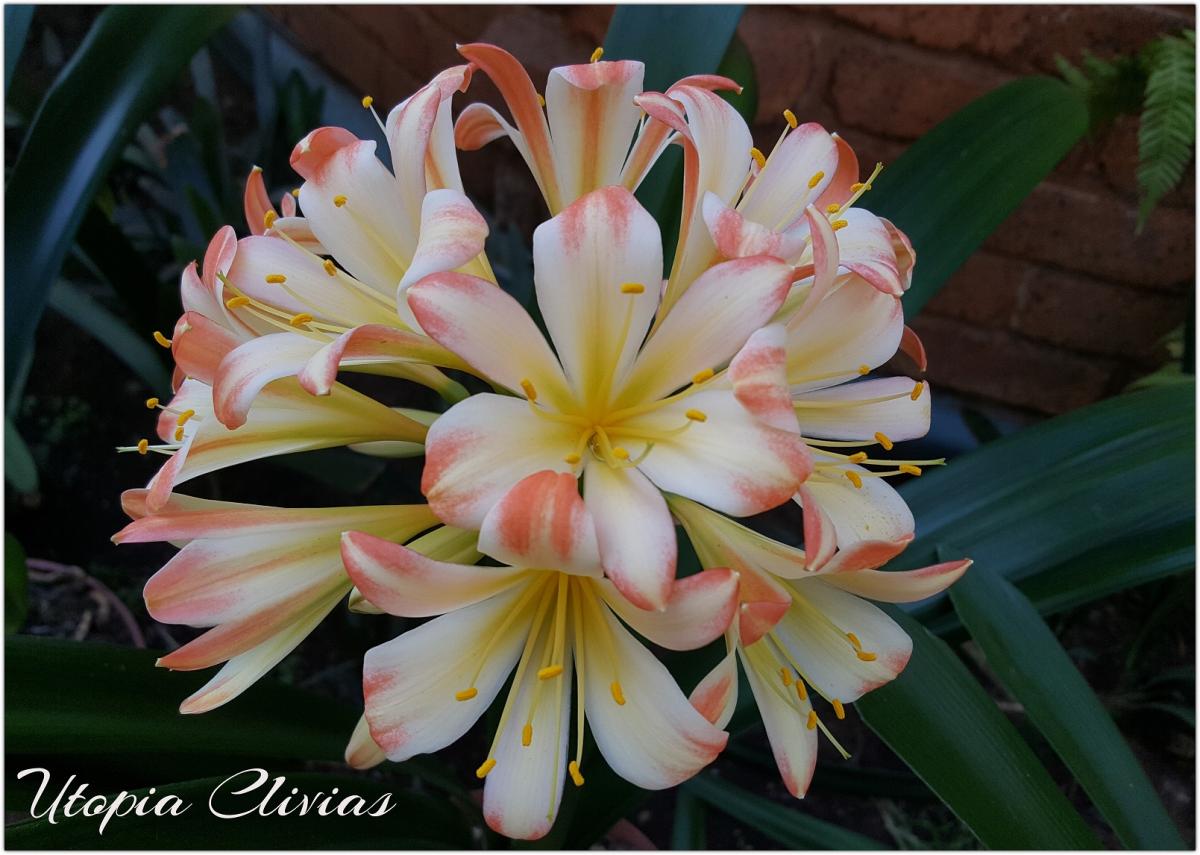
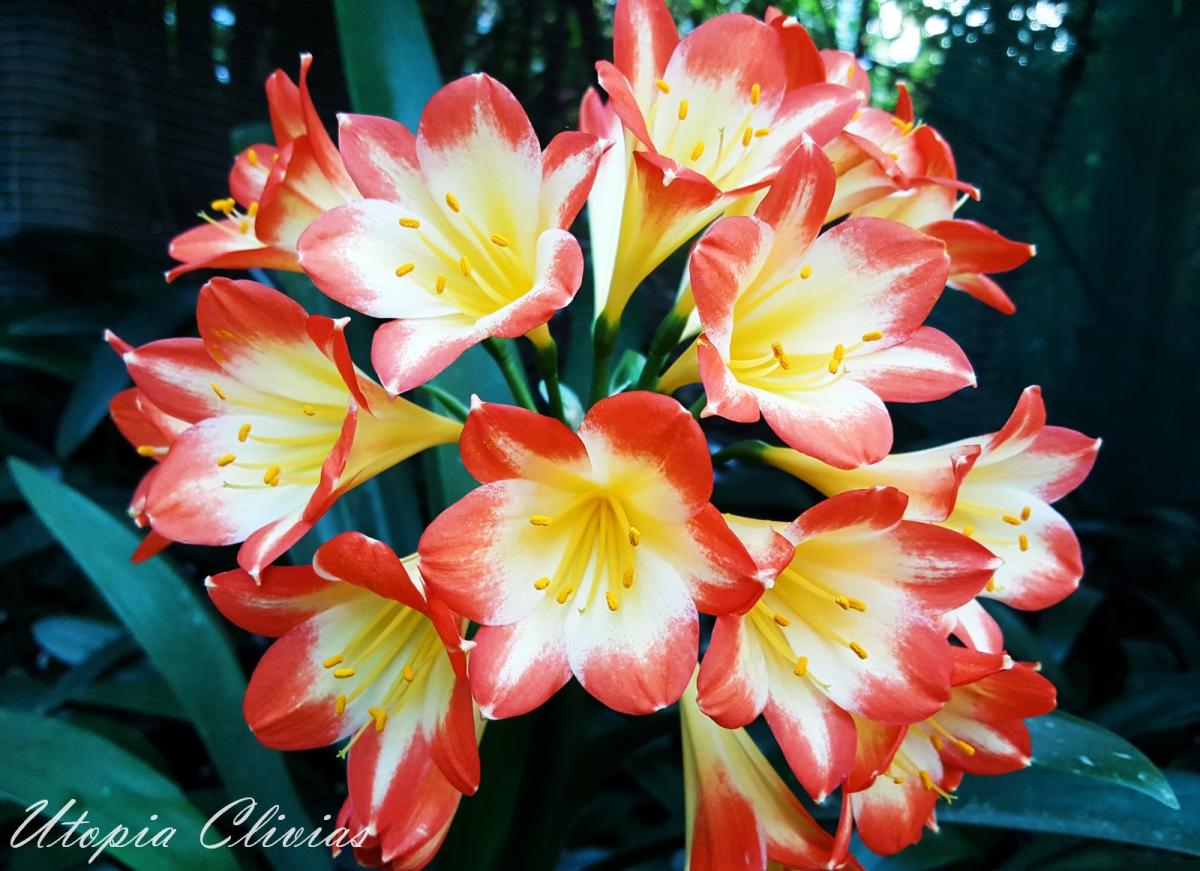
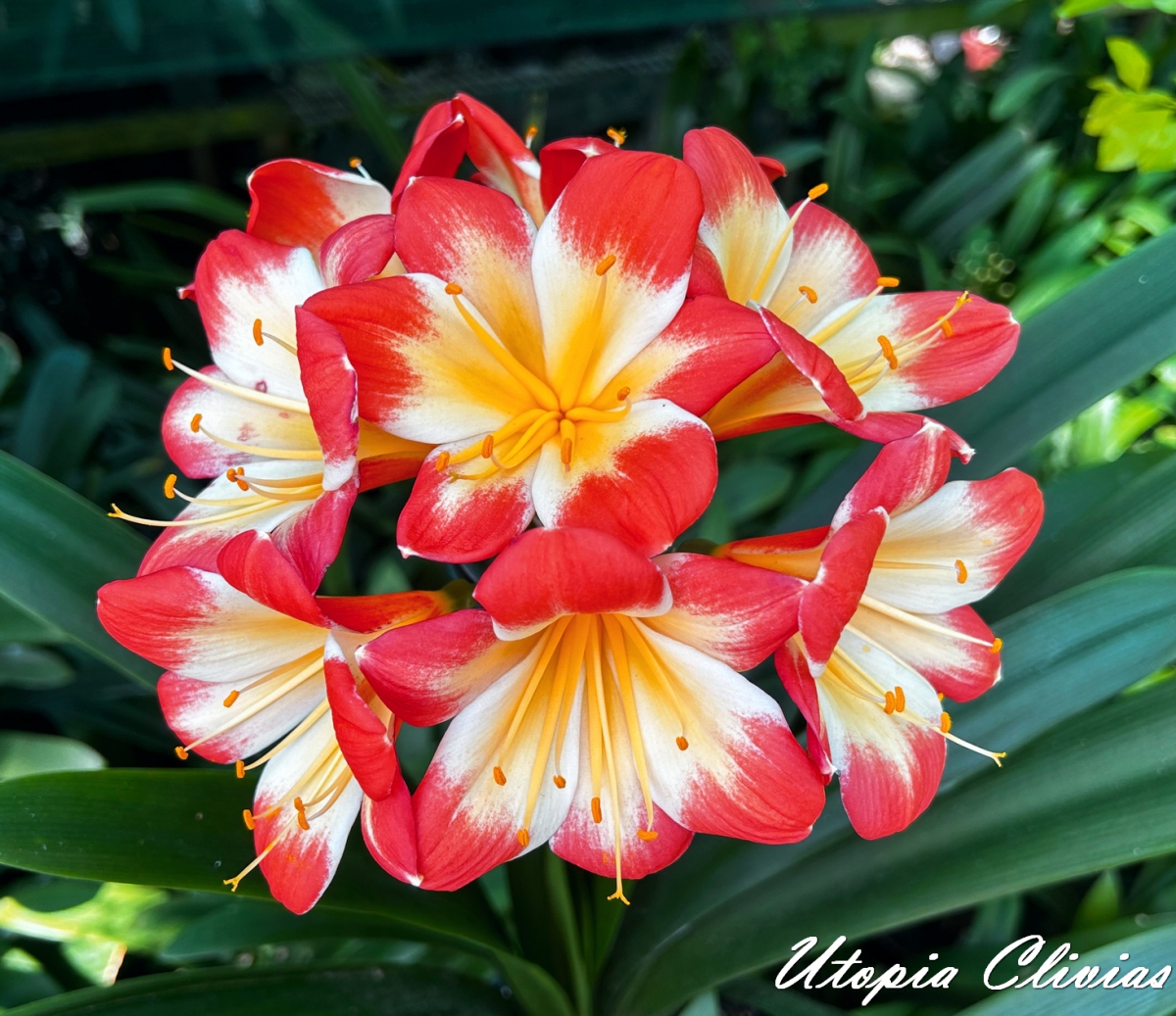
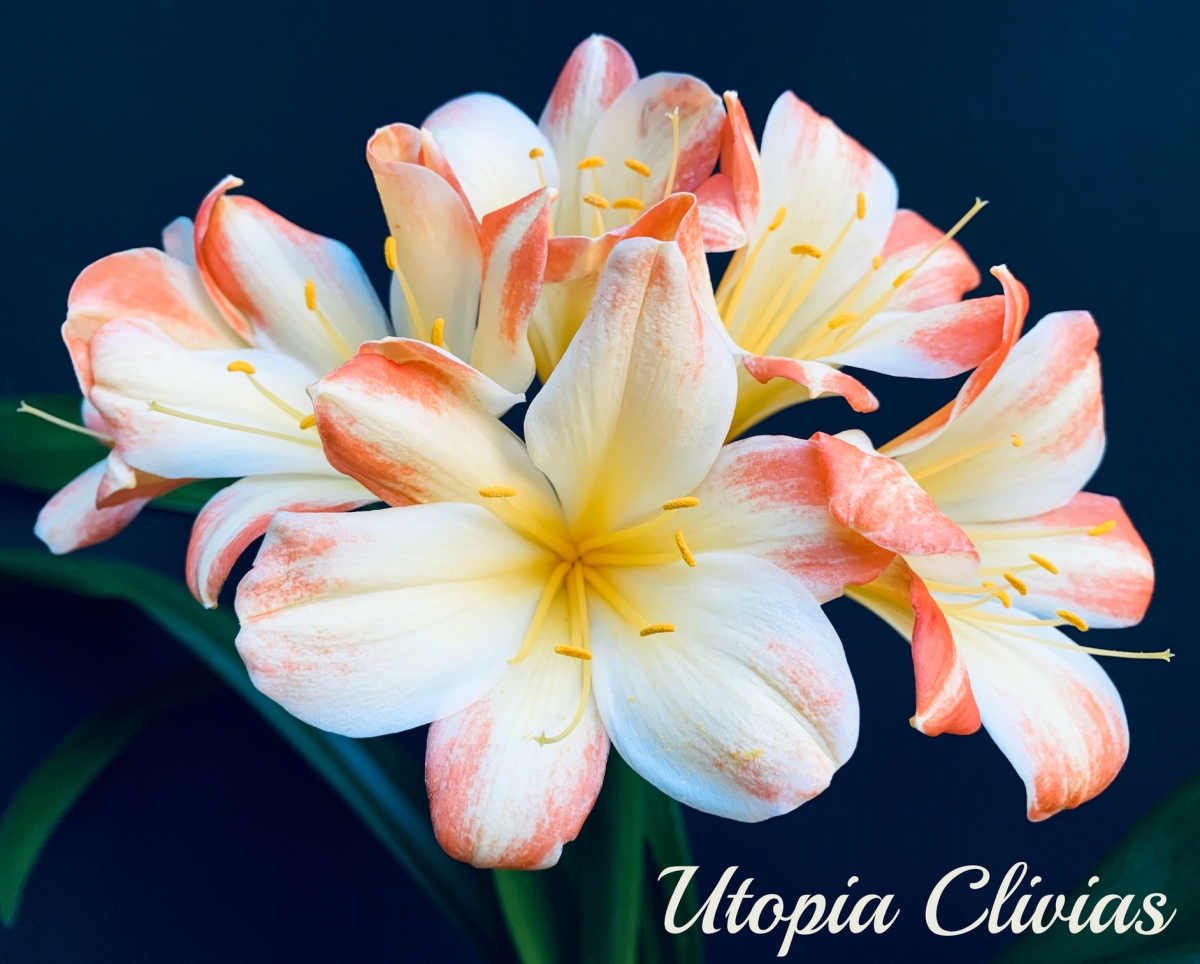
Picotee Clivias showcase a fine rim of colour along the outer edge—less than 10% of the tepal length. A true picotee, as defined by judging standards, has a rim clearly demarcated from the throat colour, forming a neat, continuous ring around the flower’s edge.
Although bicolours and picotees are grouped under the same colour type, true picotees remain rare and highly prized. At Utopia Clivias, we’ve achieved excellent results in this category over the years. Our breeding programme began with a special plant, Carrie’s Picotee, which has contributed significantly to the line. Since then, the introduction of refined chiffon types has produced a spectacular array of bicolour and true picotee offspring.
We’re also developing a distinctive line of pencil line picotees—flowers with an elegant, thin edge of colour. Using both the original mother plant and F1 generation offspring, we are carefully bringing out the best traits of these delicate flowers.
Our programme has expanded to include some exceptional international and historic lines:
Braam’s 777: From the late Tino Ferrero, these high-quality picotees are entirely unrelated to the Strumpher-bred 777 series. Braam’s 777 plants have large flowers with clean, crisp white interiors—perfect for refining picotee traits.
Morris Bicolours: Bred from the original Tango plant of the late Bill Morris, these clivias are huge, eye-catching plants with extra-large flowers and thick petal substance, adding substance and presence to our picotee and bicolour lines.
In recent years, we’ve also imported top-quality picotee genetics from Japan. These compact, short-leaf plants are now integral to our breeding programme, helping us improve leaf form and develop clivias with more compact growth habits.
Many of these exceptional varieties are featured in our annual Seed Lists—rare gems that sell quickly, so enthusiasts are encouraged to keep a close eye!