Spring Clivia Care Guide
(Based on Southern Hemisphere growing conditions)
By Carrie Kruger
August and September represent one of the most important periods in the annual Clivia growing cycle. As winter dormancy ends, plants begin transitioning into active growth, bud emergence, flowering, and pollination. Proper care during this stage directly affects flowering performance, breeding success, berry set, and overall plant vigour for the remainder of the season.
August – Bud Emergence & Early Flowering
Growth Stage: Bud push and early bloom
August is the transitional month when many Clivias begin producing flower spikes after their winter rest. Environmental stability during this period is essential for strong flowering performance.
Cultural Priorities
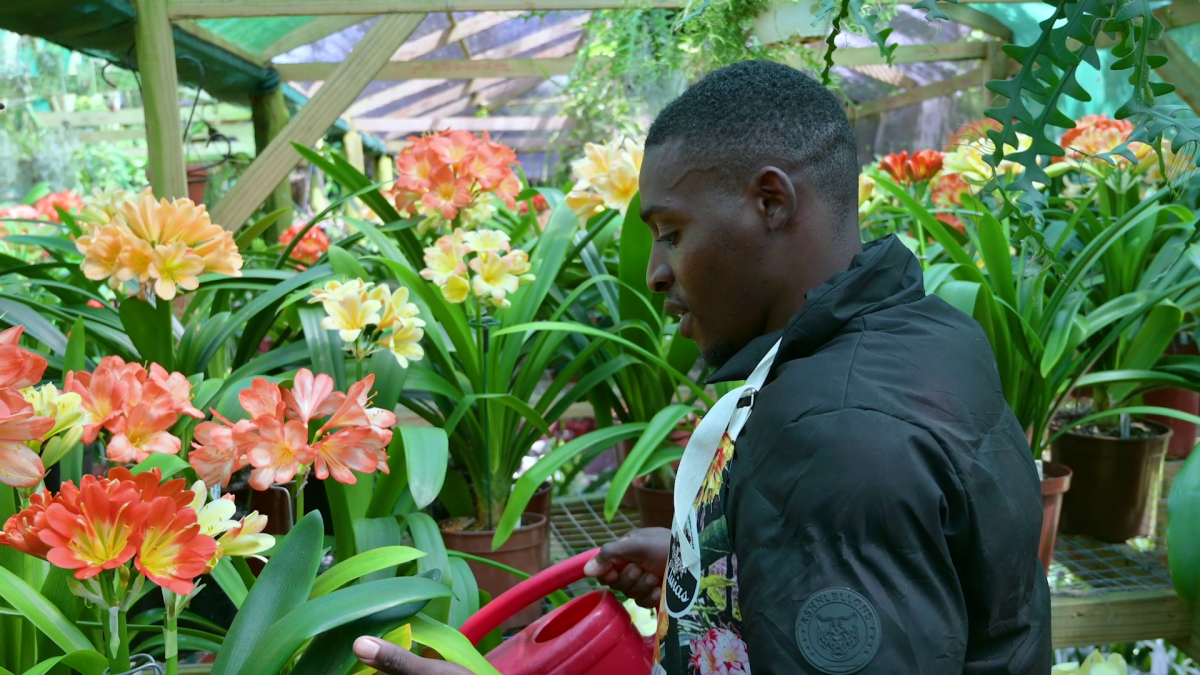
1. Resume Structured Watering
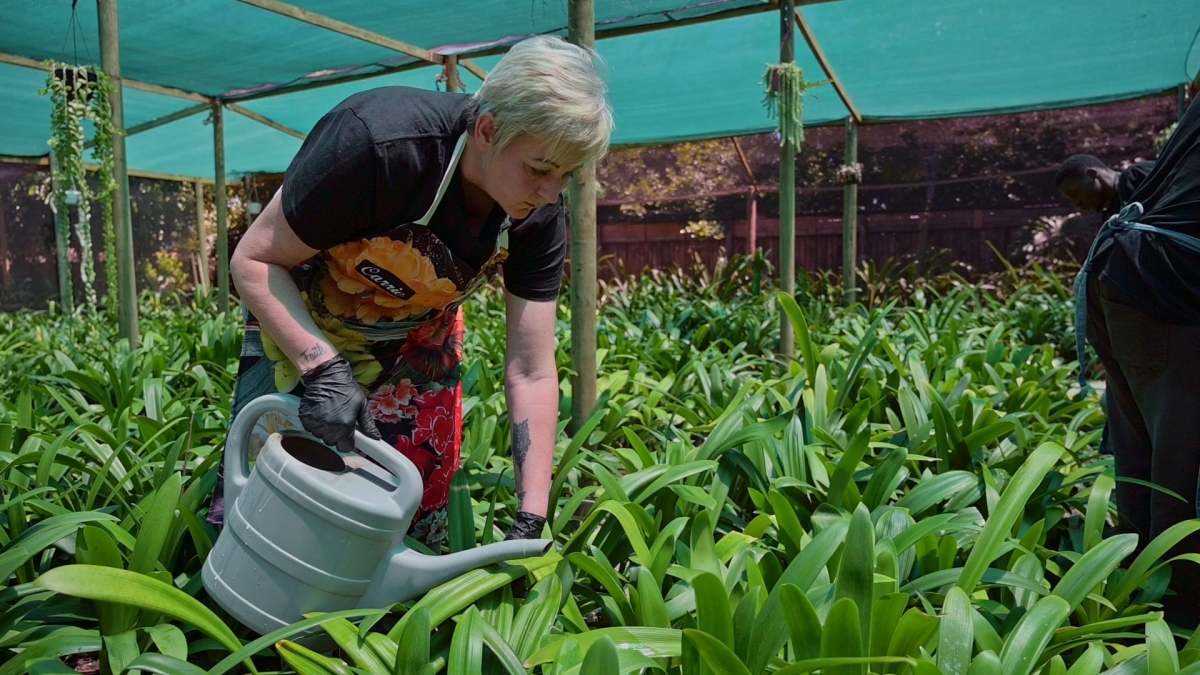
As buds begin to emerge, gradually increase watering frequency. Plants coming out of dormancy should never be exposed to sudden excessive moisture after a relatively dry winter period.
- Water thoroughly but allow the growing medium to drain well.
- Avoid waterlogged conditions, especially during cool weather.
- Maintain moderate moisture consistency without saturation.
Clivias remain highly susceptible to root rot when cold and excessively wet.
2. Initiate Light Feeding
Begin a balanced liquid fertiliser programme at reduced strength.
- Use half-strength applications initially.
- Avoid excessive nitrogen levels.
- Prioritise balanced nutrition to support flower development rather than soft vegetative growth.
Overfeeding early in the season can weaken flowering quality and reduce peduncle strength.
3. Light Management
Adequate light is essential for proper flower spike elongation and colour development.
- Provide bright indirect light.
- Protect plants from harsh midday sun.
- Shield flowering plants from late frost in colder inland regions.
Poor light conditions during this period may result in weak or compressed flower stems.
4. Pest Monitoring
Warmer spring conditions often trigger increased pest activity. Early intervention prevents larger infestations later in the season.
Monitor for:
- Mealybug in leaf axils and root zones
- Aphids around developing buds and flowers
- Snails and slugs damaging emerging spikes
Routine inspection is particularly important for greenhouse and shade house collections.
Important Seasonal Note
Avoid repotting, dividing, or disturbing roots during bud development. Stress during this stage frequently causes aborted flowering or distorted blooms.
September – Peak Flowering & Controlled Pollination
Growth Stage: Full flowering and controlled pollination
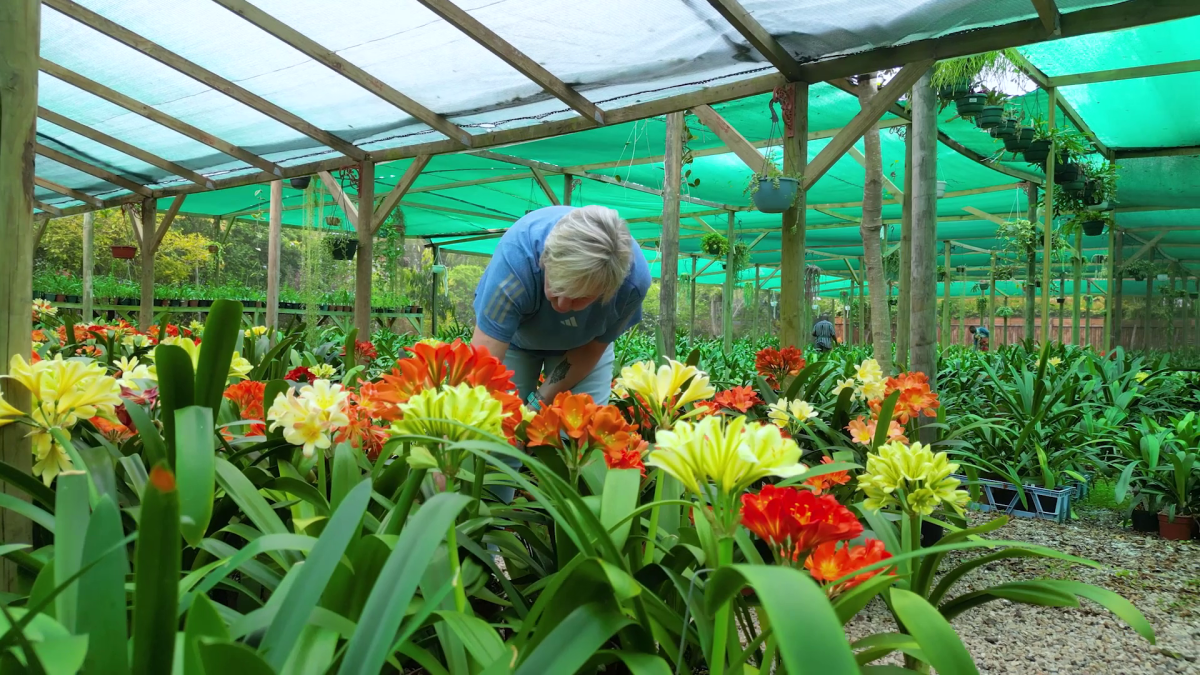
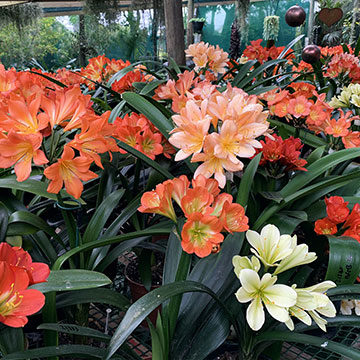
September is typically the peak flowering month for many Clivia miniata hybrids in the Southern Hemisphere. For breeders, this is the most important crossing period of the year.
Clivia miniata
Cultural Priorities
1. Flower Management
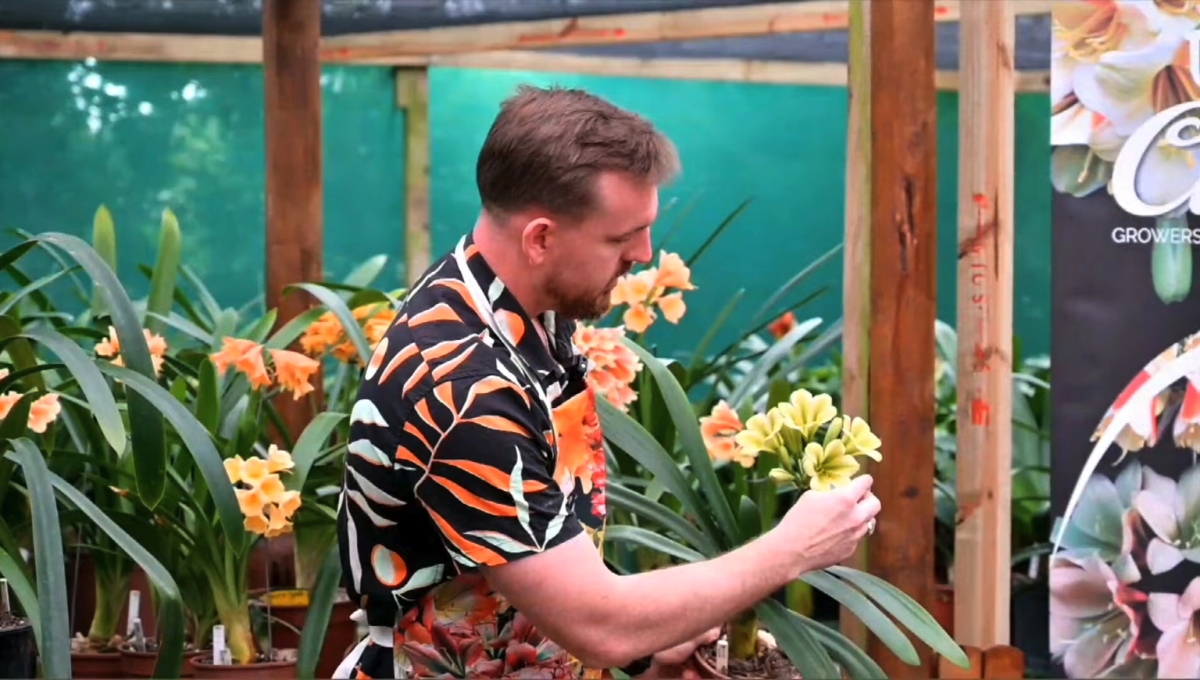
Good presentation and plant hygiene become increasingly important during peak flowering.
- Rotate pots regularly for even light exposure.
- Remove damaged or diseased foliage.
- Keep blooms clean and dry where possible.
- Support exhibition-quality plants carefully to prevent stem damage.
Maintaining symmetry and flower quality is especially important in breeding and show collections.
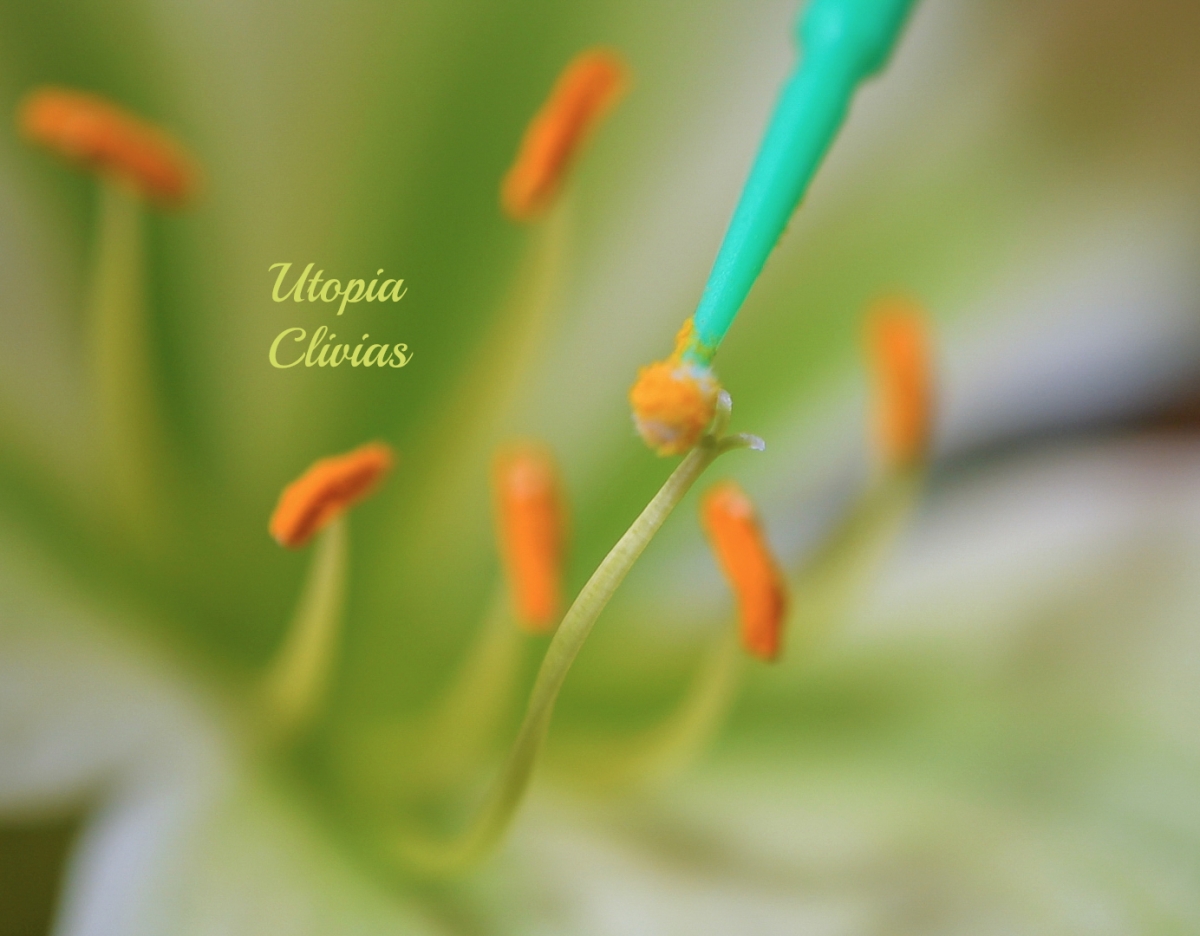
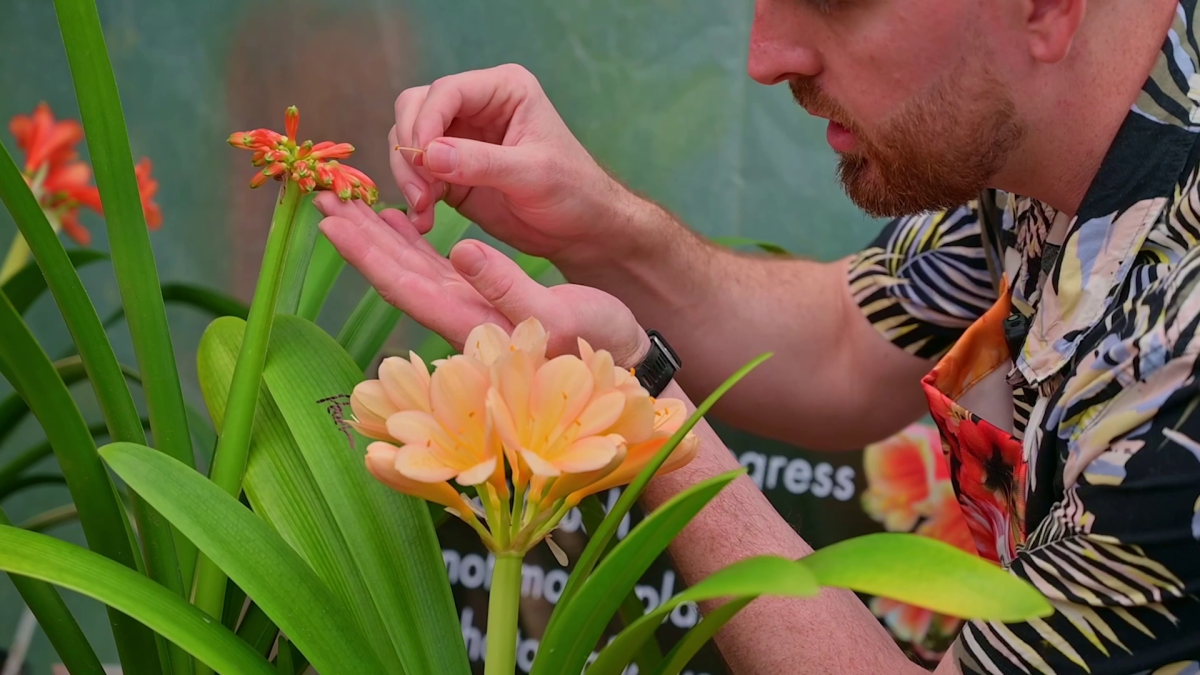
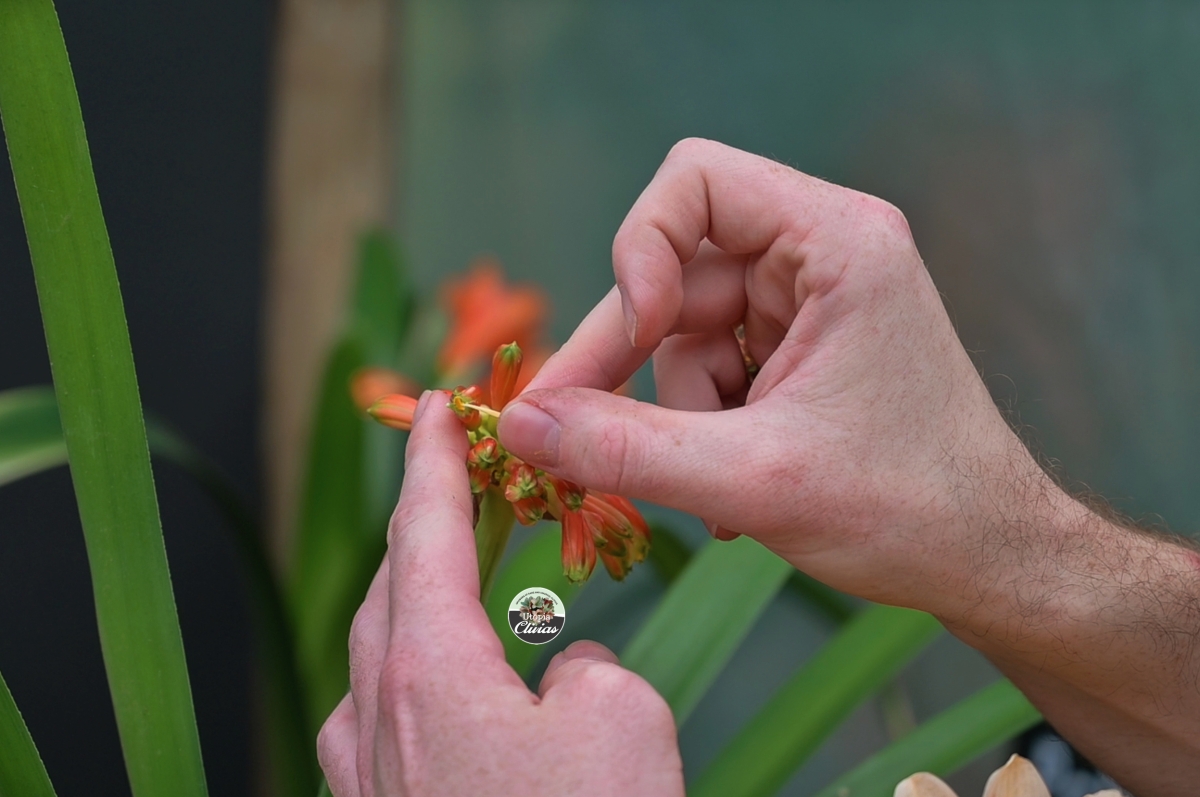
2. Controlled Pollination
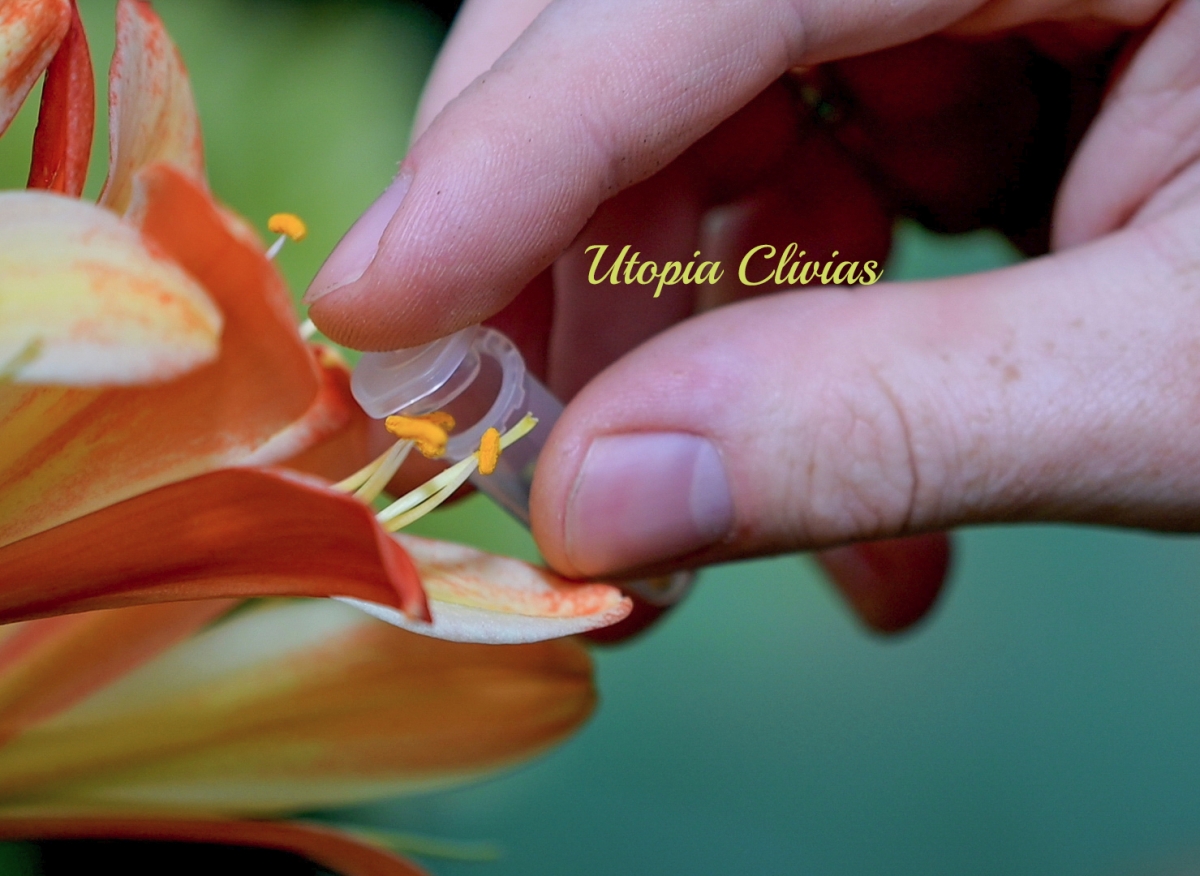
The pollination window is relatively short and timing plays a major role in successful seed set.
Best practices include:
- Pollinating flowers approximately 3–5 days after opening
- Applying pollen during the morning when viability is highest
- Avoiding pollination during excessively wet or humid conditions
- Labelling and recording all crosses immediately
- Store pollen of superior parent plants
Accurate breeding records are essential for long-term line development and future evaluation.
3. Feeding Programme
Continue regular fertiliser applications throughout flowering.
- Feed with Clivias with a balanced fertiliser.
- Ensure adequate potassium levels for flower substance and ovary development.
- Avoid excessively high nitrogen ratios during heavy bloom periods.
Consistent nutrition supports both flowering longevity and healthy berry formation.
4. Airflow & Hygiene
Spring humidity increases the risk of fungal disease, particularly in dense collections.
Maintain:
- Good airflow in greenhouses and shade houses
- Proper spacing between plants
- Clean growing environments free of decaying plant material
Remove spent flowers and fallen petals promptly to reduce the risk of botrytis and fungal spread.
Breeding Considerations for Spring
Spring flowering determines the direction of future breeding generations. Only the highest-quality flowers should be selected for crossing.
Important selection traits include:
- Flower form and symmetry
- Throat clarity
- Colour intensity and purity
- Peduncle strength
- Flower count and arrangement
- Leaf quality and plant habit
Every breeding decision made during spring contributes to the long-term advancement of Clivia genetics and cultivar refinement.
Conclusion
Spring is a season of renewal, flowering, and opportunity within the Clivia growing cycle. Careful environmental management, disciplined feeding, good hygiene, and selective breeding practices during August and September establish the foundation for healthy plants and successful seed production throughout the growing season.
For collectors and breeders alike, this period remains one of the most rewarding and busiest times of the year in the cultivation of Clivias.