Yellow Clivias: Genetics, Groups, and Modern Breeding
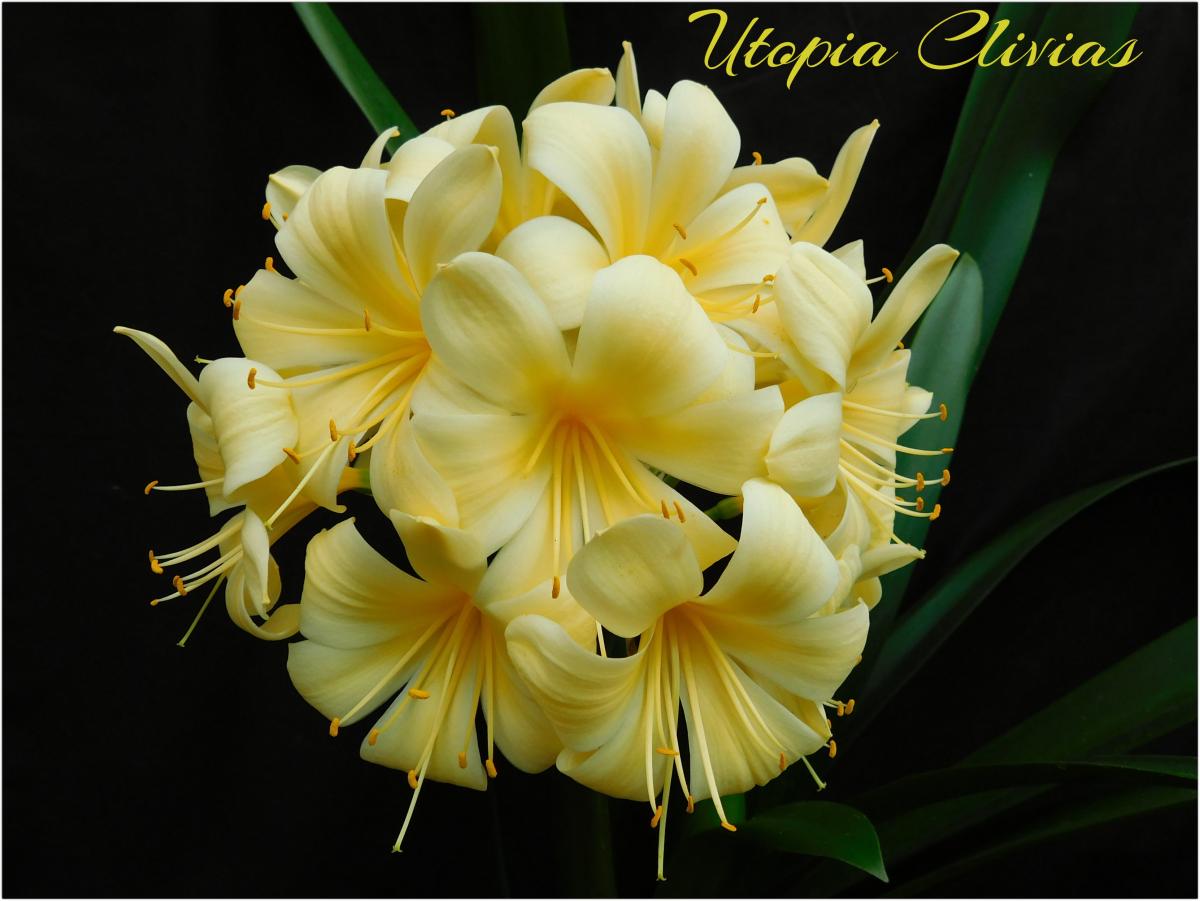
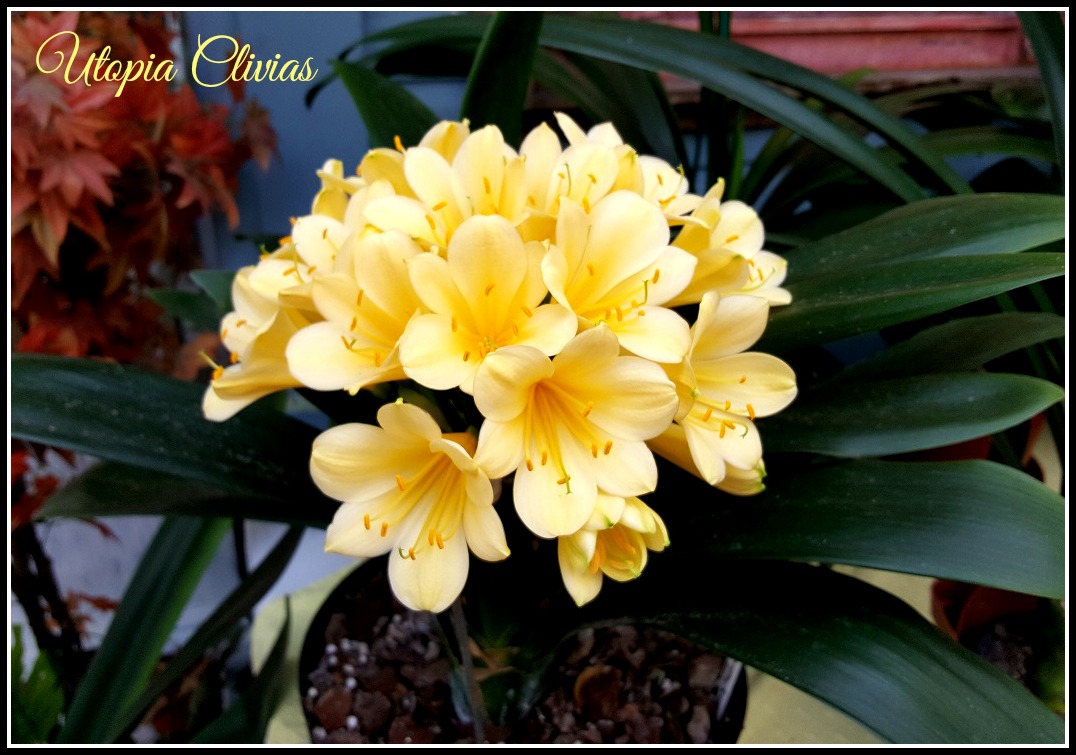
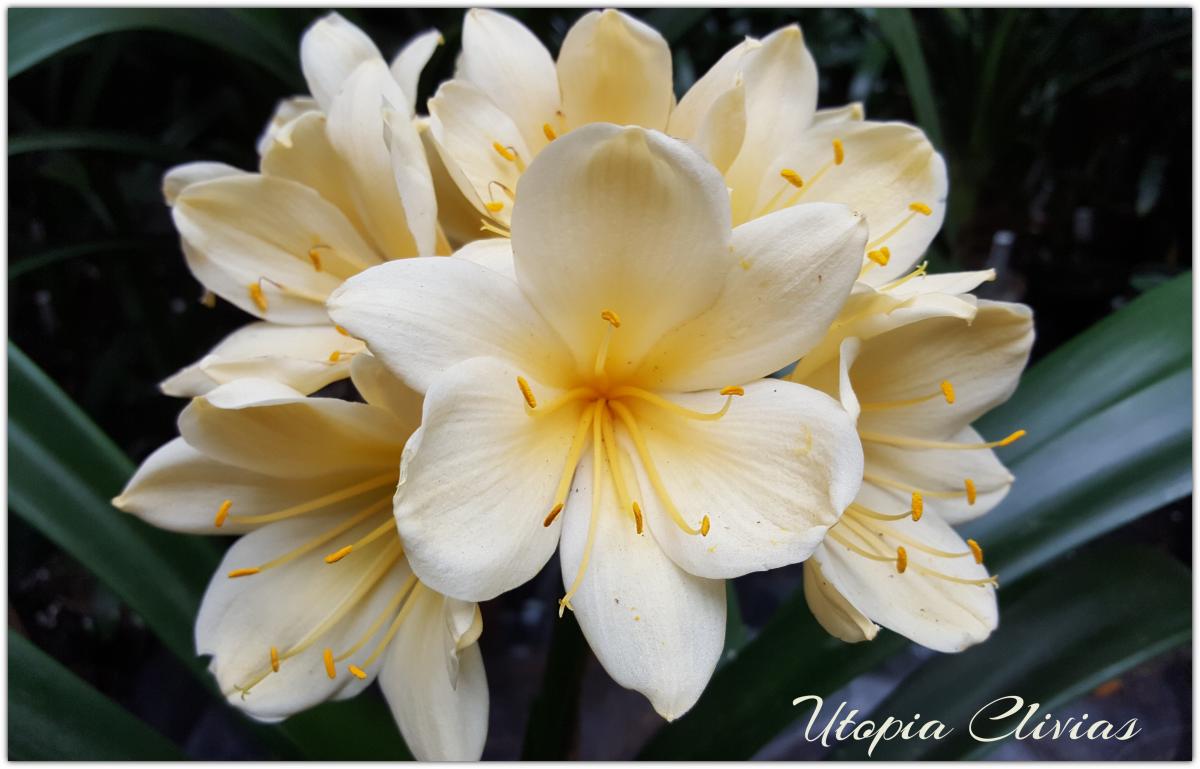
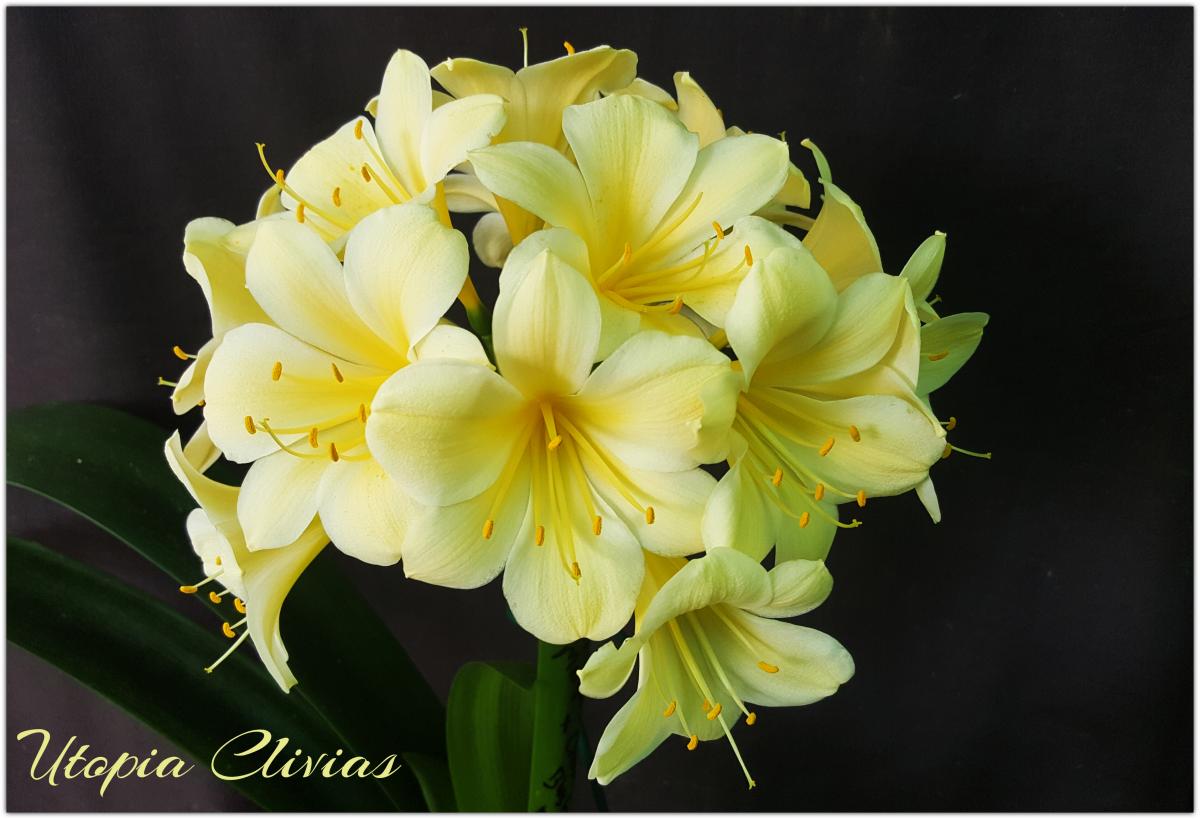
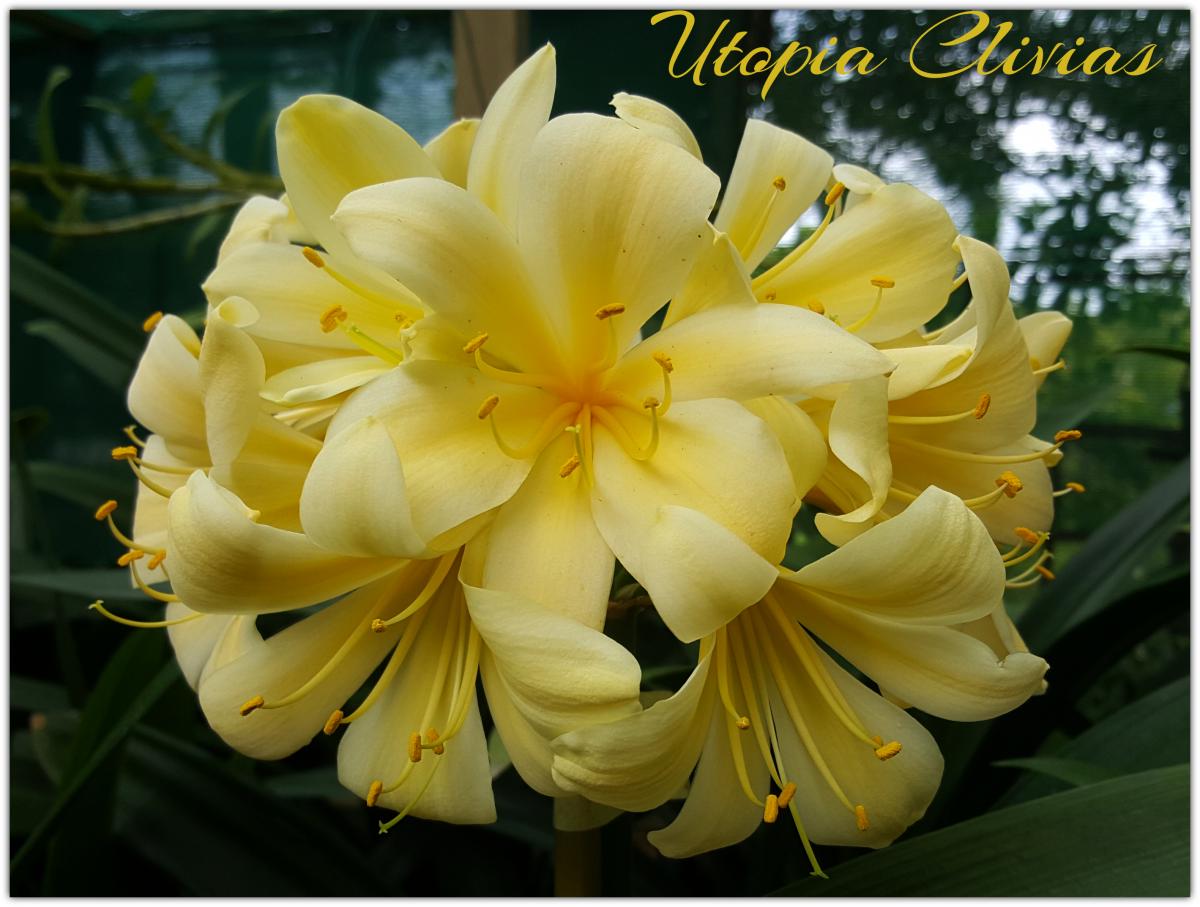
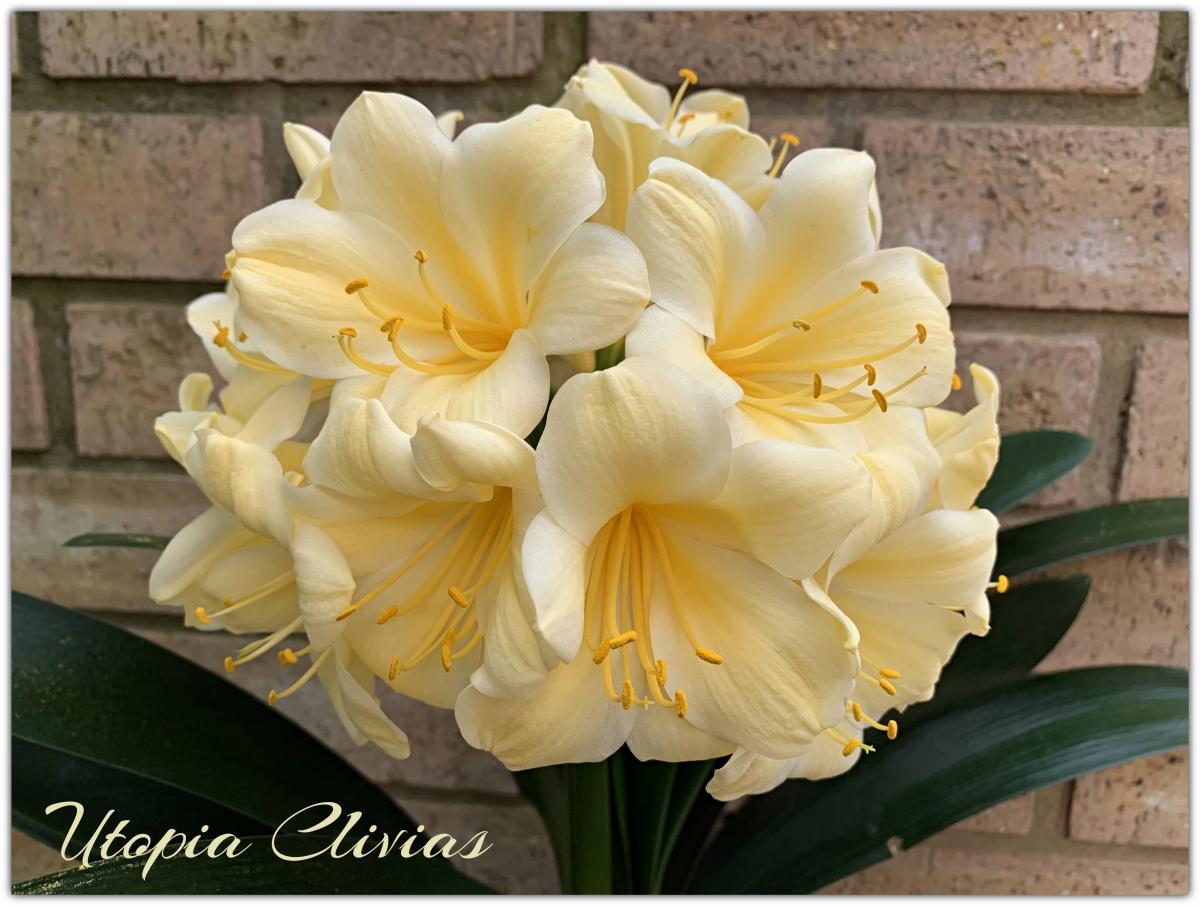
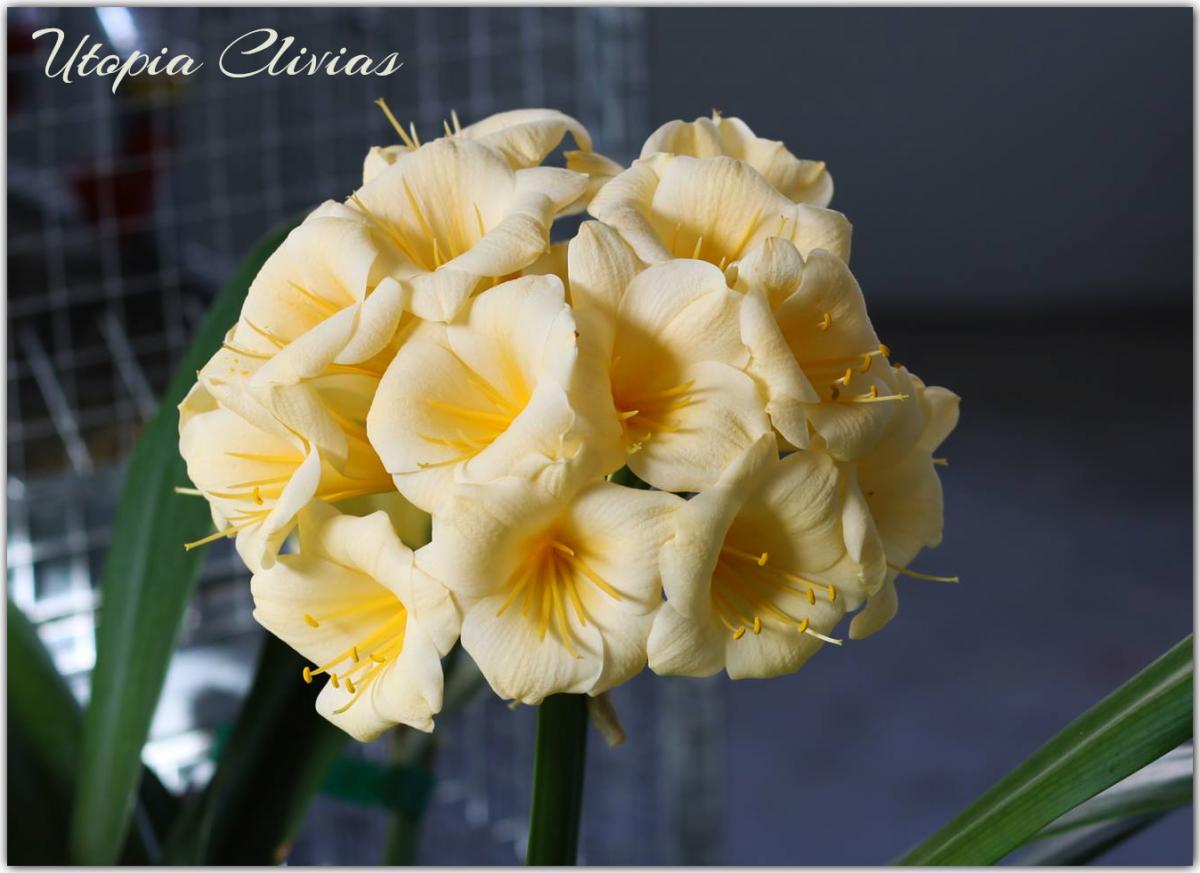
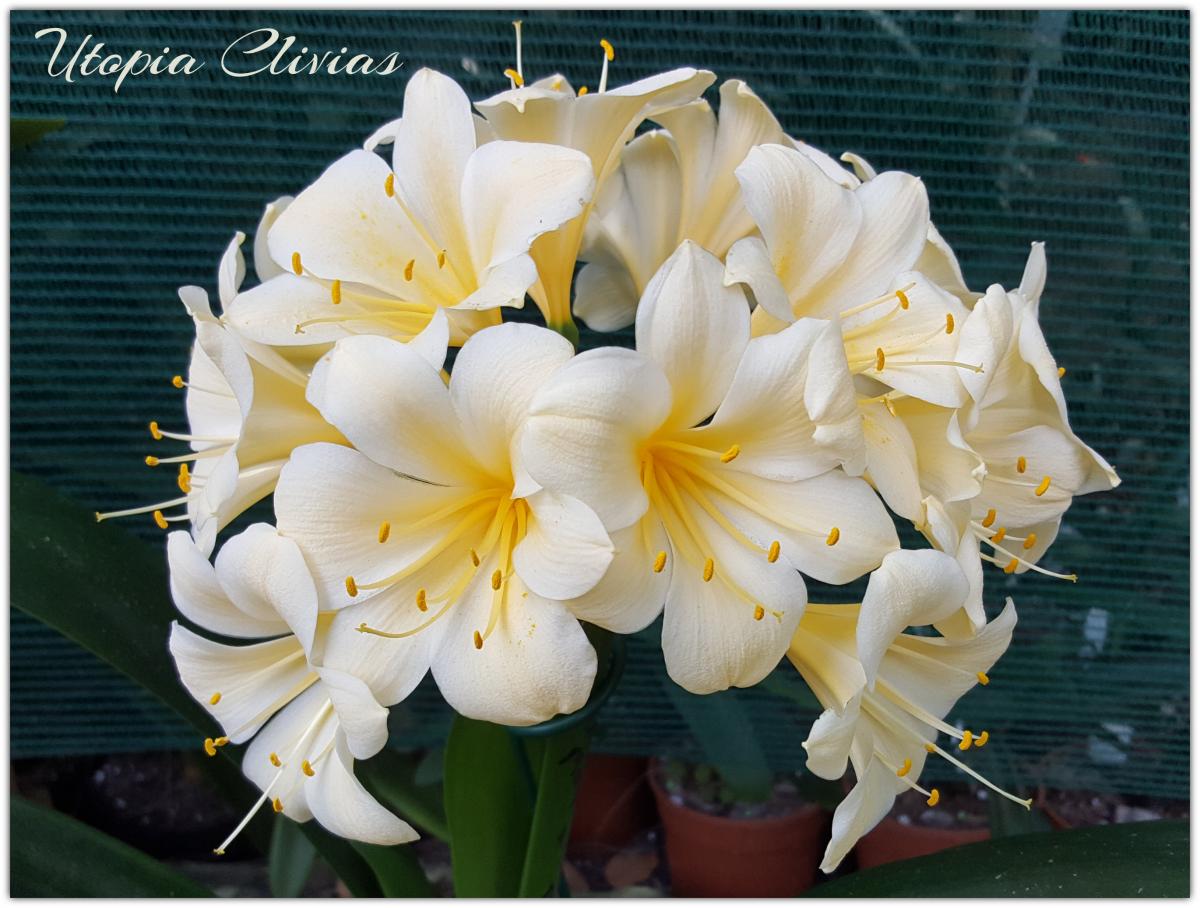
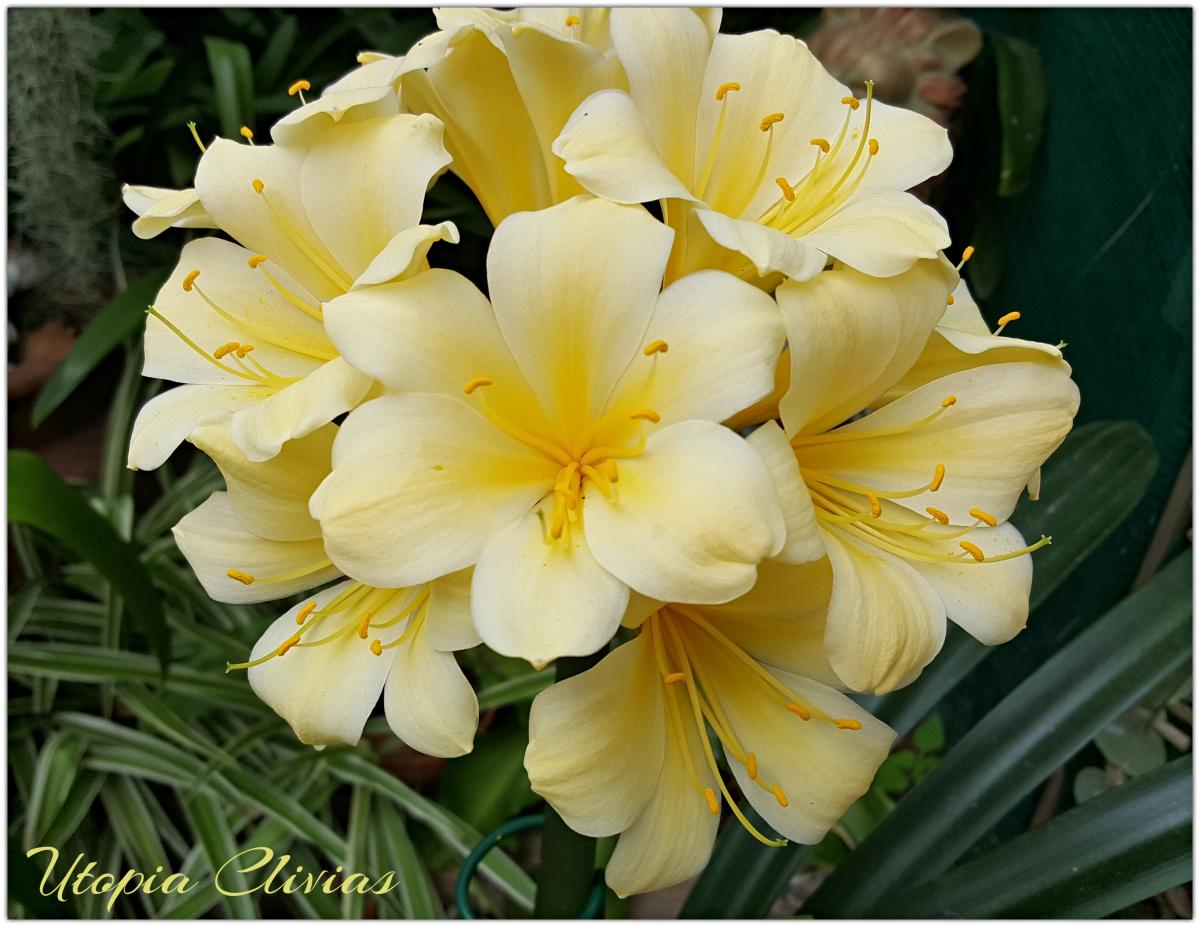
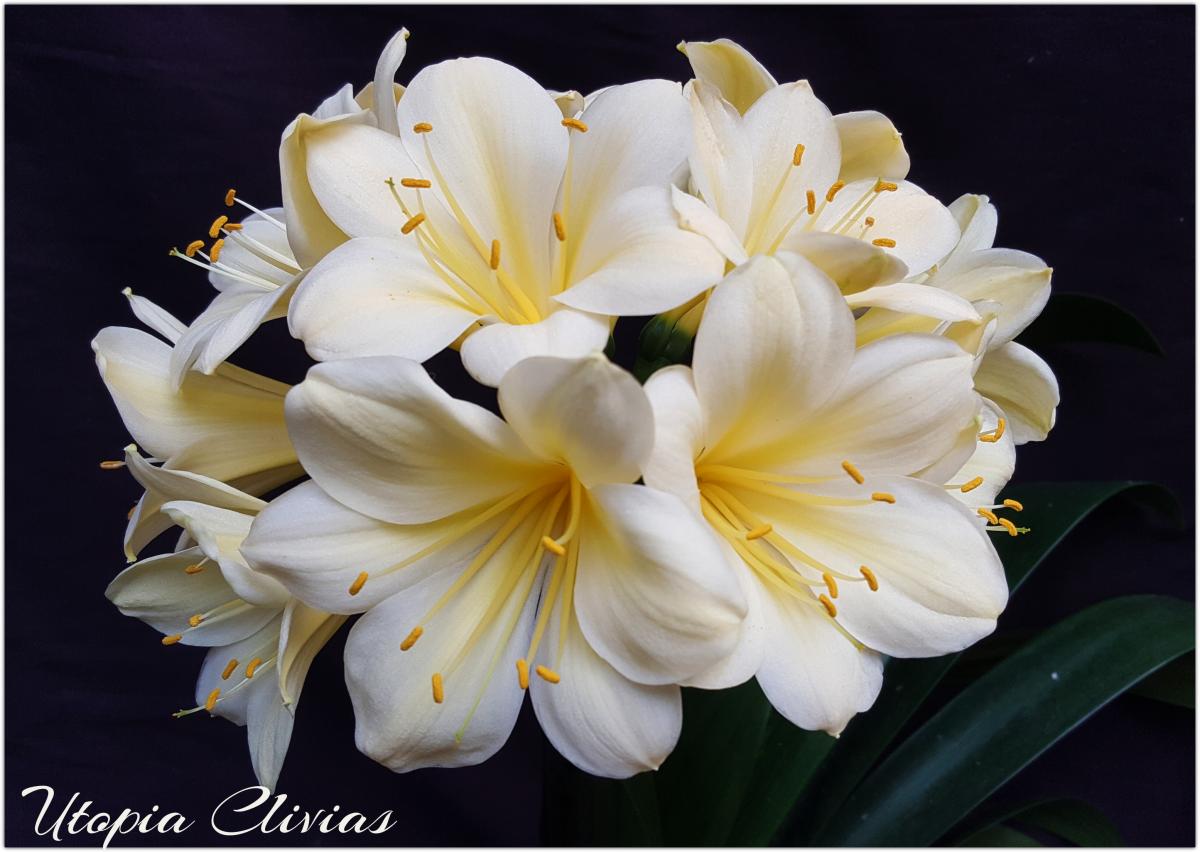
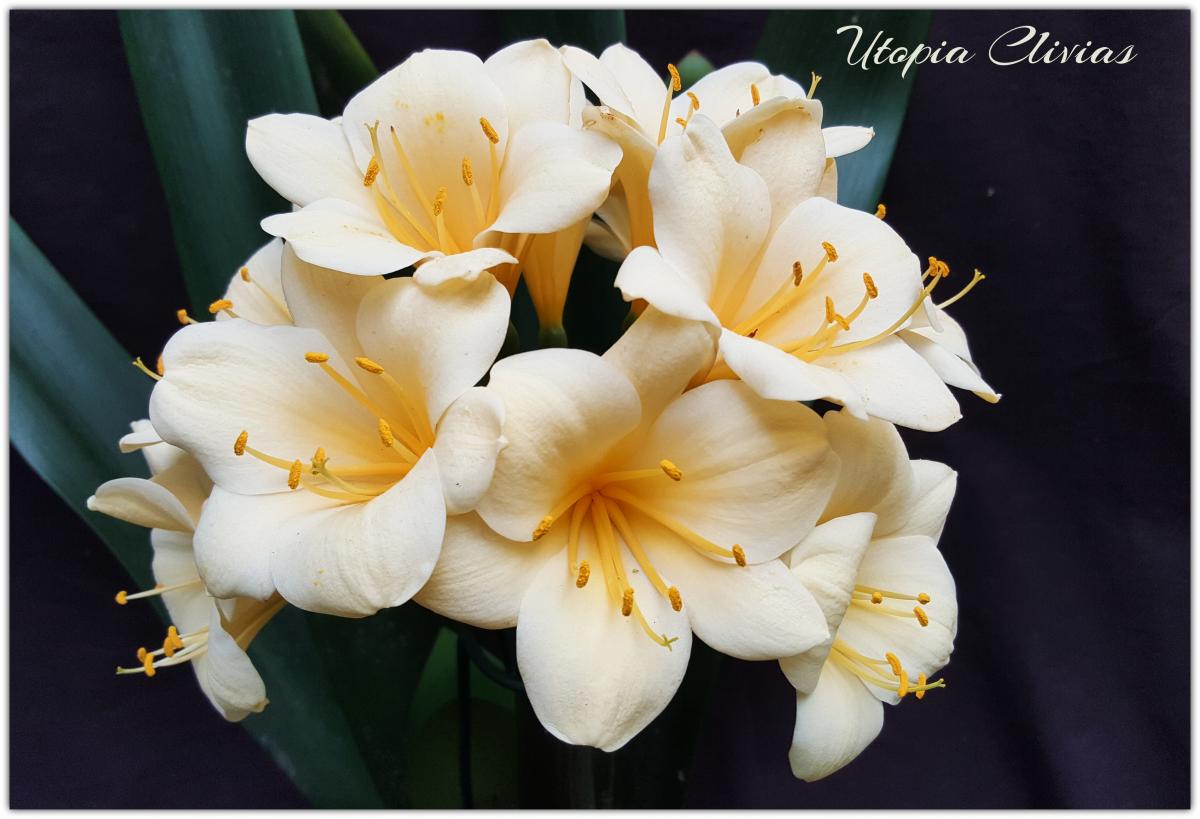
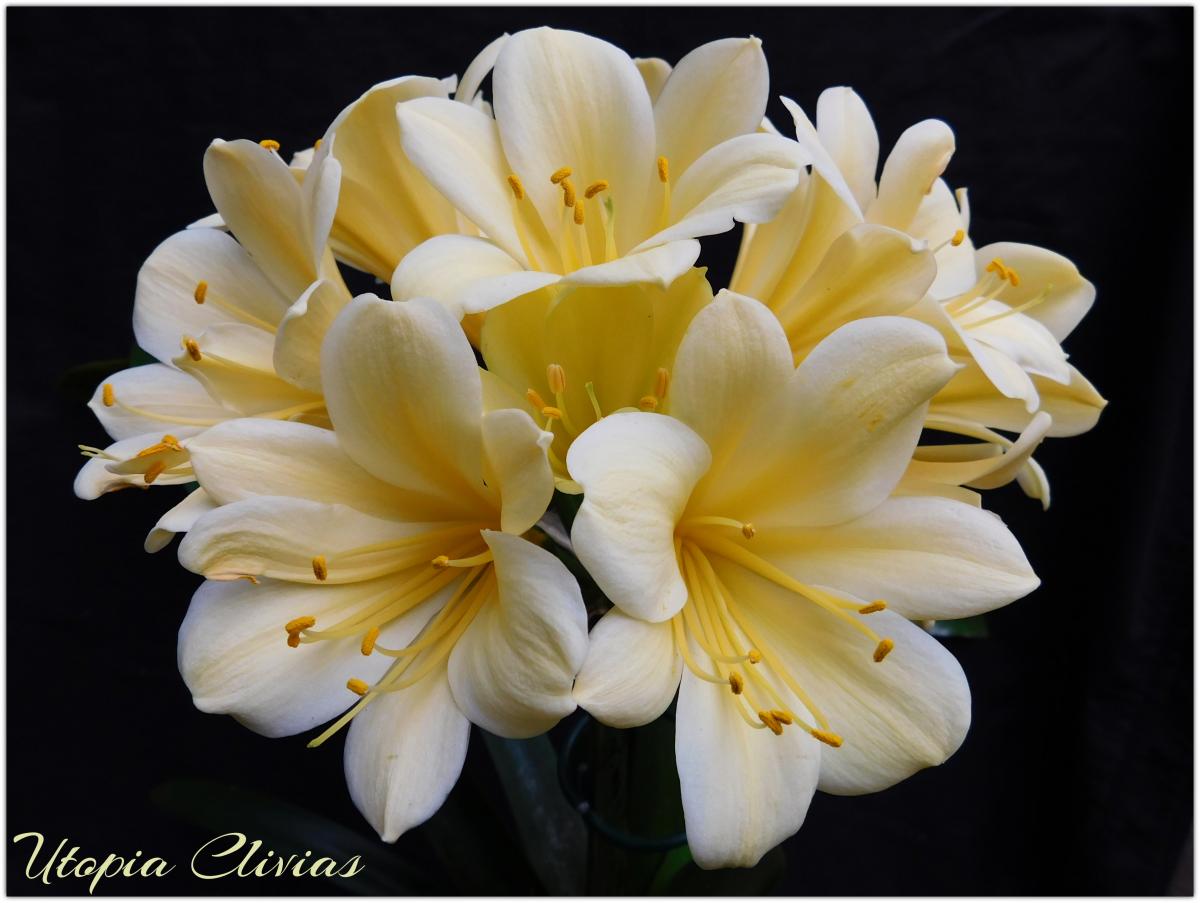
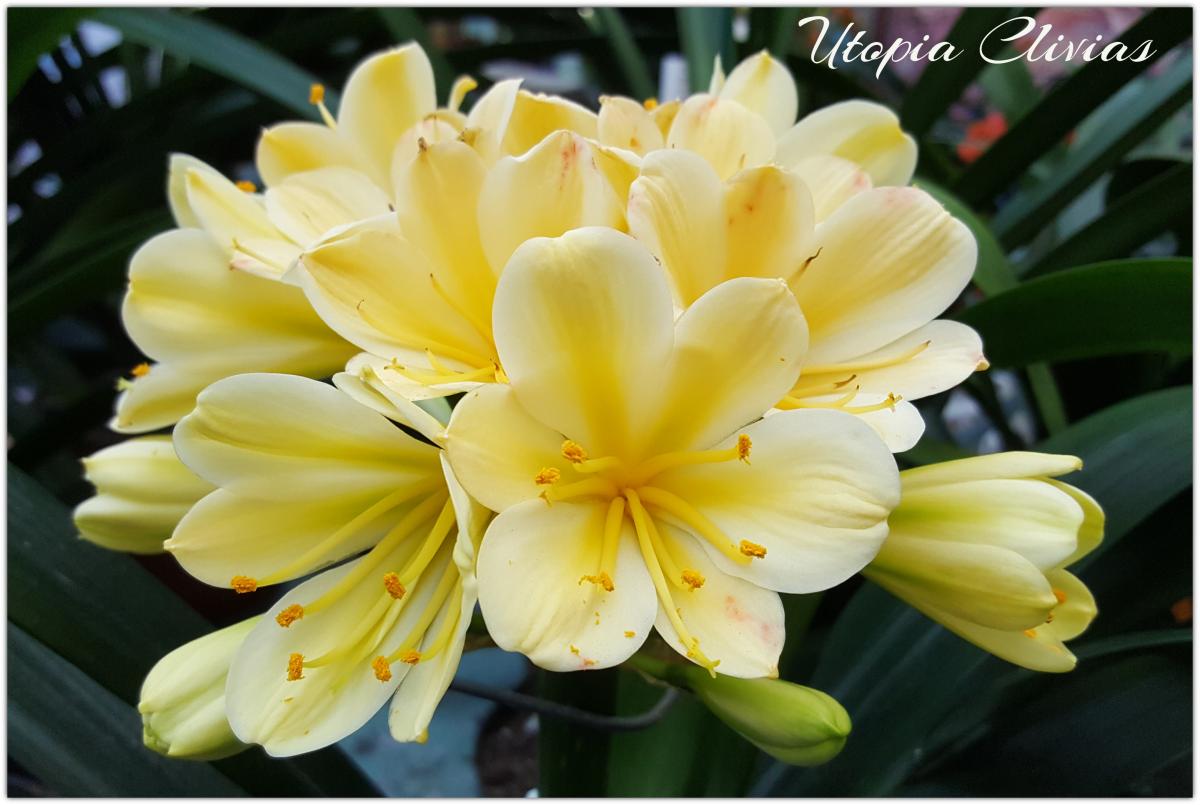
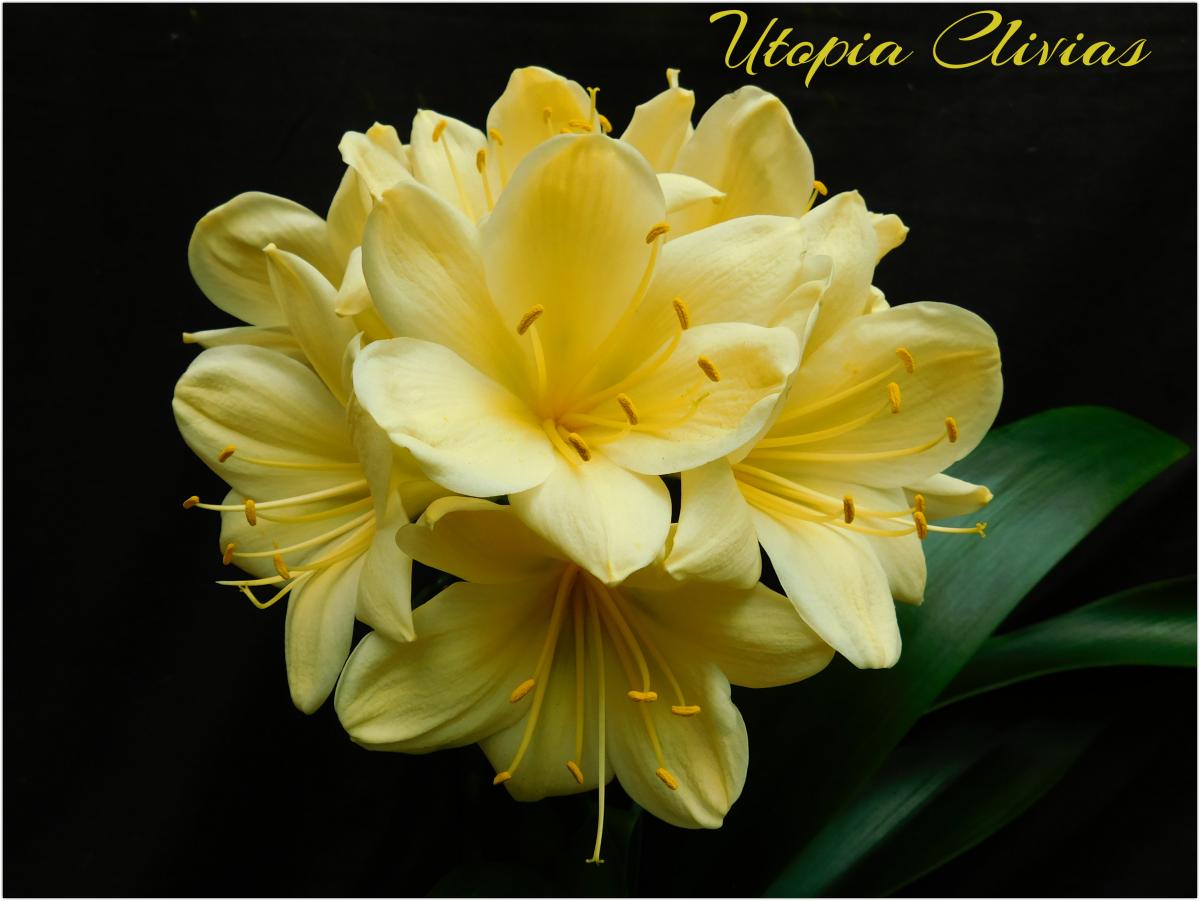
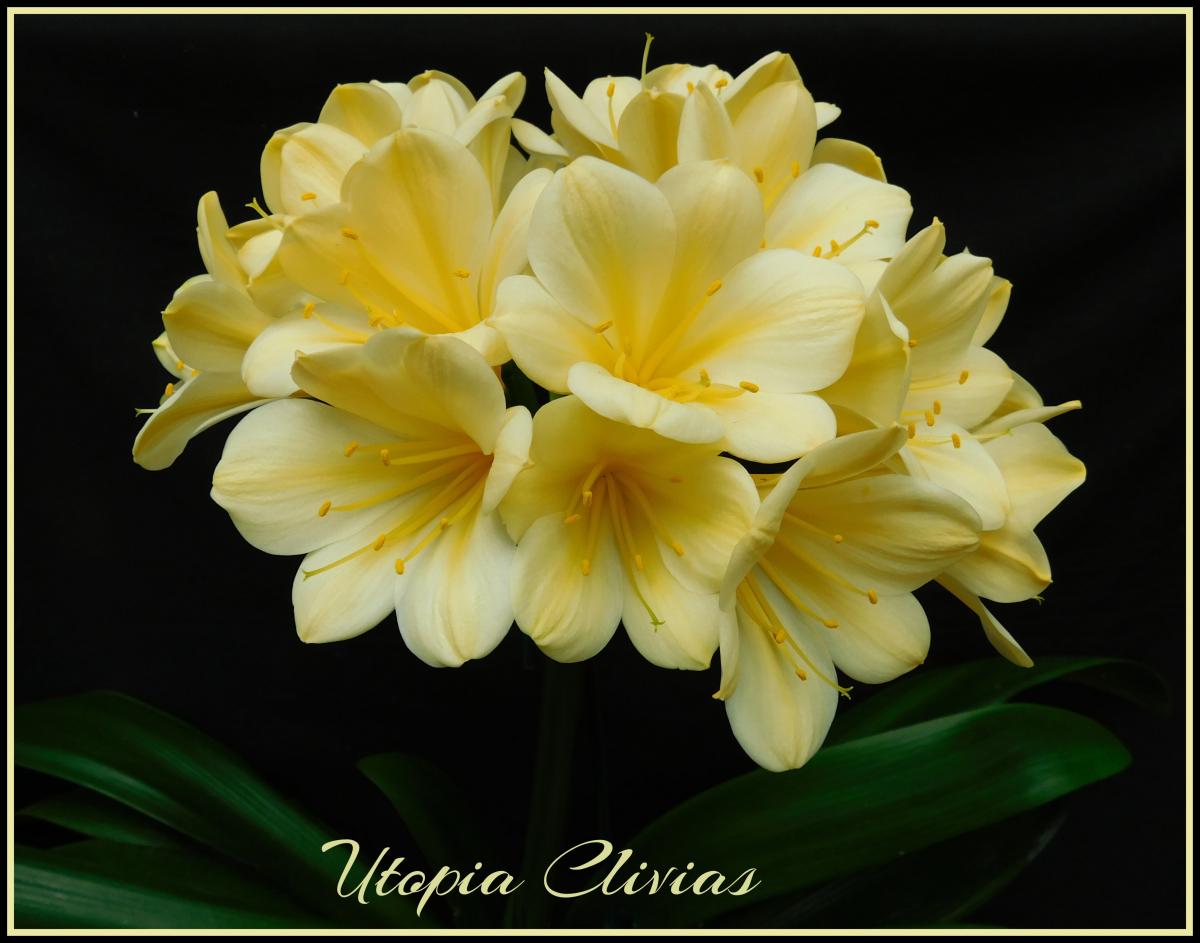
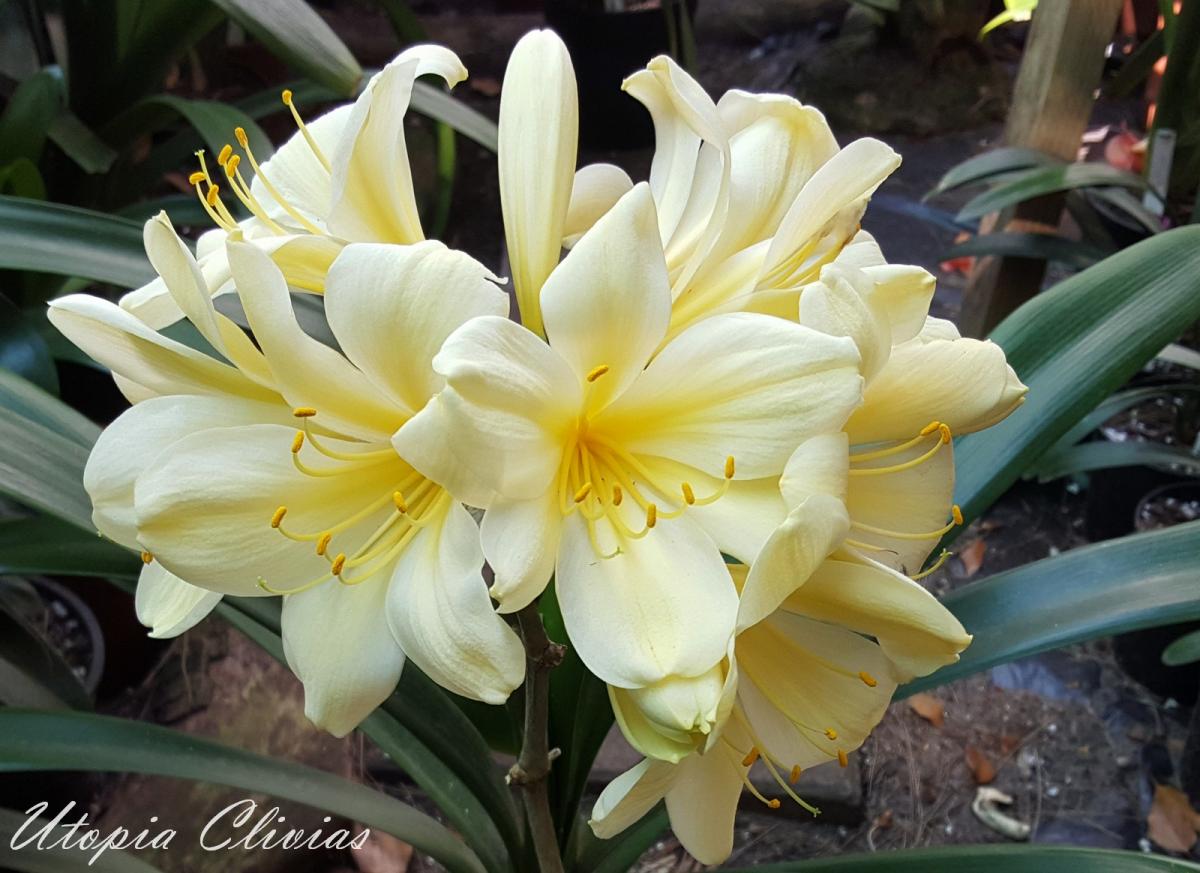
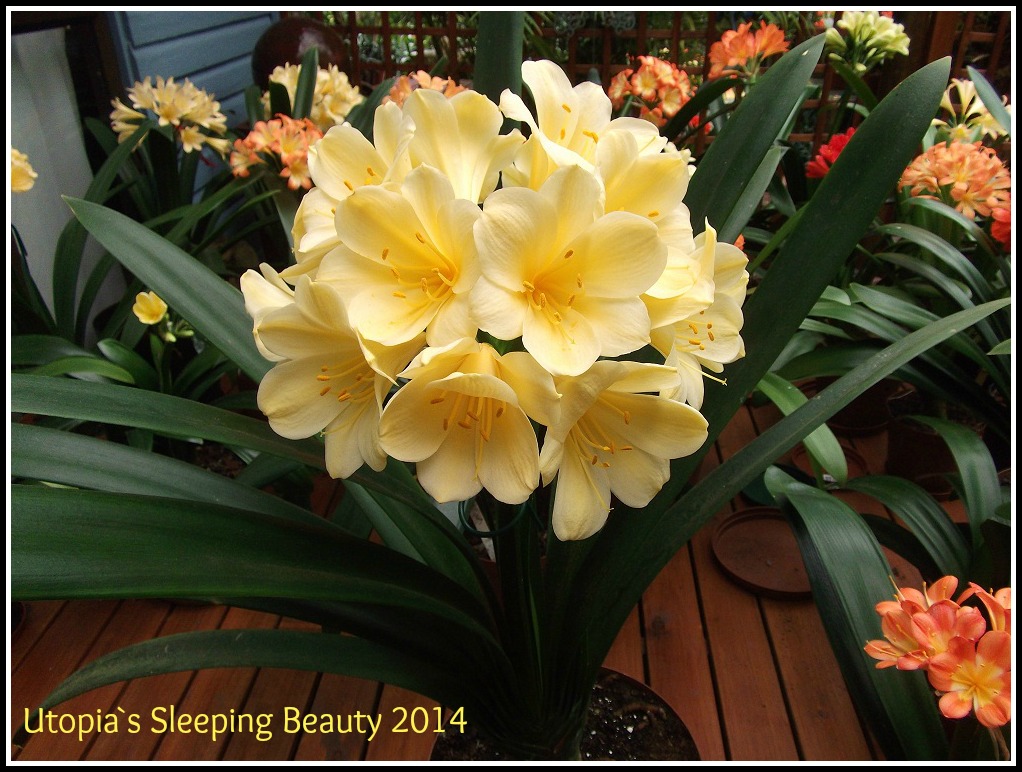
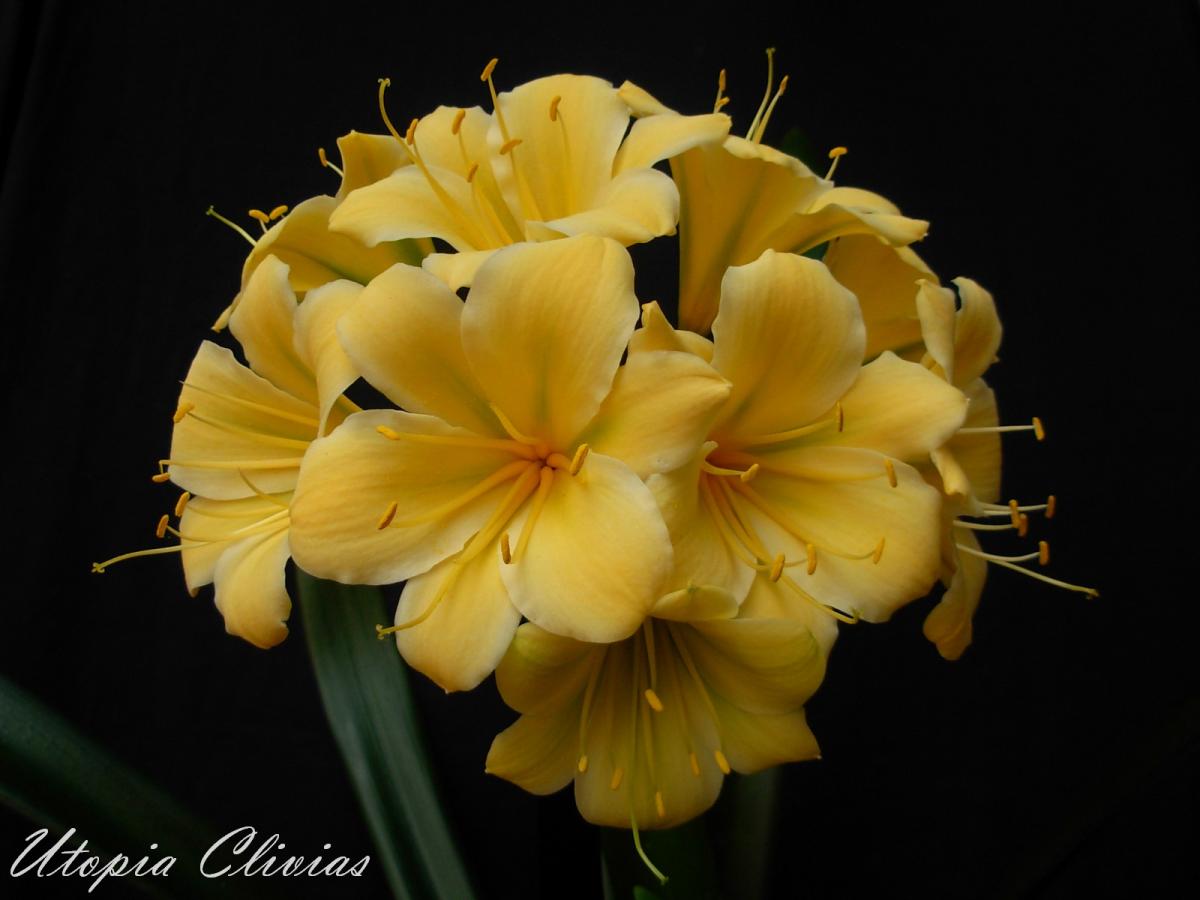
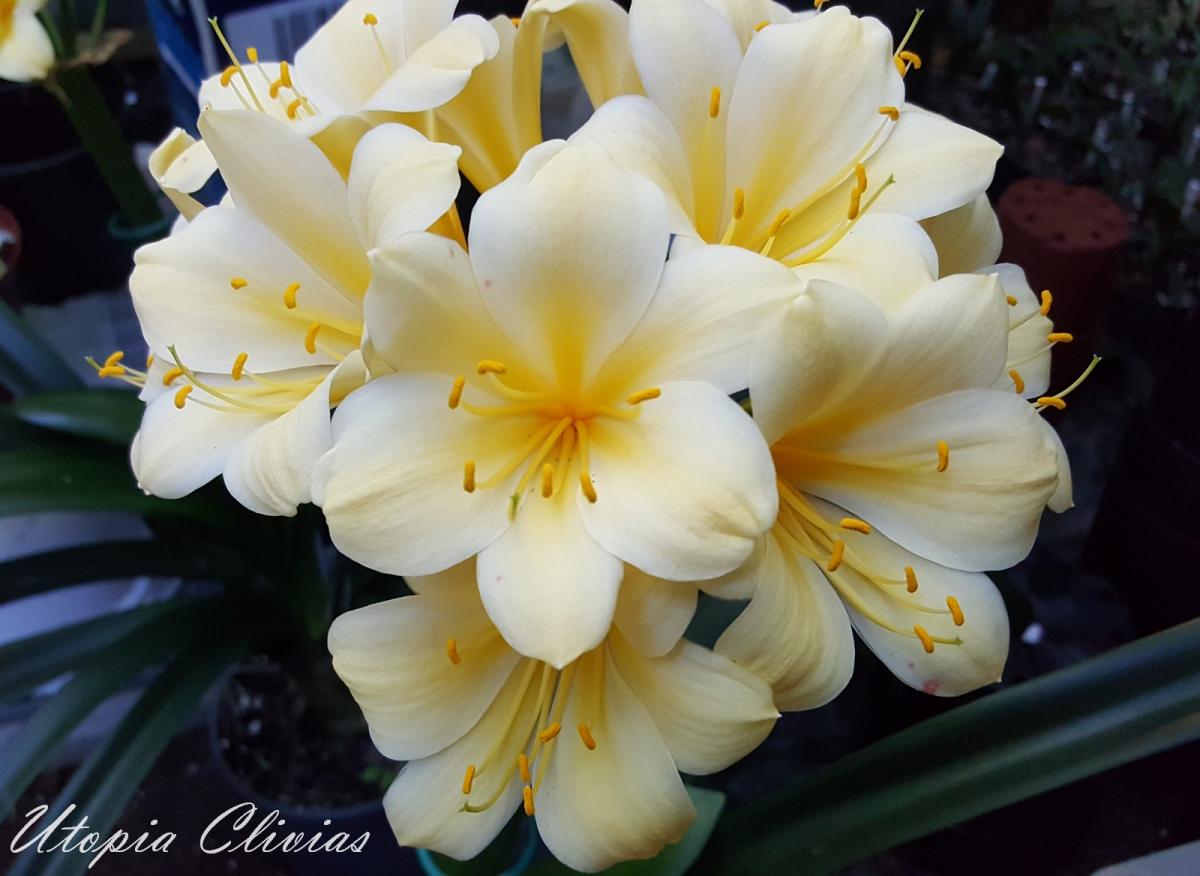
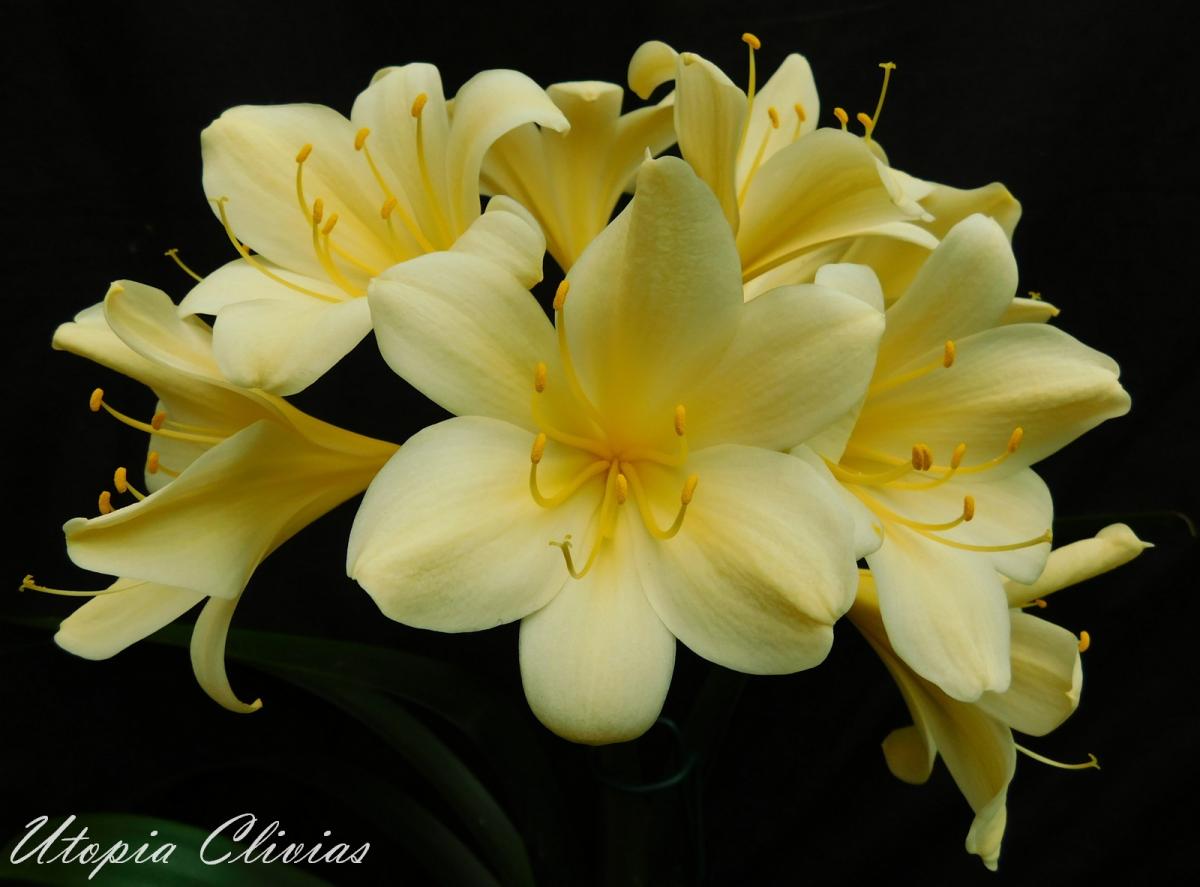
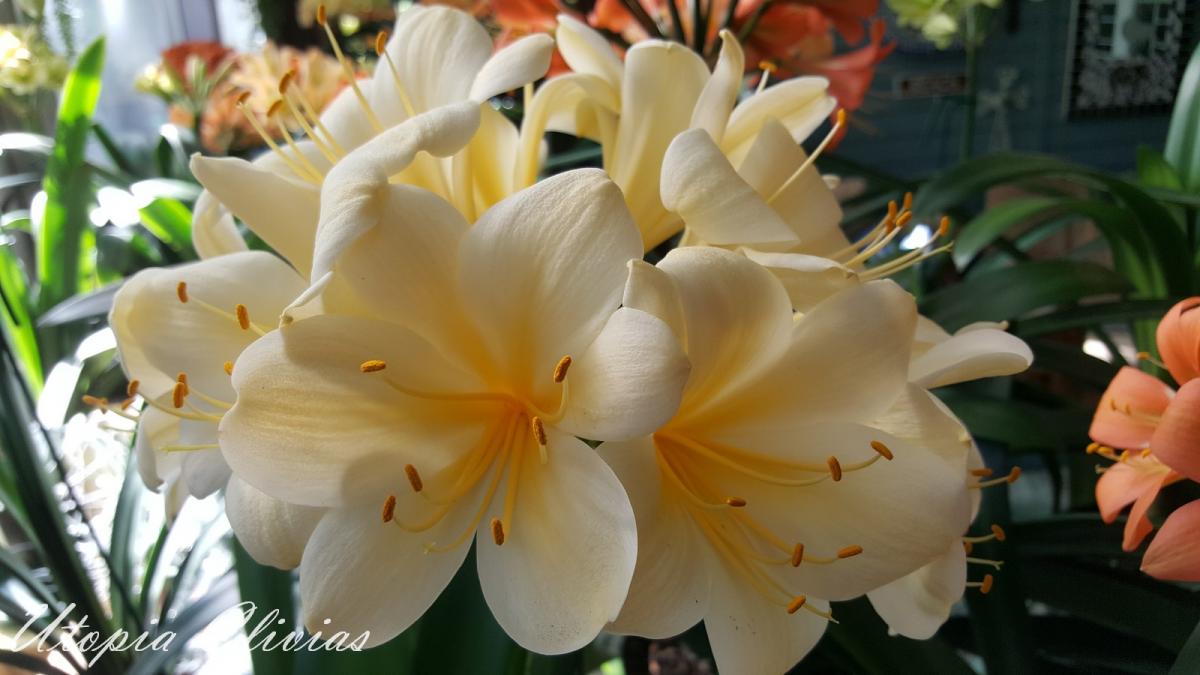
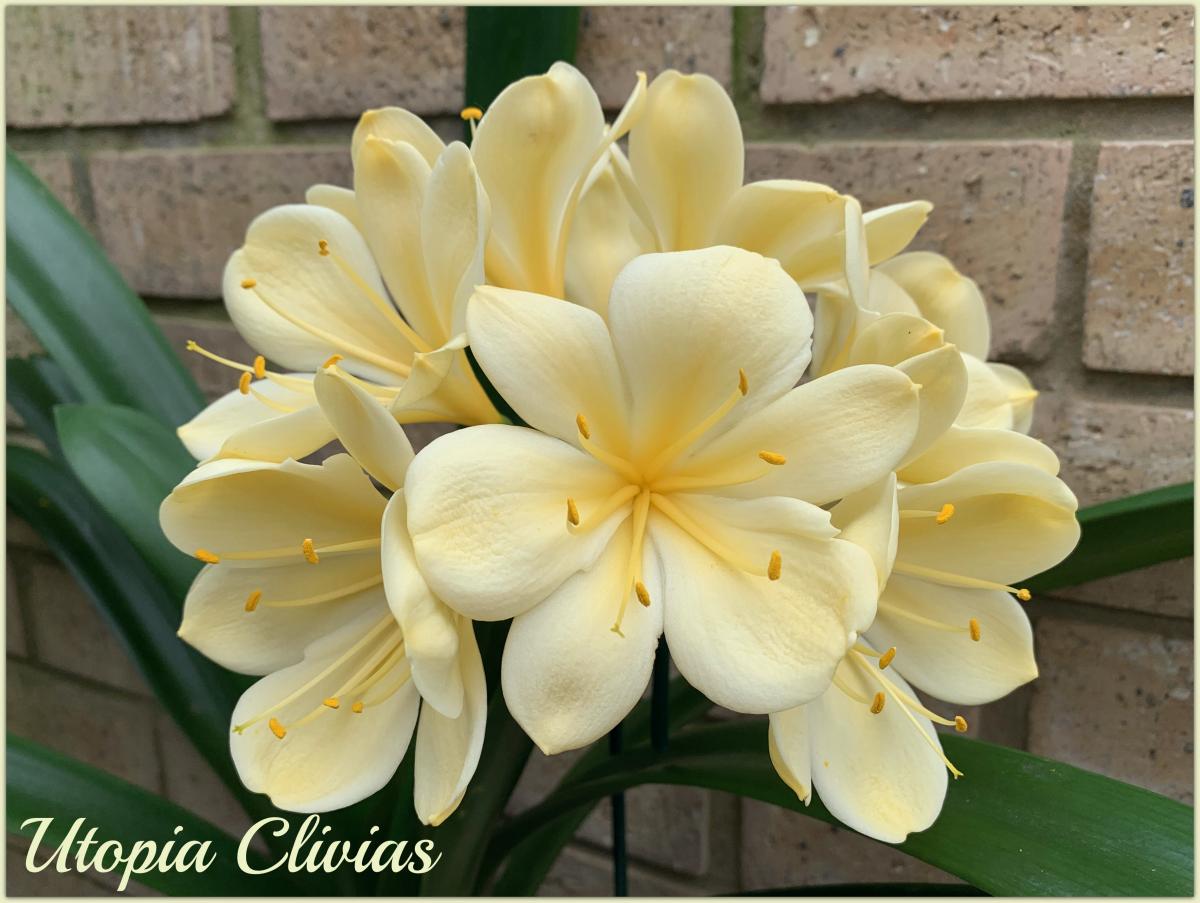
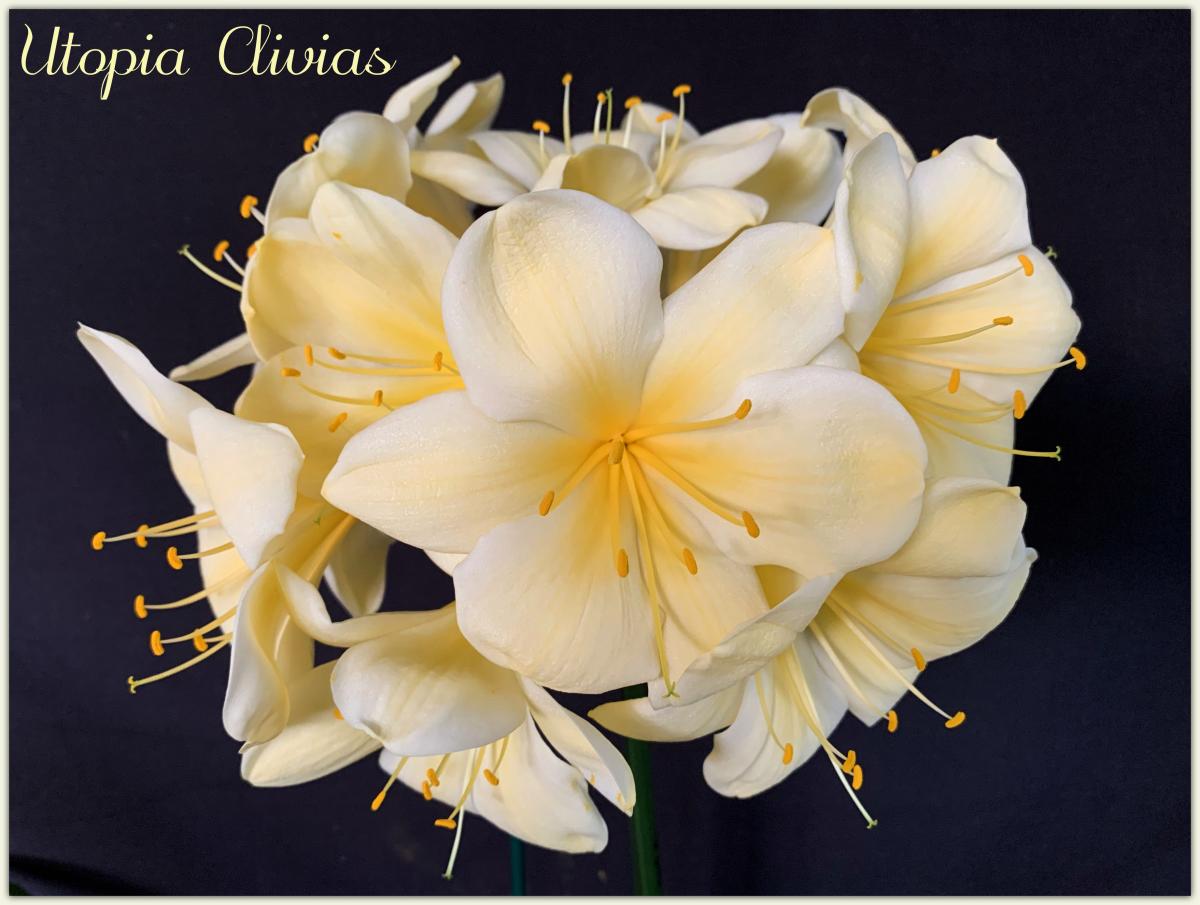
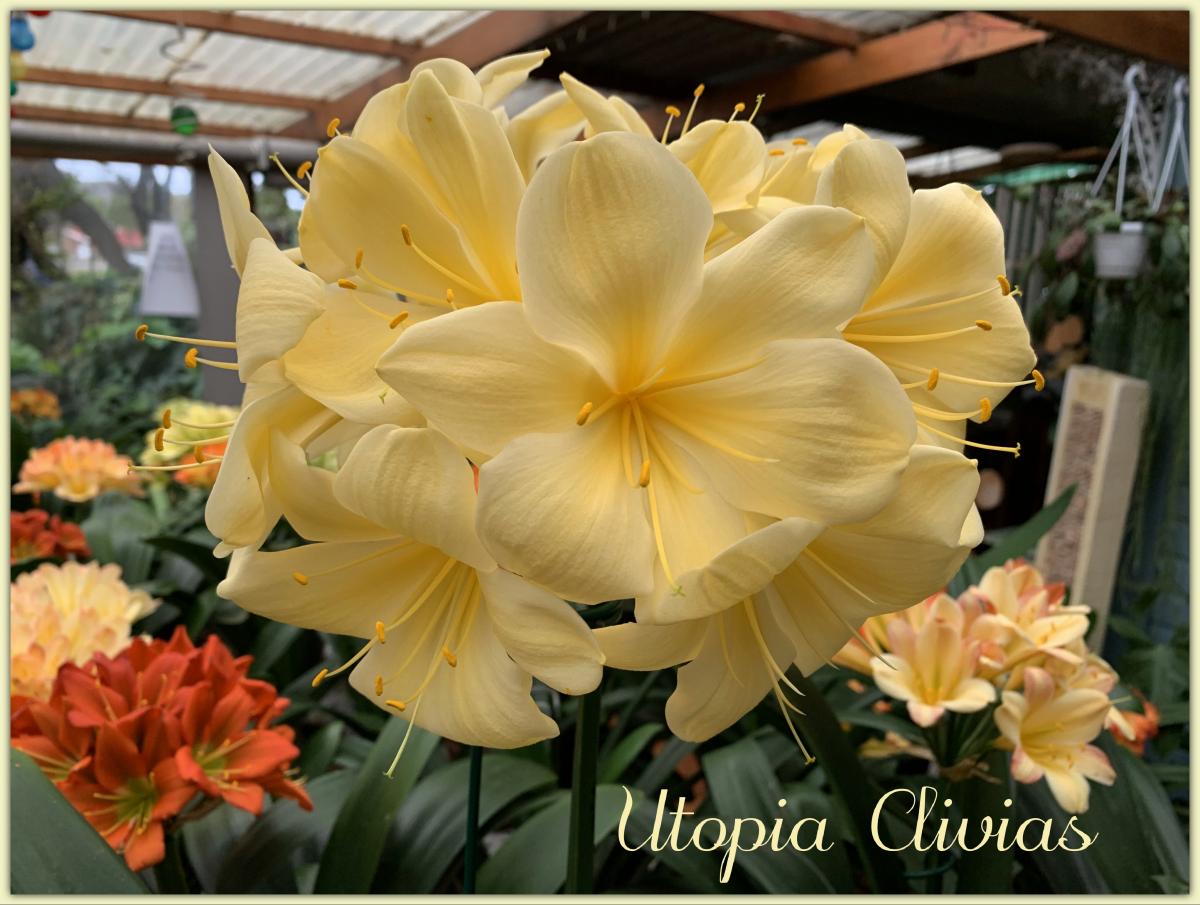
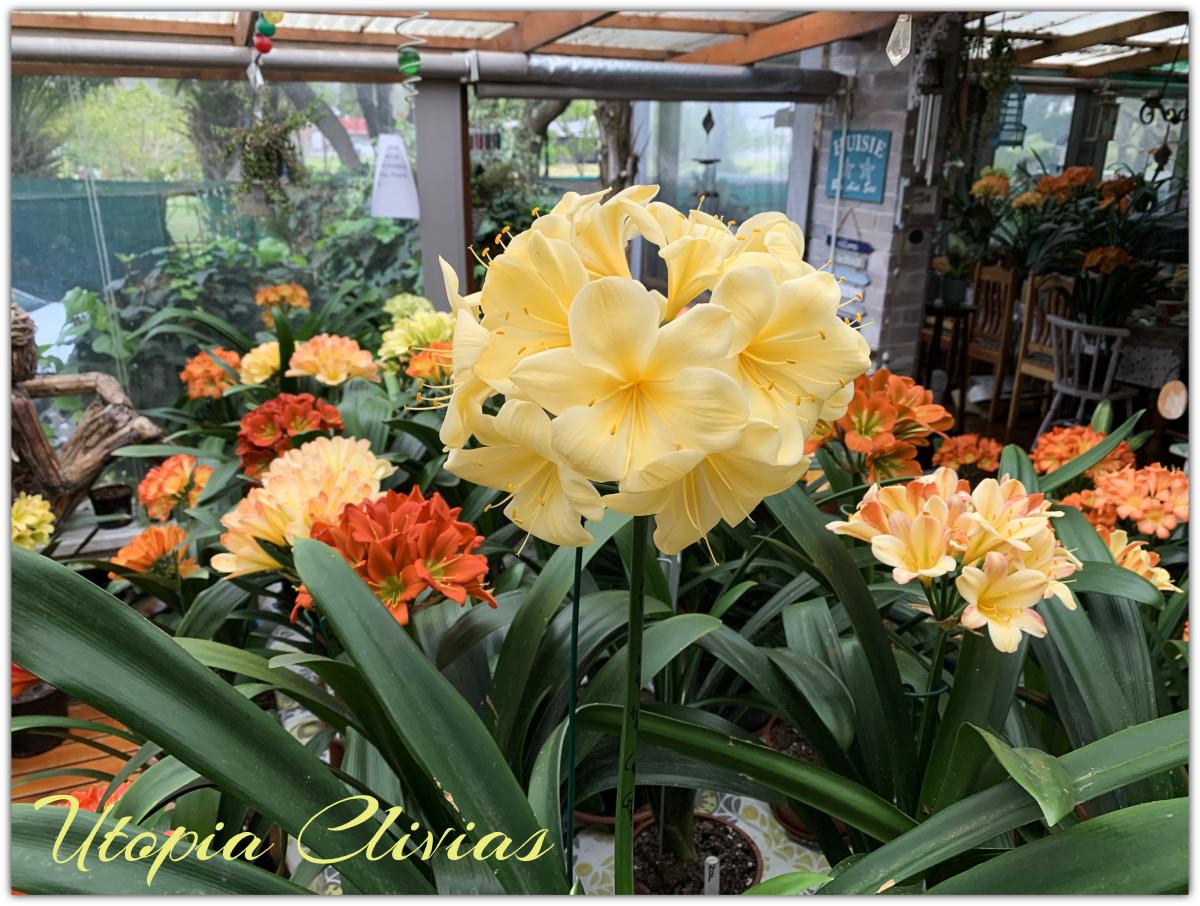
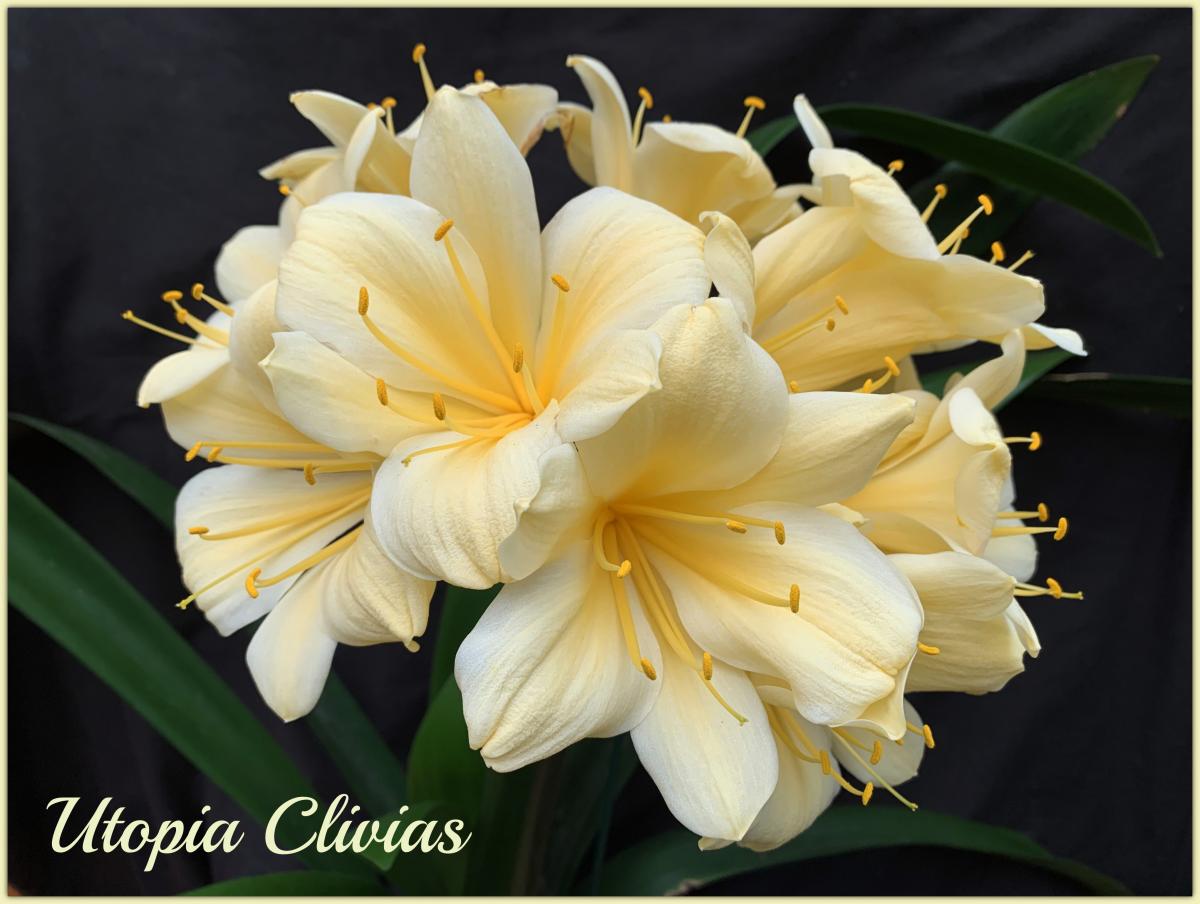
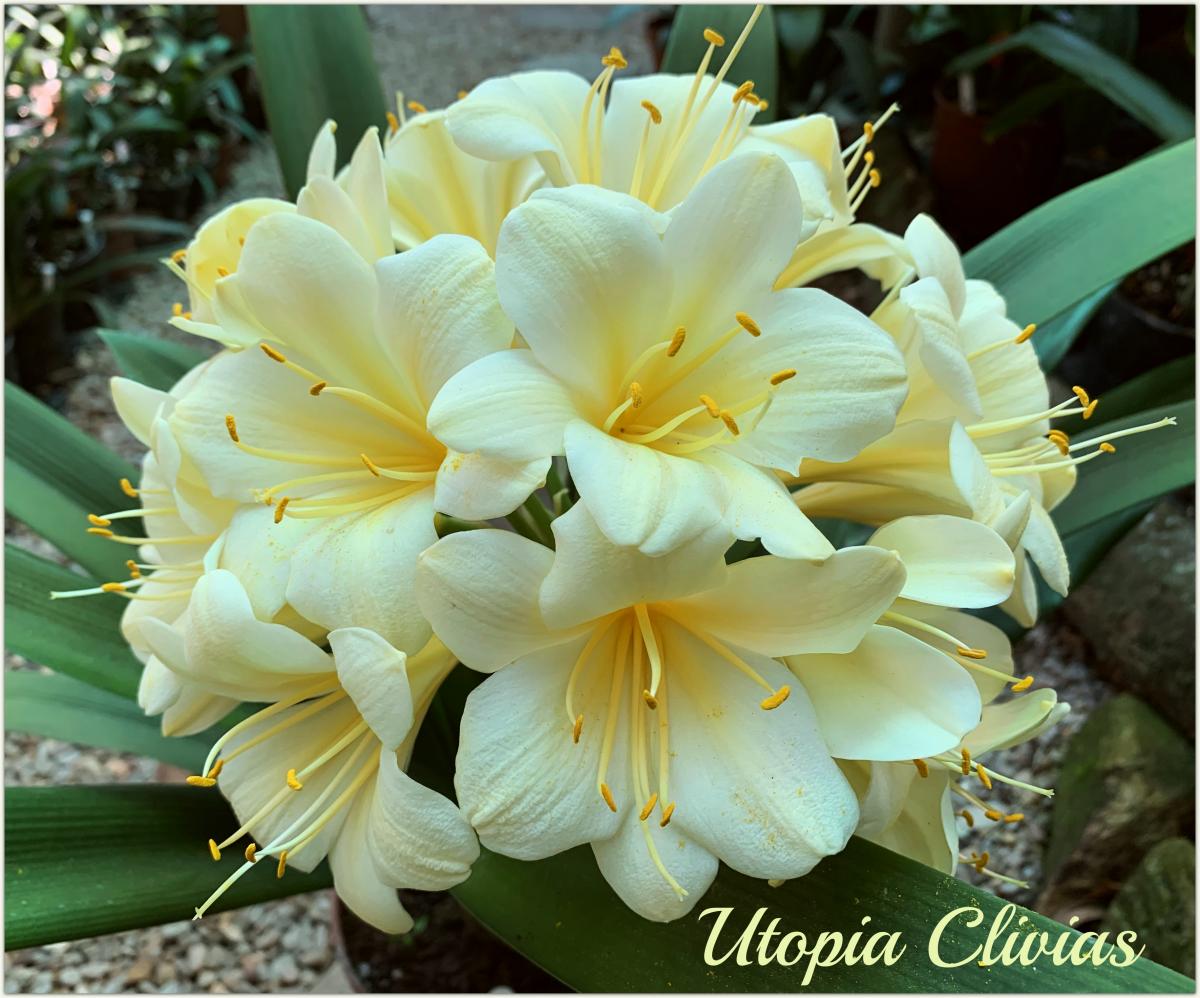
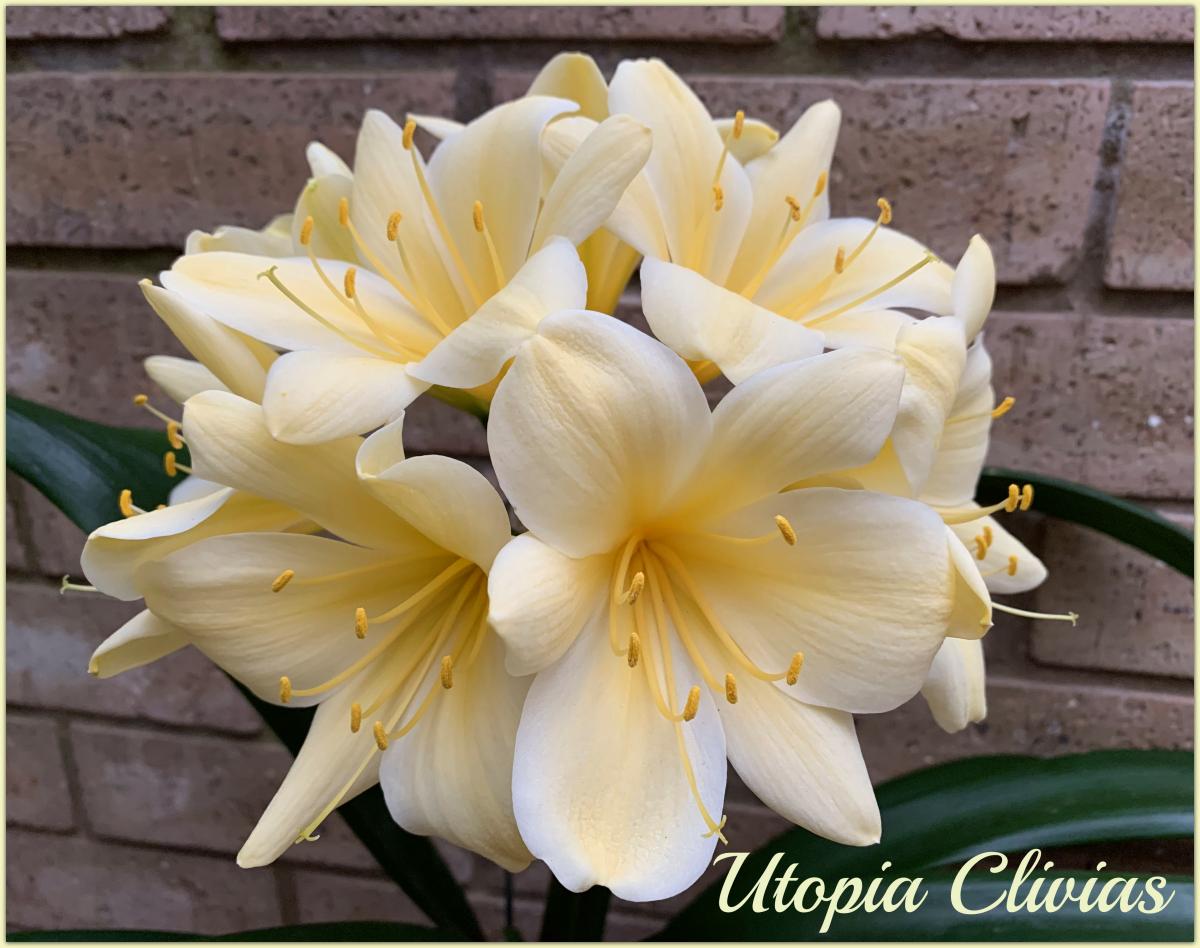
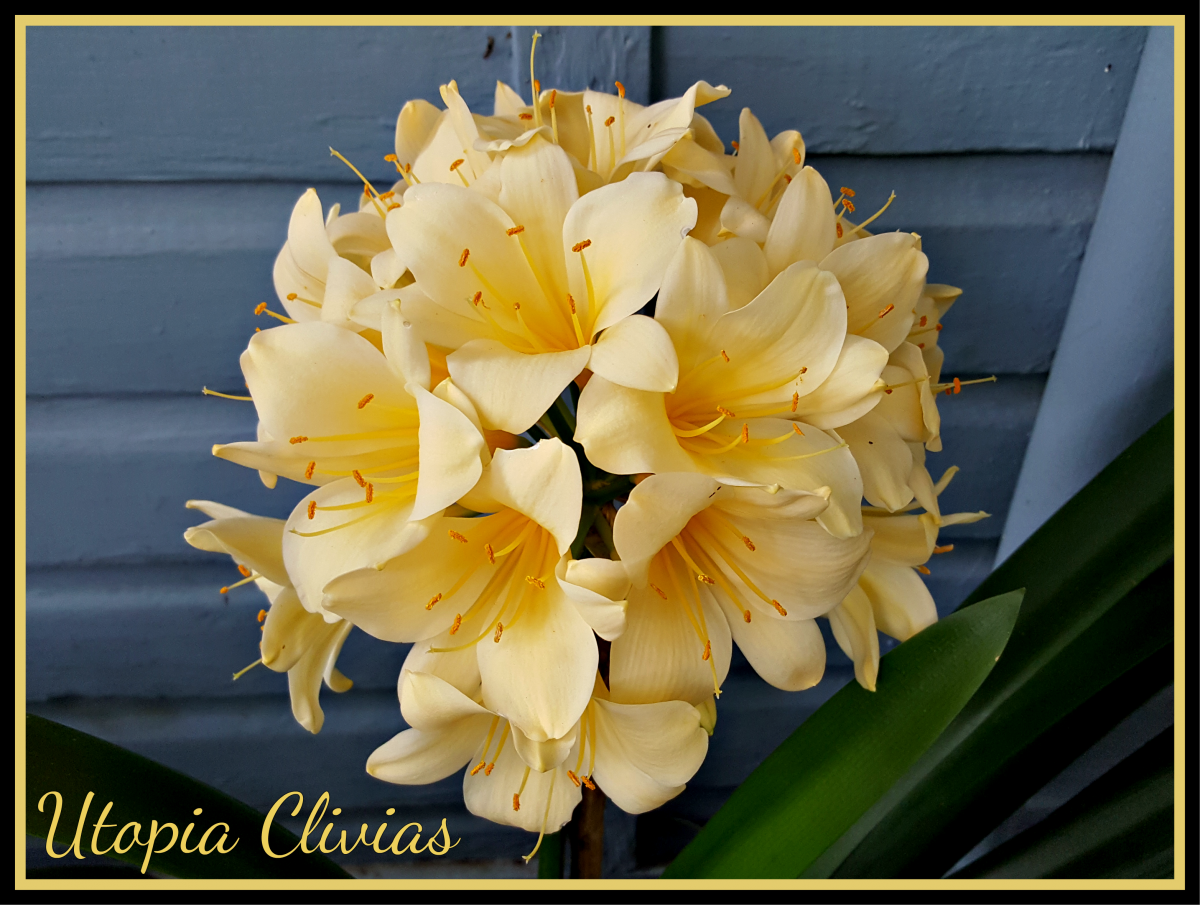
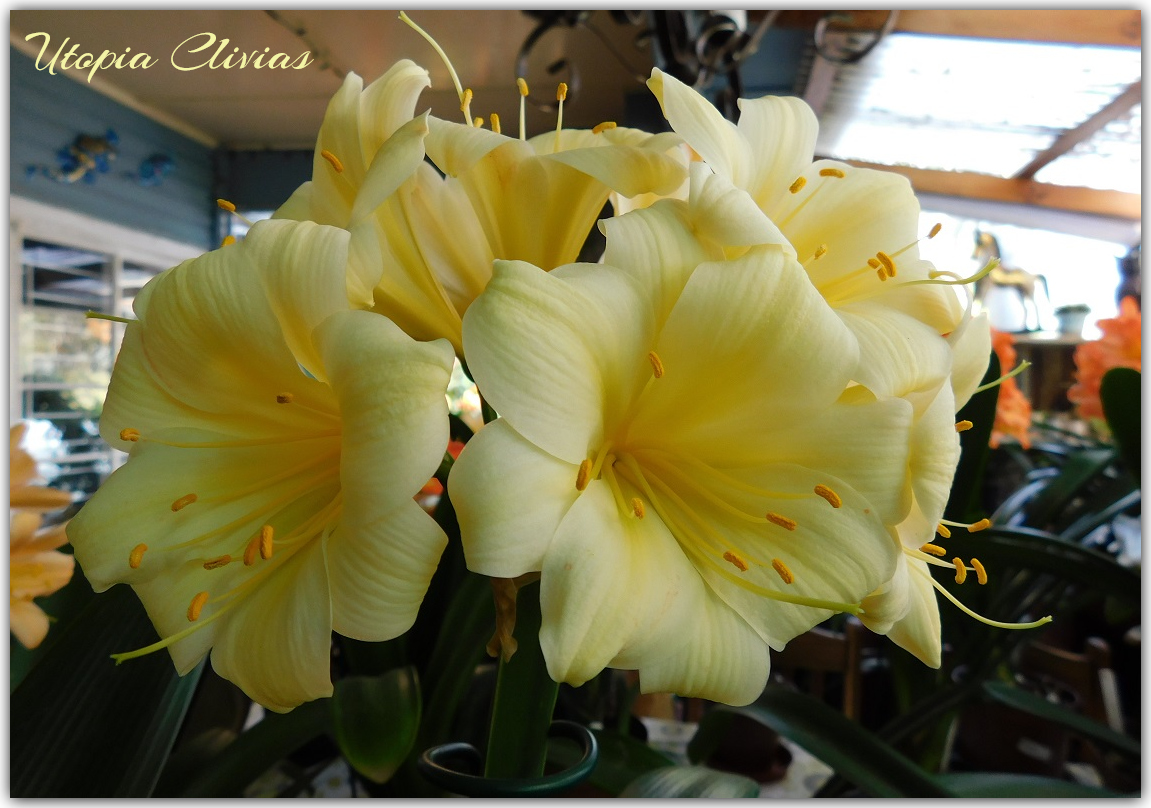
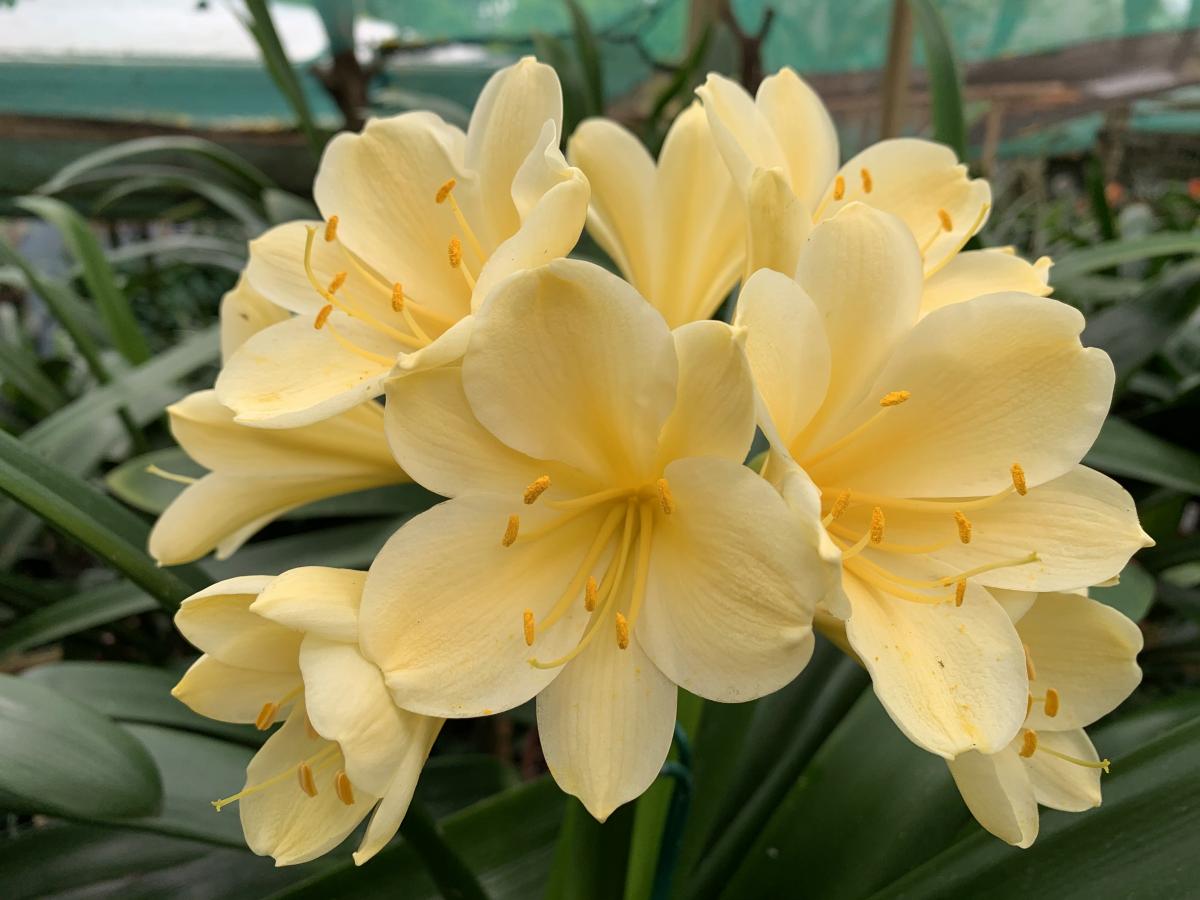
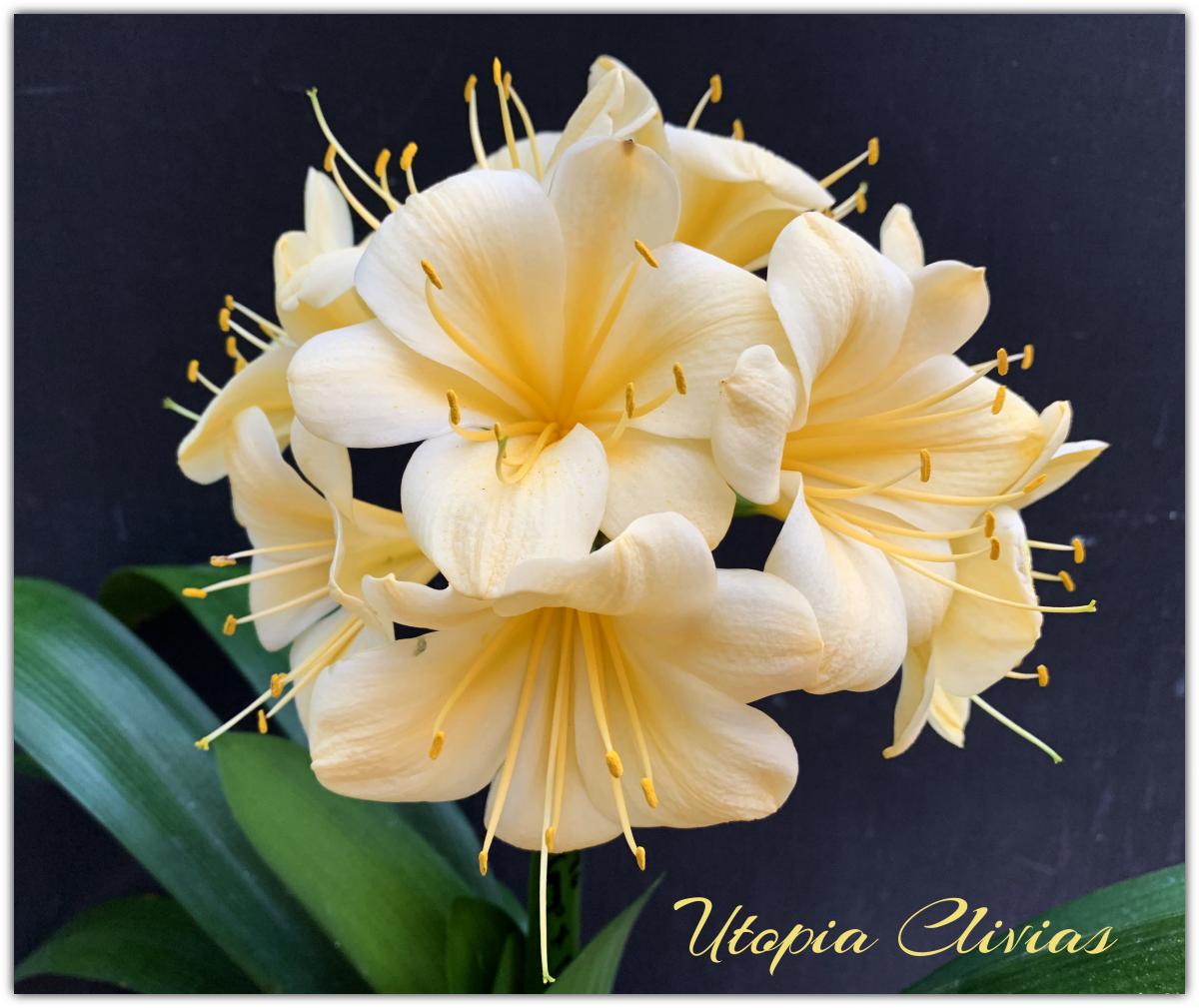
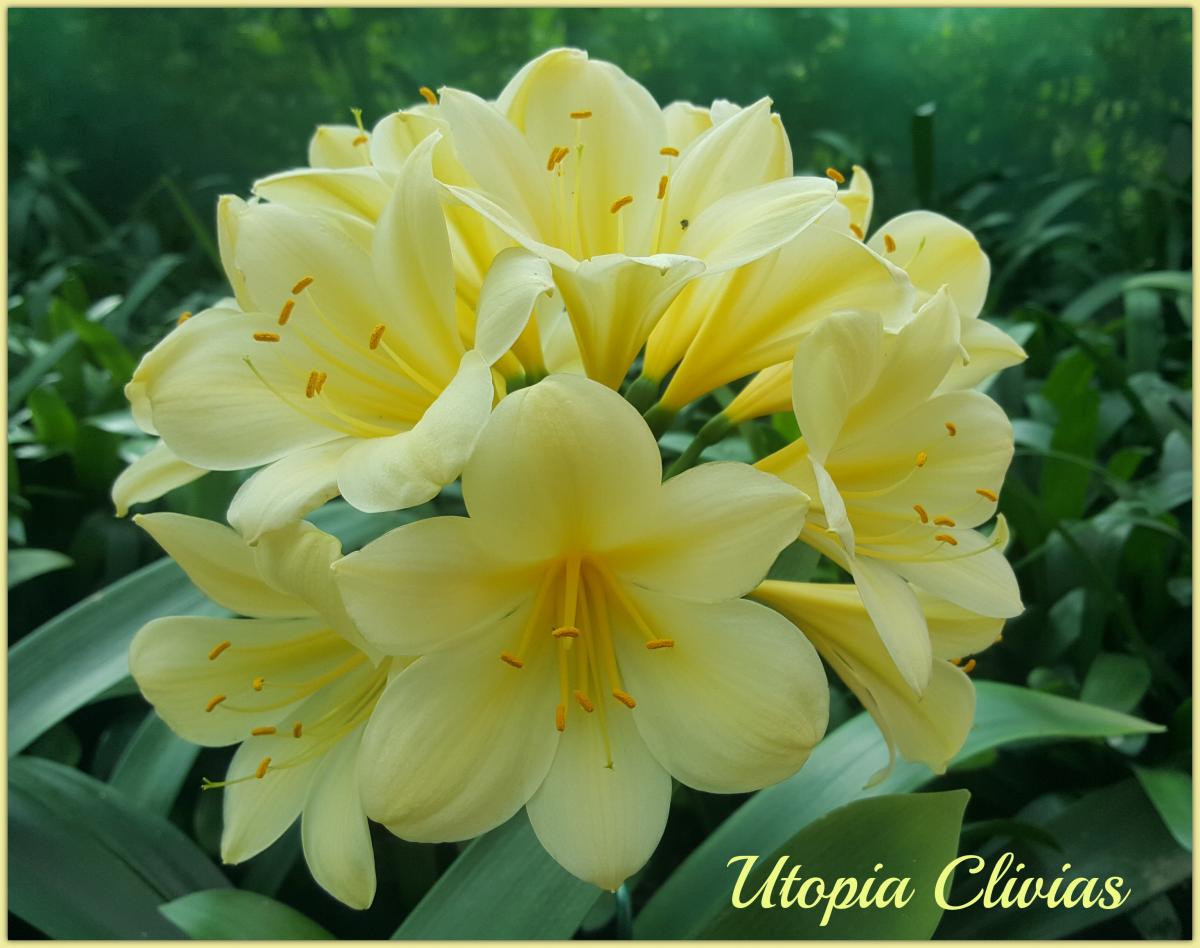
Although once considered rare, yellow Clivias are now bred by hundreds of growers worldwide and represent one of the most important colour groups in modern Clivia breeding. Yellows occur in a wide range of shades, from soft cream through to rich butter and deep gold, and display considerable variation in flower shape, plant habit, and genetic behaviour.
Yellow Clivia are divided into groups 1, 2 or 3. Plants from group 1 yellow breed true to type yellow plants. Group 2 yellows can split for orange/pastel if crossed with a group 1 yellow. A small percentage are classified as grp3 or unknown group. Probably 90% of all yellow miniata available worldwide fall under Group 1, the rest is made up by Group 2 yellow and numerous other groups. These groups produce yellow flowering offspring if bred within their group.
If you wish to breed yellow Clivia, breed Group 1 yellows with Group 1 yellows and Group 2 with Group 2. If you should breed a Group 1 Yellow with a Group 2 Yellow, the resulting flowers will range from pastel to orange. Natal Yellow is considered to belong to Group 2 Yellows and often has a great deal of green in the flower. ‘Vico Yellow’ on the other hand is a reliable Group 1 Yellow. It is therefore necessary to know which group your plants belong to, should you want to breed a pure yellow flowering plant.
At Utopia Clivias, we work only with our very best yellow plants, selecting rigorously for:
Large, well-balanced umbels
High flower count
Full, rounded petals
Clear, stable colour
Strong, attractive plant architecture
Our yellow collection includes Vico Yellows, Nakamura Yellows, and Group 2 yellows such as Natal Yellow, along with several modern imports and advanced breeding lines.
Genetic Classification of Yellow Clivias
Yellow Clivias are genetically divided into Group 1, Group 2, and Group 3 yellows, based on how they behave when crossed and the colour outcomes they produce.
Group 1 Yellows
Group 1 yellows breed true to yellow when crossed within the group and are genetically stable. When crossed with Group 1 peaches or creams, they reliably produce unpigmented offspring.
These yellows form the backbone of many peach and cream breeding programmes and are essential for predictable colour outcomes.
Group 2 Yellows
Group 2 yellows are genetically different and are split for orange or pastel when crossed. They play a crucial role in introducing new traits such as:
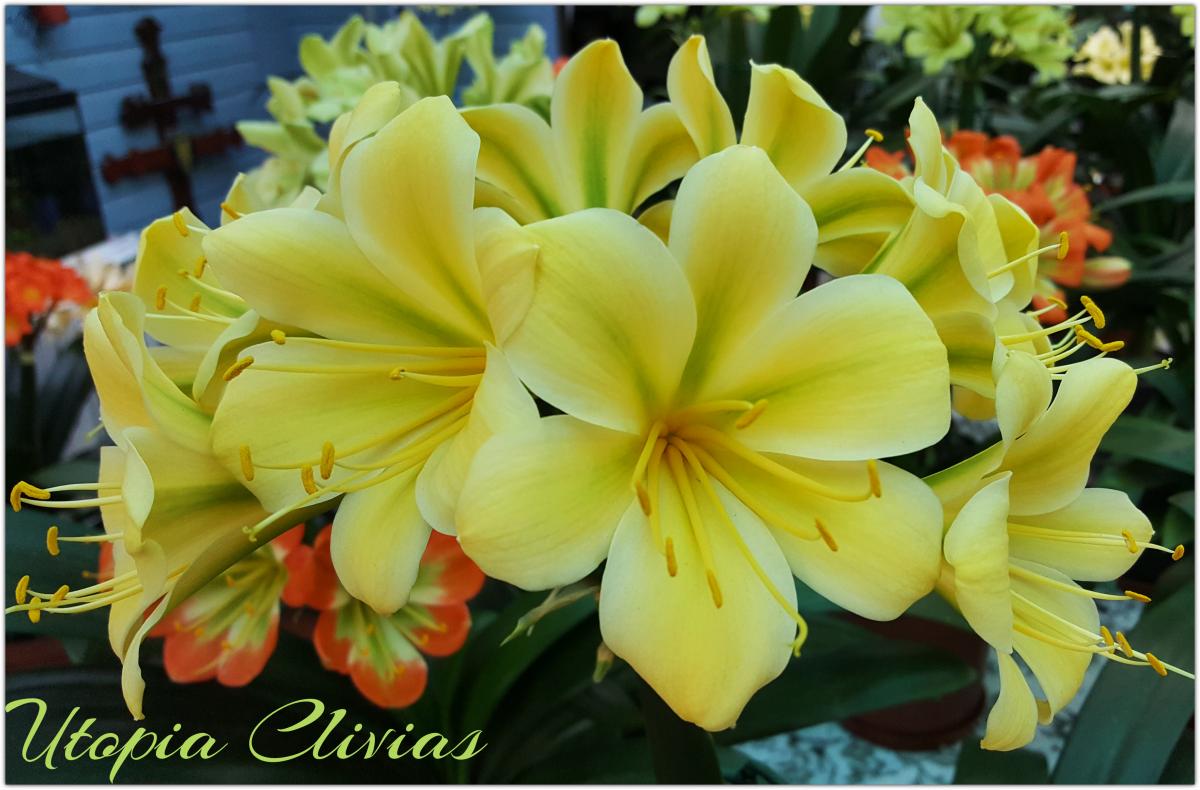
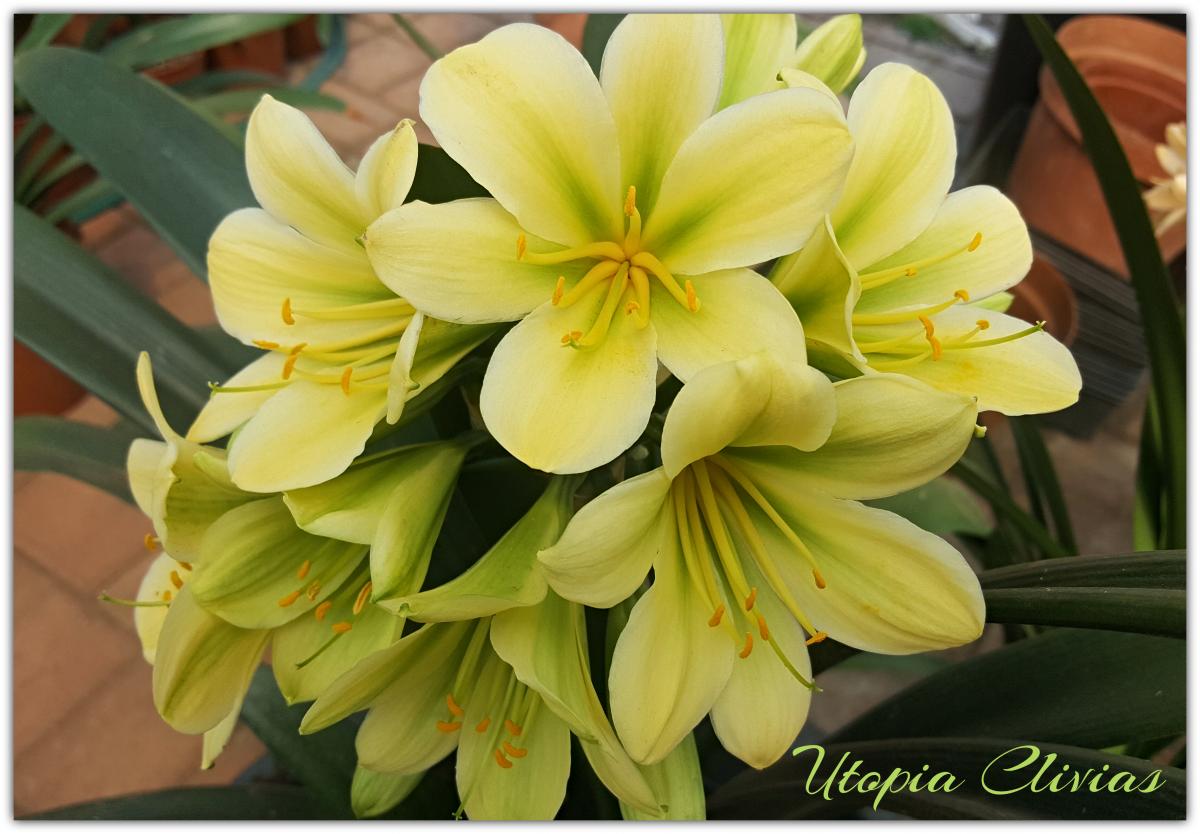
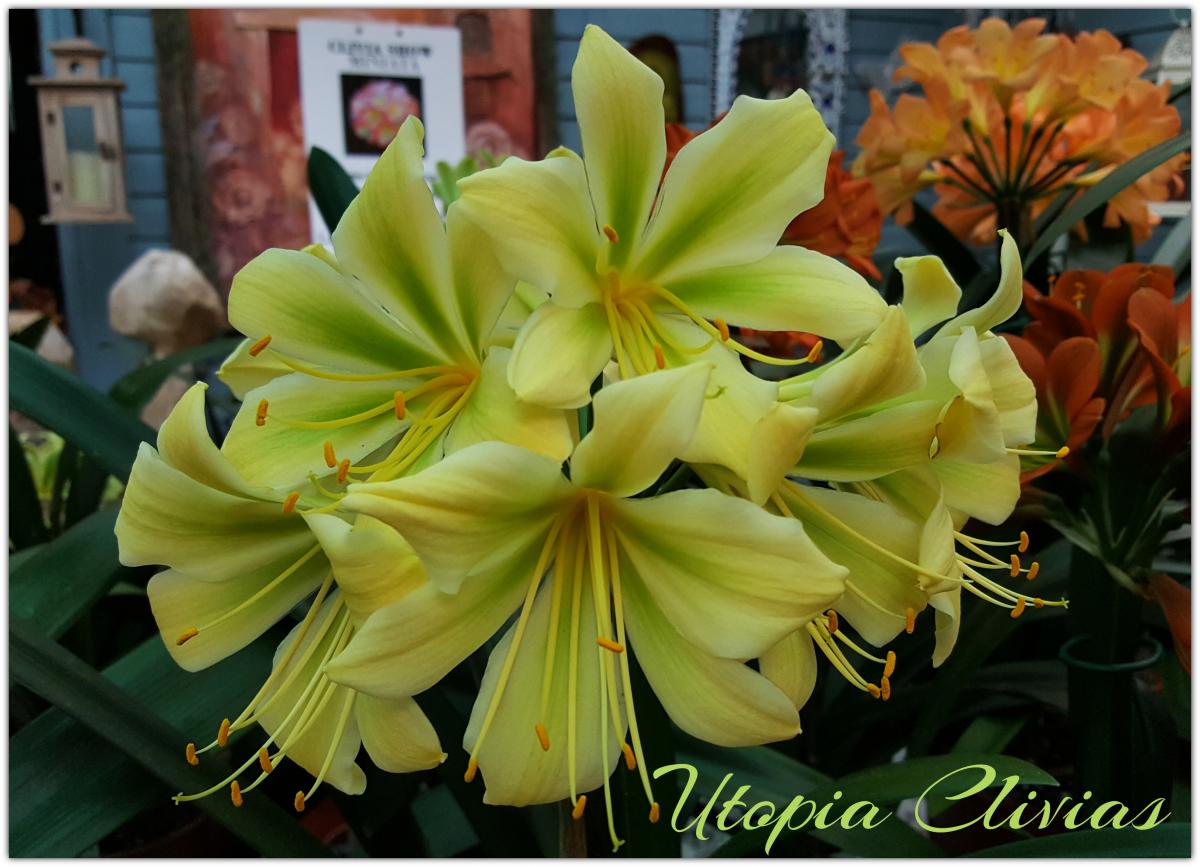
Green throats
Novel flower form
Improved substance
Enhanced colour complexity
Many of today’s green-throated yellows originate from Group 2 genetics.
Group 3 Yellows
Group 3 yellows are less common and genetically distinct. They often produce blush or pastel tones and are primarily of interest to advanced breeders exploring colour nuance and historic bloodlines.
Green-Throated Yellows
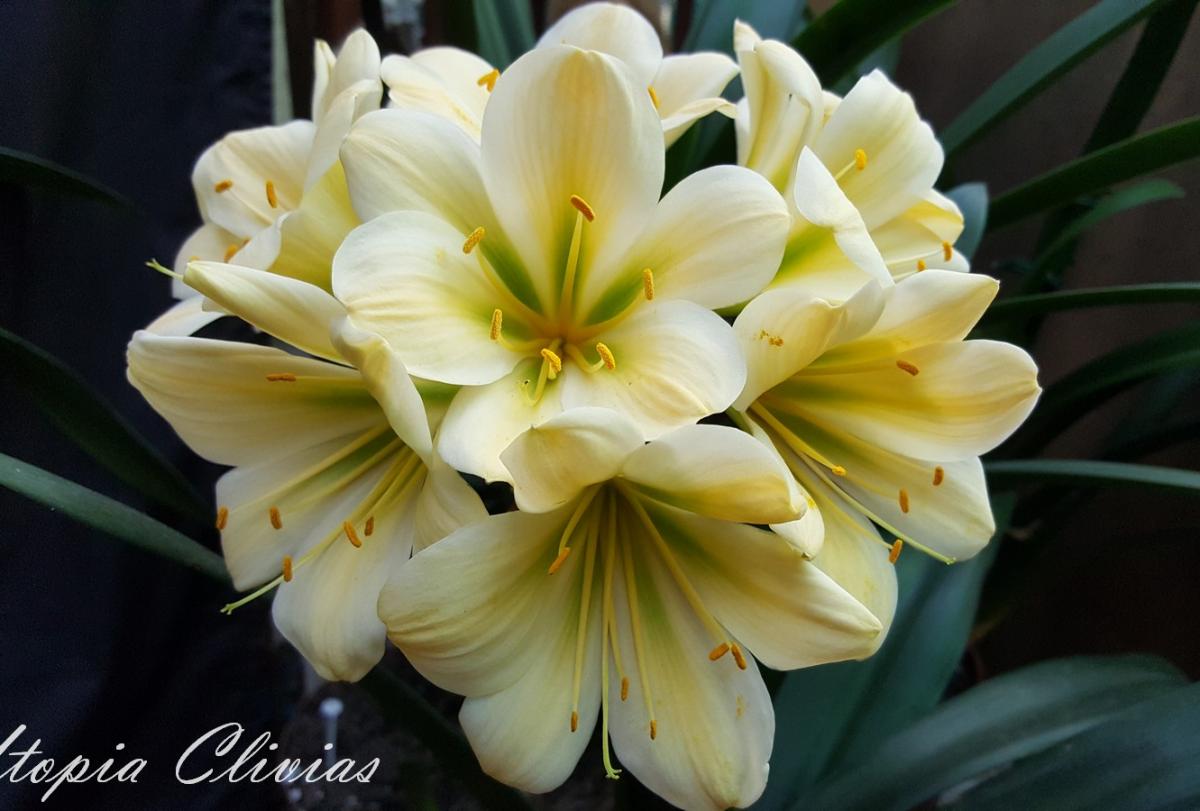
Yellows with green centres (green throats) have become increasingly popular and are now a major focus in modern Clivia breeding. These plants add depth, contrast, and refinement to the flower and are highly sought after by collectors and breeders alike.
We maintain several exceptional green-throated yellows and actively use them in our breeding programme.
Our most recent import is a TK original yellow with a green throat from Shige in Japan. This is a Group 2 yellow and is proving extremely valuable for developing advanced green-throated lines.
Rare and Special Yellow Forms
This year, a true tulip-shaped yellow flowered in our nursery. Genuine tulip yellows remain exceptionally rare, and this plant will be used extensively in future breeding.
We are also actively working toward breeding shorter, broader-leaf yellow plants, aiming for a more compact plant habit without compromising flower quality. Several promising seedlings and young plants are currently growing on in the nursery.
International Influences and Advanced Crosses
We have successfully obtained Yellow Daruma pollen, which was used in multiple crosses with our Group 1 yellows. These crosses are still in the evaluation phase, with the standard four-year wait now underway to assess the results.
In addition, we have imported broad-leaf yellow plants from China and conducted extensive crosses using this material to improve plant architecture and foliage substance.
Award-Winning and Named Yellows
Over the years, we have bred several outstanding yellows, many of which have won top awards for first-flowering yellow seedlings at major Clivia shows.
Notable named plants include:
‘Jon Snow’ – a beautiful large cream bred from Ghost 2
‘Shae’
‘Cercei’s Gold’
‘Brienne’
The Bella Donna Ophra Yellow Line
One of our most exciting recent breeding programmes involves yellows bred from the original Bella Donna Ophra. These plants are characterised by:
Short, broad leaves
Compact growth habit
Large, well-formed flowers
Excellent umbels
We have named these:
Bella Tyrion
Bella Arya
Bella Lanister
These represent a significant step forward in compact, high-quality yellow Clivia.
Yellow Clivia Groupings
Group 1 Yellows
Mare’s or Howick Yellow
Blinkwater Yellow
Mpumulo Yellow
King Hamelin Yellow
Arturo’s Yellow
San Marcos Yellow
Kirstenbosch Yellow
Eshowe / Saunders Yellow
Watkins Yellow
Karkloof Yellow
Jim Holmes Yellow
Whyte Yellow
Noyce’s Yellow
Vico / Smither’s Yellow
Vico Gold
Kewensis strain yellows
GTS Delta Cream
Solomone Yellow
Yellow Daruma G1
Sir John Thouron
Conway’s ‘Megan’
Vic Daniels Yellow G1
Pen Henry Yellow
Lemon Chiffon
Lemon Ice
Solomone Cream
Holmes Yellows
Col Pitman
Walters Yellow
Morris Yellow
Humbolt Yellow
Dr. Hirao Yellow
Lisa Mannion Yellow
Nakamura Yellow
Group 2 Yellows
Centani Yellow
Dwesa Yellow
Bashee Yellow
Transkei Yellow
Smith’s Yellow
Tsolo Yellow
Floradale Yellow
Natal Yellow
Giddy Yellow
Gibelo Yellow
Holl’s Yellow
Swellendam Yellow
Stella Parish Yellow
Cynthia’s Best
Port St John’s Yellow
Hirao Green
Yellow Daruma G2
TK Yellow GT
Cynthia’s Dream
Vic Daniels Yellow G2
Auriel Batten Yellow
Butter Yellow
Pat’s Gold
Golden Fleece
TK Miniature Yellow
TK Short Broad-Leaf Yellow
Charlsgreen
Green Bomb
Group 3 Yellows
Celtis Kloof Yellow
Potterill Blush Yellow
Greendale Yellow
Peacevale Yellow
Unknown or Unclassified Yellows
Mvuma Yellow
Ndwedwe Alpha (Thurston)
Ndwedwe Beta (Thurston)
Oribi Gorge Yellow
Byrne Valley Yellow
Crookes Yellow
Qora Yellow
Conclusion
Yellow Clivias remain a cornerstone of serious Clivia breeding. From genetically stable Group 1 yellows to complex Group 2 and rare Group 3 forms, they continue to offer enormous potential for refinement, innovation, and excellence.
Our yellow breeding programme is ongoing and dynamic, incorporating international genetics, rare forms, and carefully selected plants to push both flower quality and plant architecture to ever higher levels.